
In the modern landscape of brand strategy, companies spend billions of dollars attempting to achieve what a single collection of ancient poems mastered thousands of years ago: radical emotional resonance and a permanent place in the global cultural consciousness. When we ask, “What is the Book of Psalms?” from the perspective of brand architecture, we are not looking at a mere religious text. We are examining one of the most successful examples of long-term brand equity, identity design, and narrative consistency in human history.
At its core, the Book of Psalms is a framework for human identity. It represents a masterclass in how to build a brand that survives market shifts, cultural revolutions, and the passage of millennia. By analyzing its structure, voice, and symbolic assets, modern brand strategists can uncover the secrets to building a “legacy brand” that moves beyond transactional relationships and enters the realm of deep, emotional loyalty.

The Core Value Proposition: Human Connectivity Through Vulnerability
Every world-class brand requires a clear value proposition. For the Book of Psalms, that proposition is the validation of the human experience. In a marketplace of ideas often dominated by stoicism or abstract philosophy, the Psalms introduced a brand voice that was revolutionary in its “radical vulnerability.” This is the same strategy used by high-end personal brands and modern disruptors today: the move from being an unreachable authority to being a relatable companion.
Authenticity as a Brand Pillar
In contemporary branding, “authenticity” is often cited as the primary driver of consumer trust. The Book of Psalms built its entire architecture on this pillar. Unlike other ancient texts that focused on top-down decrees, the Psalms are a bottom-up expression of the “user experience.” They document the heights of joy and the depths of despair without filtering the “ugly” parts of the narrative.
From a strategic standpoint, this is a lesson in “transparent branding.” When a brand admits its challenges or acknowledges the pain points of its audience, it builds a level of trust that “perfect” brands cannot match. The Psalms do not shy away from the “brand crisis”—moments of abandonment, failure, and anger are documented with the same intensity as the triumphs. This creates a brand identity that is robust enough to handle the complexities of real life.
Managing the Brand Persona
The “persona” behind much of the Book of Psalms—historically associated with King David—serves as the ultimate brand ambassador. David represents the “everyman” who is also a “king.” This duality is a powerful branding tool. It allows the audience to see themselves in the struggle while aspiring to the greatness of the position. In modern terms, this is the “Relatable Hero” archetype, used by figures like Oprah Winfrey or founders like Steve Jobs, where the personal narrative of struggle and success becomes the face of the organization’s mission.
Narrative Archetypes and Content Strategy
A brand is only as strong as its ability to tell a story. The Book of Psalms utilizes a highly structured content strategy that addresses various “market segments” of human emotion. By categorizing the text into specific genres—laments, hymns, and thanksgivings—the editors created a versatile toolkit that ensures the “product” is relevant regardless of the user’s current situation.
The Lament: A Framework for Crisis Communication
The “Lament” is perhaps the most sophisticated content pillar within the Psalms. In brand strategy, crisis communication is often reactive. However, the Psalms treat the lament as a proactive framework for processing negative experiences. A lament typically follows a specific narrative arc: an address, a complaint, a request for help, and a final expression of trust.
This is a blueprint for modern brands navigating PR crises or customer dissatisfaction. By acknowledging the problem (the complaint), asking for a path forward (the request), and reaffirming the core values (the trust), a brand can turn a negative experience into a loyalty-building moment. The Psalms demonstrate that “negative” content, when structured correctly, actually strengthens the brand’s bond with its audience.
The Hymn: Designing the Hero’s Journey
The “Hymn of Praise” serves as the brand’s success story. These are the case studies and testimonials of the ancient world. They focus on the “attributes of the provider” and the “benefits of the relationship.” From a design perspective, these sections use high-energy language and rhythmic repetition to create an emotional “peak.”
Modern brand builders use this strategy when crafting “About Us” pages or mission statements. The goal is to move the audience from a state of passive observation to active celebration. By highlighting the brand’s core competencies and past successes, the hymns build the “social proof” necessary to sustain long-term engagement.
Visual Metaphor and Brand Recognition

A brand is not just what you say; it is the mental image you create. The Book of Psalms is famous for its “visual identity”—a series of potent metaphors that function much like modern logos or brand assets. These symbols are easily recognizable, cross-cultural, and evoke immediate emotional responses.
Symbolic Assets and Emotional Anchors
Consider the most famous “visual asset” in the collection: The Shepherd. Psalm 23 is arguably the most recognized piece of “branded content” in history. The imagery of green pastures, still waters, and a guiding rod and staff creates a sensory-rich brand experience.
In marketing terms, this is “symbolic anchoring.” When a consumer thinks of the brand, they don’t think of a list of features; they think of an image that represents a feeling (peace, protection, provision). Other visual assets in the Psalms—the rock, the shield, the fortress—provide a sense of stability and “brand safety.” These are not just poetic flourishes; they are strategic “brand anchors” that simplify complex theological or philosophical concepts into digestible, memorable icons.
Sound Design and Rhythmic Recall
The Psalms were originally meant to be sung. This is an early form of “sonic branding.” Just as Intel or Netflix have distinct sounds that trigger immediate brand recognition, the rhythmic and melodic nature of the Psalms ensured they were “sticky” in the minds of the audience.
Repetition (parallelism) is the primary structural device in Hebrew poetry. One line makes a statement, and the next line echoes or expands on it. In advertising, this is the “rule of seven”—the idea that a consumer needs to hear a message multiple times before it sinks in. The Psalms built this repetition directly into the “product design,” making the content easier to memorize and share.
Scaling Identity: From Personal Brand to Universal Legacy
What makes the Book of Psalms the ultimate case study in “Brand Longevity” is its ability to scale. It transitioned from a local, ethnic identity to a global, universal one. This is the goal of every “Global Brand”—to maintain a core identity while adapting to diverse markets and cultures.
Cultivating Community Participation
One of the most effective ways to scale a brand is to turn the audience into “co-creators.” The Psalms are designed to be “performed” by the community. They are not static texts to be read in silence; they are scripts for communal participation.
This is the ancient equivalent of “User-Generated Content” (UGC). When people sing or pray the Psalms, they are taking the brand’s language and making it their own. This creates a sense of “brand ownership.” The users are no longer just consumers of the content; they are participants in the brand’s ongoing story. Modern brands like Harley-Davidson or Peloton achieve this by creating spaces where their community can use the brand’s identity to express their own personal values.
The Longevity Factor: Adapting to New Markets
The Psalms have been translated into thousands of languages and adapted into countless musical styles—from Gregorian chant to contemporary gospel and even heavy metal. This “brand flexibility” is essential for survival.
A brand that is too rigid will eventually become obsolete. The Book of Psalms provides a “brand guidelines” document that is flexible enough to allow for local interpretation while maintaining a consistent “core message.” Whether it is read in a cathedral or a coffee shop, the core brand identity—the raw, honest communication between the human and the divine—remains intact.
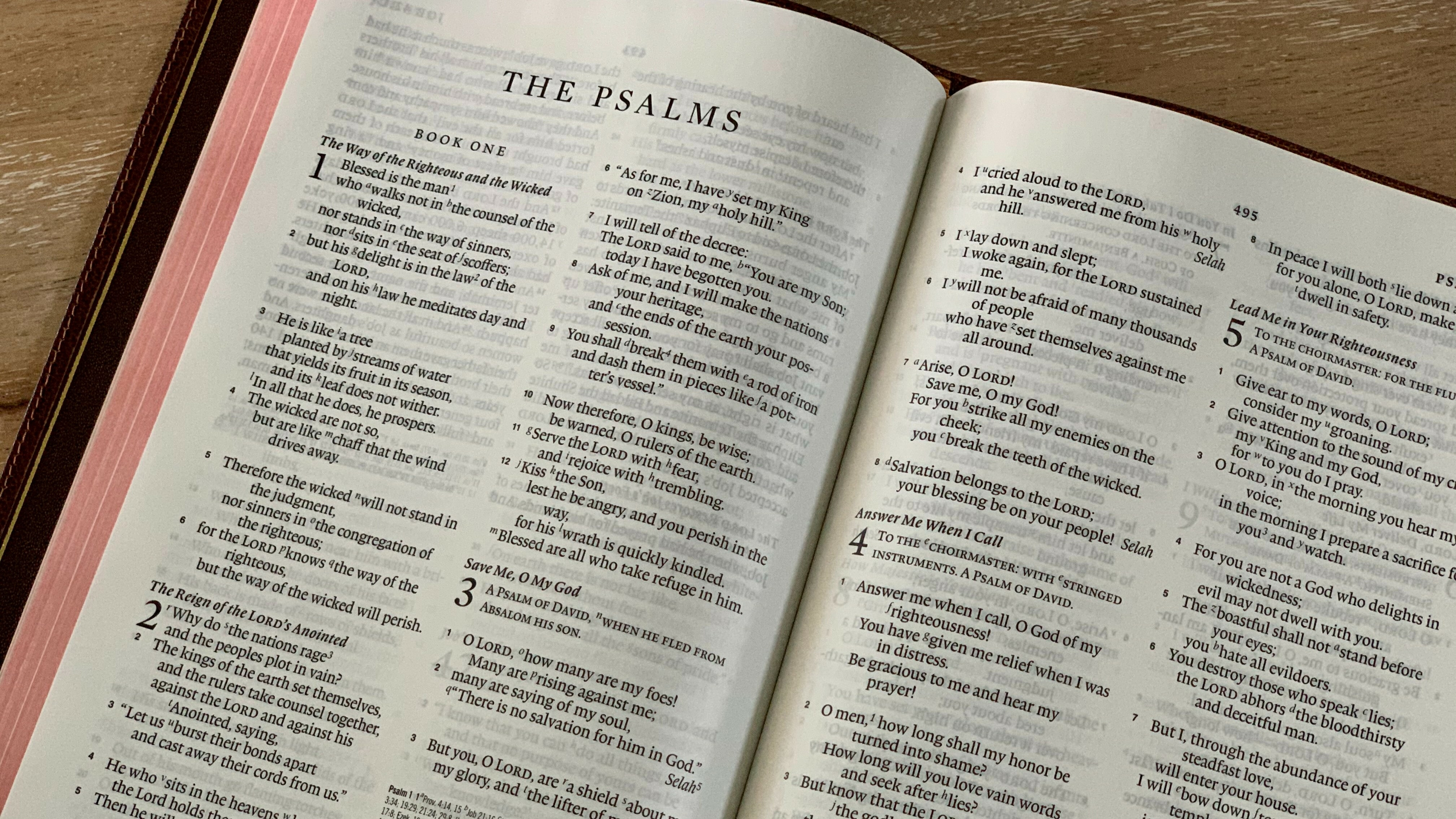
Strategic Application: Lessons for Modern Brand Builders
When we analyze “What is the Book of Psalms” through the lens of brand strategy, we find a roadmap for any organization or individual looking to make a lasting impact. The lessons are clear:
- Prioritize Emotional Intelligence: Don’t just sell a product; validate an experience. Brands that acknowledge the full spectrum of human emotion build deeper connections.
- Develop Iconic Assets: Use metaphors and imagery that can be easily recalled. Your brand should have “visual anchors” that transcend language.
- Build a Participation Framework: Create ways for your audience to use your brand language in their own lives. Turn consumers into co-creators.
- Embrace Narrative Consistency: Use content pillars (like the lament and the hymn) to ensure you are meeting your audience at every stage of their journey.
- Focus on Legacy, Not Just Conversion: The Psalms were not written for a single “sale.” They were written to sustain a community for generations. Design your brand for the long term.
Ultimately, the Book of Psalms is a testament to the power of a well-defined brand identity. It proves that when a message is rooted in universal human truth and delivered through a consistent, emotionally resonant framework, it can achieve a level of “market dominance” that lasts for thousands of years. For the modern strategist, it remains the definitive textbook on how to build a brand that is truly immortal.
aViewFromTheCave is a participant in the Amazon Services LLC Associates Program, an affiliate advertising program designed to provide a means for sites to earn advertising fees by advertising and linking to Amazon.com. Amazon, the Amazon logo, AmazonSupply, and the AmazonSupply logo are trademarks of Amazon.com, Inc. or its affiliates. As an Amazon Associate we earn affiliate commissions from qualifying purchases.