
In the world of high-level brand strategy, the distinction between two seemingly similar products—such as a rug and a mat—is rarely about the physical fibers or the manufacturing process. Instead, the difference lies in the psychological real estate the product occupies in the mind of the consumer. For a brand strategist, the “Rug vs. Mat” debate is a quintessential case study in product positioning, market segmentation, and the power of nomenclature to dictate price elasticity.
When a brand chooses to label its product a “rug” versus a “mat,” it is making a fundamental decision about its corporate identity and its target demographic. This decision influences everything from the marketing channels used to the perceived value of the brand. Understanding this distinction is vital for any professional involved in brand development, design, or high-level marketing strategy.
The Semantics of Value: Why Word Choice Dictates Price Point
At the heart of branding lies the concept of perceived value. A product’s name is the first touchpoint in establishing its value proposition. In the floor-covering industry, the labels “rug” and “mat” serve as anchors for different economic expectations.
The Rug as a Lifestyle Statement
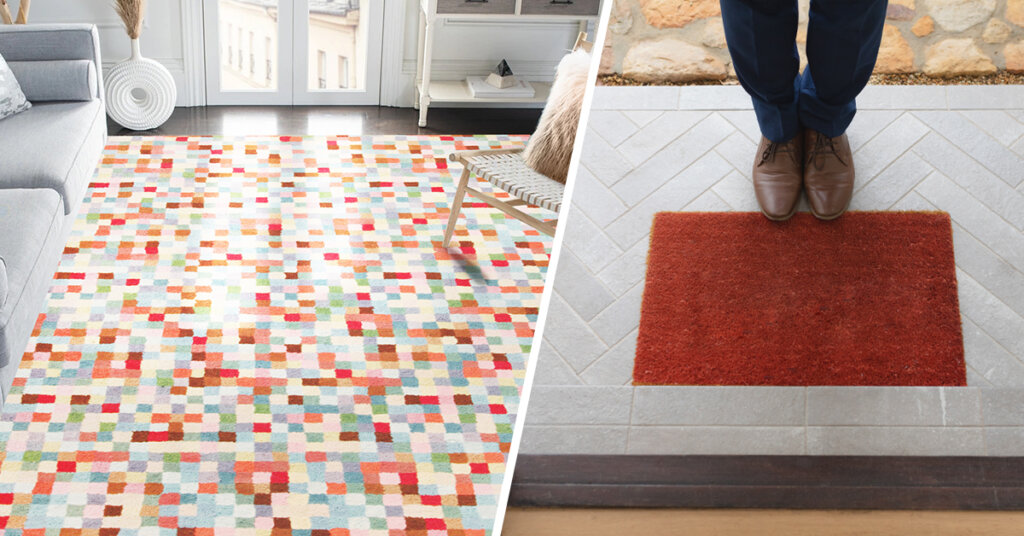
A “rug” is positioned as a discretionary lifestyle purchase. From a branding perspective, it is associated with aesthetics, comfort, and interior design. When a brand markets a rug, it is selling an atmosphere. The rug is an anchor for a room’s identity, often serving as the focal point of a curated living space.
Brands that specialize in rugs focus on emotional resonance. They use high-end photography, storytelling about craftsmanship (hand-knotted, organic dyes), and heritage. Because a rug is seen as an investment—often passed down through generations—the brand can command a premium price. The branding here is about “ownership” and “legacy.”
The Mat as a Functional Solution
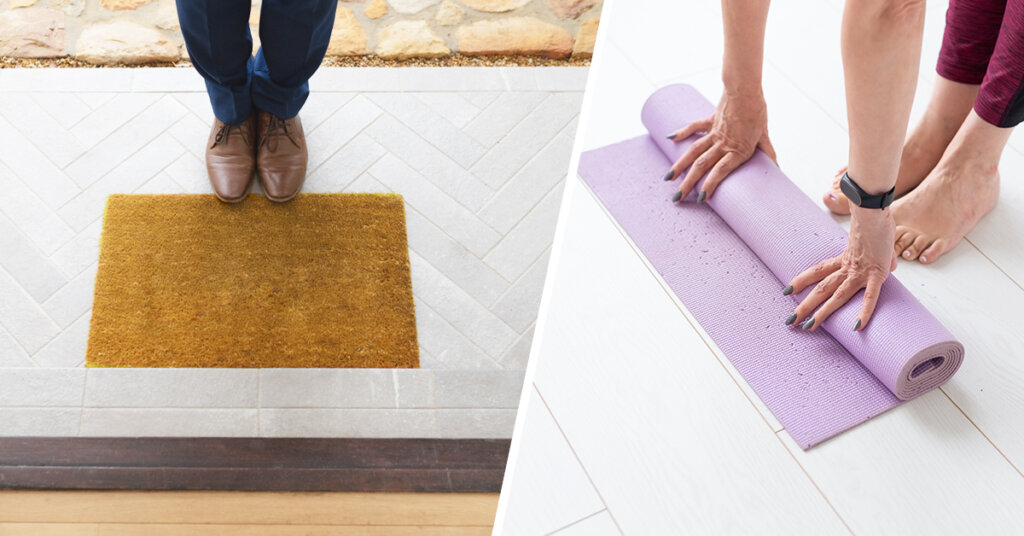
Conversely, a “mat” is positioned as a utilitarian solution to a specific problem. Whether it is a welcome mat, a yoga mat, or an anti-fatigue kitchen mat, the focus is strictly on performance and function. The brand strategy for a mat is rarely about beauty; it is about efficiency, durability, and protection.
In the world of corporate identity, “mat” brands position themselves as essential tools. The marketing language shifts from “artistic” to “ergonomic,” and from “luxurious” to “non-slip.” Because a mat is perceived as a tool, the consumer’s willingness to pay is tied directly to the product’s measurable performance rather than its emotional appeal. This creates a different competitive landscape where brand loyalty is driven by reliability rather than status.
Narrative Frameworks: The Rug as an Experience vs. The Mat as a Utility
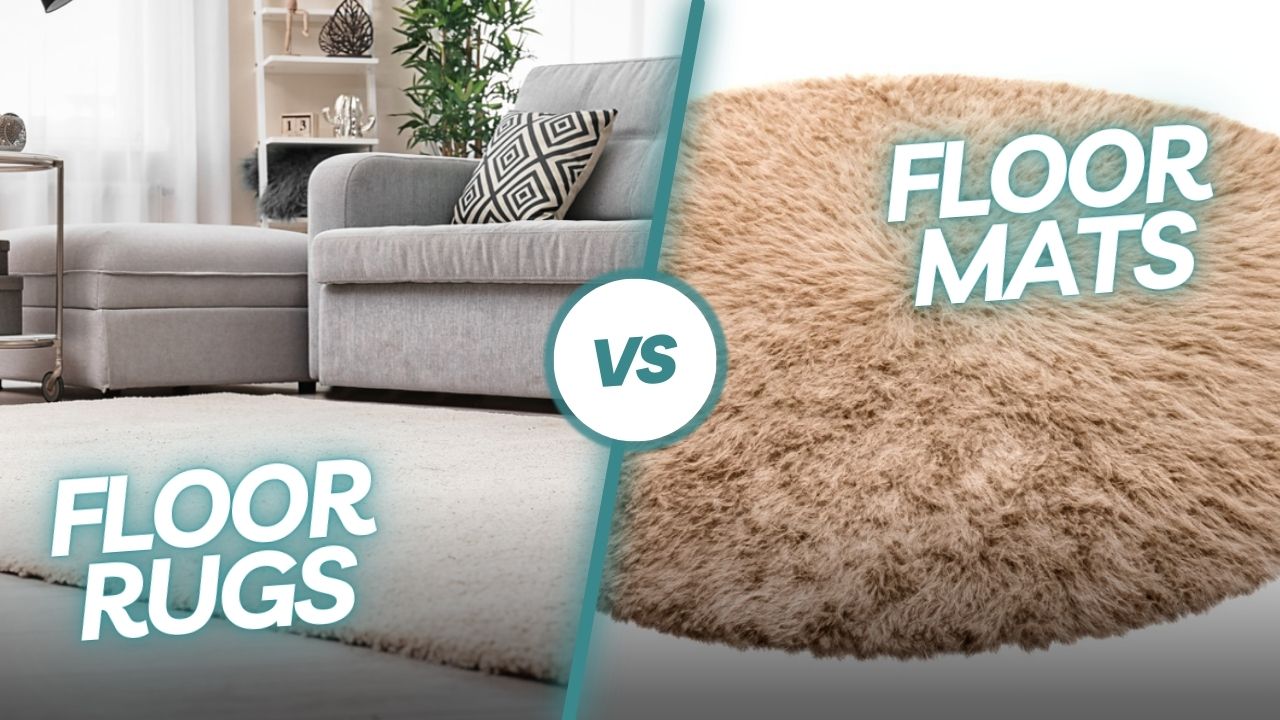
To build a powerful brand, one must understand the narrative framework that surrounds the product. The difference between a rug and a mat is effectively the difference between an “experience” and a “utility.” This distinction dictates how a brand communicates with its audience and what kind of story it tells.
The Premiumization of the Living Space
When a brand positions a product as a rug, it enters the realm of “Premiumization.” This is the process of moving a brand up the value chain by emphasizing intangible benefits. For example, a luxury rug brand does not just talk about the wool; it talks about the sheep in the high-altitude regions of New Zealand and the artisanal weavers who spend months on a single piece.
This narrative transforms a floor covering into a piece of art. Brand strategy here involves partnerships with interior designers, placements in high-fashion magazines, and a focus on “slow living.” By distancing the product from the “functional” (the mat), the brand avoids price wars and positions itself in a category where the consumer is buying a piece of the brand’s soul.
The Industrial Psychology of the Utility Mat
Marketing a mat requires a different psychological approach. The “mat” brand must establish itself as an expert in a specific niche. For instance, a brand selling “gym mats” must emphasize safety, impact absorption, and hygiene. The narrative is one of empowerment and protection.
In this space, the brand strategy is often built on data and social proof. “Recommended by 9 out of 10 physical therapists” is a more powerful brand statement for a mat than any aesthetic description could be. The brand identity is built on being the “unseen hero” of the environment—the thing that makes work easier, exercise safer, or the home cleaner.
Market Segmentation and Consumer Persona
Effective branding requires a deep dive into the consumer persona. Who is the person buying a rug, and how do they differ from the person buying a mat? Often, they are the same person, but they are in a different “mode” of consumption.
The Curator vs. The Problem-Solver
The “Rug Buyer” is in curator mode. They are looking for harmony, status, and long-term satisfaction. They view their home as an extension of their personal brand. Therefore, the branding must be aspirational. The tone of voice should be sophisticated, the visual identity should be clean and elegant, and the customer experience should be high-touch.
The “Mat Buyer” is in problem-solver mode. They have a specific pain point—dirt entering the house, a sore back while standing at a desk, or a slippery bathroom floor. They want a quick, effective, and durable solution. The branding for mats should be authoritative, clear, and transactional. The “Value Proposition” must be front and center: “Stop dirt at the door” or “Work longer without pain.”
Bridging the Gap: The Hybrid Brand Strategy
In recent years, we have seen a fascinating shift in branding where companies are attempting to bridge the gap between “rug” and “mat.” A prime example is the rise of the “washable rug.” This product takes the aesthetic and name of a “rug” but adds the functional utility of a “mat” (machine washability).
From a brand strategy perspective, this is a masterstroke. It allows the company to charge “rug” prices while solving “mat” problems. It targets a new persona: the “Stylish Realist”—someone who wants a beautiful home but has children, pets, or a busy lifestyle that makes traditional high-maintenance rugs impractical. This hybrid positioning shows how understanding the nuances between these two categories can lead to the creation of entirely new, highly profitable market segments.
Strategic Positioning in the Digital Age: SEO and Brand Archetypes
In the digital marketplace, the difference between “rug” and “mat” has significant implications for search engine optimization (SEO) and brand discovery. How a brand categorizes itself determines which digital “shelves” it sits on.
SEO and the Hierarchy of Desirability
Keywords like “area rug,” “oriental rug,” and “luxury rug” have high search volumes but also high competition and high cost-per-click in advertising. They attract users who are at the top of the funnel, looking for inspiration.
Keywords like “door mat,” “bath mat,” or “yoga mat” are more specific and often lead to higher conversion rates because the user has a clear intent. A brand must decide whether it wants to compete in the high-traffic, high-prestige “rug” category or the high-conversion, high-utility “mat” category. This choice defines the brand’s digital strategy and its approach to content marketing.
Brand Archetypes: The Artist vs. The Caregiver
In the framework of brand archetypes, rugs usually align with “The Artist” or “The Creator.” They are about self-expression and beauty. Mats, on the other hand, align with “The Caregiver” or “The Everyman.” They are about protection, service, and practicality.
A brand that tries to be both without a clear strategy risks “brand dilution.” If a luxury rug brand starts selling cheap rubber welcome mats, it may erode its prestige. Conversely, if a functional mat company tries to sell high-end Persian-style rugs without a significant shift in brand identity, it may struggle with credibility. Successful companies often create “sub-brands” to handle this transition, keeping the luxury identity of the rug line separate from the functional identity of the mat line.
Conclusion: The Power of Strategic Definition
Ultimately, the difference between a rug and a mat is a testament to the power of branding. It is a reminder that products do not exist in a vacuum; they exist in the context of the stories we tell about them and the needs they fulfill.
For business leaders and brand architects, the lesson is clear: your nomenclature is your destiny. By defining your product as a “rug,” you are entering the world of fashion, emotion, and premium margins. By defining it as a “mat,” you are entering the world of performance, utility, and volume. Neither is inherently better, but each requires a radically different brand strategy, visual language, and consumer engagement model.
Understanding this distinction allows a brand to move beyond the physical attributes of its product and begin building a meaningful, lasting connection with its audience. Whether you are selling a $10,000 silk rug or a $20 rubber mat, the success of your brand depends on your ability to own the space you have chosen and deliver on the promise that your name implies.
aViewFromTheCave is a participant in the Amazon Services LLC Associates Program, an affiliate advertising program designed to provide a means for sites to earn advertising fees by advertising and linking to Amazon.com. Amazon, the Amazon logo, AmazonSupply, and the AmazonSupply logo are trademarks of Amazon.com, Inc. or its affiliates. As an Amazon Associate we earn affiliate commissions from qualifying purchases.