
In the high-stakes ecosystem of global commerce, visual identity is often the first point of contact between a brand and its audience. However, as any seasoned brand strategist will attest, looking the part is fundamentally different from playing the part. The biological comparison between the native ladybug and the multicolored Asian lady beetle serves as a profound metaphor for contemporary brand strategy. To the untrained eye, they appear identical—red or orange wings, black spots, and a small, domed frame. Yet, their behaviors, their impact on their environment, and the way they are perceived by the public couldn’t be more divergent.
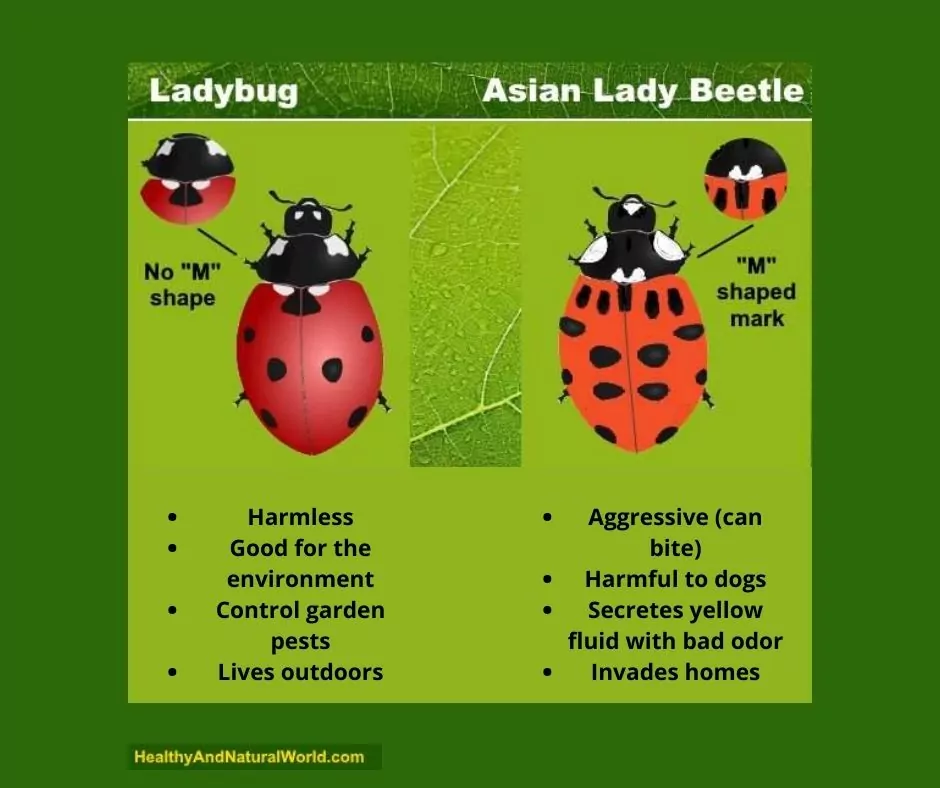
In branding, this distinction represents the gap between an “Authentic Benefit Brand” (the Ladybug) and an “Invasive Growth Brand” (the Asian Beetle). While both occupy the same market space, one is a welcomed partner in the consumer’s life, while the other is an opportunistic mimic that can quickly become a nuisance. Understanding the difference between these two archetypes is essential for leaders who wish to build long-term brand equity rather than short-term market saturation.
The Visual Trap: Why Appearance Is Not Brand Strategy
The primary challenge for consumers—and for brand designers—is the “Visual Trap.” The Asian lady beetle (Harmonia axyridis) was introduced to environments specifically because it looked and functioned like the beneficial native ladybug. In the corporate world, we see this during the “Me-Too” phase of market cycles. When a disruptive brand like Apple or Airbnb succeeds, the market is immediately flooded with competitors adopting the same minimalist aesthetic, the same sans-serif typography, and the same “disruptor” language.
The Superficial Similarities: When Identity Fails to Differentiate
When two brands look the same, the consumer relies on deeper behavioral cues to make a choice. The Asian beetle is often more aggressive; it bites, it emits a foul odor when threatened, and it seeks shelter in places it isn’t wanted. Similarly, “Invasive Growth Brands” often use aggressive marketing tactics, intrusive data collection, and relentless retargeting. They look like a “Ladybug” brand—friendly, helpful, and modern—but their behavior reveals a lack of respect for the consumer’s ecosystem.
A brand identity that is merely a skin-deep imitation of a market leader is not a strategy; it is a liability. True brand differentiation occurs at the intersection of visual consistency and behavioral integrity. If your brand looks like a helpful solution but acts like an invasive nuisance, the resulting “brand dissonance” will eventually erode your market share.
The Hidden DNA: Core Values as the Ultimate Differentiator
The most reliable way to tell an Asian beetle from a ladybug is the small “M” or “W” marking on the beetle’s pronotum (the area behind the head). In branding, these subtle “markings” are the core values and operational ethics that differentiate a brand under scrutiny. While a generic competitor can copy a color palette, they cannot easily replicate a supply chain committed to transparency, a customer service philosophy rooted in empathy, or a product development cycle focused on longevity over planned obsolescence.
Strategic branding requires identifying these “M-markings” within your organization and amplifying them. These are the markers that signal to the sophisticated consumer that your brand is the “native” solution—one that belongs in their life and provides a net positive impact.
The Ladybug Philosophy: Designing for Symbiosis and Value
The native ladybug is a gardener’s best friend. It is a biological control agent that works in harmony with its environment, consuming pests without damaging the host plant. This is the hallmark of a “Symbiotic Brand.” These brands do not seek to dominate the consumer’s attention through force; instead, they provide such high utility and delight that their presence is actively encouraged.
Organic Trust: Building Loyalty Through Utility
A Ladybug Brand focuses on solving a specific problem with precision. Think of brands like Patagonia or Lego. Their brand identity is synonymous with the value they provide. They have built “Organic Trust” by consistently performing their intended function over decades. They don’t need to shout to be seen because their reputation precedes them.
In this model, marketing isn’t about “hunting” for customers; it’s about “cultivating” an environment where customers want to stay. When a brand acts as a beneficial participant in the consumer’s life, the consumer becomes a brand advocate. This organic word-of-mouth is the most powerful form of brand equity, far more valuable than the forced impressions generated by aggressive “Beetle” tactics.
Native Market Integration: Playing the Long Game
Ladybugs are native species that have evolved to fit perfectly into their local ecosystems. In business, this translates to “Hyper-Relevance.” A brand that understands its local market, its specific cultural nuances, and its customers’ pain points will always outperform a generic, invasive competitor.
The Ladybug Philosophy requires patience. It acknowledges that sustainable growth takes time and that the health of the “garden” (the market) is just as important as the growth of the brand itself. By focusing on long-term sustainability rather than quarterly domination, these brands avoid the “boom and bust” cycles that often plague invasive market entrants.

The Asian Beetle Strategy: The Risks of Hyper-Growth and Invasive Marketing
The Asian lady beetle is an incredible survivor. It can thrive in harsh conditions, it reproduces rapidly, and it can push out native species. From a purely tactical business perspective, this “Invasive Strategy” is often rewarded by venture capital and high-growth mandates. However, there is a hidden cost to being the “Asian Beetle” of your industry.
Market Saturation vs. Market Presence
There is a fine line between being present in a market and being a nuisance. The Asian beetle is known for swarming homes in the autumn, creating a literal “pest” problem. In branding, this is equivalent to over-saturation. When a brand’s advertisements are everywhere, when their emails clog every inbox, and when their “growth hacks” feel like digital trespassing, they transition from a brand to a burden.
Hyper-growth brands often prioritize “Reach” over “Resonance.” While they may achieve high awareness numbers, their brand sentiment often trends toward the negative. Like the yellow stain left behind by a crushed Asian beetle, an invasive brand leaves a lasting negative impression that is incredibly difficult to clean up.
The Nuisance Factor: When Rapid Growth Damages Brand Equity
Invasive brands often lack the “immune system” of established, value-driven brands. Because they are built for speed and volume, they often cut corners in customer experience, ethical sourcing, or product quality. When the market shifts—or when the “winter” of an economic downturn arrives—these brands find they have no loyal community to protect them. They are treated as pests to be removed rather than partners to be supported.
To avoid the “Beetle Trap,” companies must balance their growth metrics with brand health metrics. If your customer acquisition cost is low but your churn is high, you are likely running an invasive strategy. You are entering the “house” of the consumer, but you aren’t being invited back.
Strategic Rebranding: Shifting from Invasive to Essential
If a brand realizes it has become the “Asian Beetle” of its industry—widely known but poorly liked—it must undergo a strategic shift to survive. This isn’t just a visual rebrand; it is a behavioral overhaul designed to move the brand toward a “Ladybug” model of symbiotic value.
Audit Your Impact: Measuring Sentiment Over Reach
The first step in this transition is an “Impact Audit.” Brands must look beyond the “what” (what we sell) and the “how” (how we sell) to the “impact” (how the consumer feels after the transaction). If the primary emotion associated with your brand is annoyance or exhaustion, no amount of logo tweaking will save the identity.
Strategic rebranding requires a pivot toward “Quiet Value.” This involves reducing intrusive touchpoints and increasing the quality of the remaining interactions. It means moving from a brand that “swarms” to a brand that “serves.”
Cultivating the Garden: Investing in Community over Customer Acquisition
For an invasive brand to become a native staple, it must invest in the ecosystem it inhabits. This can take the form of corporate social responsibility (CSR), community engagement, or simply pivoting to a more sustainable business model. By shifting the focus from “taking” market share to “adding” market value, a brand can begin to rewrite its narrative.
This shift is often seen in tech companies that move from aggressive “move fast and break things” models to more regulated, “trust-centric” frameworks. They are essentially trying to shed their invasive beetle reputation to become the trusted ladybugs of the digital age.
Identifying Your Brand Archetype in the Global Marketplace
Ultimately, the difference between ladybugs and Asian beetles in the world of brand strategy comes down to intention and impact. One is built for the ecosystem; the other is built for the swarm. As a brand leader, you must decide which archetype will define your legacy.
The Longevity Test: Surviving the Seasons of Market Volatility
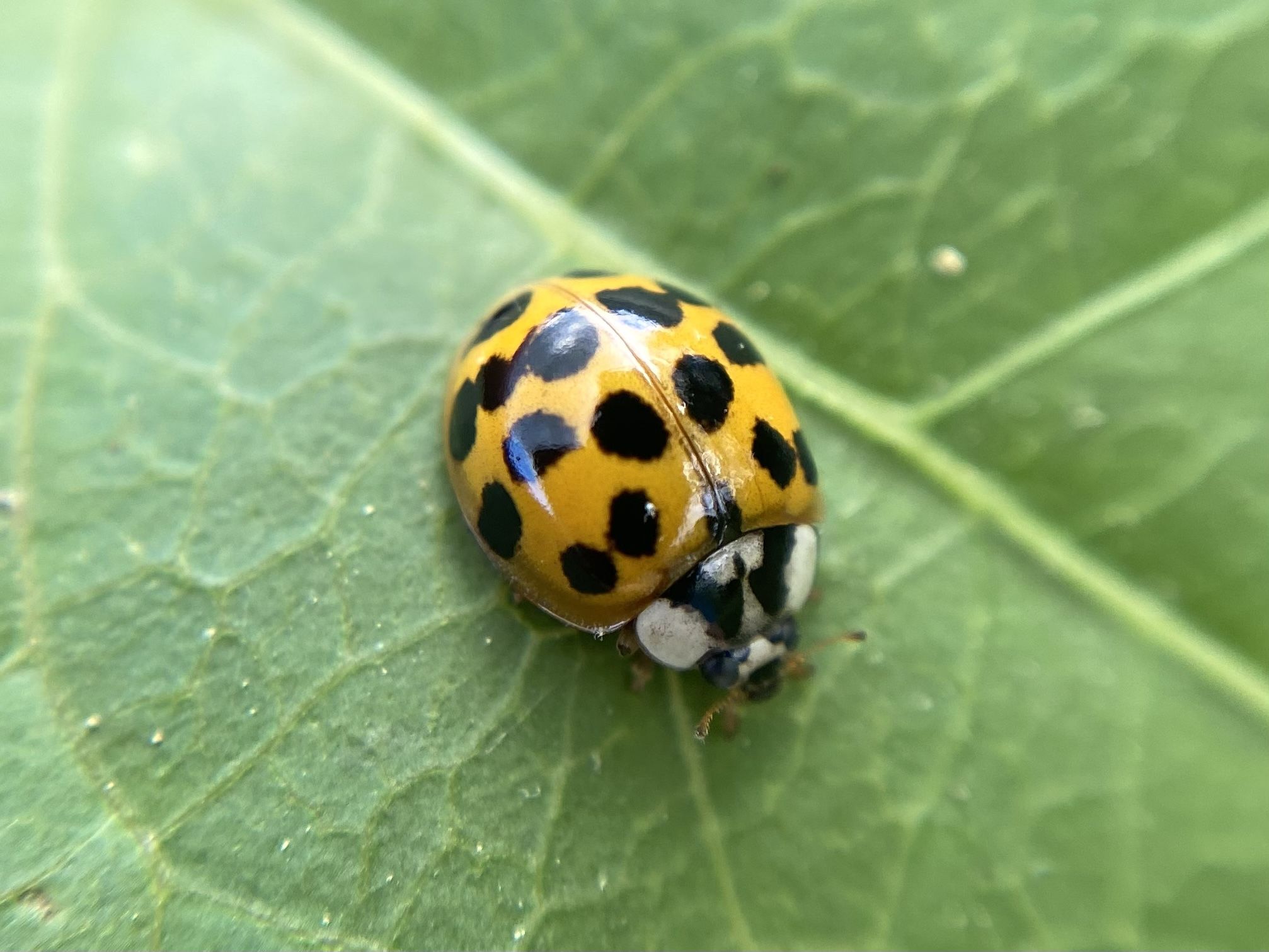
The most successful brands in history are those that have passed the “Longevity Test.” They are the ladybugs that return season after season, welcomed by the gardener because their presence ensures a healthier garden. These brands understand that identity is not just about the spots on your back—it’s about what you do when you land on the leaf.
In an era where consumers are increasingly wary of “invasive” corporate behaviors, the brands that win will be those that prioritize authenticity, utility, and symbiotic growth. By focusing on being the beneficial “Ladybug” in a field full of “Beetles,” you ensure that your brand remains not just seen, but cherished.
aViewFromTheCave is a participant in the Amazon Services LLC Associates Program, an affiliate advertising program designed to provide a means for sites to earn advertising fees by advertising and linking to Amazon.com. Amazon, the Amazon logo, AmazonSupply, and the AmazonSupply logo are trademarks of Amazon.com, Inc. or its affiliates. As an Amazon Associate we earn affiliate commissions from qualifying purchases.