
In the rapidly evolving landscape of personal technology, the term “EDC” has transitioned from a niche hobbyist acronym into a foundational concept for the modern professional. EDC stands for “Everyday Carry.” At its simplest level, it refers to the collection of items you carry in your pockets or bag every single day to meet the demands of your environment. However, when viewed through the lens of technology and productivity, an EDC is much more than a pile of gadgets; it is a curated ecosystem designed to maximize efficiency, ensure digital security, and provide a seamless interface between the physical and digital worlds.
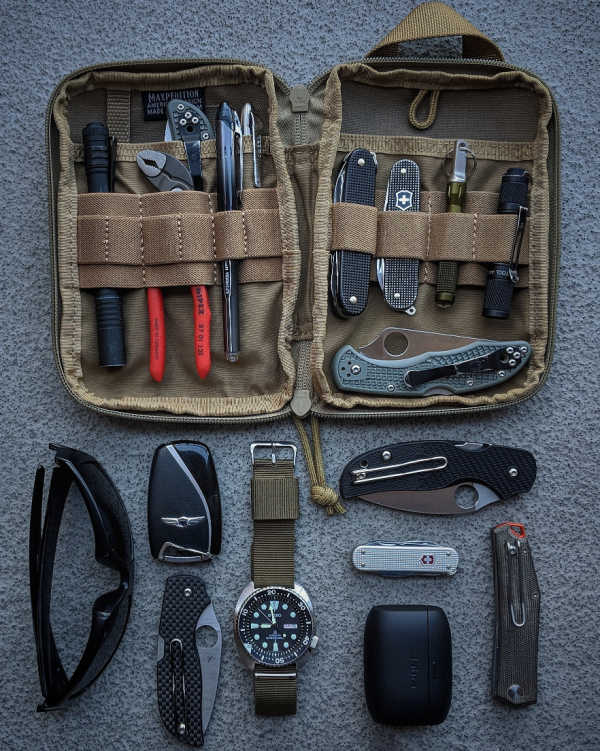
For the tech-savvy individual, an EDC is a carefully selected toolkit that addresses the challenges of a mobile, high-speed existence. Whether you are a software engineer commuting to a collaborative workspace, a creative professional capturing content on the fly, or a digital nomad managing remote servers from a cafe, your EDC represents your preparedness. It is the physical manifestation of your workflow.
Defining EDC in the Digital Age
The history of Everyday Carry is rooted in utility and survival—think of the pocket watches and multi-tools of the past. Today, the definition has shifted toward digital survival and professional resilience. The modern EDC is defined by its ability to solve problems, reduce friction, and provide a backup for critical systems.
From Utility to Tech Ecosystems
The shift from traditional EDC to tech-centric EDC has been driven by the “Swiss Army Knife” nature of the smartphone. While an old-school carry might have prioritized a folding blade or a compass, the modern tech carry focuses on data access, power management, and connectivity. Your EDC is no longer just about physical tasks; it is about maintaining your digital presence and productivity regardless of your location. This involves a shift in mindset from “What do I need to survive the day?” to “What do I need to remain high-functioning and secure in any environment?”
The Philosophy of Preparedness
A well-constructed tech EDC follows the principle of “redundancy without bulk.” This means having the right tools to solve common technical failures—such as a dead battery, a lost internet connection, or a storage shortage—without carrying unnecessary weight. Every gram in a tech EDC must be justified. Professionals who master their EDC often follow a modular approach, allowing them to scale their gear up or down based on the day’s specific requirements. This philosophy ensures that you are never caught without a critical charging cable or a security key, yet you aren’t burdened by hardware you won’t use.
The Hardware Foundation: Essential Tech Gadgets
At the heart of every tech-focused EDC are the hardware components that facilitate our daily interactions with software and the web. These items are the “workhorses” of the kit, selected for their reliability, compatibility, and performance.
The Mobile Command Center: Smartphone Evolution
The smartphone is the undisputed anchor of the modern EDC. However, in a tech-focused carry, the phone is viewed as a modular hub rather than a standalone device. Users often augment their mobile experience with professional-grade accessories. This includes high-capacity, high-speed internal storage and specialized cases that allow for lens attachments or MagSafe-compatible peripherals. The choice of a smartphone for an EDC is often dictated by the ecosystem (iOS vs. Android) and the device’s ability to integrate with other tools, such as serving as a high-fidelity camera or a portable hot-spot.
High-Fidelity Audio and Noise Management
For the modern professional, the ability to control one’s acoustic environment is a prerequisite for focus. Active Noise Canceling (ANC) earbuds or headphones have become a staple of the tech EDC. They serve two purposes: providing a high-quality audio experience for calls and media, and creating a “digital sanctuary” in loud environments like airplanes or open offices. The tech-focused user looks for specific specs here, such as multi-point Bluetooth pairing (the ability to connect to a phone and laptop simultaneously) and high-bitrate codec support for lossless audio.
Portable Power and Fast-Charging Solutions
The most common “point of failure” in a tech-dependent life is power. Consequently, the modern EDC places a massive emphasis on Gallium Nitride (GaN) technology. GaN chargers are significantly smaller and more efficient than traditional silicon-based chargers, allowing a user to carry a single brick that can power a laptop, tablet, and phone simultaneously. Coupled with high-capacity power banks that support USB-C Power Delivery (PD), a robust EDC ensures that you are never tethered to a wall outlet. This “power kit” is often organized in a way that allows for rapid deployment and quick stowing.

The Digital EDC: Securing Your Virtual Pocket
An often-overlooked aspect of Everyday Carry is the “invisible” carry—the digital tools and security measures that protect your information and identity. In an era of increasing cyber threats, your digital EDC is just as important as your physical gadgets.
Hardware Security Keys and Biometrics
Physical security in a tech EDC often involves hardware-based multi-factor authentication (MFA). Devices like YubiKeys or Google Titan keys are essential components for anyone serious about digital security. These small USB or NFC-enabled devices provide a physical layer of protection for accounts, ensuring that even if a password is compromised, the account remains inaccessible without the physical key. This is the tech equivalent of a high-security deadbolt for your digital life.
The Essential Software Stack
Your digital EDC also includes the software tools that are always active on your mobile devices. This includes:
- Password Managers: Ensuring that complex, unique passwords are available across all devices.
- VPN Services: Protecting data integrity when connecting to public Wi-Fi networks.
- Encrypted Cloud Storage: Providing access to critical documents and backups from any location.
- Offline Mapping and Productivity Apps: Ensuring that work can continue even when data signals are weak.
The goal of the digital EDC is to minimize the “time to task,” allowing the user to transition from an idea to execution with as few clicks as possible.
Organizational Frameworks for Your Gear
As the number of gadgets in an EDC grows, organization becomes a critical challenge. A “tech mess” of tangled cables and loose adapters is the antithesis of a functional EDC.
Tech Pouches and Cable Management
The “pouch within a bag” system is the gold standard for tech organization. By using specialized tech organizers, users can keep their cables, dongles, and small peripherals in a dedicated, padded space. This modularity allows the user to move their entire tech stack from a commuter backpack to a messenger bag or even a carry-on suitcase in seconds. Within these pouches, cable management tools—like magnetic ties or elastic loops—prevent the wear and tear that leads to hardware failure.
The EDC Bag: Form Meets Function
The bag itself is the chassis that holds the EDC together. Modern tech bags are designed with specific compartments for laptops (often suspended to protect from drops), tablets, and power banks. Key features of a high-end tech EDC bag include weather-resistant materials (like X-Pac or Cordura), waterproof zippers, and external charging ports. The ergonomics of the bag are also vital, as carrying a high-tech EDC can result in significant weight; load-lifters and breathable back panels are essential for long-term comfort.
The Future of EDC: AI and Wearable Tech
The concept of the EDC is not static. As technology becomes more integrated into our lives, the “carry” is becoming more intimate and less intrusive.
Wearable Integration
We are seeing a move from “handheld” to “wearable.” Smartwatches have already offloaded many smartphone tasks to the wrist, including notifications, health tracking, and mobile payments. The next frontier of the tech EDC involves Augmented Reality (AR) glasses and smart rings. These devices aim to provide the utility of a screen or an interface without the need to reach into a pocket. In the future, a “minimalist” EDC might consist entirely of wearable tech that provides a constant, heads-up display of information.
AI-First Hardware
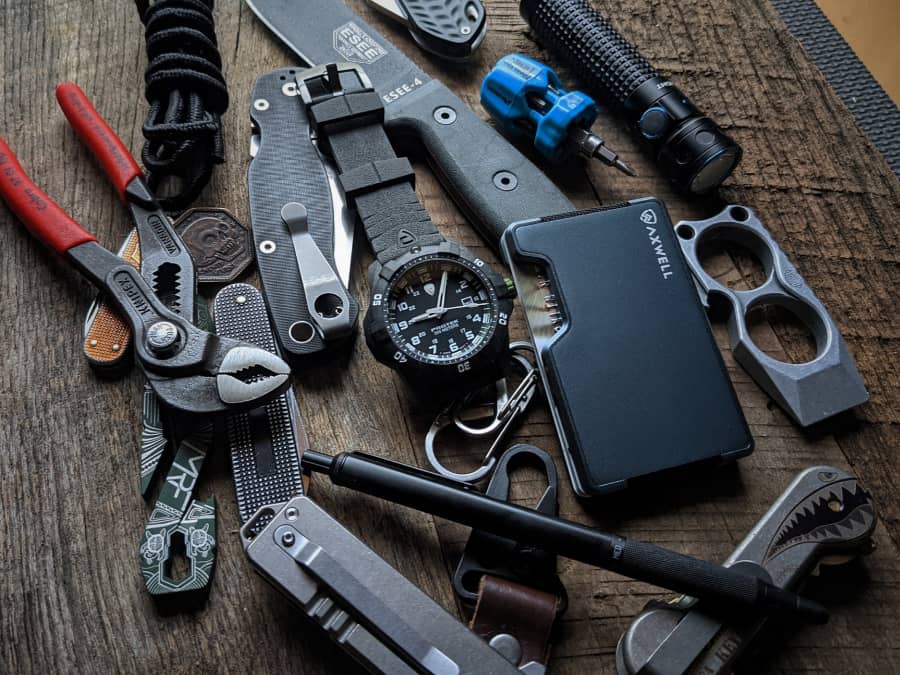
The rise of generative AI is beginning to influence EDC hardware. We are seeing the emergence of AI-specific “pocket companions”—devices designed to act as a physical interface for large language models. While the smartphone currently handles these tasks, the development of dedicated AI hardware suggests a future where our EDC includes a device optimized for voice-commanded productivity and real-time environment analysis.
Ultimately, an EDC is a personal reflection of one’s relationship with technology. It is a system built on the pillars of utility, security, and organization. By carefully selecting the gadgets, digital tools, and carrying solutions that make up your EDC, you transform your technology from a collection of distractions into a powerful, cohesive engine for professional and personal success. Whether you are a minimalist carrying only a phone and a key or a power user with a fully stocked tech pouch, the goal remains the same: to be prepared for the digital demands of today and the technological shifts of tomorrow.
aViewFromTheCave is a participant in the Amazon Services LLC Associates Program, an affiliate advertising program designed to provide a means for sites to earn advertising fees by advertising and linking to Amazon.com. Amazon, the Amazon logo, AmazonSupply, and the AmazonSupply logo are trademarks of Amazon.com, Inc. or its affiliates. As an Amazon Associate we earn affiliate commissions from qualifying purchases.