
When we look at a modern cruise ship, we often see a marvel of engineering—a sprawling resort capable of carrying thousands of people across oceans. However, through the lens of business finance and institutional investing, a cruise ship is something else entirely: it is one of the most expensive mobile assets on the planet. For major cruise lines like Carnival Corporation, Royal Caribbean Group, and Norwegian Cruise Line Holdings, the decision to commission a new vessel is a multi-billion dollar gamble that requires sophisticated financial modeling and long-term capital management.
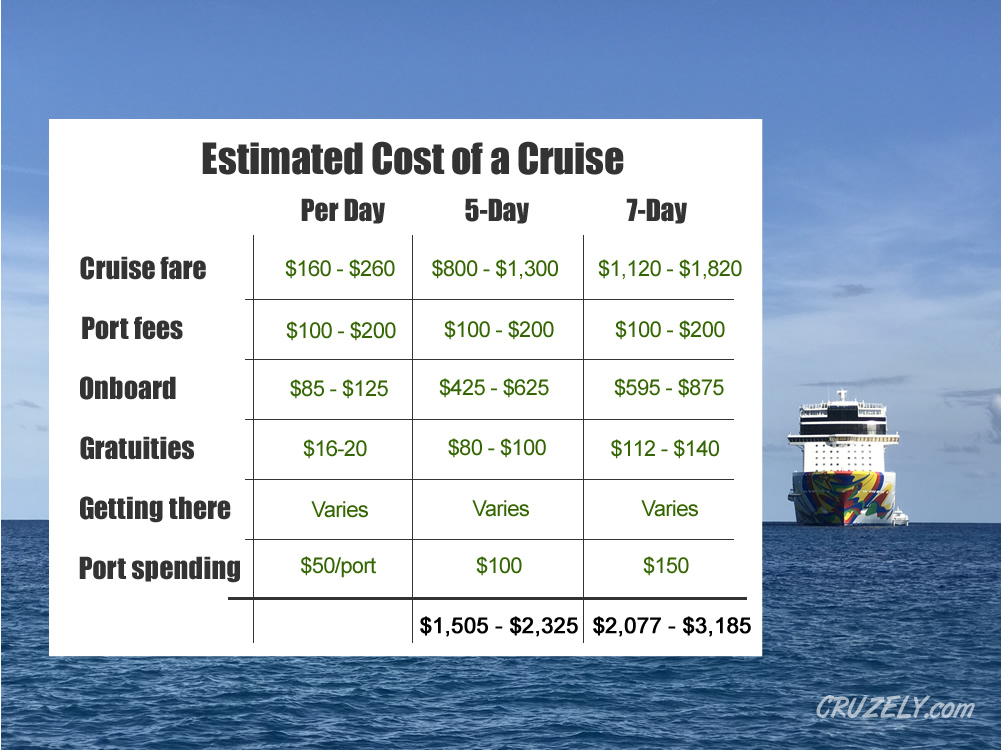
To understand how much a cruise ship costs, one must look beyond the initial sticker price. The financial lifecycle of a vessel involves massive capital expenditure (CAPEX), complex international financing structures, and staggering daily operational expenses (OPEX).
The Billion-Dollar Hull: Breaking Down Capital Expenditure
The price tag for a modern cruise ship is comparable to the GDP of a small nation. While a small, expedition-style ship might cost $100 million, the industry’s “mega-ships” routinely cross the billion-dollar threshold. For example, Royal Caribbean’s Icon of the Seas reportedly cost approximately $2 billion to bring to life.
Size, Class, and Scale Economics
The primary driver of cost is size, measured in gross tonnage (GT). A larger ship requires more steel, more advanced propulsion systems, and more labor hours. However, from a business finance perspective, “bigger” is often “better” due to economies of scale. A ship that holds 6,000 passengers does not cost twice as much to build or operate as a ship that holds 3,000 passengers, yet its revenue potential is doubled. This financial efficiency is why the industry has trended toward increasingly larger vessels over the last two decades.
Customization and Luxury Amenities
The cost is also driven by what is inside the hull. Modern ships are no longer just transportation; they are floating theme parks. The integration of high-tech theaters, water parks, multi-level go-kart tracks, and complex “neighborhood” structures adds hundreds of millions to the final bill. Every square foot must be optimized for revenue generation, and the specialized engineering required to place a massive pool on the top deck of a moving vessel adds a premium to the construction costs.
Shipbuilding Yards and Global Economics
There are only a handful of shipyards in the world—primarily in Europe (such as Meyer Werft in Germany, Chantiers de l’Atlantique in France, and Fincantieri in Italy)—capable of building these behemoths. Because the supply of shipyards is limited and the demand is high, these yards command immense pricing power. Furthermore, the cost is susceptible to the volatility of raw material prices, such as high-grade marine steel, and the fluctuating strength of the Euro against the US Dollar.
Financing the High Seas: The Macroeconomics of Maritime Investment
Very few companies have $1 billion in liquid cash to pay for a ship upfront. Instead, the cruise industry relies on sophisticated financial tools and debt structures to fund their fleets. This is where the world of “Big Money” meets the maritime world.
Export Credit Agencies (ECAs)
The backbone of cruise ship financing is the Export Credit Agency. European governments, eager to support their domestic shipbuilding industries and protect jobs, provide subsidized financing or loan guarantees to cruise lines. This allows cruise companies to secure loans with lower interest rates than they might find on the open market. This symbiotic relationship between governments and corporations is what allows the industry to continue growing even during periods of high global interest rates.
Debt Structures and Interest Coverage
Cruise lines typically operate with high debt-to-equity ratios. When a new ship is commissioned, the company usually pays 20% during the construction phase and finances the remaining 80% upon delivery. The financial health of a cruise line is often judged by its “interest coverage ratio”—its ability to pay the interest on its massive debt using its operating cash flow. Investors watch these figures closely, as a single poorly performing ship can drag down the financial stability of the entire corporation.
Depreciation and Asset Management
From an accounting perspective, a cruise ship is a depreciating asset with a lifespan of approximately 25 to 30 years. However, unlike a car, a ship can be “refurbished” to extend its earning life. Business finance teams must calculate the optimal time to sell an older vessel to a secondary market (such as smaller, budget-focused cruise lines) to maximize the “salvage value” and transition the capital into a newer, more efficient asset.
Operational Costs: The Daily Burn Rate of a Floating Resort
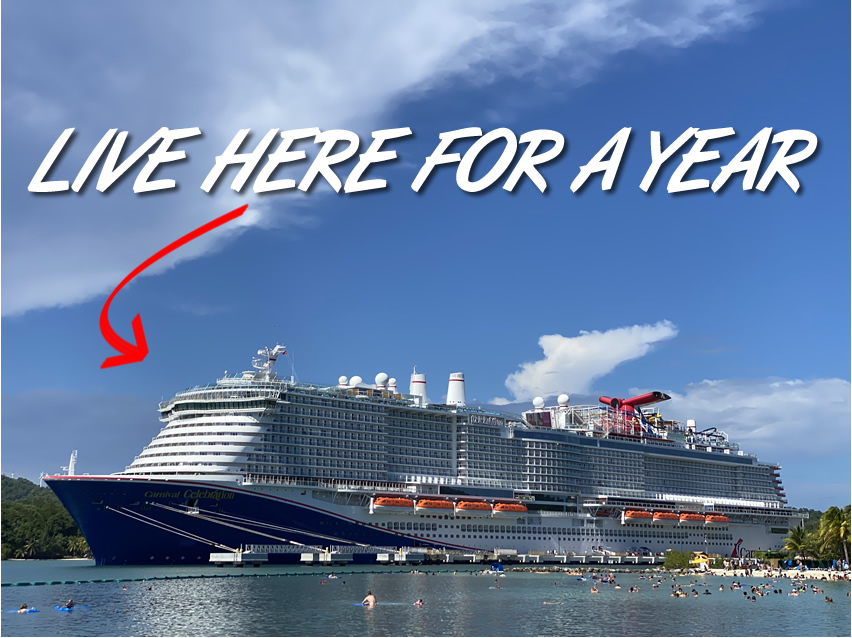
Once the ship is delivered, the financial challenge shifts from CAPEX to OPEX. Running a cruise ship is equivalent to running a mid-sized city, and the daily “burn rate” is astronomical. It is estimated that a large cruise ship costs between $500,000 and $1,000,000 per day to operate.
Fuel and Energy Management
Fuel is typically the largest or second-largest operating expense for a cruise line. A single ship can consume hundreds of tons of fuel per day. In recent years, the industry has faced financial pressure to pivot toward Liquefied Natural Gas (LNG) and other “green” technologies. While LNG reduces environmental impact, the infrastructure and fuel itself often come at a premium, requiring companies to utilize sophisticated fuel hedging—a financial strategy where they lock in fuel prices months or years in advance to protect against market volatility.
Staffing and Payroll Logistics
A mega-ship requires a crew of 1,500 to 2,300 people. Managing the payroll for a multinational workforce involves complex tax considerations and international maritime labor laws. Beyond salaries, the cruise line must cover the “hotel costs” for the crew, including food, medical care, and housing, which adds a significant layer to the daily operational budget.
Supply Chain and Provisions
The logistics of feeding 6,000 guests and 2,000 crew members are a masterclass in business finance and supply chain management. Every week, a ship must be restocked with thousands of pounds of protein, produce, and beverages. Because storage space is finite and food is perishable, any inefficiency in the supply chain directly impacts the bottom line. Cruise lines use advanced inventory management software to track consumption patterns down to the ounce to minimize waste and maximize margin.
Revenue Models: Recouping the Multi-Billion Dollar Investment
To justify a $1 billion investment, a ship must be a cash-generating machine. The financial strategy of a cruise line is divided into two distinct categories: ticket revenue and onboard revenue.
Ticket Sales vs. Onboard Revenue
In many cases, the price of a cruise ticket barely covers the operational costs of the voyage. The real profit—the “net margin”—is found in onboard spending. This includes specialty dining, alcoholic beverages, casino gambling, shore excursions, and spa treatments. Financial analysts in the cruise industry focus heavily on “Net Yield,” which measures the revenue earned per passenger cruise day after deducting certain variable costs.
Dynamic Pricing and Financial Tools
Cruise lines use the same “yield management” strategies as airlines. Prices fluctuate based on demand, seasonality, and booking lead times. By using AI-driven pricing tools, cruise lines ensure that the ship sails at 100% capacity or higher (using 3rd and 4th berths in cabins). In the world of business finance, an empty cabin is a “perished” asset—it represents revenue that can never be recovered.
Ancillary Income and Partnerships
Beyond direct passenger spending, cruise lines generate income through corporate partnerships. This includes everything from exclusive pouring rights with soda companies to “shopping programs” where port-side jewelry stores pay commissions to the cruise line for referring passengers. These ancillary streams are high-margin and provide a crucial cushion for the company’s overall financial performance.
The Bottom Line
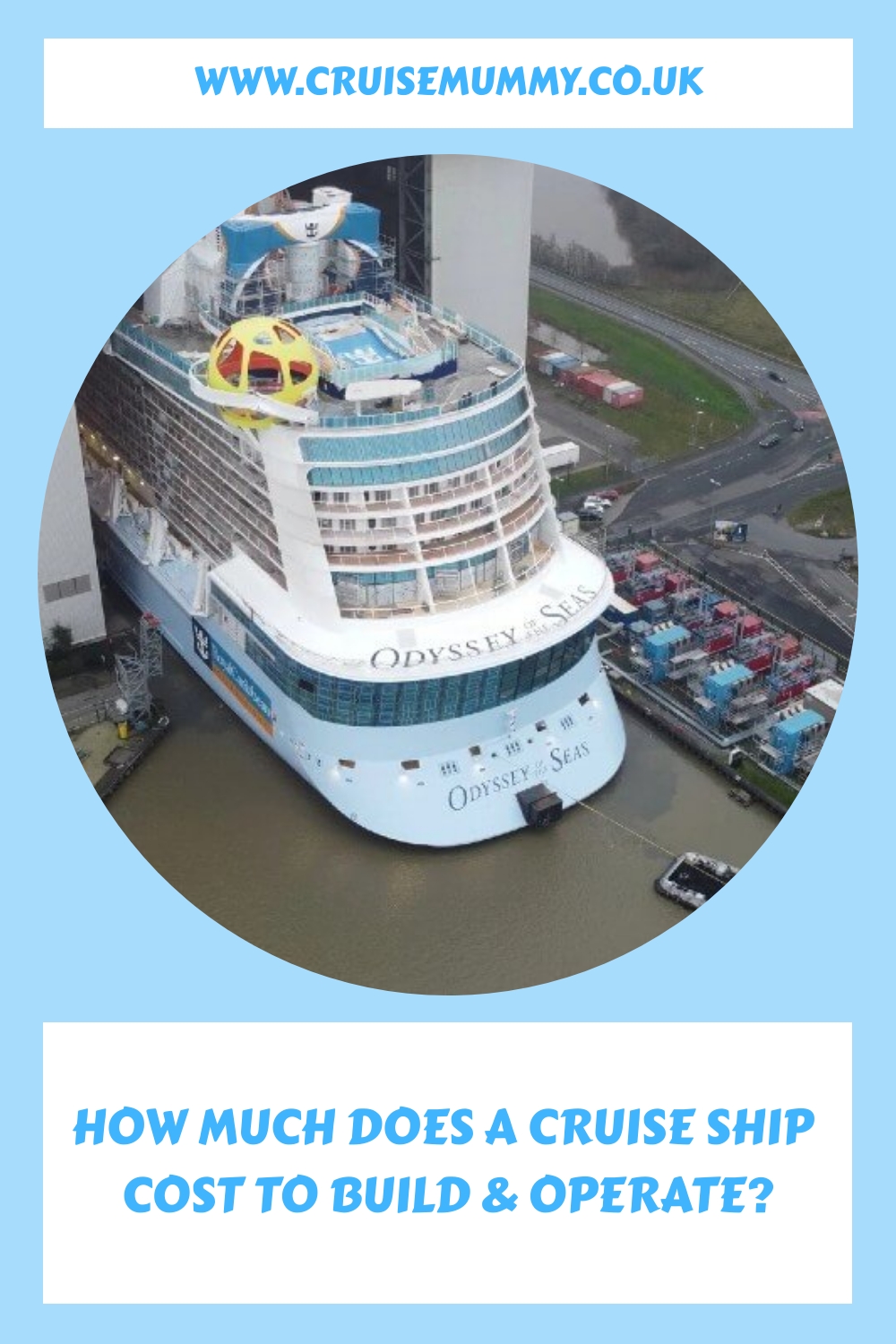
When asking “how much does a cruise ship cost,” the answer is a moving target. The $1 billion spent at the shipyard is merely the entry fee into a high-stakes, capital-intensive industry. The true cost includes the millions spent on debt servicing, the hundreds of thousands spent daily on fuel and labor, and the constant reinvestment required to keep the asset competitive.
For the investor or business enthusiast, the cruise industry represents one of the most complex examples of business finance in the modern world. It is an industry where massive physical assets must be balanced against volatile commodity prices, international regulations, and the ever-changing whims of consumer discretionary spending. Ultimately, a cruise ship is more than just a vacation destination; it is a billion-dollar financial ecosystem floating on the open sea.
aViewFromTheCave is a participant in the Amazon Services LLC Associates Program, an affiliate advertising program designed to provide a means for sites to earn advertising fees by advertising and linking to Amazon.com. Amazon, the Amazon logo, AmazonSupply, and the AmazonSupply logo are trademarks of Amazon.com, Inc. or its affiliates. As an Amazon Associate we earn affiliate commissions from qualifying purchases.