
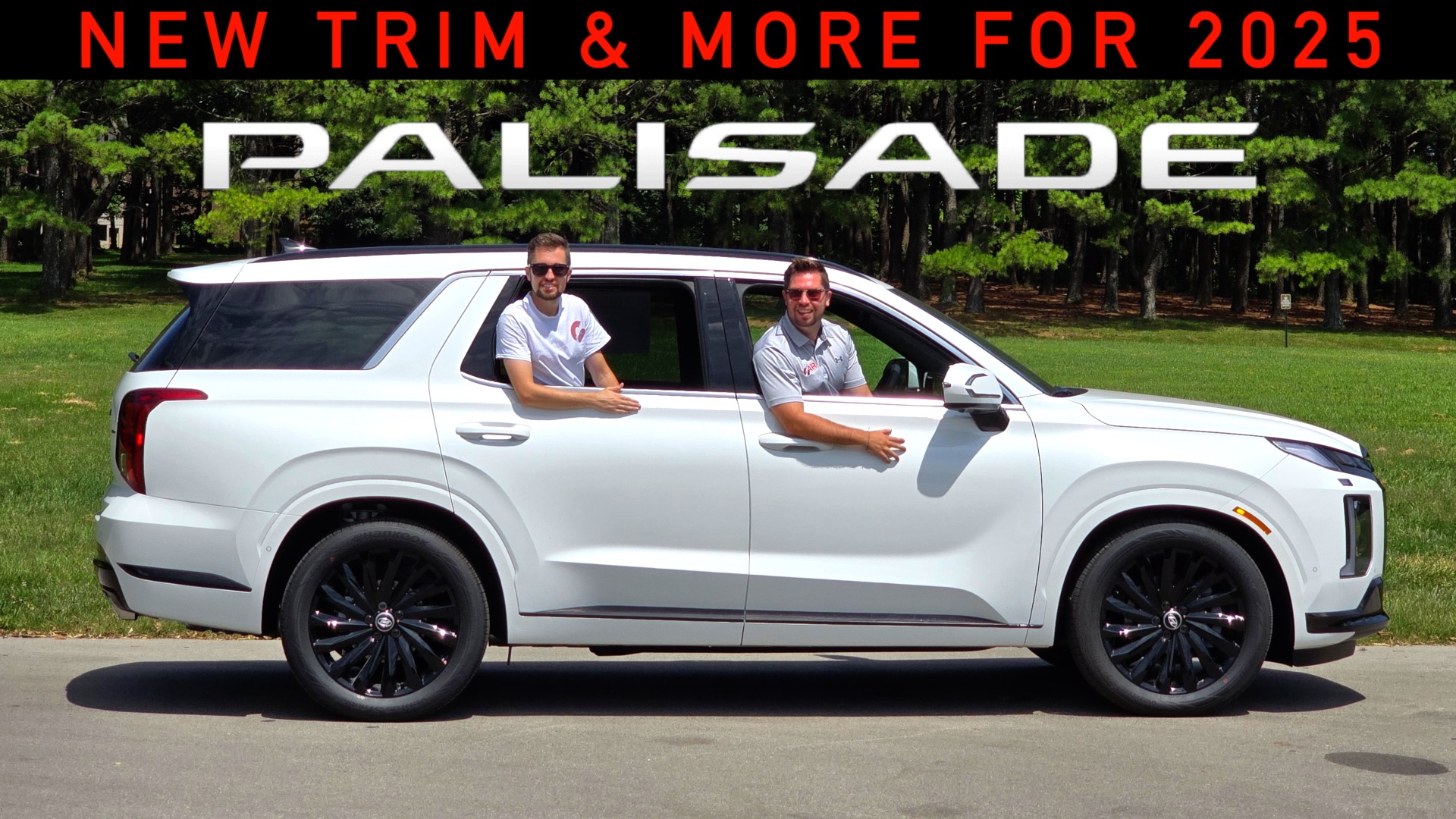
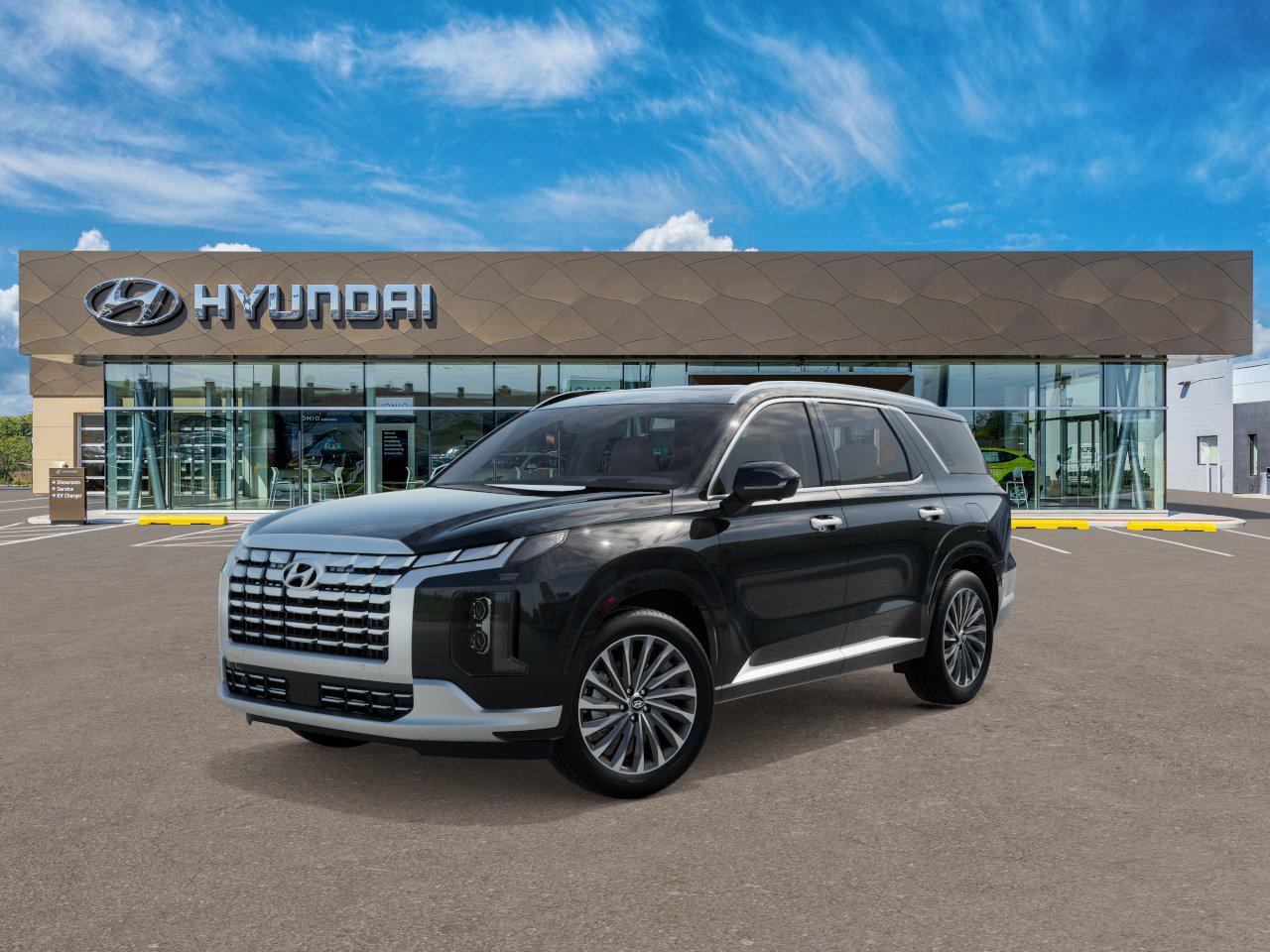
The automotive landscape is currently undergoing a tectonic shift, moving away from traditional mechanical engineering toward a future defined by software-defined vehicles (SDVs). As Hyundai prepares to launch the 2025 Palisade Calligraphy, the flagship trim of its most popular three-row SUV, the focus is squarely on technological integration. The Calligraphy trim has always represented the zenith of the model’s capabilities, but for 2025, the changes are not merely cosmetic. They represent a fundamental overhaul of the vehicle’s digital nervous system, aiming to bridge the gap between luxury transportation and high-performance computing.

The Evolution of the Software-Defined Vehicle Architecture
The most significant change for the 2025 Palisade Calligraphy lies beneath the surface in its electronic control architecture. Hyundai is transitioning the Palisade toward a centralized computing model, a hallmark of the modern software-defined vehicle. Historically, vehicles relied on dozens of independent Electronic Control Units (ECUs) to manage everything from seat heaters to engine timing. The 2025 model streamlines this with a more integrated approach, allowing for faster data processing and more cohesive system behavior.
Enhanced Over-the-Air (OTA) Update Infrastructure
For the 2025 model year, the Palisade Calligraphy will feature an expanded Over-the-Air (OTA) update capability. While previous iterations allowed for navigation and infotainment updates, the new architecture extends this to the vehicle’s core operating systems. This means that suspension tuning, braking response, and power delivery profiles can be optimized via cloud-based software patches. For the tech-savvy owner, this transforms the vehicle into an evolving piece of hardware that improves over its lifecycle, much like a smartphone or a high-end laptop.
The Next Iteration of the ccNC Infotainment System
The “connected car Navigation Cockpit” (ccNC) is set for a major hardware and software refresh in the 2025 Calligraphy. The system will move to a more powerful processor, likely a version of the NVIDIA DRIVE platform, to handle the increased graphical demands of a revamped User Interface (UI). Users can expect a more fluid experience with zero latency when switching between applications. Crucially, the 2025 model is expected to finalize the transition to wireless integration for Apple CarPlay and Android Auto across all screen sizes, removing the tethering limitations that frustrated users of previous high-end trims.
Advanced Driver Assistance Systems (ADAS) and AI Integration
The 2025 Palisade Calligraphy is positioned to be a showcase for Hyundai’s latest advancements in automated safety and convenience. The tech suite is moving beyond reactive safety—braking when a collision is imminent—to proactive, AI-driven environment mapping.
Level 2+ Autonomous Driving and Smart Cruise Control
The Calligraphy trim will debut an updated version of Highway Driving Assist (HDA). While current systems offer robust lane-centering and adaptive cruise control, the 2025 iteration leverages high-definition mapping data and a more sophisticated array of sensors, including improved radar and high-resolution cameras. This “Level 2+” system is designed to handle more complex highway maneuvers, such as automated lane changes with greater precision and better handling of “cut-in” vehicles. The AI algorithms governing these movements have been trained on more diverse datasets, allowing the vehicle to mimic human driving patterns more naturally, reducing the “robotic” feel of automated braking and acceleration.
AI-Driven Health and Safety Monitoring
A new addition to the 2025 Calligraphy’s tech stack is an advanced Driver Monitoring System (DMS). Using an infrared camera mounted on the steering column, the system uses computer vision to track eye movement, head position, and even eyelid closure patterns. If the AI detects signs of fatigue or distraction, it doesn’t just sound an alarm; it can proactively adjust the climate control to a cooler temperature, increase the haptic feedback through the steering wheel, and suggest the nearest rest stop via the navigation system. This integration of biometric data and vehicle response represents a significant leap in cabin safety technology.
The Digital Cockpit and User Interface Design
The interior of the 2025 Palisade Calligraphy is being redesigned to function as a digital sanctuary. The focus here is on “phygital” design—the seamless blend of physical luxury and digital utility. The displays are larger, sharper, and more integrated into the dashboard’s aesthetic.
High-Resolution Display Arrays and Augmented Reality HUDs
Speculation and early leaks suggest the 2025 Calligraphy will move toward a monolithic curved display housing both the instrument cluster and the infotainment hub. These displays are expected to utilize OLED technology, providing the deep blacks and high contrast ratios necessary for legibility in direct sunlight. Furthermore, the Head-Up Display (HUD) is receiving a massive technical upgrade. The new Augmented Reality (AR) HUD will project navigation cues directly onto the driver’s field of vision, overlaying directional arrows onto the actual road surface. This reduces cognitive load, as the driver no longer needs to glance away from the road to interpret a 2D map.
Biometric Authentication and Digital Key 2 Touch
The 2025 Palisade Calligraphy will further embrace biometric security. A fingerprint scanner, located on the center console, will allow for driver profile selection and secure engine start. This tech eliminates the need for a physical key or even a smartphone in certain scenarios. However, for those who prefer mobile integration, Hyundai’s Digital Key 2 will be standard. Utilizing Ultra-Wideband (UWB) technology, the vehicle can detect an authorized iPhone, Apple Watch, or Samsung Galaxy device from several feet away, automatically unlocking the doors and adjusting the seat, mirrors, and climate settings before the driver even touches the handle.
Connectivity and the Internet of Things (IoT) Ecosystem
As we move into 2025, the vehicle is no longer an isolated island; it is a node in the broader Internet of Things (IoT). The Palisade Calligraphy is designed to be the command center for the user’s digital life, extending its reach far beyond the driveway.
Seamless Smartphone Integration and In-Car Payment Systems
The 2025 model will feature an enhanced version of Hyundai Home, allowing drivers to control smart home devices directly from the infotainment screen or via voice commands. You can turn on your home’s air conditioning, check if the garage door is closed, or dim the lights while still miles away. Additionally, the introduction of Hyundai Pay will allow for seamless, secure transactions for fuel, parking, and even coffee. By integrating payment credentials into the vehicle’s secure enclave, the Calligraphy becomes a mobile wallet, using biometric authentication to authorize transactions without the driver ever reaching for a credit card.
The Transition to NACS and Electric-Ready Architecture
While the 2025 Palisade remains primarily an internal combustion or hybrid-capable platform, the technological changes are preparing it for the electric era. This includes the integration of more sophisticated energy management software and, potentially, the adoption of the North American Charging Standard (NACS) ports for future hybrid variants. The thermal management tech for the onboard electronics has also been upgraded, ensuring that the high-performance processors required for the ADAS and infotainment systems do not throttle under heat, maintaining peak performance during long summer drives.
5G Connectivity and the Future of Data
To support this massive influx of data, the 2025 Palisade Calligraphy will be equipped with a 5G-capable modem. This ensures that high-bandwidth tasks, such as streaming high-definition video to the rear-seat entertainment screens or downloading large OTA updates, happen at lightning speeds. The 5G connection also enables V2X (Vehicle-to-Everything) communication readiness. While the infrastructure for V2X is still in its infancy, the 2025 Palisade is being built with the hardware necessary to eventually communicate with smart traffic lights and other connected vehicles to optimize traffic flow and prevent accidents at intersections.
The 2025 Palisade Calligraphy is more than a mid-cycle refresh; it is a technological pivot point. By prioritizing software integration, AI-driven safety, and high-fidelity user interfaces, Hyundai is ensuring that its flagship SUV remains competitive in a market where “luxury” is increasingly defined by the quality of the digital experience rather than just the quality of the leather. For the tech enthusiast, the 2025 changes represent a sophisticated leap toward a more connected, autonomous, and intuitive driving future.
aViewFromTheCave is a participant in the Amazon Services LLC Associates Program, an affiliate advertising program designed to provide a means for sites to earn advertising fees by advertising and linking to Amazon.com. Amazon, the Amazon logo, AmazonSupply, and the AmazonSupply logo are trademarks of Amazon.com, Inc. or its affiliates. As an Amazon Associate we earn affiliate commissions from qualifying purchases.