
In the era of the smart home, the humble act of washing bed linens has transitioned from a mundane chore into a sophisticated exercise in software engineering and sensor technology. When a user approaches a modern high-efficiency (HE) washing machine and selects a setting for sheets, they are not merely turning a mechanical dial; they are initiating a complex sequence of algorithmic logic designed to balance mechanical stress, thermal energy, and chemical distribution. Understanding the technology behind these settings is essential for anyone looking to optimize both the longevity of their textiles and the efficiency of their smart home ecosystem.
The Evolution of the Wash Cycle: From Mechanical Timers to Logic-Based Algorithms
The history of washing machine technology has moved through several distinct eras, culminating in the microprocessor-controlled units we use today. Early automatic washers relied on cam timers—mechanical devices that physically opened and closed electrical contacts to control the motor and water valves. These machines had a “Bedding” or “Sheets” setting that was little more than a predetermined duration of agitation and a specific water level.
Today, the “Sheets” setting is governed by what engineers call “Fuzzy Logic.” This is a mathematical approach that allows the machine to process imprecise data—such as the exact weight of a load of sheets or the rate of water absorption—and translate it into a precise operational plan. When you select the sheets cycle, the machine’s internal controller (MCU) begins a series of “sensing” movements. By monitoring the torque required to rotate the drum, the machine calculates the mass of the dry linens.
Sensor Fusion and Load Detection
Modern washing machines utilize a suite of sensors to ensure that sheets, which are prone to tangling and “balling up,” are cleaned effectively. Pressure sensors monitor water levels with millimeter precision, while 3D vibration sensors (accelerometers) detect if the load has become unbalanced. Sheets are particularly challenging because their large surface area allows them to trap air and water, creating a heavy, asymmetrical mass during the spin cycle.
The software architecture of a high-end washer includes “Out-of-Balance” (OOB) detection algorithms. If the sensor detects a vibration frequency that suggests the sheets have clumped together, the software interrupts the high-speed spin and initiates a series of “showering” and “tumbling” maneuvers to redistribute the mass. This is a far cry from the mechanical washers of the past, which would simply “walk” across the floor or damage their internal suspension when faced with an unbalanced load of heavy bedding.
The Engineering of the “Bulky/Bedding” Cycle
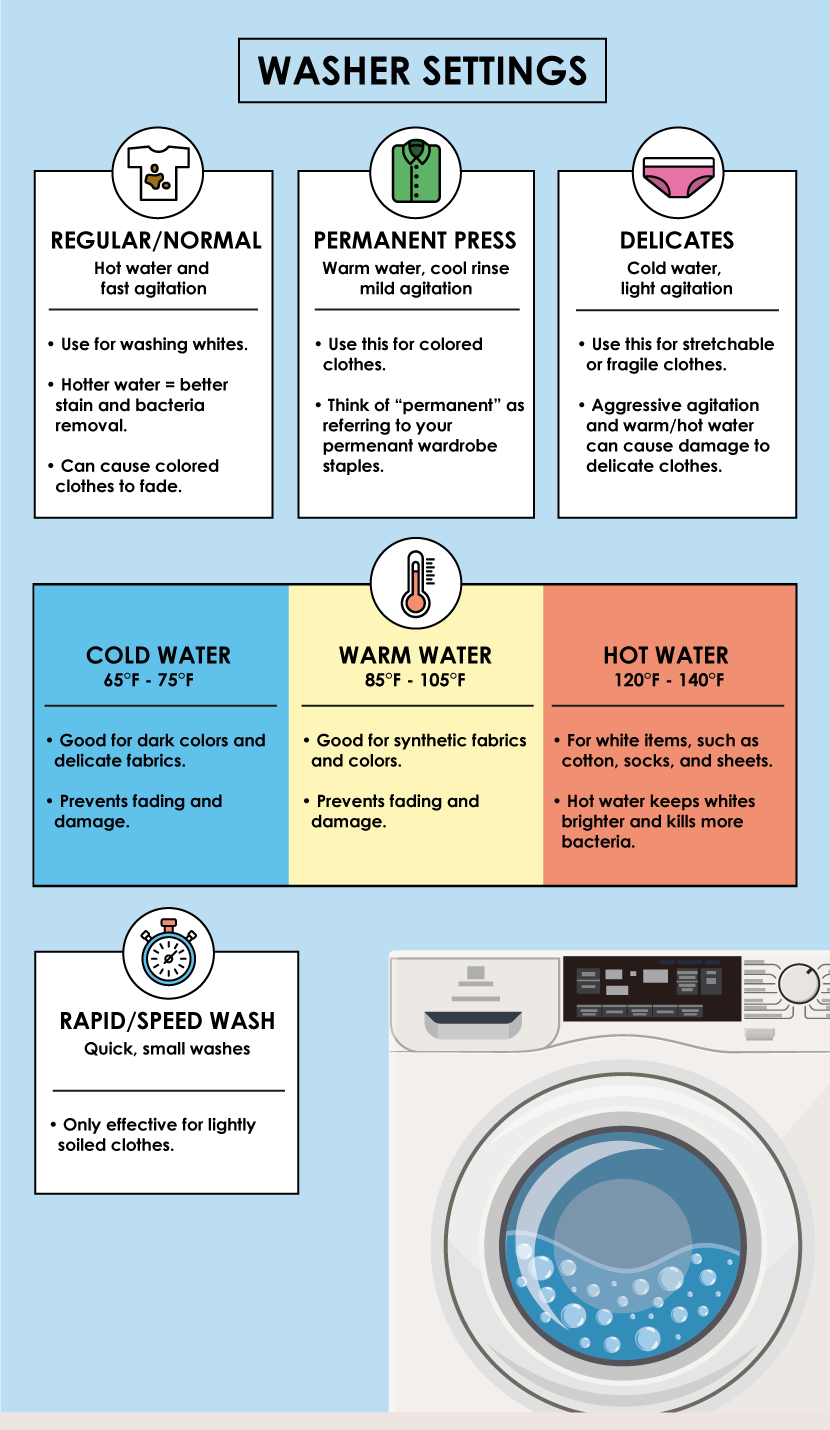
The specific “Bedding” or “Sheets” setting on a digital interface is programmed to handle the unique physics of large fabric items. Unlike a “Normal” cycle, which might use high-speed agitation to scrub dirt from denim or cotton t-shirts, the bedding cycle often utilizes a deeper water level (even in HE machines) to ensure the sheets can move freely.
The software limits the spin speed to a medium setting (typically 600-800 RPM) to prevent the fabric from being pressed so tightly against the drum that deep wrinkles are “set” into the fibers. Furthermore, the agitation profile is modified to include longer pauses and specific “wash plate” or “impeller” movements that prevent the sheets from twisting into a tight rope, a phenomenon known in the appliance industry as “roping.”
Smart Home Integration and Mobile Ecosystems
As the Internet of Things (IoT) matures, the setting you choose for your sheets is increasingly integrated into a broader digital ecosystem. Major manufacturers like LG, Samsung, and Miele have developed proprietary platforms (such as ThinQ and SmartThings) that allow users to download specialized cycles that go beyond the factory presets.
Remote Diagnostics and Cycle Customization via App
If a user has high-thread-count Egyptian cotton sheets or delicate silk linens, the standard “Sheets” button on the physical machine may not be the optimal tech solution. Through a connected app, users can access “Cloud Cycles”—software patches that adjust the wash parameters for specific fabric types. These apps use data analytics to suggest the best cycle based on local water hardness and the specific model of the machine.
Furthermore, these smart systems utilize remote diagnostics. If a machine struggles to drain during a bedding cycle, it can send a push notification to the user’s smartphone or even a diagnostic report to the manufacturer’s service center. This level of connectivity ensures that the hardware is always running the most efficient software version, often updated over-the-air (OTA) to improve energy ratings or cleaning performance.
Over-the-Air (OTA) Updates for Washing Hardware

One of the most significant shifts in appliance technology is the ability for hardware to improve after it has been installed in the home. Just as a smartphone receives OS updates, modern smart washers can receive firmware updates that refine the logic of the “Sheets” setting. For instance, a manufacturer might discover that a specific motor modulation reduces wear on linen fibers by 15%. This update can be pushed to all connected machines, effectively “upgrading” the washer’s performance without requiring a hardware replacement.
AI-Driven Fabric Recognition and Precision Cleaning
The cutting edge of laundry technology lies in Artificial Intelligence and Deep Learning. Recent flagship models have begun incorporating AI DD (Artificial Intelligence Direct Drive) technology. These machines do not just weigh the load; they analyze the “softness” or “stiffness” of the fabric.
Deep Learning in Laundry Tech
When a load of sheets is placed in an AI-enabled washer, the machine performs a series of micro-movements to assess the fabric’s resistance and weight. It compares this data against a database of over 20,000 wash patterns. If the AI determines the sheets are lightweight microfiber, it will select a gentle tumbling pattern. If it identifies heavy, high-denier cotton, it will increase the intensity of the wash strokes. This prevents the “over-processing” of fabrics, which is the primary cause of pilling and thinning in bed linens.
The Role of Computer Vision
While still in the early stages of consumer adoption, some laboratory-grade appliances are experimenting with computer vision. High-definition cameras inside the drum, coupled with image-recognition software, can identify specific items—such as a duvet cover versus a flat sheet—and adjust the water jets to target areas where stains are most likely to accumulate. This represents the ultimate convergence of hardware engineering and software intelligence.
Sustainable Tech: Optimizing Energy and Water Through Software
In the current global climate, the technology of the “Sheets” setting is also a matter of resource management. High-efficiency machines are designed to meet strict regulatory standards, such as Energy Star ratings, which dictate how much water and electricity can be used.
Variable Frequency Drives and Motor Efficiency
The heart of the modern washer is the Brushless DC (BLDC) motor, often controlled by a Variable Frequency Drive (VFD). Unlike older motors that were either “on” or “off,” a VFD allows the software to control the motor’s speed and torque with incredible granularity. During a sheet cycle, the VFD can ramp up speed slowly to avoid power spikes and can maintain the exact RPM needed for optimal centrifugal water extraction. This digital control reduces energy consumption by up to 30% compared to traditional induction motors.
Recirculation Systems and Steam Injection Technology
Many high-end “Sheets” settings now include a steam phase. This is not just a marketing gimmick; it is a thermal engineering solution. By injecting steam into the drum, the machine can raise the temperature of the fabric more quickly and evenly than by heating a large volume of water. Steam molecules move faster and penetrate fabric fibers more deeply than liquid water, allowing for the breakdown of allergens and dust mites at a microscopic level.
Additionally, sophisticated recirculation pumps take water from the bottom of the tub and spray it back over the top of the sheets. This “jet spray” technology ensures that even the innermost layers of a bunched-up sheet are saturated with detergent-rich water, optimizing the chemical reaction without needing to fill the entire tub.

The Future of Household Robotics and Automated Fabric Care
As we look toward the next decade, the “washer setting for sheets” will likely disappear as a manual choice entirely. We are moving toward a “set and forget” model where the machine handles the entire lifecycle of fabric care. Integrated sensors will detect the presence of RFID tags in smart textiles, automatically informing the washer of the sheet’s material, age, and manufacturer-recommended wash temperature.
The goal of this technological evolution is the preservation of value. Bedding is a significant investment for many households, and the sophisticated software inside modern appliances is the primary defense against the degradation of those assets. By utilizing advanced algorithms, AI-driven fabric sensing, and precision motor control, modern laundry technology ensures that the simple act of washing sheets is performed with the highest possible level of care and efficiency. In the landscape of the modern smart home, the washing machine has truly become a high-performance computer dedicated to the science of clean.
aViewFromTheCave is a participant in the Amazon Services LLC Associates Program, an affiliate advertising program designed to provide a means for sites to earn advertising fees by advertising and linking to Amazon.com. Amazon, the Amazon logo, AmazonSupply, and the AmazonSupply logo are trademarks of Amazon.com, Inc. or its affiliates. As an Amazon Associate we earn affiliate commissions from qualifying purchases.