
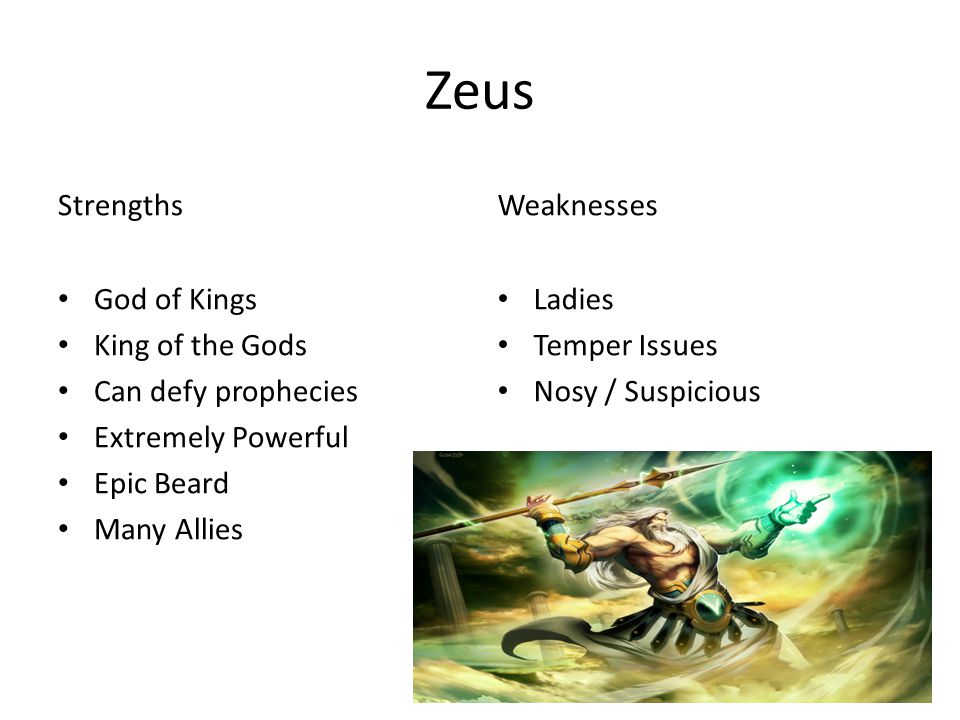
In the pantheon of brand strategy, few positions are as coveted or as precarious as that of the “Ruler” archetype, often personified by the Greek god Zeus. This archetype represents the pinnacle of authority, stability, and market dominance. Brands that inhabit this space—think Mercedes-Benz, Rolex, or Microsoft—command respect, set industry standards, and offer a sense of security that smaller competitors cannot match. However, the very traits that elevate a brand to “Olympian” status also harbor its greatest vulnerabilities.
To understand the “Zeus weakness” in a corporate context is to understand the inherent fragility of absolute power. In mythology, Zeus was the king of the gods, yet he was perpetually plagued by his own ego, his inability to control his impulses, and the constant threat of being overthrown by those beneath him. In the modern marketplace, these mythological themes translate into specific strategic pitfalls: hubris, market detachment, and an inability to innovate in the face of disruption. For brand strategists and corporate leaders, identifying and mitigating these weaknesses is essential for maintaining longevity in an era of rapid digital transformation.
The Hubris of the Market Leader
The primary weakness of any Zeus-like brand is hubris—the belief that the brand is so fundamental to the market that it is immune to the laws of competition. When a brand achieves total dominance, its internal culture often shifts from a growth mindset to a defensive one. The focus moves from “How can we better serve the customer?” to “How can we protect our territory?”
The Success Trap and Innovation Stagnation
Success is frequently the greatest enemy of innovation. When a brand has spent decades perfecting a specific product or service that has generated billions in revenue, there is an institutional resistance to change. This is the “Zeus weakness” in its purest form: the brand becomes a prisoner of its own legacy.
Strategic leaders often fall into the trap of incrementalism, making small, safe improvements while ignoring seismic shifts in consumer behavior. Because the brand sits at the top of the mountain, it often fails to see the climbers approaching from the base. This detachment creates a vacuum that “Promethean” disruptors—smaller, more agile brands—quickly fill by offering the “fire” of new technology or more accessible price points.
The Ivory Tower Effect
As brands grow in power, their leadership often becomes insulated from the ground-level reality of their customer base. This “Ivory Tower Effect” leads to a brand identity that feels cold, distant, and out of touch. While a Zeus brand aims for “prestige,” it often lands on “arrogance.” In an age where consumers demand authenticity and emotional connection, a brand that appears too regal can alienate the very people who sustain it. The weakness here is a lack of empathy, which is the foundational currency of modern brand loyalty.
Fragility in the Face of Decentralization
Historically, the Zeus archetype thrived in centralized environments where a few major players controlled distribution, media, and consumer attention. However, the digital economy is inherently decentralized. The “Zeus weakness” is exposed when a brand tries to apply top-down, authoritative strategies to a bottom-up, community-driven marketplace.
The Loss of Narrative Control
In the past, a dominant brand could dictate its image through high-budget advertising and public relations. Today, the brand is no longer what the company says it is; it is what the community says it is. A Zeus brand that relies on “command and control” marketing often finds itself vulnerable to viral criticism or organized consumer movements. When a brand identifies too strongly with the “King” persona, it lacks the humility required to engage in genuine dialogue with its critics. This inability to pivot or apologize effectively can turn a minor PR hiccup into a brand-threatening crisis.
Complexity as a Barrier to Agility
Large, dominant brands are often characterized by immense internal complexity. From convoluted hierarchy structures to legacy technology stacks, these “gods” are often too heavy to move quickly. The Zeus weakness manifests as a lack of agility. When a new market trend emerges—be it AI integration, sustainability mandates, or social commerce—the dominant brand is often the last to arrive. By the time the “King” has signed off on the new strategy through ten layers of middle management, the “Heros” (the startups) have already captured the early adopters.
Internal Culture and the Tyranny of the Status Quo
A brand’s external identity is a direct reflection of its internal culture. If a brand operates under the Zeus archetype, its corporate identity is often defined by hierarchy, tradition, and a “top-down” flow of ideas. While this can provide stability, it creates a dangerous vulnerability regarding talent and creativity.
The Silencing of Dissent
In a culture that mirrors the Zeus archetype, there is often a high penalty for dissent. When the “King” (the CEO or the established brand vision) is seen as infallible, employees are less likely to point out flaws in the strategy or suggest radical new directions. This creates a “Yes-Man” environment where the brand’s weaknesses are hidden until they become catastrophic. Strategic health requires a culture where the lowest-ranking employee feels empowered to challenge the highest-ranking executive—a concept that is fundamentally at odds with the Zeus persona.
Talent Attrition to Disruptive Competitors
Top-tier talent today, particularly in tech and creative sectors, is rarely drawn to brands that feel like rigid monarchies. They gravitate toward “Creator” or “Outlaw” archetypes—brands that value disruption and autonomy. The Zeus weakness in corporate branding leads to a “brain drain,” where the most innovative thinkers leave the established giant to build the next competitor. Without a steady influx of fresh perspective, the dominant brand’s identity becomes stale, eventually turning it into a “Heritage Brand” that is respected but no longer relevant to younger demographics.
Strategic Mitigations: Transforming the Zeus Archetype
Recognizing these weaknesses is the first step toward building a more resilient brand strategy. To survive in the long term, a Zeus brand must learn to integrate elements of other archetypes, evolving from a “Tyrant” into a “Wise Mentor” or a “Benevolent Leader.”
Adopting a “Dual-Operating System”
To combat the weakness of stagnation, dominant brands must adopt a dual-operating system. One side of the brand maintains the “Zeus” stability—managing the core business and protecting the legacy. The other side operates like an “Explorer” or a “Startup,” tasked with disrupting the core business before a competitor does. This allows the brand to maintain its authority while regaining the agility it lost during its rise to power.
Embracing “Radical Transparency”
The antidote to the Ivory Tower Effect is radical transparency. Dominant brands must intentionally lower their shields and engage with their audience on a human level. This might involve pulling back the curtain on supply chains, admitting to mistakes in real-time, or co-creating products with the community. By moving from a “God-to-mortal” communication style to a “Human-to-human” style, the brand can mitigate the resentment that often follows market dominance.
Investing in Brand “Elasticity”
A brand needs to be “elastic” enough to stretch into new categories without breaking its core identity. The Zeus weakness often comes from being too narrowly defined by a single product. Strategic branding requires a shift from “What we make” to “Why we exist.” If a brand’s identity is tied to its purpose rather than its output, it can survive the death of its flagship product and transition into new technological eras without losing its “Ruler” status.

Conclusion: The Path from Power to Permanence
The story of Zeus is one of constant struggle to maintain a crown that is always being hunted. In the world of brand strategy, the lesson is clear: dominance is not a destination, but a condition that requires constant maintenance and humility. The “Zeus weakness” is not found in the brand’s lack of power, but in its over-reliance on it.
A brand that understands its vulnerabilities is far more powerful than one that believes itself to be invincible. By acknowledging the risks of hubris, embracing the decentralization of the modern market, and fostering an internal culture of healthy dissent, a dominant brand can transcend the limitations of the Ruler archetype. The goal for a market leader should not be to rule the mountain forever, but to build a mountain that others want to climb—a brand that offers not just authority, but inspiration, innovation, and a genuine connection to the human experience. Only by overcoming the “Zeus weakness” can a brand transition from temporary market leadership to permanent cultural legacy.
aViewFromTheCave is a participant in the Amazon Services LLC Associates Program, an affiliate advertising program designed to provide a means for sites to earn advertising fees by advertising and linking to Amazon.com. Amazon, the Amazon logo, AmazonSupply, and the AmazonSupply logo are trademarks of Amazon.com, Inc. or its affiliates. As an Amazon Associate we earn affiliate commissions from qualifying purchases.