
In the landscape of modern biotechnology and synthetic biology, the concept of a “de novo” organism—one designed from the ground up rather than evolved through natural selection—represents the ultimate engineering challenge. While the Indominus Rex originated within the narrative framework of the Jurassic World franchise, the “tech” behind its creation serves as a sophisticated case study in genomic architecture, bioinformatics, and the potential risks of unchecked CRISPR-style manipulation. To understand what the Indominus Rex was “made of” is to look past the scales and teeth and into the complex sequence of genetic code, specialized biological modules, and the high-performance computing required to stitch disparate genomes into a functional, living machine.
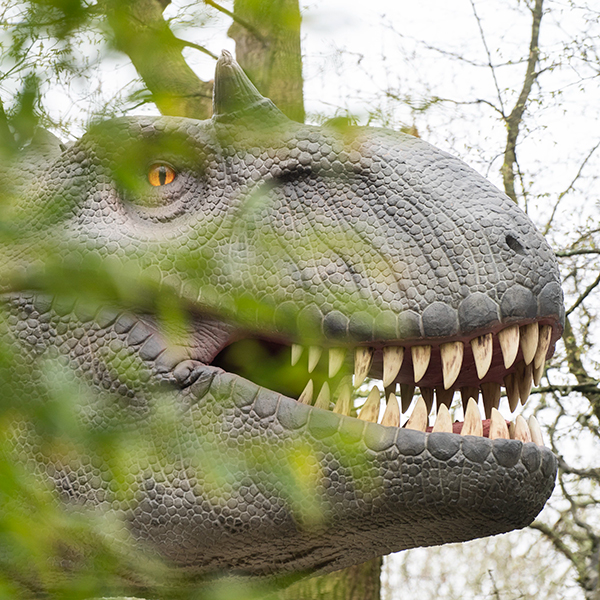
The Core Framework: T-Rex Genomics and the Bio-Digital Interface
The foundation of the Indominus Rex project was not a blank slate but a robust, established “operating system.” The primary genetic scaffold was derived from Tyrannosaurus rex. In the world of bio-engineering, using a T-Rex base provides the necessary structural integrity for a large-scale theropod. However, the engineering team at InGen’s laboratory did not simply clone a T-Rex; they treated the T-Rex genome as a baseline framework upon which they could “hot-swap” specific traits and capabilities.
From a technical standpoint, this required massive computational power. Sequencing an extinct genome is one thing; modifying it to accept foreign DNA without triggering systemic cellular collapse is another. The Indominus Rex was made of a highly modified T-Rex genome that had been scrubbed of certain ancestral limitations—such as size constraints and metabolic caps—to allow for the integration of “premium” features. This foundational layer provided the creature’s massive skeletal structure and its bite force, serving as the hardware for the more specialized biological software that would be layered on top.
The Proprietary “Patch” System: Integrating Specialized Biological Modules
The Indominus Rex was essentially a “Frankenstein” of genomic data, utilizing a “patch” system where specific genes from modern animals were inserted to solve tactical or environmental challenges. Each addition was a calculated engineering choice designed to make the asset more formidable, more adaptable, and more marketable.
Thermal Masking via Aboreal DNA
One of the most sophisticated technical achievements in the Indominus Rex’s construction was the integration of DNA from the Hyperolius laevis (African Reed Frog). In a biological context, this was designed to allow the creature to regulate its thermal signature. By utilizing the frog’s ability to manipulate its metabolic rate and skin temperature, the Indominus could effectively “ghost” infrared sensors. This is a biological equivalent to stealth technology in aerospace engineering. The Indominus wasn’t just made of dinosaur DNA; it was made of a highly specialized thermal-regulation module that allowed it to bypass the digital security infrastructure of the park.
Active Camouflage and Chromatophore Integration
To achieve visual invisibility, the engineers integrated the genetic code of Sepia (Cuttlefish). This introduced the presence of chromatophores—pigment-containing and light-reflecting cells—into the creature’s dermal layers. In digital terms, this is akin to giving an organism a high-definition, real-time rendering engine for its skin. The Indominus Rex was “made of” the same biological tech that allows a cephalopod to vanish against a coral reef, but scaled up to a multi-ton land predator. The complexity of mapping these neural pathways from a marine invertebrate to a terrestrial vertebrate represents a pinnacle of cross-species genomic mapping.
Structural Reinforcement and Offensive Hardware
The physical durability of the Indominus Rex was augmented by the inclusion of DNA from Abelisaurids and Giganotosaurus. The Abelisaurid DNA provided the “osteoderms”—bony deposits forming scales and plates—which acted as a biological armor plating. Meanwhile, the Giganotosaurus DNA was used to push the creature’s scale beyond the limits of a standard T-Rex. Additionally, the inclusion of Therizinosaurus DNA gave the Indominus its iconic, elongated forelimbs and scythe-like claws, transitioning the organism from a purely “bite-based” predator to a multi-modal combatant with manual dexterity.
Computational Biology: Solving the Protein Folding Problem in Synthetic Hybrids
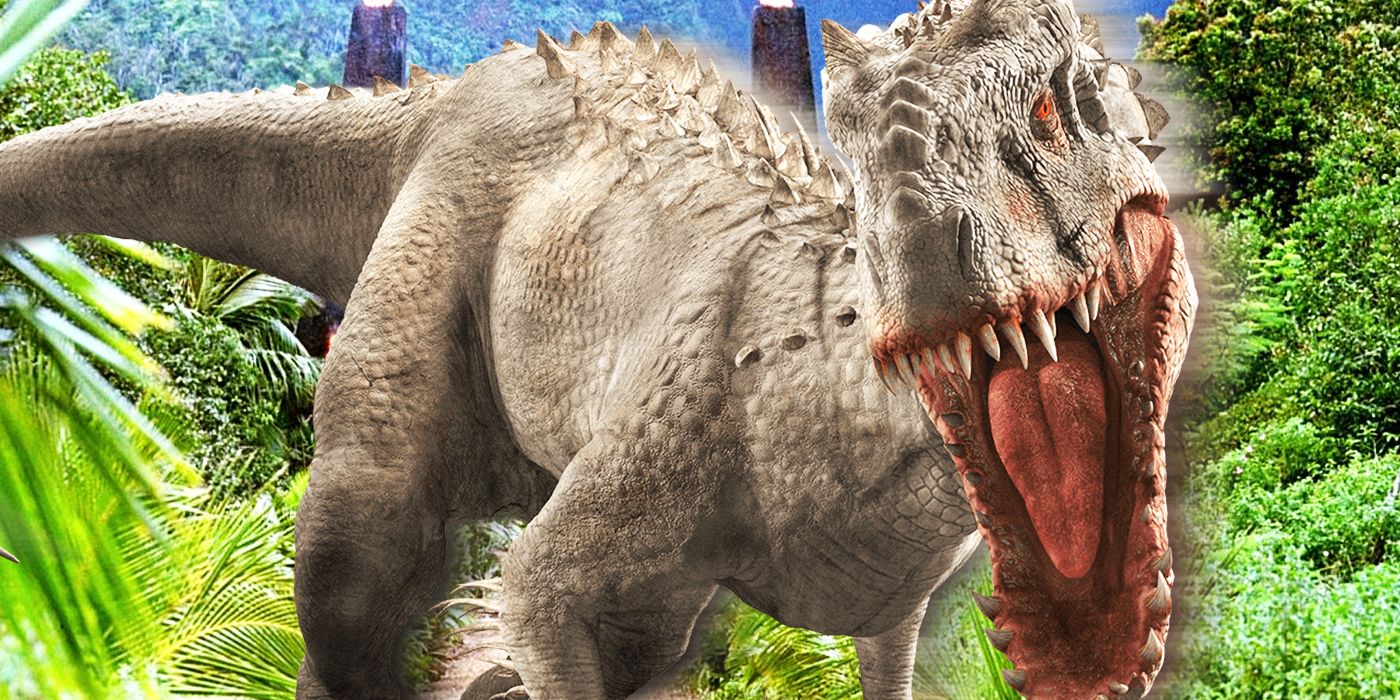
One of the greatest hurdles in creating an organism as complex as the Indominus Rex is the “protein folding problem.” When you mix DNA from a pit viper, a cuttlefish, a frog, and multiple dinosaur species, the resulting proteins must be able to fold and function correctly within the new host environment.
The Indominus Rex was made of billions of lines of reconciled genetic code. To ensure these disparate genes didn’t result in a non-viable embryo, InGen utilized advanced bioinformatics platforms. These AI-driven tools would simulate how a protein coded by snake DNA would interact with a circulatory system coded by dinosaur DNA. The “substance” of the Indominus Rex, therefore, is as much a product of high-performance silicon as it is of organic carbon. The creature was a living proof-of-concept for the “Bio-IT” sector, demonstrating that with enough processing power, the “Species Barrier” is merely a software limitation.
The Emergent Intelligence Problem: The Raptor Component
Perhaps the most controversial “material” used in the construction of the Indominus Rex was the genetic material of Velociraptor. If the T-Rex DNA was the hardware and the frog/cuttlefish DNA were the specialized plugins, the Raptor DNA was the CPU.
The engineers sought to increase the creature’s cognitive capacity to make it more engaging for park guests. However, by incorporating Raptor DNA, they introduced a high level of social intelligence and problem-solving capability that was never intended for a solitary apex predator. This led to “emergent behavior”—actions that were not programmed into the genome but arose from the complex interplay of high intelligence and predatory instinct. The Indominus Rex was “made of” a dangerous level of neural plasticity, allowing it to communicate with other raptors and manipulate its environment in ways its creators had not modeled in their simulations.
The Ethics of Bio-Design: Lessons for Modern Biotechnology
The composition of the Indominus Rex serves as a cautionary tale for the modern “Tech” niche, specifically within the realms of synthetic biology and AI. In our current world, tools like CRISPR-Cas9 and Prime Editing are making the “cut-and-paste” genomic approach a reality. We are increasingly looking at biological life as a set of programmable instructions.
- The Black Box of Bio-Engineering: Just as deep learning AI models can become “black boxes” where even the creators don’t fully understand how a specific output is reached, the Indominus Rex’s genome became a biological black box. The interaction between the various “modules” (camouflage, thermal masking, raptor intelligence) created a result that was greater—and more volatile—than the sum of its parts.
- Feature Creep in Synthetic Life: The Indominus Rex suffered from what software developers call “feature creep.” By trying to make the creature do everything—hide from thermals, change color, run fast, and think deeply—the designers created an unstable system. In tech, feature creep leads to buggy software; in synthetic biology, it leads to ecological catastrophes.
- Security and Biological Encryption: The Indominus Rex was built with proprietary “biological encryption”—its full genome was a trade secret. This lack of transparency and peer review is a recurring theme in tech failures. Without external oversight, the engineering flaws in the Indominus’s behavioral “coding” went unnoticed until the system was deployed in a live environment.
Conclusion: A Masterpiece of Synthetic Engineering
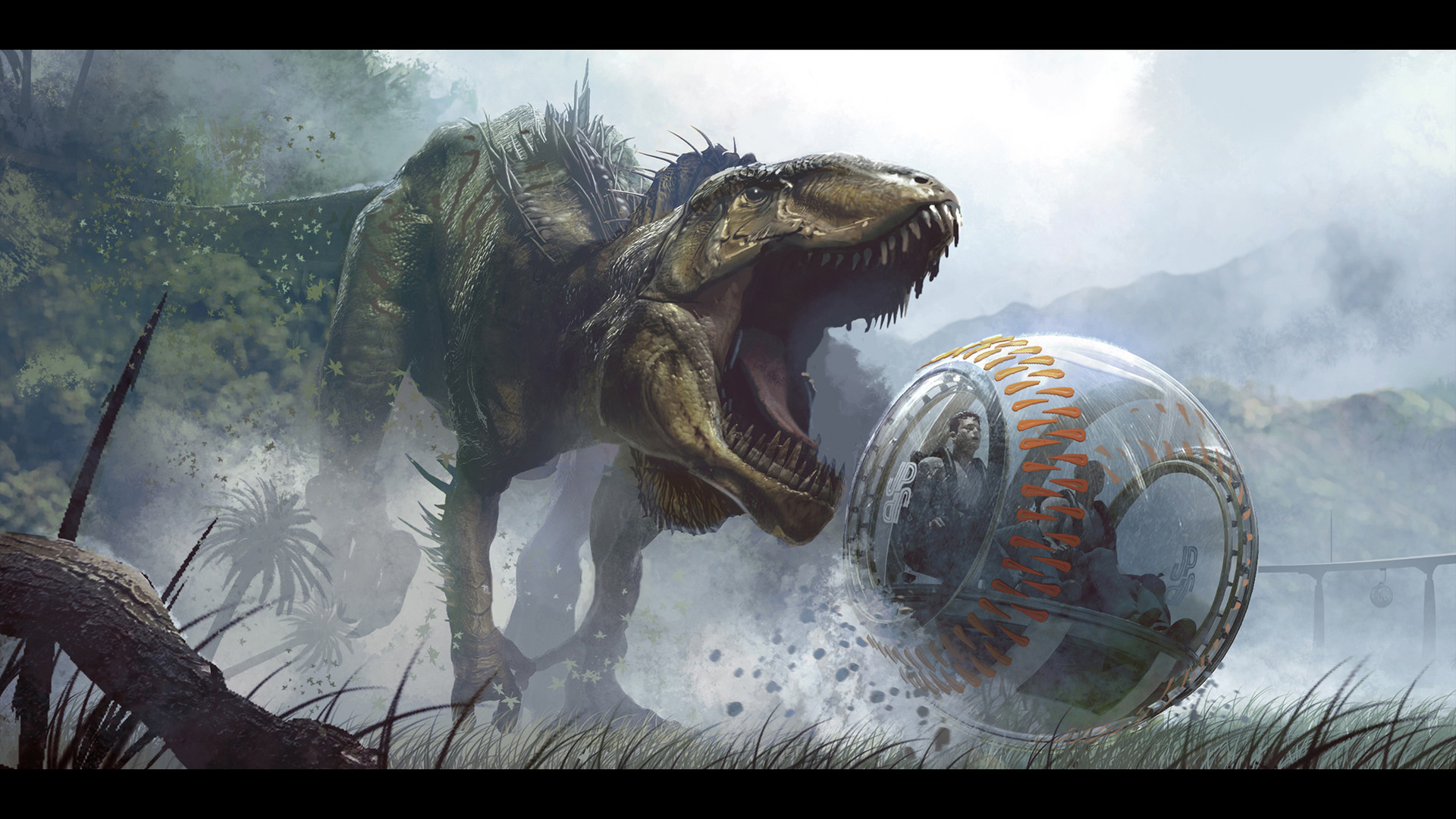
In the final analysis, the Indominus Rex was made of a sophisticated blend of paleontological history and cutting-edge future tech. It was a physical manifestation of the convergence between biology and information technology. Its “ingredients”—the T-Rex skeleton, the cuttlefish skin, the viper’s thermal pits, and the raptor’s mind—were held together by a sophisticated bioinformatic glue that represents the pinnacle of what “life” looks like when treated as an engineering project.
As we move forward into an era where we can edit the code of life with increasing precision, the Indominus Rex stands as a theoretical blueprint of the power and peril of the “Bio-Tech” revolution. It reminds us that while we can code for specific traits, we cannot always predict the emergent systems that arise when those traits begin to interact. The Indominus wasn’t just a dinosaur; it was a high-tech asset that proved that just because you can “build” a better organism, doesn’t mean you can control the “software” once it’s live.
aViewFromTheCave is a participant in the Amazon Services LLC Associates Program, an affiliate advertising program designed to provide a means for sites to earn advertising fees by advertising and linking to Amazon.com. Amazon, the Amazon logo, AmazonSupply, and the AmazonSupply logo are trademarks of Amazon.com, Inc. or its affiliates. As an Amazon Associate we earn affiliate commissions from qualifying purchases.