
The history of the transatlantic slave trade is often viewed through a lens of social and political upheaval, yet at its core, it was driven by an uncompromising and brutal economic engine. When researchers and financial historians ask, “What was the first slave ship name?” they are often looking for the Desire, a vessel launched in 1636 from Marblehead, Massachusetts. While it was not the first ship globally to transport enslaved people—Spanish and Portuguese vessels had been operating for over a century prior—the Desire represents the institutionalization of the slave trade as a foundational pillar of the American economic system.
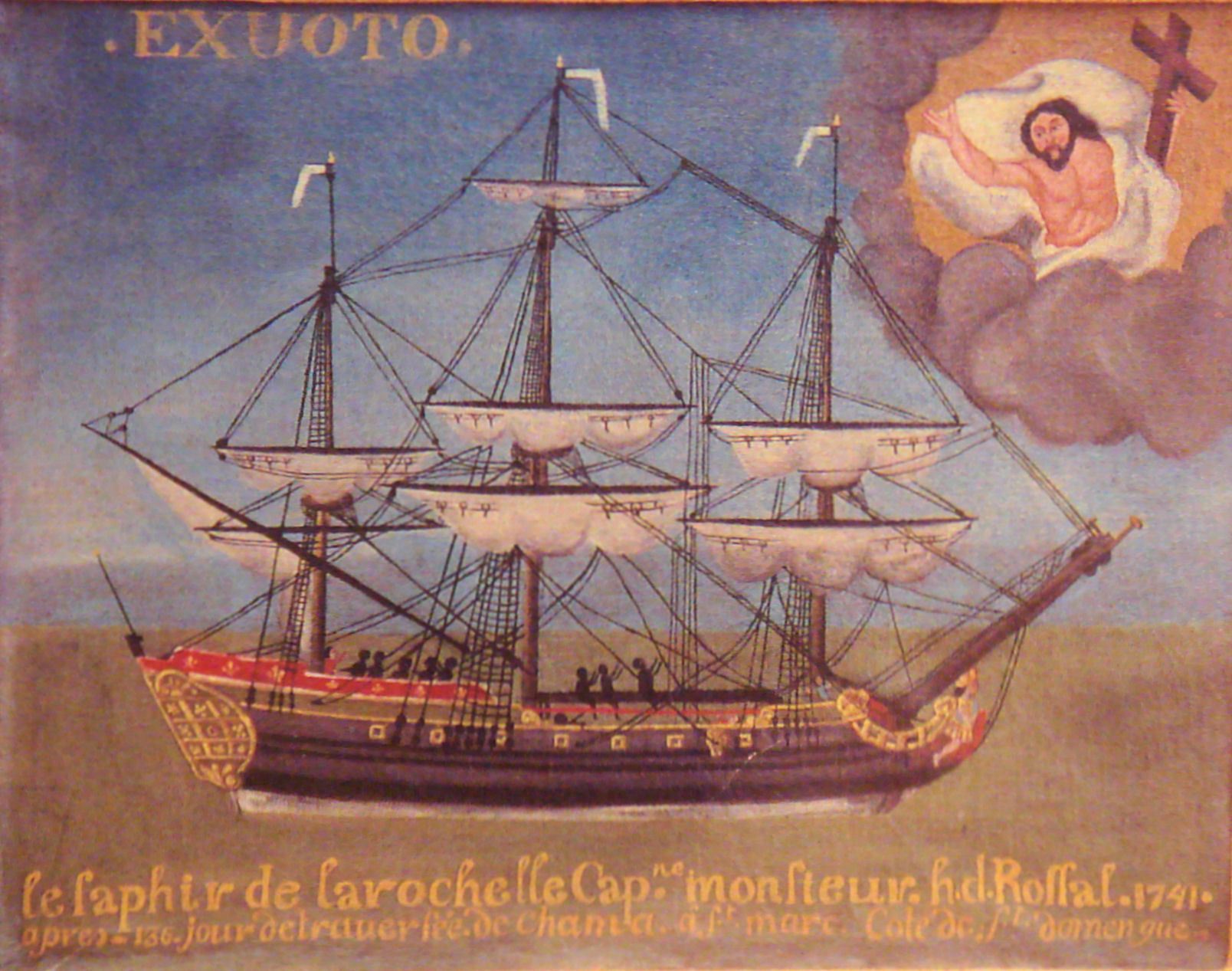
To understand the name of the first slave ship is to understand the birth of modern venture capital, the evolution of maritime insurance, and the high-risk, high-reward financial structures that paved the way for contemporary global markets.
The Financial Architecture of the Transatlantic Slave Trade
The transatlantic slave trade was not merely a series of disconnected voyages; it was a sophisticated financial network that required immense upfront capital and complex risk management. In the 17th century, the “Triangle Trade” emerged as a primary driver of wealth for European empires and colonial merchants. This system relied on three distinct legs: the export of manufactured goods to Africa, the transport of enslaved humans to the Americas, and the shipment of raw materials like sugar, tobacco, and cotton back to Europe.
Venture Capital in the 17th Century
Before a ship like the Desire could set sail, it required significant investment. In the 1600s, individual merchants rarely had the liquid capital to finance an entire expedition. This led to the rise of joint-stock companies, which allowed multiple investors to pool their resources and share the risk. This was an early form of venture capital. Investors would buy “shares” in a specific voyage, hoping for a dividend payout upon the ship’s return.
The Desire was commissioned by the Massachusetts Bay Colony, a group of investors who saw the vessel as a tool for expanding their commercial reach. By selling fish and lumber to the West Indies and returning with enslaved people and sugar, the colony created a self-sustaining economic loop. This focus on “diversified portfolios” allowed colonial economies to grow even when local resources were scarce.
The Role of Maritime Insurance and Risk Management
The slave trade was an incredibly volatile business. Ships faced threats from storms, piracy, and uprisings. To mitigate these financial losses, the maritime insurance industry underwent a period of rapid professionalization.
Lloyd’s of London, one of the world’s most famous insurance markets, found its early footing in the shipping industry, including the slave trade. Insuring “cargo”—a term used at the time to include enslaved human beings—became a standard practice. The premiums were high, reflecting the extreme risks involved, but the potential ROI (Return on Investment) was high enough to keep the capital flowing. For the owners of the Desire and subsequent vessels, insurance was the safety net that allowed for aggressive expansion into new markets.
Tracking the Desire: A Case Study in Colonial Investment
The Desire is a landmark in the history of business finance because it marks the point where the American colonies transitioned from subsistence living to international commodity trading. Built with a 120-ton capacity, the ship was a significant technological and financial investment for its time.
The Outfitting of a Slaving Vessel
Outfitting a ship for the Middle Passage was a massive capital expenditure. Beyond the construction of the hull, merchants had to account for:
- Provisioning: Food and water for the crew and the hundreds of captives.
- Security: Chains, locks, and weaponry to maintain control over the “cargo.”
- Personnel: Specialized crew members who were paid higher wages due to the hazardous nature of the work.
When the Desire returned to Boston in 1638 after a voyage to the West Indies, it brought back a cargo of salt, cotton, tobacco, and enslaved Africans. For the investors in Massachusetts, this was a successful “exit” on their investment. The profits from these sales were immediately reinvested into building more ships, larger docks, and more expansive trade networks.
ROI and the High-Risk, High-Reward Model
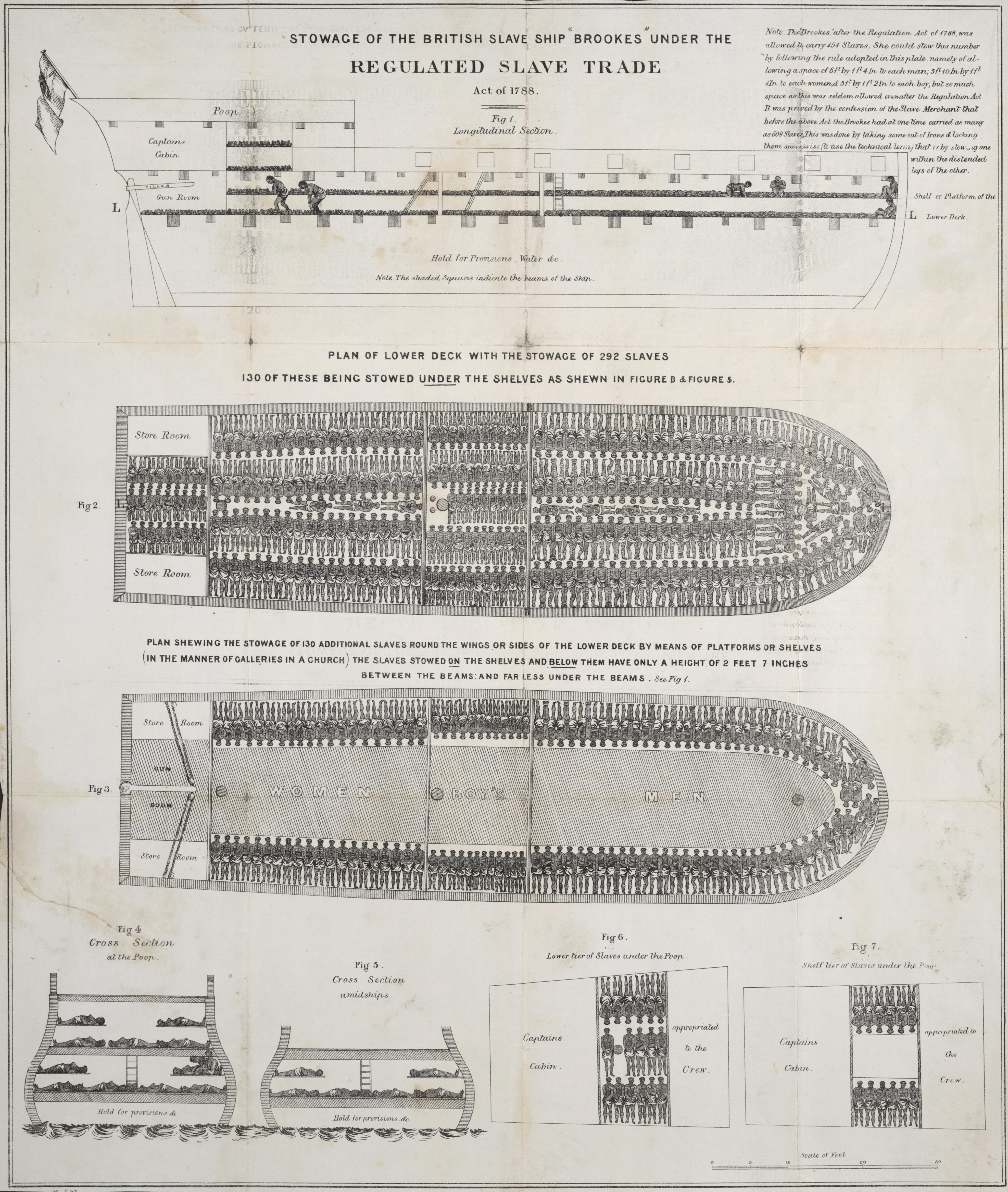
The profit margins on a successful slaving voyage could reach as high as 30% to 50%, figures that would be considered extraordinary in modern equity markets. However, these gains were offset by the high probability of total loss. This binary outcome—immense profit or total bankruptcy—shaped the financial temperament of the era. It fostered a culture of aggressive speculation and the development of sophisticated accounting methods to track “depreciation” of human life and ship infrastructure.
How Slave Ships Built Modern Global Finance
The legacy of the Desire and its successors is etched into the very foundations of today’s financial institutions. The wealth generated from the slave trade provided the liquidity necessary for the Industrial Revolution and the expansion of the global banking system.
The Evolution of Banking Institutions
Many of the world’s oldest banks were founded or bolstered by the profits of the slave trade. These institutions provided the credit lines that allowed plantation owners to purchase enslaved people and equipment. As these debts were repaid with interest, the banks grew in size and influence.
The securitization of debt—a cornerstone of modern finance—can be traced back to the way plantations and enslaved populations were used as collateral for loans. If a plantation owner defaulted, the bank would take possession of the property, including the people on it. This commodification of human life allowed for a level of financial leverage that accelerated the growth of the Western banking sector.
From Human Cargo to Commodity Markets
The slave trade necessitated the creation of centralized markets where goods could be traded with speed and efficiency. The London Stock Exchange and other major financial hubs grew out of the need to trade the commodities produced by enslaved labor. Sugar, in particular, became the “white gold” of the 18th century.
The price of sugar on the London market directly influenced the number of ships commissioned and the number of lives disrupted. This was an early example of a global supply chain where the retail price of a luxury good in Europe dictated the capital allocation and labor practices in the Americas and Africa.
The Business of History: Analyzing Archival Financial Data
In the modern era, researchers are using financial technology and digital archives to reconstruct the economic scale of the slave trade. By analyzing the ledgers of ships like the Desire, we can see the cold, calculated nature of the business.
Data Integrity and Historical Accounting
The “Slave Voyages” database is a prime example of how digital tools can be used to track historical financial movements. It contains records of over 36,000 voyages, including names, tonnages, and the financial outcomes of the trips. For finance professionals, this data is a sobering reminder of how markets can operate in the absence of ethical guardrails.
Modern financial analysis often looks at “historical volatility,” but few datasets are as volatile as those belonging to 17th and 18th-century maritime trade. By studying these records, we gain insight into how the concepts of “standardization” and “quality control” were applied to trade, albeit in a horrific context.
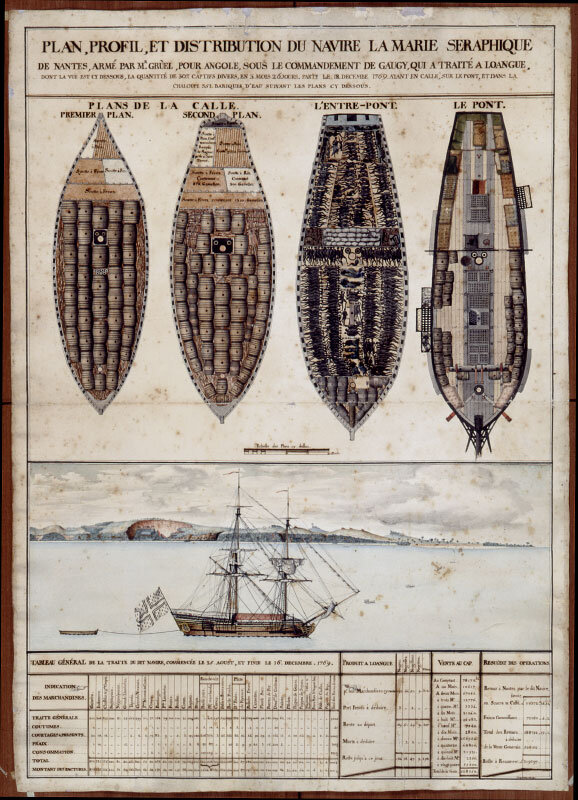
The Lasting Economic Legacy of the Middle Passage
The name of the first slave ship, the Desire, serves as a symbolic starting point for a financial system that prioritized capital accumulation above all else. The wealth generated during this period did not just disappear; it was laundered into the construction of universities, the development of municipal infrastructure, and the endowment of family dynasties that still hold influence today.
When we discuss personal finance and investing today, we are operating within a framework that was built, in part, by the profits of the Desire. The concepts of credit, insurance, and dividends were refined during this period. Understanding this history is essential for any modern investor who wishes to understand the structural origins of global inequality and the true cost of historical wealth creation.
Ultimately, the Desire was more than a ship; it was a business model. It proved that human exploitation could be scaled, insured, and monetized. As we look at the future of finance, the name of the first slave ship remains a permanent entry in the ledger of global economic history, reminding us that every investment has a human story behind it, whether that story is one of innovation or of unimaginable cost.
aViewFromTheCave is a participant in the Amazon Services LLC Associates Program, an affiliate advertising program designed to provide a means for sites to earn advertising fees by advertising and linking to Amazon.com. Amazon, the Amazon logo, AmazonSupply, and the AmazonSupply logo are trademarks of Amazon.com, Inc. or its affiliates. As an Amazon Associate we earn affiliate commissions from qualifying purchases.