
In the landscape of modern horror, few intellectual properties have maintained the longevity and cultural resonance of the Child’s Play franchise. At the heart of this brand’s enduring success is a singular, chilling element that serves as the “origin story” for its central antagonist: the ritualistic chant used by Charles Lee Ray to inhabit the body of a Good Guy doll. While often colloquially referred to by fans as “Latin chanting,” the linguistic roots and strategic application of this ritual offer a masterclass in narrative brand identity and the power of consistent lore.

Understanding the mechanics of Chucky’s chant—popularly known as the Damballa ritual—requires looking past the surface level of a slasher film and analyzing how specific auditory and thematic “trademarks” build a global media brand.
The Linguistic Blueprint: Defining the Damballa Ritual
To the casual observer, the rhythmic, guttural incantations spoken by Chucky sound like the liturgical Latin often found in exorcism cinema. However, from a brand strategy perspective, the creators of Child’s Play did something far more specific. They crafted a fictionalized version of Haitian Vodou terminology, centered around the deity Damballa.
The Power of the Mantra
The core of the chant is the phrase: “Ade due Damballa. Give me the power, I beg of you!” followed by more complex variations in subsequent films. By choosing a specific, repeatable mantra, the writers created a “sonic logo” for the character. In branding, a sonic logo is a short, distinctive melody or sound—like the Netflix “ta-dum” or the Intel chime. For the Chucky brand, this chant serves the same purpose. It signals to the audience that a transformation or a pivotal plot point is occurring, reinforcing brand recognition every time the doll begins to speak those specific words.
The Latin Misconception as a Branding Pivot
The reason many audiences mistake the chant for Latin is due to “genre branding.” In the 1970s and 80s, horror brands like The Exorcist or The Omen relied heavily on Latin to convey a sense of ancient, forbidden power. By leaning into those phonetic structures, the Child’s Play creators leveraged existing consumer expectations. They successfully blended the “authority” of Latin-sounding syllables with the specific lore of Damballa, creating a unique hybrid that belonged exclusively to their IP.
Narrative Brand Identity: How Lore Drives Longevity
A brand is more than a logo; it is a set of expectations and stories. In corporate identity, this is called a brand narrative. In the world of entertainment, we call it lore. Chucky’s ritual is the foundational pillar of that lore.
Consistency Across Iterations
From the original 1988 film to the modern television series, the “Ade due Damballa” chant has remained remarkably consistent. This consistency is vital for brand health. When a brand changes its core identity too frequently, it loses consumer trust. By keeping the ritual’s mechanics the same for over three decades, the franchise ensures that fans from the 80s and fans from the 2020s share the same “brand language.” This allows for seamless cross-generational marketing.
The Role of Mystery in Brand Engagement
Part of what makes a brand iconic is the “gap” it leaves for the consumer to fill. By not providing a full, academic translation of the ritual in the first film, the creators invited curiosity. Fans began to research the terms, discuss them in forums, and create their own interpretations. This is the pinnacle of brand engagement—when the audience becomes an active participant in the story. In business, this is equivalent to a cult brand where the community manages the “mystique” of the product.
The Business of Horror: Monetizing the Chant

The ritual isn’t just a plot device; it is a commercial asset. The “Chucky” brand has translated these few lines of fictionalized chanting into a massive ecosystem of products and experiences.
Merchandising the Incantation
If you look at high-end Chucky collectibles or “talking dolls” produced by companies like Mezco Toyz or NECA, the ritual chant is almost always the primary audio feature. The brand isn’t just selling a doll; it’s selling the moment of the ritual. This demonstrates how a specific narrative element can be directly monetized. The chant becomes the “product feature” that justifies a premium price point for collectors who want an “authentic” brand experience.
Sonic Branding in Marketing Campaigns
In trailers and promotional teasers, the sound of the ritual is often used as a background layer. The rhythmic cadence of the “Ade due” provides a tempo for the editing, building tension and instantly signaling to viewers which IP they are watching. This is a strategic use of audio assets to cut through the noise of a crowded marketplace. In a sea of generic horror trailers, the specific phonetic signature of Chucky’s ritual acts as an immediate identifier.
Strategic Lessons for Modern Brand Builders
While the subject matter is the supernatural, the lessons for brand managers, marketers, and designers are very real. The way the Chucky franchise handles its ritual provides three key takeaways for any brand looking to establish a lasting identity.
1. Own Your Vocabulary
Successful brands often create their own language. Think of Starbucks with its “Venti” and “Grande,” or Apple with the “i” prefix. By creating a ritual with its own specific terminology, the Child’s Play franchise “owns” that linguistic space. When people hear those words, they think of one thing and one thing only: Chucky.
2. Leverage “Archetypal Authority”
Chucky’s chant works because it feels ancient, even though it was written in a script room in Hollywood. It leverages the archetype of the “forbidden spell.” Brands can do the same by tapping into universal human emotions or historical aesthetics to give their modern products a sense of weight and importance. This is why luxury brands often use heritage-based design elements to justify their prestige.
3. Maintain Integrity Through Evolution
The Chucky brand has evolved from a straight horror film to a meta-comedy and now to a high-concept TV drama. However, the ritual remains the anchor. This teaches us that a brand can change its “tone” or its “delivery method,” but it must keep its core “ritual” or “values” intact to avoid alienating its base.
The Cultural Legacy of the Damballa Chant
Ultimately, the ritual chanting in Child’s Play serves as the bridge between the human and the inanimate, the mundane and the monstrous. From a brand perspective, it is the bridge between a simple horror movie and a multi-billion dollar cultural phenomenon.
The Psychology of Rhythmic Repetition
There is a psychological reason why the chant is so effective. Human brains are wired to respond to rhythmic repetition. Whether it’s a religious litany, a protest shout, or a marketing jingle, repetition creates a sense of inevitability. Chucky’s chant utilizes this psychological trigger to create a feeling of dread. For a brand, being able to trigger a specific emotional response through a simple string of words is the ultimate goal of communication strategy.
Conclusion: The Immortal Brand
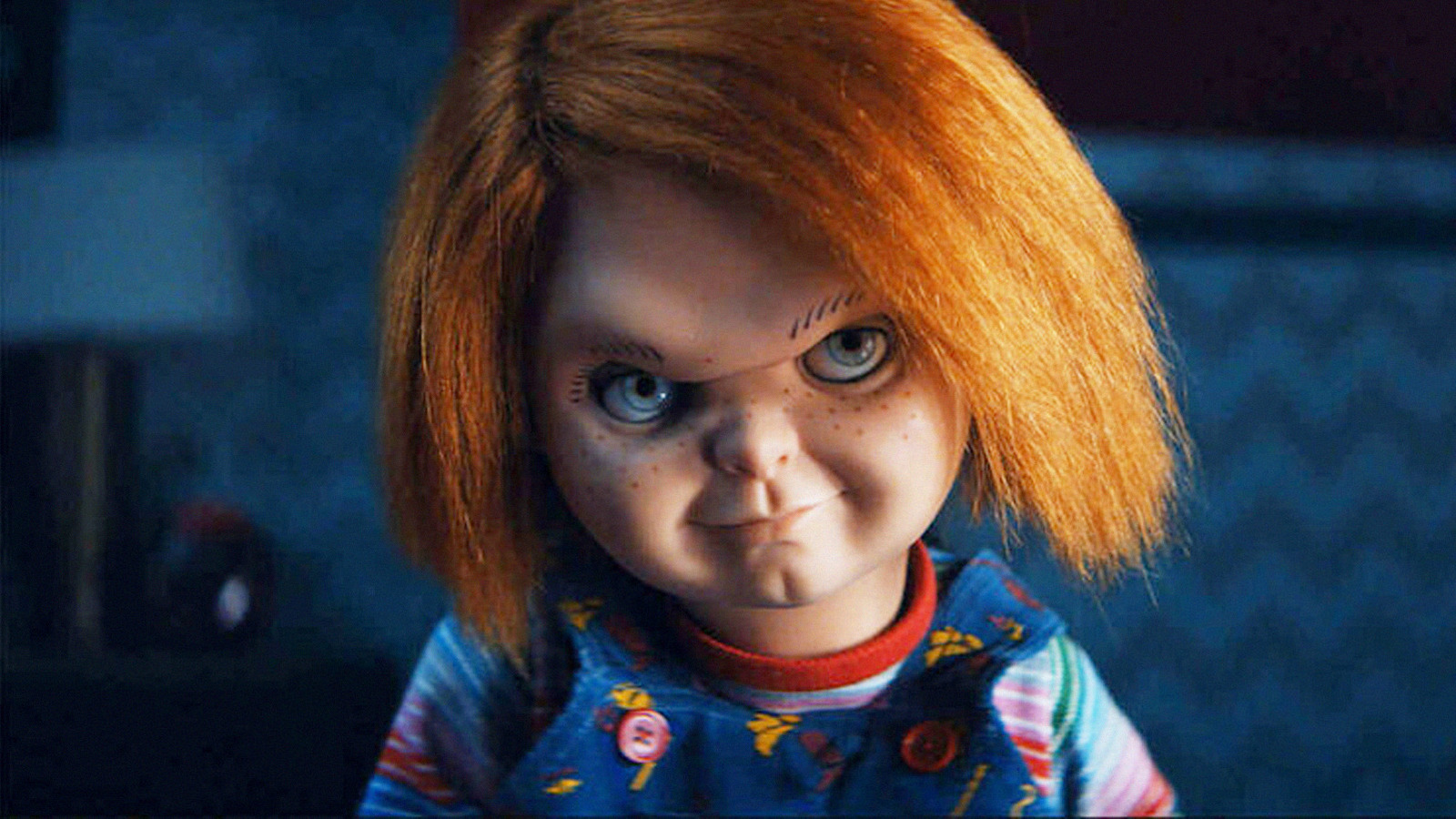
Charles Lee Ray sought immortality through the Damballa ritual. In a strange twist of irony, the brand he inhabits has achieved exactly that. Through the strategic use of narrative, linguistic “trademarks,” and consistent lore, the Chucky franchise has ensured its place in the pantheon of horror icons. The “Latin” chant that fans remember is more than just a spooky movie moment; it is the heartbeat of a sophisticated, well-managed brand identity that continues to capture the imagination (and the fear) of audiences worldwide.
By understanding “what Chucky was chanting,” we gain insight into how a few well-chosen words can build a legacy that lasts for decades, proving that in the world of branding, the story you tell—and the way you repeat it—is everything.
aViewFromTheCave is a participant in the Amazon Services LLC Associates Program, an affiliate advertising program designed to provide a means for sites to earn advertising fees by advertising and linking to Amazon.com. Amazon, the Amazon logo, AmazonSupply, and the AmazonSupply logo are trademarks of Amazon.com, Inc. or its affiliates. As an Amazon Associate we earn affiliate commissions from qualifying purchases.