
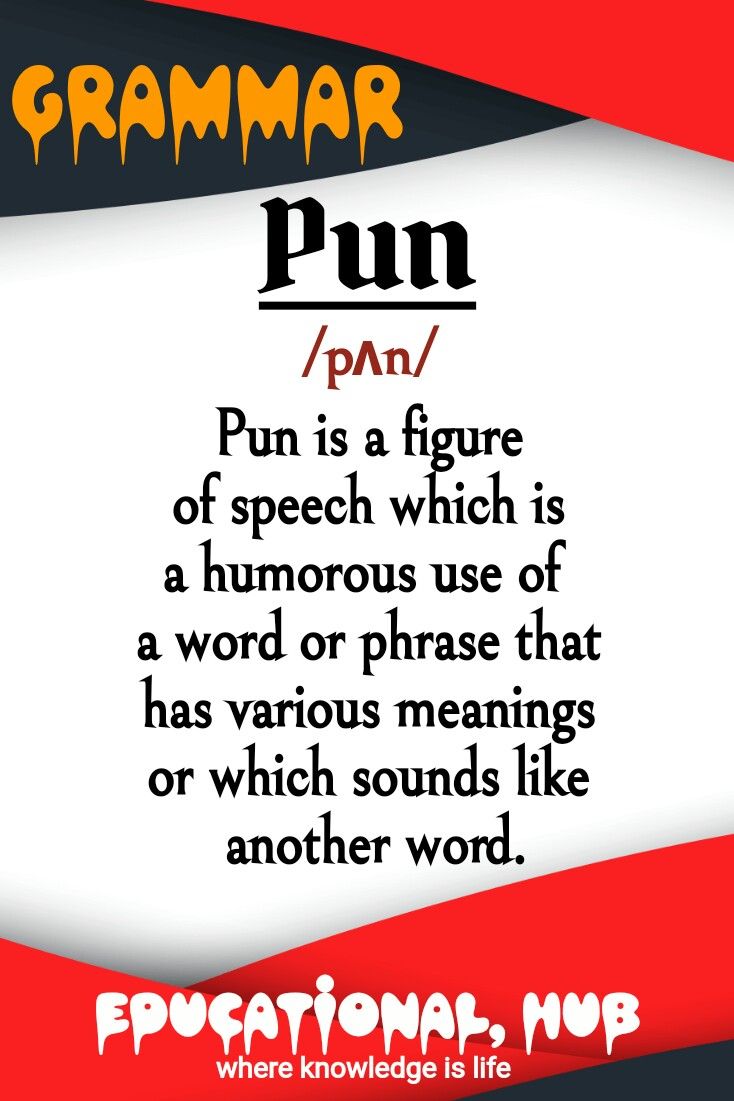
In the high-stakes arena of brand strategy and corporate identity, the tools of language are just as critical as visual aesthetics. Among the most versatile and frequently debated rhetorical devices is the pun. Technically known as paronomasia, a pun is a figure of speech that exploits multiple meanings of a term, or of similar-sounding words, for an intended humorous or rhetorical effect. While often relegated to the realm of “dad jokes” in casual conversation, in the context of branding, the pun is a sophisticated instrument used to create immediate cognitive engagement, enhance recall, and establish a distinct brand personality.

Understanding what type of figure of speech a pun is—and more importantly, how it functions within a marketing framework—allows brand strategists to move beyond superficial humor and toward meaningful consumer connection.
The Mechanics of Paronomasia: Defining the Pun in Communication
At its core, a pun is a play on words. However, to use it effectively in branding, one must understand the three primary linguistic structures it takes. Each type offers a different level of complexity and psychological impact on the target audience.
Homophonic Puns: The Sound of Strategy
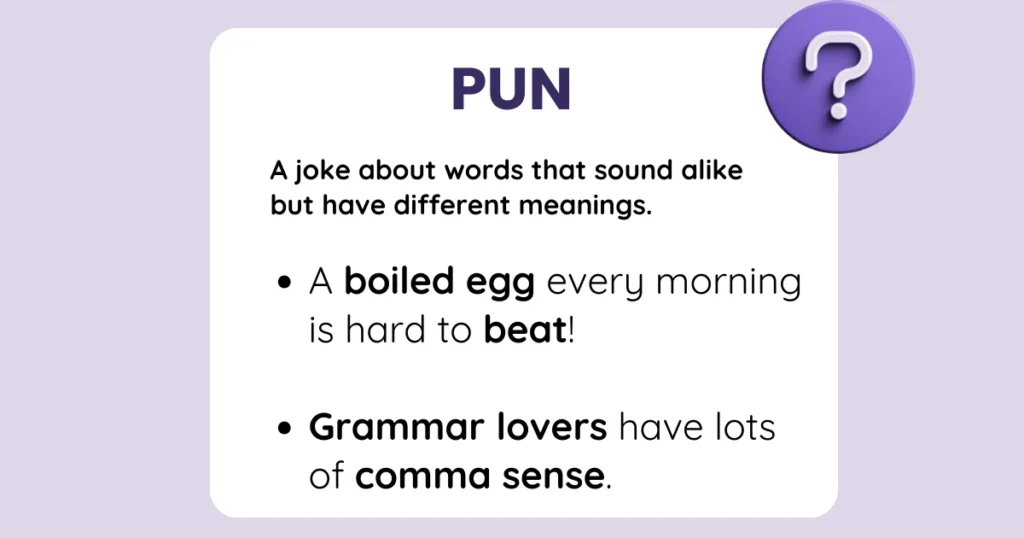
Homophonic puns rely on words that sound the same but have different meanings and spellings. In the world of marketing, these are the most common because they are easily processed during auditory advertisements, such as radio spots or podcasts. For instance, a brand focusing on sustainable flooring might use a slogan like “Our Floors are Un-be-leaf-able,” playing on the sound of “unbelievable” to emphasize natural, plant-based materials. From a brand strategy perspective, the homophonic pun creates a “double take” effect, forcing the listener to momentarily pause and resolve the linguistic tension, which embeds the brand name deeper into their memory.
Homographic Puns: Visual Wordplay
Homographic puns involve words that are spelled the same but have different meanings. These are particularly potent in graphic design and print media. A travel agency specializing in maritime vacations might use the phrase “Current Events” to describe a newsletter about ocean cruises. Here, the pun bridges the gap between the literal ocean current and the figurative news cycle. This type of wordplay rewards the reader for their intelligence, fostering a positive emotional association with the brand.
Recursive and Compound Puns
Recursive puns require the audience to understand a first element before the second part of the joke makes sense. These are rarer in mass-market branding because they risk being too obscure. However, for niche brands targeting a highly educated or specialized demographic—such as a software company or a boutique law firm—recursive puns can act as an “insider” signal, reinforcing a sense of community and shared knowledge between the brand and its clients.
The Strategic Advantage: Why Puns Elevate Brand Identity
In a marketplace saturated with generic messaging, the primary challenge for any brand is differentiation. The pun serves as a bridge between a product’s utility and its personality. By utilizing this figure of speech, a brand can achieve several strategic objectives simultaneously.
Enhancing Brand Recall Through Cognitive Friction
The human brain is wired to find patterns. When a consumer encounters a pun, they experience a micro-moment of “cognitive friction.” The brain expects one meaning but is presented with two. The process of resolving this ambiguity—the “Aha!” moment—is neurologically rewarding. Because the brain had to work slightly harder to decode the message, the information is more likely to be stored in long-term memory. This is why “punny” brand names like “The Codfather” (a fish and chip shop) or “Curl Up and Dye” (a hair salon) are often more memorable than their literal counterparts.
Establishing Human-Centric Personality
Corporate identity often suffers from being overly sterile or detached. Using wordplay signals that there are humans behind the brand. It suggests wit, approachable intelligence, and a lack of pretension. For startups and personal brands, this can be the difference between being perceived as a faceless entity and being seen as a relatable partner. A brand that can laugh with its audience is a brand that people feel they can trust.
Visual and Verbal Synergy
The most successful brand identities don’t treat copy and design as separate entities. A pun provides a perfect foundation for visual metaphors. For example, a brand named “Bright Ideas” might use a logo that combines a lightbulb with the silhouette of a head. The pun (bright meaning both luminous and intelligent) informs the entire design language, creating a cohesive and powerful corporate identity that communicates the brand’s value proposition without needing paragraphs of explanatory text.
Navigating the Risks: When Wordplay Weakens a Brand
While the pun is a powerful figure of speech, it is also a double-edged sword. If executed poorly, it can alienate the audience, diminish the brand’s perceived authority, or cause confusion that leads to lost revenue.
The Problem of “Cringe” and Professionalism
There is a fine line between a clever pun and one that feels forced or dated. If a brand relies too heavily on low-effort wordplay, it can come across as unprofessional or “cheap.” This is particularly risky in industries that require high levels of trust, such as legal services, medical technology, or high-end financial consulting. In these sectors, a pun must be exceptionally subtle or used sparingly in specific campaigns rather than as the cornerstone of the brand name itself.
Cultural and Linguistic Barriers
In our globalized economy, puns present a significant challenge for international branding. Because puns rely on the specific sounds and double meanings of a particular language, they almost never translate literally. A pun that is brilliant in English may be nonsensical or, worse, offensive in another language. Brands looking to scale globally must ensure that their wordplay-based identity doesn’t become a liability in foreign markets. This often requires “transcreation”—the process of adapting a message from one language to another while maintaining its intent, style, and tone—rather than simple translation.
Clarity Over Cleverness
The cardinal rule of marketing is: “Don’t be so clever that you forget to be clear.” If the pun obscures what the brand actually does, it has failed its primary purpose. A consumer should never have to struggle to understand the core offering of a business. If the wordplay requires a three-step logical leap to figure out that a company sells cloud storage, the brand strategy needs to be recalibrated.
Implementation: How to Craft a “Punny” Brand Voice That Converts
Integrating puns into a brand strategy requires a disciplined approach. It is not about throwing jokes at a wall to see what sticks; it is about aligning the figure of speech with the brand’s core values and the audience’s expectations.
Step 1: Define the Brand Archetype
Before choosing a pun, identify your brand’s archetype. Is the brand a “Jester” (playful, irreverent), a “Sage” (wise, insightful), or a “Hero” (bold, decisive)? Puns work best for Jester and Everyman archetypes. If you are a Sage brand, your puns should be sophisticated and understated. If you are a Hero brand, they should be punchy and action-oriented.
Step 2: Focus on the “Double Value” Proposition
The best puns in branding highlight two benefits at once. Consider a brand of ergonomic chairs using the slogan “We’ve Got Your Back.” This is a pun on the literal support of the chair and the figurative support of the company’s customer service. This “double value” reinforces the brand’s promise on two different emotional levels.
Step 3: Test for Longevity
A pun that is based on a current meme or a fleeting cultural trend will age poorly. For a brand identity to last, the wordplay should be based on fundamental aspects of the language or the industry. Ask yourself: “Will this pun still be relevant and funny in five or ten years?”
From Slogans to Social: The Role of Wordplay in Omnichannel Marketing
The application of puns extends far beyond the H1 of a website or a logo. In the digital age, wordplay is a vital tool for engagement across various touchpoints, especially social media and SEO.
Social Media Engagement and Shareability
Platform algorithms favor engagement. Puns are inherently shareable because they provide a “reward” to the reader. When a brand posts a witty, pun-based caption on Instagram or X (formerly Twitter), it encourages comments and shares. This organic engagement boosts the brand’s visibility without increasing ad spend. It also allows the brand to participate in trending conversations in a way that feels authentic rather than intrusive.
Micro-Copy and User Experience (UX)
Often overlooked, micro-copy—the small bits of text on buttons, error pages, or “thank you” screens—is a prime location for puns. Instead of a standard “404 Error: Page Not Found,” a coffee brand might use “Oops! We’ve bean looking everywhere, but we can’t find that page.” This small touch of personality can turn a potentially frustrating user experience into a moment of brand delight, fostering long-term loyalty.
The Future of Puns in Brand Strategy
As AI-driven content becomes more prevalent, the human touch of a well-crafted pun will become even more valuable. While AI can generate puns, the strategic selection of wordplay that resonates with human emotion and cultural nuance remains a distinctly human skill. Brands that master this figure of speech will not only stand out in a crowded digital landscape but will also build deeper, more resilient connections with their customers.
In conclusion, a pun is far more than a simple figure of speech; it is a versatile rhetorical device that, when applied with strategic intent, can define a brand’s identity. By understanding the linguistic mechanics of paronomasia and the psychological impact of wordplay, marketers can craft messages that are not only memorable and engaging but also fundamentally human. Whether through a homophonic slogan or a clever piece of UX micro-copy, the pun remains one of the most effective tools in the brand strategist’s toolkit for cutting through the noise and making a lasting impression.
aViewFromTheCave is a participant in the Amazon Services LLC Associates Program, an affiliate advertising program designed to provide a means for sites to earn advertising fees by advertising and linking to Amazon.com. Amazon, the Amazon logo, AmazonSupply, and the AmazonSupply logo are trademarks of Amazon.com, Inc. or its affiliates. As an Amazon Associate we earn affiliate commissions from qualifying purchases.