
Graduation is more than a formal conclusion to an academic journey; it is a high-stakes branding event. In the world of professional development and corporate identity, your graduation ceremony represents the official “rebranding” of your persona from student to professional. Every choice made regarding your appearance—from the texture of your suit to the subtle flash of a timepiece—serves as a visual signal of your readiness to enter the marketplace.
In a digital age where graduation photos serve as the cornerstone of your LinkedIn profile and professional digital footprint, what you wear on your graduation day is a strategic investment in your visual equity. This guide explores the intersection of personal branding and traditional ceremony, ensuring your attire aligns with the professional trajectory you intend to pursue.

The Visual Language of Achievement: Why Graduation Attire is Your First Professional Statement
When you walk across the stage, you are not just receiving a diploma; you are presenting a brand to faculty, peers, and potential recruiters. In brand strategy, “visual identity” refers to the tangible elements that represent an entity. On graduation day, you are that entity.
Signaling Competence through Style
Cognitive psychology often references the concept of “enclothed cognition,” which suggests that the clothes we wear influence our psychological processes and the way others perceive our competence. For a graduate, dressing with intentionality signals a transition in mindset. By choosing attire that mirrors the standards of your target industry—whether that be the conservative tailoring of finance or the polished creativity of a marketing firm—you demonstrate an understanding of cultural norms and professional expectations.
The Psychology of Color in Professional Branding
In the context of branding, color is never accidental. It evokes specific emotions and associations. For graduation, the colors worn beneath the regalia should be selected with your “brand values” in mind:
- Navy Blue: Projects trust, stability, and reliability. This is the gold standard for those entering corporate, legal, or financial sectors.
- Charcoal Gray: Signals maturity and sophistication without the starkness of black. It is versatile and suggests a grounded professional identity.
- White or Cream: Represents a “clean slate” and fresh beginnings, often used in branding to suggest clarity and precision.
- Deep Greens or Burgundies: Suggest a blend of tradition and creative confidence, ideal for those entering design or niche consulting roles.
Decoding the Dress Code: Balancing Tradition with Modern Brand Identity
The challenge of graduation attire is the layering. You must balance the requirements of the academic regalia (the gown, hood, and cap) with the professional clothing underneath. From a brand strategy perspective, the regalia represents the “Corporate Identity” of the university, while your clothing represents your “Personal Sub-brand.”
Traditional Regalia vs. Modern Corporate Trends
While the academic gown is a centuries-old tradition, the modern professional landscape is increasingly nuanced. A common mistake is assuming that because the gown covers most of the body, the outfit underneath is irrelevant. On the contrary, the collar, sleeves, and trousers/skirt hem are visible and provide the “frame” for your face.
A crisp, well-pressed shirt with a medium-spread collar provides the perfect structural support for the heavy fabric of an academic hood. For those wearing dresses or skirts, ensuring the hemline does not awkwardly conflict with the gown’s length is crucial for maintaining a streamlined silhouette. In branding, consistency is key; a mismatched silhouette suggests a lack of attention to detail.
Choosing Fabrics that Project Professionalism
Fabric choice is a subtle but powerful brand cue. Synthetic fabrics often have a reflective sheen that can look “cheap” under the harsh flash of event photography. To project a premium personal brand, opt for natural fibers:
- Wool Blends: Offer the best structure and breathability, ensuring you remain composed even in a crowded, warm auditorium.
- Cotton Poplin: Provides a sharp, matte finish for shirts that looks high-end in close-up photography.
- Silk or High-Quality Microfiber: For ties or scarves, these materials catch the light in a way that suggests quality and discernment.
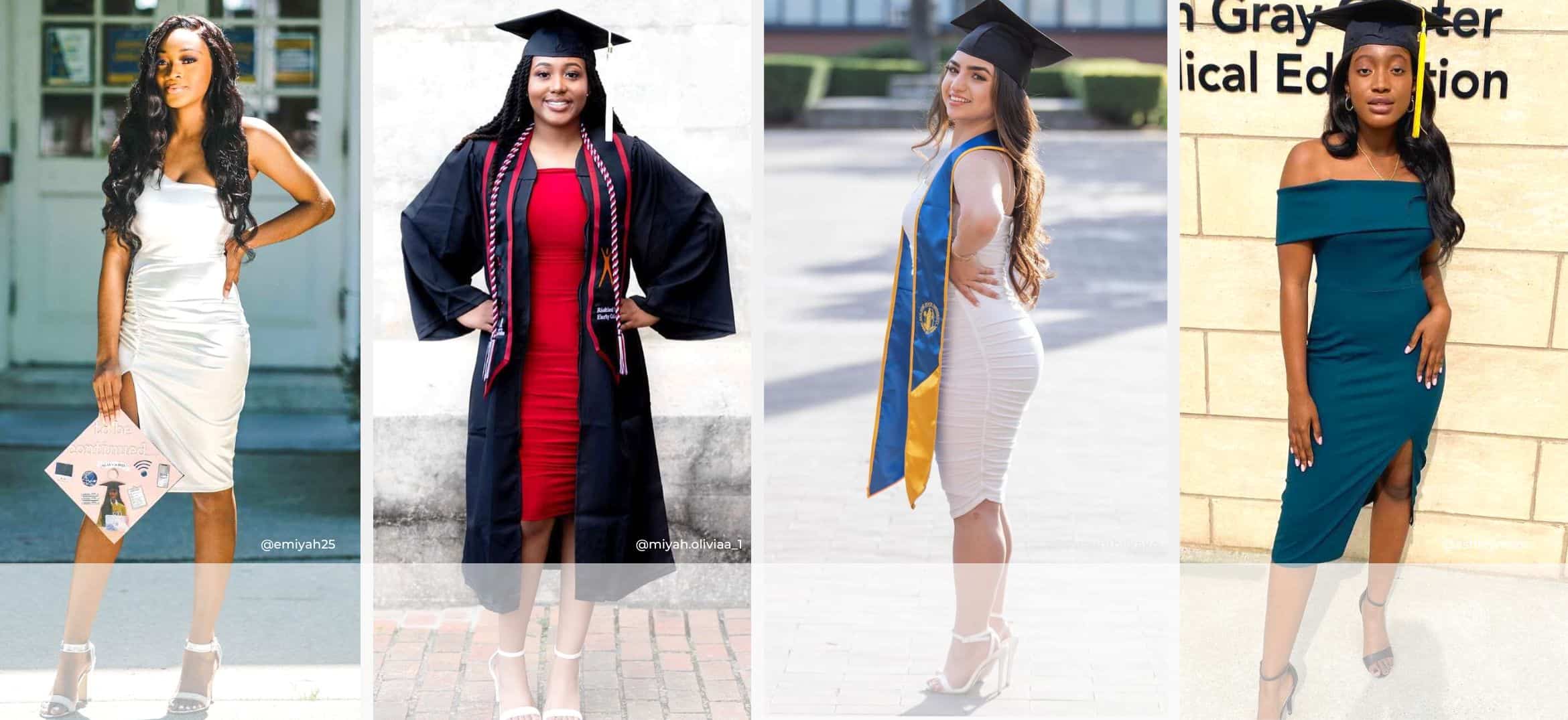
Strategic Accessorizing: Subtle Brand Cues for Networking Success
In brand design, the smallest details often carry the most weight. Accessories are the “micro-interactions” of your graduation outfit. They provide an opportunity to showcase personality within the confines of professional decorum.
Footwear: The Foundation of Confidence
Your choice of footwear is a foundational element of your professional brand. Graduation involves significant movement—walking across a stage, navigating stairs, and standing for hours of networking. From a branding standpoint, your shoes must communicate “preparedness.”
- For Men: A polished Oxford or Derby in dark brown or black is a safe, high-equity choice. Ensure they are scuff-free; in professional circles, the condition of one’s shoes is often viewed as a proxy for their attention to operational details.
- For Women: A block heel or a sophisticated flat is often superior to a stiletto. Branding is about “effortless excellence.” If you are struggling to walk, your brand image shifts from “confident leader” to “unprepared participant.”
Timepieces and Tech: Signaling Values
A wristwatch is one of the few functional accessories that doubles as a brand statement. A classic, minimalist watch suggests a respect for time and tradition. Conversely, a high-end smartwatch, if paired with a professional leather band, can signal that your brand is tech-savvy and data-driven. The key is alignment; your accessories should tell a cohesive story about who you are as a professional.
Transitioning from Student to Professional: The Post-Ceremony Brand Shift
The ceremony itself is only half the event. The reception and the subsequent celebratory gatherings are where the first “post-grad” networking occurs. This is where you shed the university’s corporate identity (the gown) and reveal your personal professional brand.
From Cap and Gown to Business Formal
When the gown comes off, your outfit must stand on its own. A common branding pitfall is wearing an outfit that only works when partially hidden. Your post-ceremony look should be “boardroom ready.” If your target industry is Silicon Valley tech, this might mean a high-quality knit polo and tailored chinos. If it is Wall Street, it means a full suit. Understanding your “target market” (your future employers) is essential when deciding what to reveal once the regalia is removed.
The Role of Photography in Digital Branding
We live in a visual economy. The photos taken on graduation day will likely serve as your primary profile pictures across professional networks for the next 12 to 24 months.
- The Headshot Effect: Your shirt/blouse and tie/necklace will be the most visible elements in a cropped headshot. Ensure colors are flattering to your skin tone and that the fit is impeccable.
- The Power Pose: Professional branding is about posture. Tailored clothing encourages a more upright, confident stance, which translates through the camera lens as leadership potential.
Investing in Your Visual Equity: Long-term Brand Benefits of High-Quality Attire
It is tempting to view graduation attire as a one-time expense. However, a brand strategist views it as an acquisition of an asset. The “What to Wear” question should be reframed as “What should I invest in for my first year of career growth?”
Cost-Per-Wear and Professional Longevity
The suit or dress you buy for graduation should ideally be the same one you wear to your first series of interviews. By investing in quality now, you are lowering your “cost-per-wear” and ensuring that your brand remains consistent from the graduation stage to the interview room. High-quality garments hold their shape and color longer, protecting your investment and ensuring you don’t have to “re-brand” yourself a few months into your job search because your initial wardrobe has deteriorated.

Conclusion: Your Outfit as a Strategic Asset
Ultimately, what you wear to your graduation ceremony is a physical manifestation of your professional ambitions. It is an exercise in brand alignment—merging the tradition of the institution with the innovation of the individual. By choosing attire that is high-quality, industry-appropriate, and meticulously styled, you do more than just follow a dress code. You communicate that you are a person of substance, someone who understands the nuances of professional presentation, and a candidate who is ready to add value to the corporate world.
Your graduation day is the launch of “Brand You.” Ensure your visual identity is as strong as your academic credentials.
aViewFromTheCave is a participant in the Amazon Services LLC Associates Program, an affiliate advertising program designed to provide a means for sites to earn advertising fees by advertising and linking to Amazon.com. Amazon, the Amazon logo, AmazonSupply, and the AmazonSupply logo are trademarks of Amazon.com, Inc. or its affiliates. As an Amazon Associate we earn affiliate commissions from qualifying purchases.