
The traditional hospital care package—typically consisting of floral arrangements, a stack of glossy magazines, and perhaps a box of chocolates—is undergoing a digital transformation. In an era where connectivity is a primary human need and digital tools serve as our primary interface with the outside world, “what to take someone in the hospital” has shifted toward high-utility technology, software subscriptions, and specialized gadgets.
For a patient, a hospital stay is often characterized by a loss of control, physical discomfort, and significant periods of boredom punctuated by clinical interruptions. Technology offers a bridge to normalcy, providing entertainment, communication, and a sense of agency. When selecting tech-based gifts for a patient, the focus should be on portability, ease of use, and the ability to operate within the specific constraints of a medical environment, such as limited power outlets and high ambient noise.

Connectivity and Power Infrastructure
The most common grievance in a hospital room is the lack of accessible power. Hospital beds are often positioned far from wall outlets, and those outlets are frequently occupied by critical medical machinery. Providing a patient with the means to keep their devices powered is perhaps the most practical gift possible.
Long-Range Charging Solutions and GaN Power Adapters
A standard three-foot charging cable is virtually useless in a clinical setting. To ensure a patient can use their phone or tablet while lying in bed, a 10-foot (3-meter) braided cable is the gold standard. Braided cables are preferable as they are more durable and less likely to tangle in bed linens.
Furthermore, you should consider gifting a high-wattage Gallium Nitride (GaN) charger. GaN technology allows for much smaller power bricks that deliver higher wattage, meaning one compact plug can fast-charge a laptop, a tablet, and a smartphone simultaneously. This reduces clutter on the limited bedside table space.
High-Capacity Power Banks
Hospital power can occasionally be interrupted, or a patient may be moved to a ward where outlets are not immediately available. A 20,000mAh power bank ensures that their lifeline to the outside world never goes dark. Look for models with “pass-through charging,” which allows the power bank to be charged while it is also charging a mobile device, effectively acting as an extension cord.
Specialized Tablet Stands and Mounts
Holding a heavy device for hours can be physically exhausting for someone recovering from surgery or illness. A gooseneck tablet holder that clamps onto the bedside table or the bed rail allows for hands-free viewing of movies or video calls. This ergonomic intervention is a high-value tech addition that significantly improves the patient’s quality of life during long periods of bed rest.
Sensory Management and Noise Mitigation
Hospitals are notoriously loud environments. The constant “hospital hum”—a mix of beeping monitors, rolling carts, and hallway conversations—can impede recovery by disrupting sleep cycles. Technology provides a sophisticated solution to this environmental challenge.
Active Noise Cancellation (ANC) Headphones
Premium ANC headphones, such as those from Sony, Bose, or Apple, are transformative in a hospital setting. These devices use external microphones to analyze ambient noise and create “anti-noise” waves to cancel it out. For a patient, this means the ability to replace the sound of a neighboring patient’s television with a curated playlist or a silent “Zen mode.” Over-ear models are generally more comfortable for long-term wear, but high-end in-ear buds with “transparency mode” are useful for patients who need to quickly switch between isolation and speaking with nursing staff.
Sleep-Specific Audio Tech
For overnight stays, standard headphones can be uncomfortable to sleep in. Bluetooth sleep masks—soft fabric headbands with ultra-thin integrated speakers—allow patients to listen to white noise, meditations, or binaural beats while lying in any position. Combined with a premium subscription to a meditation app like Calm or Headspace, this gift addresses the psychological stress of hospitalization through software and hardware integration.
White Noise Machines and Smart Ambiance
If the patient finds headphones restrictive, a portable, travel-sized white noise machine can create a “sound cocoon” around the bed. Some modern versions are app-controlled, allowing the user to customize frequency profiles to mask specific hospital sounds, such as high-pitched alarms or low-frequency mechanical vibrations.
Digital Entertainment and Intellectual Stimulation
Boredom is one of the most significant hurdles to patient morale. Providing high-bandwidth entertainment options helps time pass more quickly and keeps the mind engaged.

E-Readers with Integrated Lighting
While tablets are versatile, an e-reader (like a Kindle or Kobo) is often superior for a hospital environment. The E-ink display reduces eye strain, which is crucial for patients who may be experiencing headaches or sensitivity to light. Furthermore, the battery life of an e-reader is measured in weeks rather than hours, reducing the reliance on charging cables. Ensure the device is pre-loaded with a few titles or a gift card for the digital bookstore.
Portable Gaming Consoles
For younger patients or tech-savvy adults, devices like the Nintendo Switch or the Steam Deck provide deep immersion that short-form mobile games cannot match. Gaming has been shown in various clinical studies to act as a powerful “digital analgesic,” distracting the brain from pain signals by requiring high levels of cognitive focus.
Content Subscription Bundles
Sometimes the best gift isn’t hardware, but the content that runs on it. A “Digital Care Package” might include a three-month subscription to a premium streaming service, a digital magazine hub, or an audiobook platform. This ensures the patient has an endless library of content without needing to manage individual purchases while they are unwell.
Personalization and Mental Well-being Tools
The sterile, impersonal nature of a hospital room can lead to feelings of isolation. Tech can be used to “re-personalize” the space and maintain emotional connections with family and friends.
Digital Photo Frames with Cloud Syncing
A digital photo frame (such as those by Aura or Nixplay) is a powerful way to bring the patient’s home environment into the clinic. Most modern frames allow family members to “cast” photos directly to the frame from their own smartphones via an app. Seeing fresh photos of grandkids, pets, or outdoor scenery appear in real-time can provide a significant emotional boost to a bedbound patient.
Smart Lighting for Circadian Rhythm
Hospital lighting is often harsh and clinical. A small, app-controlled smart lamp (like a Philips Hue Go) allows a patient to adjust the color temperature of their immediate area. Warm, amber tones in the evening can help stimulate melatonin production, while cooler, brighter light in the morning can help maintain a natural circadian rhythm despite being indoors.
High-Quality Stylus Pens
For patients who enjoy sketching or need to sign digital medical consent forms, a high-precision stylus for their tablet can be a thoughtful gift. It facilitates digital journaling, which many find therapeutic during recovery, allowing them to document their journey or express their feelings through digital art.
Security and Asset Management
Bringing expensive electronics into a public space like a hospital comes with inherent risks. Gifting tech accessories that enhance security is a practical and thoughtful move.
Bluetooth Trackers for Device Bags
When a patient is moved between wards or taken for imaging (MRI, CT scans), their personal belongings are often moved by staff. Placing an AirTag or a Tile tracker inside their tech bag or attached to their tablet case provides peace of mind. Both the patient and their family can monitor the location of their expensive gadgets via their smartphones, ensuring nothing gets lost in the shuffle of a hospital transfer.
Modular Tech Organizers
A cluttered bedside table is a hazard for both the patient and the medical staff. A modular tech organizer—a small, structured case with elastic loops and mesh pockets—allows the patient to keep their cables, power banks, and headphones in one place. This prevents “cable spaghetti” and ensures that items don’t accidentally get swept into the laundry or trash during room cleanings.
Privacy Screen Protectors
In a shared ward, privacy is hard to come by. A tempered glass privacy screen protector for a smartphone or tablet limits the viewing angle so that only the person directly in front of the screen can see the content. This allows the patient to view private medical information, messages, or bank accounts without worrying about “shoulder surfing” from visitors or other patients.
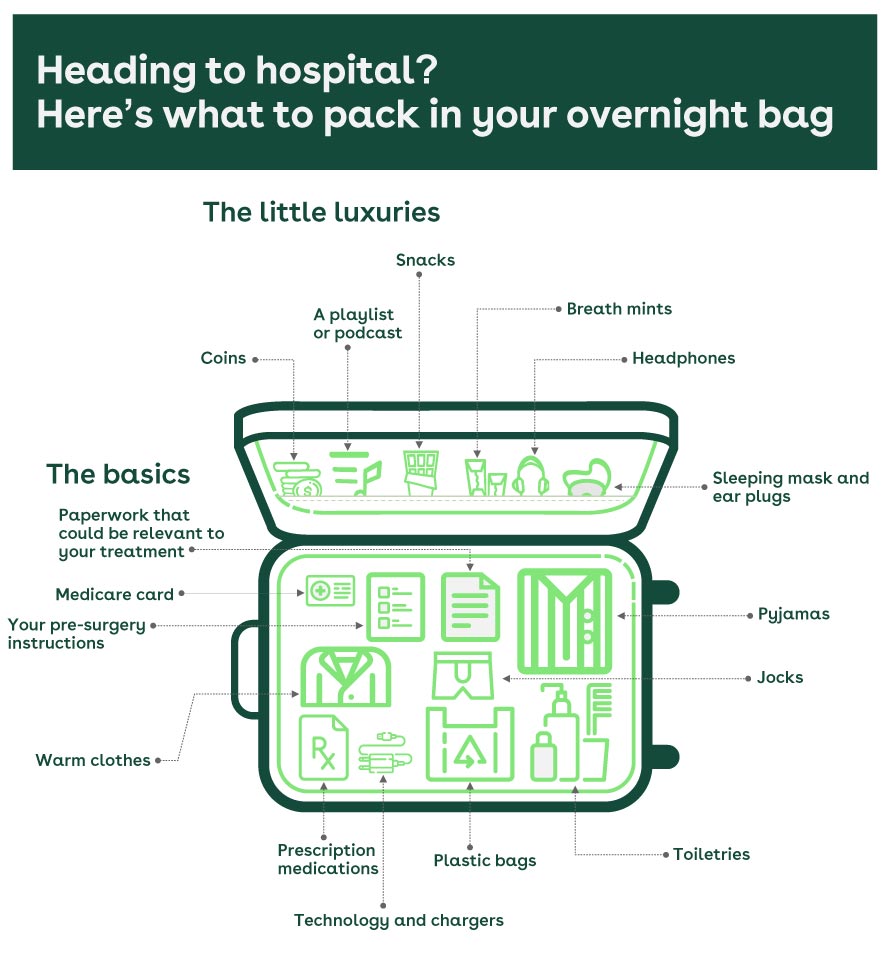
The Future of the Digital Care Package
As we move toward a more integrated healthcare experience, “what to take someone in the hospital” will continue to evolve. We are already seeing the rise of “Virtual Reality (VR) for Pain Management,” where patients use headsets to experience calming environments, and “Smart Wearables” that allow family members to monitor a loved one’s recovery metrics remotely.
When choosing a tech gift, the most important consideration is the patient’s specific physical limitations. If they have limited mobility in their hands, voice-controlled smart speakers (like an Echo Pop) might be better than a tablet. If they are sensitive to light, an e-reader is better than a smartphone. By matching the technology to the patient’s needs, you provide more than just a gadget; you provide a tool for resilience, connection, and recovery. In the modern hospital, a well-chosen piece of technology is the most meaningful “get well soon” card one can send.
aViewFromTheCave is a participant in the Amazon Services LLC Associates Program, an affiliate advertising program designed to provide a means for sites to earn advertising fees by advertising and linking to Amazon.com. Amazon, the Amazon logo, AmazonSupply, and the AmazonSupply logo are trademarks of Amazon.com, Inc. or its affiliates. As an Amazon Associate we earn affiliate commissions from qualifying purchases.