
The holiday season often triggers a surge in consumer spending, particularly for parents and relatives of toddlers. While the impulse is to fill the space under the tree with the latest interactive toys and plush characters, there is a growing movement toward “intentional gifting.” For a two-year-old, the joy of a physical toy is often fleeting, eclipsed by the box it came in or forgotten within weeks as developmental milestones shift their interests. From a financial perspective, the most impactful gift one can give a child of this age is not a plastic gadget, but a head start on their long-term financial security.
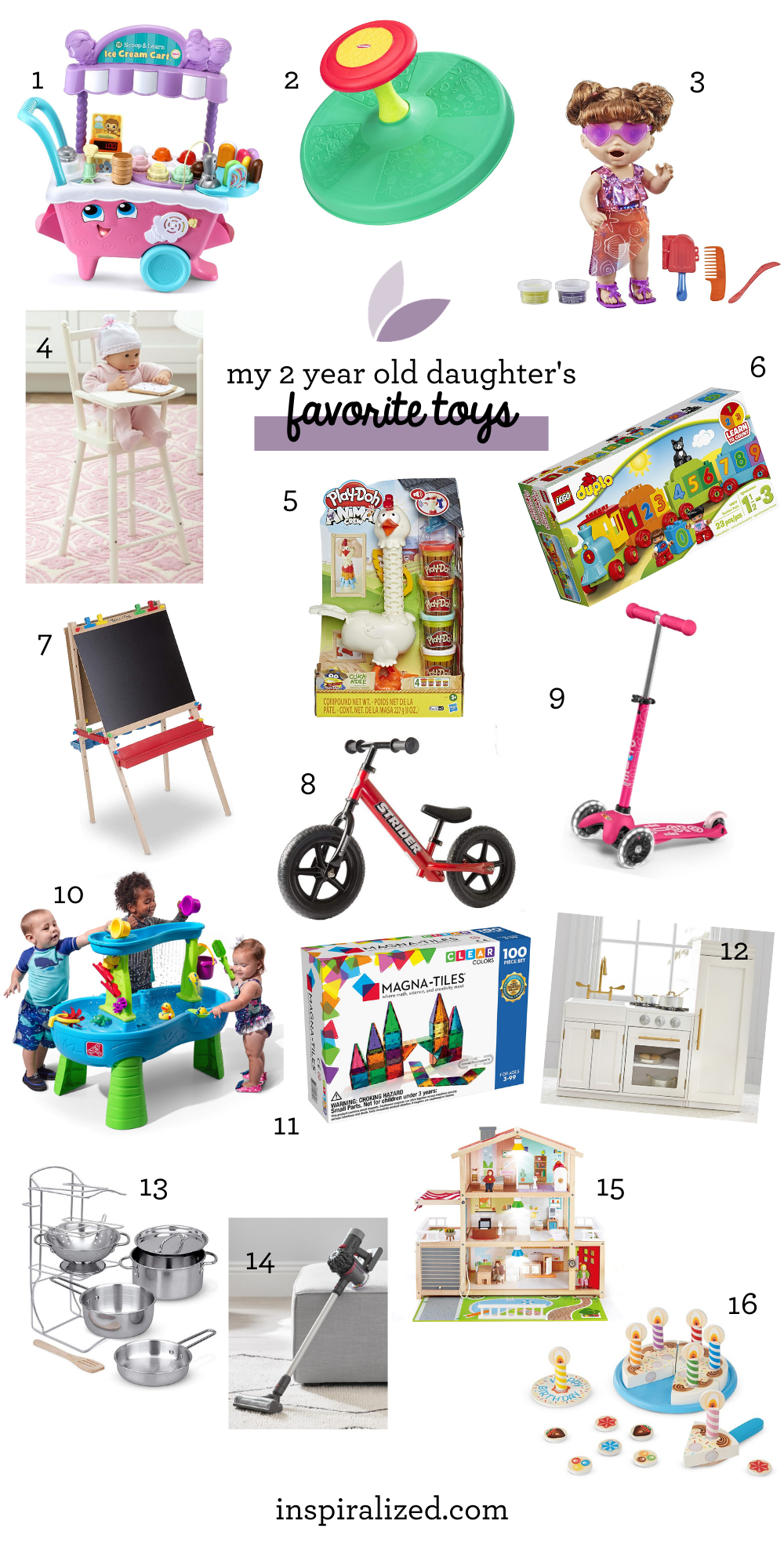
When considering what to get a two-year-old for Christmas, shifting the focus from consumer goods to financial assets can yield returns that last a lifetime. This approach leverages the most powerful force in finance: time. By redirecting a portion of the holiday budget into investment vehicles, parents and grandparents can provide a foundation of wealth that will support the child through higher education, home ownership, and eventual retirement.
The Compounding Power of Early Gifting
The primary advantage of gifting financial assets to a two-year-old is the exceptionally long time horizon. At age two, a child has 16 years before they reach college age, roughly 20 years before they enter the professional workforce, and over six decades before they reach retirement age. In the world of personal finance, this time is a multiplier that can turn modest holiday contributions into significant sums.
The Time Value of Money
The concept of the time value of money suggests that a dollar today is worth more than a dollar tomorrow because of its potential earning capacity. When you invest $500 for a two-year-old instead of spending it on toys, that capital begins to work immediately. At an average annual return of 7%—a conservative benchmark for a diversified equity portfolio—that $500 gift would grow to approximately $1,500 by the time the child turns 18. If left untouched until the child reaches age 65, that single Christmas gift could potentially grow to over $35,000, adjusted for inflation.
Moving Beyond Disposable Consumerism
The toy industry is built on a model of rapid obsolescence. Toys for two-year-olds are frequently outgrown within months. Furthermore, the environmental and financial costs of “clutter” are significant. By choosing to “gift” an investment, you are participating in a form of strategic capital allocation. This does not mean the child should receive nothing to play with on Christmas morning; rather, it suggests a rebalancing where the “big gift” is a contribution to their future, while physical gifts remain modest and developmentally appropriate.
Tax-Advantaged Education Savings: The 529 Plan
One of the most effective gifts for a two-year-old is a contribution to a 529 College Savings Plan. As the cost of higher education continues to outpace general inflation, early intervention is the best defense against future student debt.
Flexibility and Growth
A 529 plan is a state-sponsored investment account that allows you to save for a child’s education expenses with significant tax advantages. Contributions are made with after-tax dollars, but the earnings grow tax-deferred, and withdrawals are tax-free when used for qualified education expenses. These expenses have expanded in recent years to include not just tuition and room and board for college, but also K-12 tuition, apprenticeship programs, and even the repayment of up to $10,000 in existing student loans.
For a two-year-old, a 529 plan is an ideal Christmas gift because it allows for aggressive growth. Since the funds won’t be needed for at least 16 years, the account can be invested heavily in equities, which historically provide higher returns over the long term compared to bonds or savings accounts.
The SECURE Act 2.0 and Roth IRA Rollovers
A common concern for parents is “overfunding” a 529 plan. What happens if the child chooses not to go to college? The SECURE Act 2.0 addressed this by allowing for the rollover of unused 529 funds into a Roth IRA for the beneficiary. Starting in 2024, if a 529 account has been open for at least 15 years, the beneficiary can roll over up to $35,000 (lifetime limit) into a Roth IRA, subject to annual contribution limits. This transformation of a college fund into a retirement fund makes the 529 plan an even more versatile gift for a toddler, ensuring the money is never “wasted.”
Custodial Accounts: Building a Stock Portfolio for a Toddler
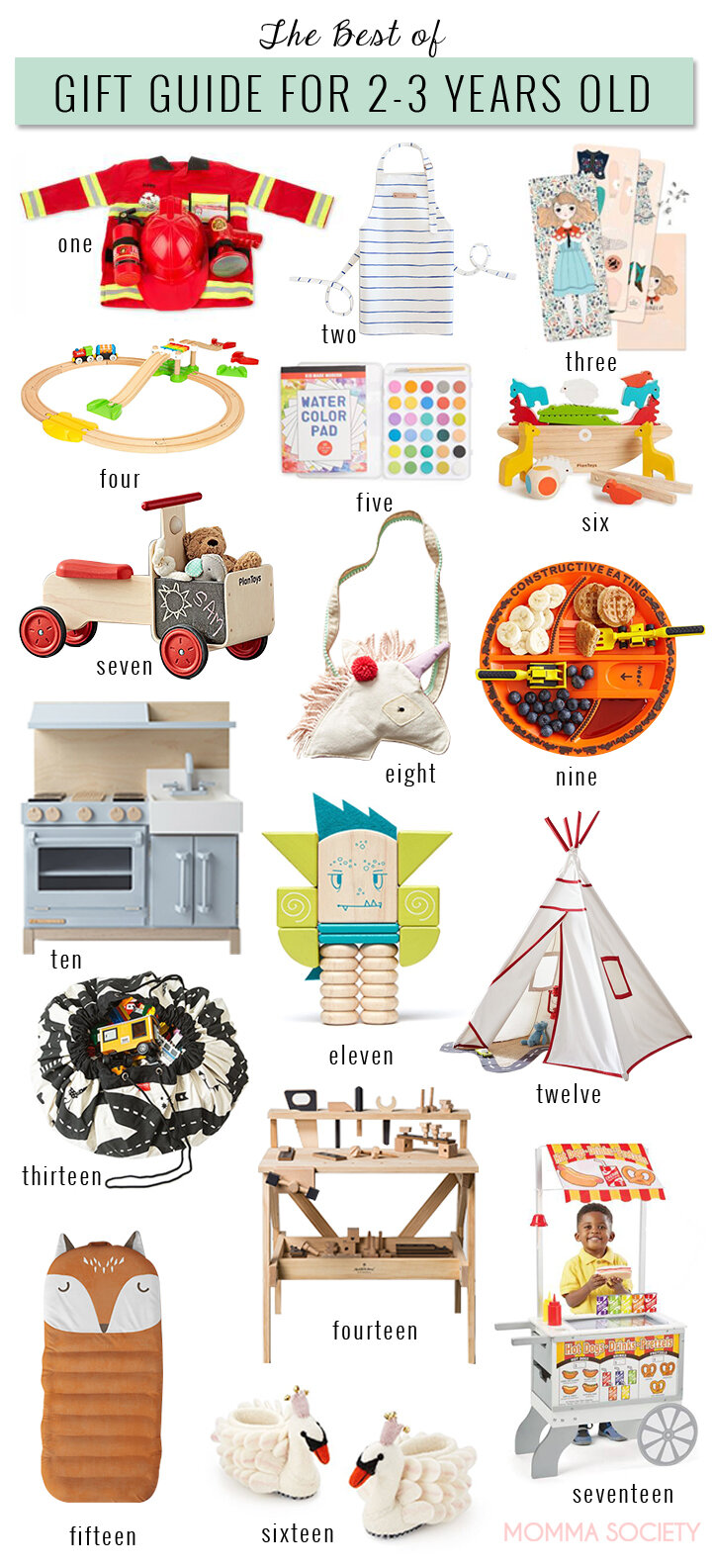
For those who want to give a gift that provides both financial value and an eventual educational opportunity regarding the markets, a custodial account is a powerful tool. Under the Uniform Transfers to Minors Act (UTMA) or the Uniform Gifts to Minors Act (UGMA), adults can open an investment account in a minor’s name.
UTMA vs. UGMA: Understanding the Nuances
While both accounts allow an adult to manage assets for a minor, they differ in what they can hold. UGMA accounts are generally limited to bank deposits, stocks, bonds, and mutual funds. UTMA accounts can hold virtually any type of asset, including real estate or fine art.
The primary benefit of these accounts is that the assets are owned by the child, but controlled by a custodian (usually the parent) until the child reaches the age of majority (18 or 21, depending on the state). This allows the custodian to trade and manage the portfolio on the child’s behalf. From a tax perspective, a portion of the earnings may be tax-free or taxed at the child’s lower tax rate under “kiddie tax” rules, providing a modest tax advantage over a standard brokerage account.
Introducing the Concept of Ownership with Fractional Shares
Modern fintech platforms have made it easier than ever to buy “fractional shares” of blue-chip companies. A sophisticated Christmas gift for a two-year-old could be the start of a “Brand Portfolio.” Instead of just buying the physical products, the gift involves buying shares in the companies that produce the child’s favorite things—Disney, Apple, or Mattel. While the two-year-old won’t understand market capitalization or price-to-earnings ratios yet, having these shares held in a custodial account creates a narrative of ownership that can be used as a teaching tool as they grow.
High-Yield Savings and Direct Cash Contributions
Sometimes the most effective strategy is simplicity. For relatives who prefer to give cash, the “piggy bank” of the modern era should be a High-Yield Savings Account (HYSA).
Maximizing Interest in a Fluctuating Economy
Traditional savings accounts at major retail banks often offer interest rates near 0.01%. In contrast, online-only banks often provide HYSAs with rates significantly higher, often tracking the federal funds rate. Putting a $100 Christmas check from a grandparent into a 4.5% interest HYSA is a vastly superior move than letting it sit in a standard checking account or spending it on a toy that will be donated within a year.
The Psychology of the “Sinking Fund”
Parents can also use the holiday season to establish a “sinking fund” for the child’s future milestones. Whether it is for a first car, a gap year, or a wedding, starting a dedicated high-yield account when the child is two allows for small, manageable contributions to aggregate into a substantial sum over 15 to 20 years. The goal is to move away from the “last-minute scramble” for funds when these life events occur.
Strategic Holiday Budgeting for Parents
While the focus on investment is paramount, the reality is that parents still want their children to have a magical Christmas morning. The key to successful financial gifting is the balance between present joy and future security.
The “Want, Need, Wear, Read” Framework
To prevent overspending on toys that add little value, many financial experts recommend the “Four Gift Rule”:
- Something they want: A single high-quality toy or experience.
- Something they need: Practical items like updated gear or furniture for their room.
- Something to wear: Essential clothing or winter gear.
- Something to read: Investing in their cognitive development and literacy.
By adhering to this framework, parents can drastically reduce their holiday “burn rate,” freeing up hundreds of dollars that can be redirected into the 529 plan or custodial account mentioned previously.
Automating the “Gift of Growth”
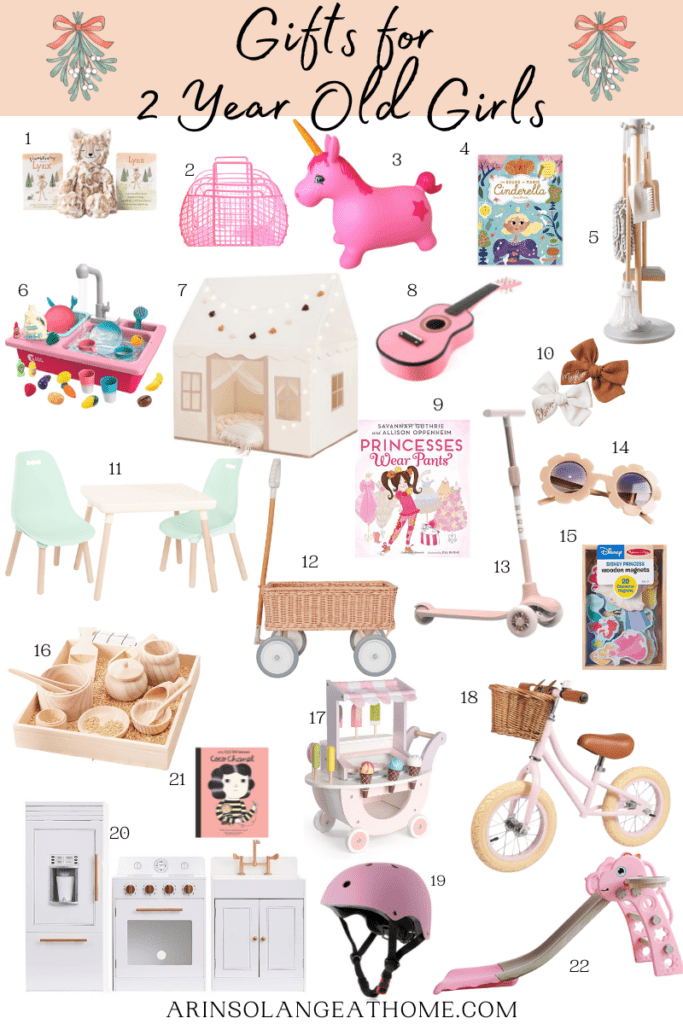
The most successful financial gifts are those that are automated. For a two-year-old, the best “Christmas gift” might actually be a recurring monthly transfer of $50 into an investment account, initiated on December 25th. This removes the emotional friction of manual transfers and ensures that the child’s wealth grows consistently regardless of the time of year. Over the course of a childhood, these automated contributions become far more valuable than any singular physical gift.
In conclusion, when we ask “what to get a 2-year-old for Christmas,” the answer shouldn’t just be found in a toy catalog. By viewing the holiday as an opportunity for capital allocation, parents and families can provide a toddler with the ultimate gift: the freedom and security that comes with a robust financial foundation. The plastic toys will eventually break or be outgrown, but the power of compounded growth is a gift that truly keeps on giving.
aViewFromTheCave is a participant in the Amazon Services LLC Associates Program, an affiliate advertising program designed to provide a means for sites to earn advertising fees by advertising and linking to Amazon.com. Amazon, the Amazon logo, AmazonSupply, and the AmazonSupply logo are trademarks of Amazon.com, Inc. or its affiliates. As an Amazon Associate we earn affiliate commissions from qualifying purchases.