
Chania, the jewel of Crete’s western coast, has long been celebrated for its Venetian harbor, labyrinthine old town, and world-class beaches like Balos and Elafonisi. However, beneath the veneer of a Mediterranean holiday destination lies one of the most robust and emerging financial ecosystems in Southern Europe. For the strategic investor, the question of “what to do in Chania” shifts from leisure to asset allocation, market entry, and capital appreciation. As Greece continues its post-decade recovery, Chania has emerged as a focal point for foreign direct investment (FDI), real estate development, and the burgeoning “workation” economy.
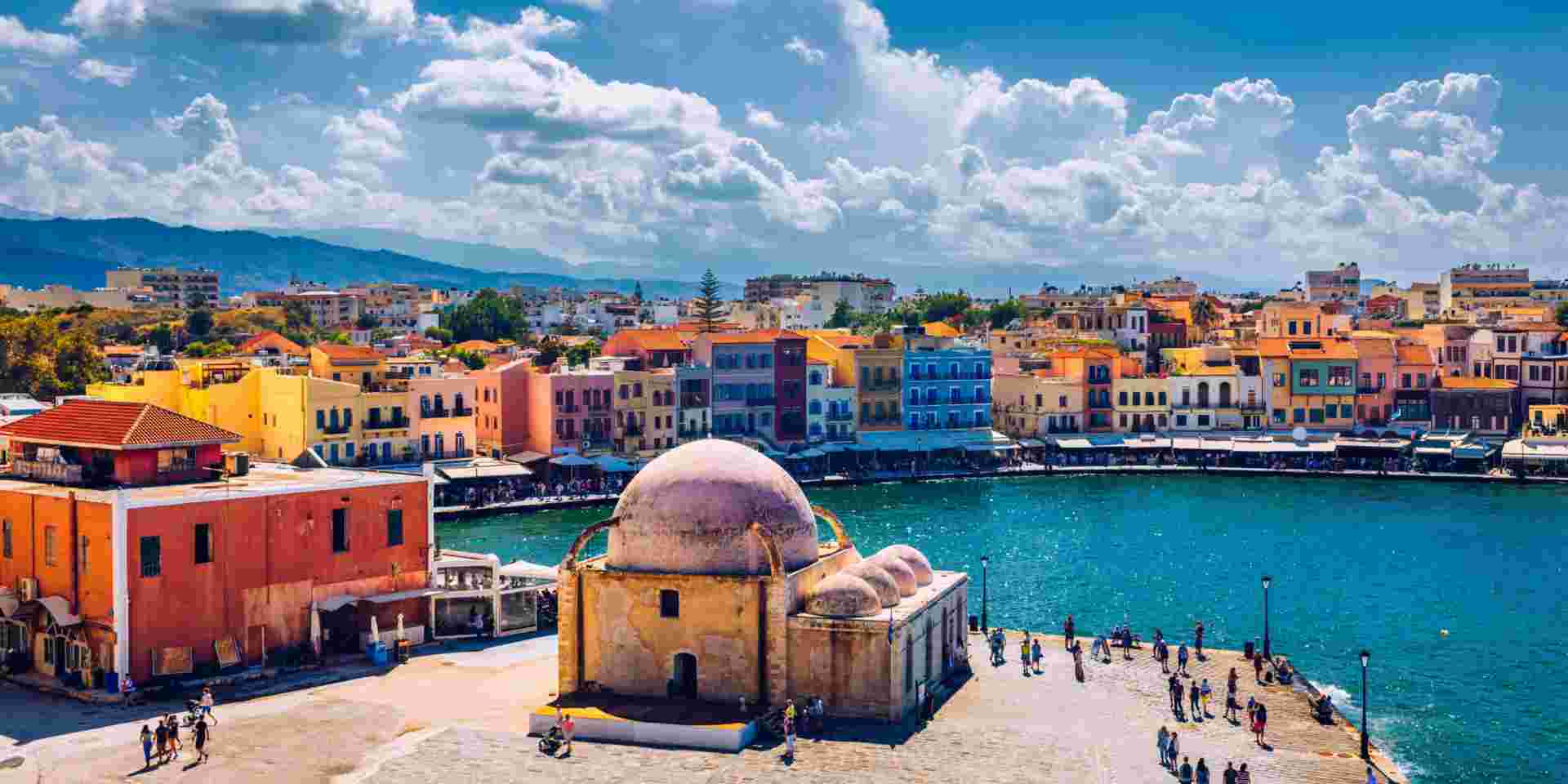
To understand the financial potential of this region, one must look past the turquoise waters and examine the macroeconomic indicators, the local real estate yields, and the tax incentives currently driving international interest.
The Real Estate Goldmine: Strategic Property Acquisition
The primary economic driver for individuals looking to deploy capital in Chania is the residential and commercial real estate market. Unlike the oversaturated markets of Mykonos or Santorini, Chania offers a unique blend of historical scarcity and developmental headroom. The “what to do” for investors here involves a two-pronged strategy: the restoration of heritage properties in the Old Town and the development of luxury villas in the Akrotiri and Apokoronas peninsulas.
Short-Term Rental Yields and the Airbnb Effect
The short-term rental market in Chania remains one of the most resilient in the Mediterranean. With an annual tourist season that now stretches from early April to late November, high-quality properties can see occupancy rates exceeding 80% during the peak six months. Investors focusing on the Old Town—specifically the Splantzia and Topanas districts—benefit from a “supply-side moat.” Because building regulations are strictly controlled by the Archaeological Service, the supply of available units is capped, ensuring that rental prices remain high even as demand fluctuates globally.
Capital Appreciation in Emerging Neighborhoods
While the Old Town is the traditional choice, smart money is moving toward Nea Chora and Halepa. Nea Chora, once a humble fishing neighborhood, is undergoing significant gentrification. Its proximity to both the beach and the city center makes it a prime candidate for capital appreciation. Investors looking for long-term growth should prioritize properties with sea views or those suitable for conversion into high-end apartments for the growing professional class in Chania.
The Golden Visa and Tax Incentives
For non-EU investors, the Greek Golden Visa program remains a significant draw. By investing a specific threshold in real estate, individuals can secure residency. Furthermore, Greece’s specialized tax regimes for high-net-worth individuals and retirees—offering flat tax rates on foreign-sourced income—have made Chania a top-tier destination for wealth preservation. Understanding the legal framework of these incentives is the first step for any international financier looking at the Cretan market.
The Business of Hospitality: Beyond Traditional Tourism
When considering what to do in Chania from a business perspective, one must look at the evolution of the hospitality sector. The market is shifting away from mass-market tourism toward “niche luxury” and “experiential travel.” This transition provides fertile ground for entrepreneurs and venture capitalists to establish brands that cater to a more affluent, discerning demographic.
Boutique Hotels and Adaptive Reuse
There is a significant trend in the adaptive reuse of historical industrial buildings. Old tanneries in the Tabakaria district, for instance, are being transformed into ultra-luxury boutique hotels and loft-style residences. This niche requires higher initial capital expenditure due to the complexities of historical preservation, but the resulting “brand equity” allows for premium pricing that far outstrips standard hotel rates.
Agrotourism and Sustainable Investment
Crete is a self-sufficient island with a massive agricultural output. Savvy investors are combining the hospitality sector with the primary sector. Investing in olive groves or vineyards that double as luxury retreats—an “Agrotourism” model—is gaining traction. This vertical integration allows for multiple revenue streams: the sale of premium organic products (olive oil, wine, honey) and the high-margin revenue from eco-tourism stays. This model is particularly attractive to ESG (Environmental, Social, and Governance) focused investors.
The Gastronomy Economy
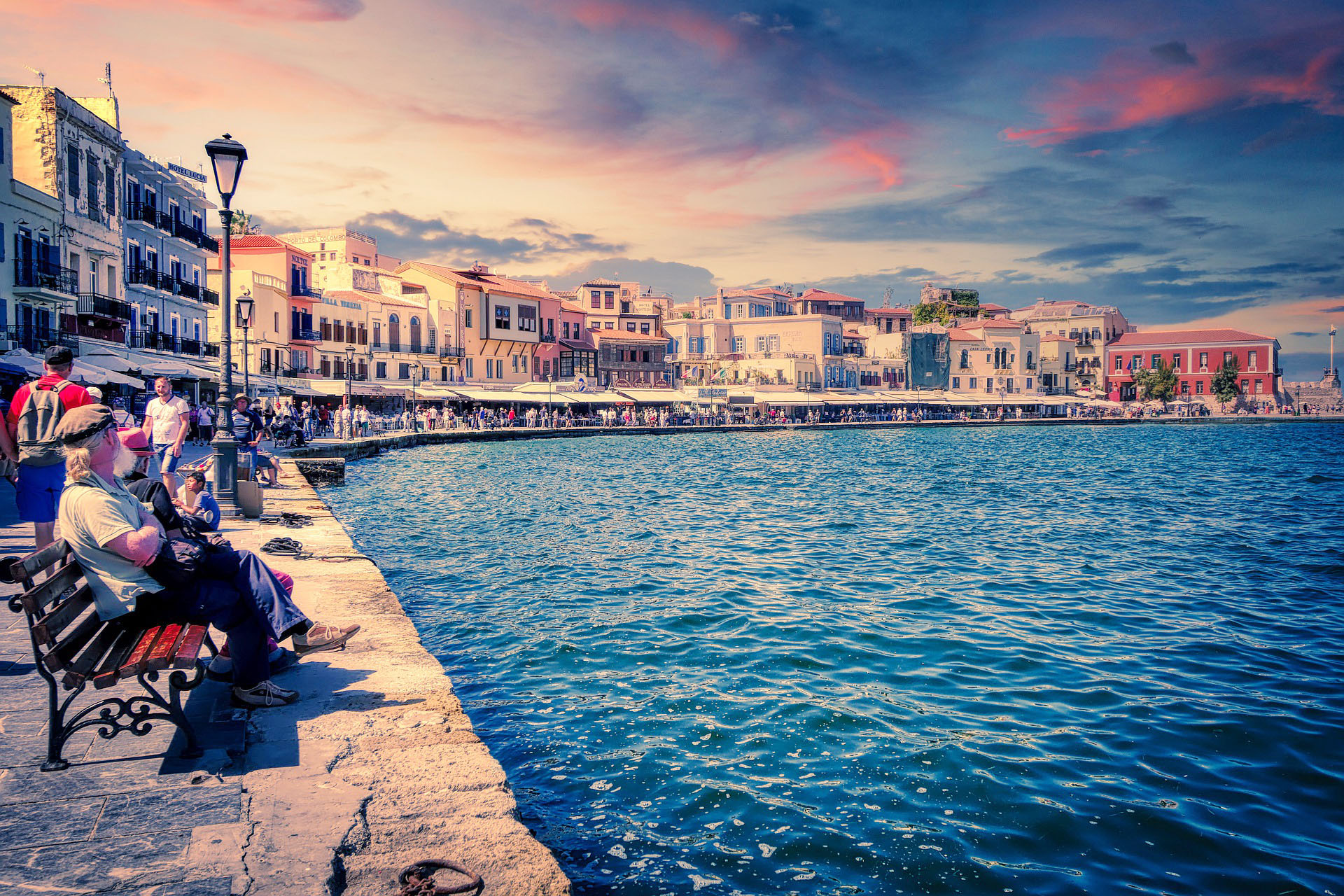
The Cretan diet is a global brand in its own right. What to do in Chania for the food and beverage investor involves the professionalization of this brand. There is a clear market gap for high-end dining experiences that utilize local supply chains but apply modern culinary techniques and international service standards. Investing in the supply chain—from local organic farms to high-end retail outlets in the Chania airport—offers a diversified way to profit from the region’s reputation.
The Digital Nomad Surge and the “Workation” Infrastructure
One of the most profound shifts in Chania’s economy over the last five years has been its rise as a hub for digital nomads and remote professionals. This demographic brings a different type of economic value: consistent, year-round spending power that is not tied to the volatility of the traditional tourist season.
Co-working and Managed Living Spaces
The infrastructure for remote work in Chania is still in its growth phase, presenting a classic “early mover” opportunity. There is a rising demand for high-end co-working spaces and “coliving” developments that offer high-speed fiber-optic internet, networking opportunities, and professional amenities. Developing these spaces in renovated mansions or modern complexes is a viable strategy for those looking to tap into the “New Economy.”
Technological Infrastructure and Connectivity
The Greek government has invested heavily in the digital transformation of the country. Chania, with its international airport (CHQ) serving as a major hub for low-cost and charter carriers, is uniquely positioned. The “what to do” for tech-focused investors involves the development of apps and platforms that facilitate the local experience—from private yacht charters to automated property management systems for the thousands of foreign-owned villas in the region.
The Cost of Living vs. Quality of Life Arbitrage
For the individual professional or small business owner, Chania offers a compelling “geographical arbitrage” opportunity. The cost of living, while rising, remains significantly lower than in Northern European or North American tech hubs. However, the quality of life—measured by climate, safety, and Mediterranean lifestyle—is exponentially higher. This makes Chania an ideal location for startups looking to lower their burn rate without sacrificing the well-being of their founders and employees.
Financial Risk Management and Market Entry Strategies
No investment landscape is without its challenges. To successfully navigate the Chania market, one must adopt a rigorous approach to risk management. The Greek legal and bureaucratic system, while improving, remains complex and requires local expertise.
Navigating the Legal Framework
The most critical “to-do” for any investor is the assembly of a local team: a specialized real estate lawyer, a certified accountant familiar with international tax treaties, and a reputable civil engineer. Title deeds in Greece, particularly in rural Cretan areas, can be complicated by old forest laws or archaeological restrictions. Due diligence is not just a formality; it is the cornerstone of capital protection in this region.
Currency and Inflation Considerations
While Greece uses the Euro, providing a level of stability, global inflation affects construction costs and consumer spending. Investors should look at “hard assets”—land and well-located buildings—as a hedge against currency fluctuations. Furthermore, diversifying investments across both the rental market (which provides cash flow) and land banking (which provides long-term appreciation) can create a balanced Cretan portfolio.
The Importance of Local Partnerships
Crete is a society built on relationships. For a foreign investor, trying to operate in a vacuum is a high-risk strategy. What to do in Chania to ensure long-term success involves building “social capital.” Engaging with the local community, supporting regional initiatives, and partnering with established Cretan firms can provide a level of operational security that no contract can fully replicate.

Conclusion: The Long-Term Outlook for Chania
Chania is transitioning from a seasonal getaway to a year-round economic powerhouse in the Eastern Mediterranean. For the investor, the “what to do” is clear: identify the sectors where the region’s natural beauty and cultural heritage meet modern demand for luxury, technology, and sustainability. Whether it is through the acquisition of a Venetian townhouse, the development of a tech-ready coliving space, or the expansion of an organic Cretan export brand, the opportunities for significant return on investment are abundant. As the world becomes more mobile and the “work-from-anywhere” culture solidifies, Chania’s value proposition only grows stronger. The window for early-stage entry is closing, making the current climate the ideal time for strategic capital deployment.
aViewFromTheCave is a participant in the Amazon Services LLC Associates Program, an affiliate advertising program designed to provide a means for sites to earn advertising fees by advertising and linking to Amazon.com. Amazon, the Amazon logo, AmazonSupply, and the AmazonSupply logo are trademarks of Amazon.com, Inc. or its affiliates. As an Amazon Associate we earn affiliate commissions from qualifying purchases.