
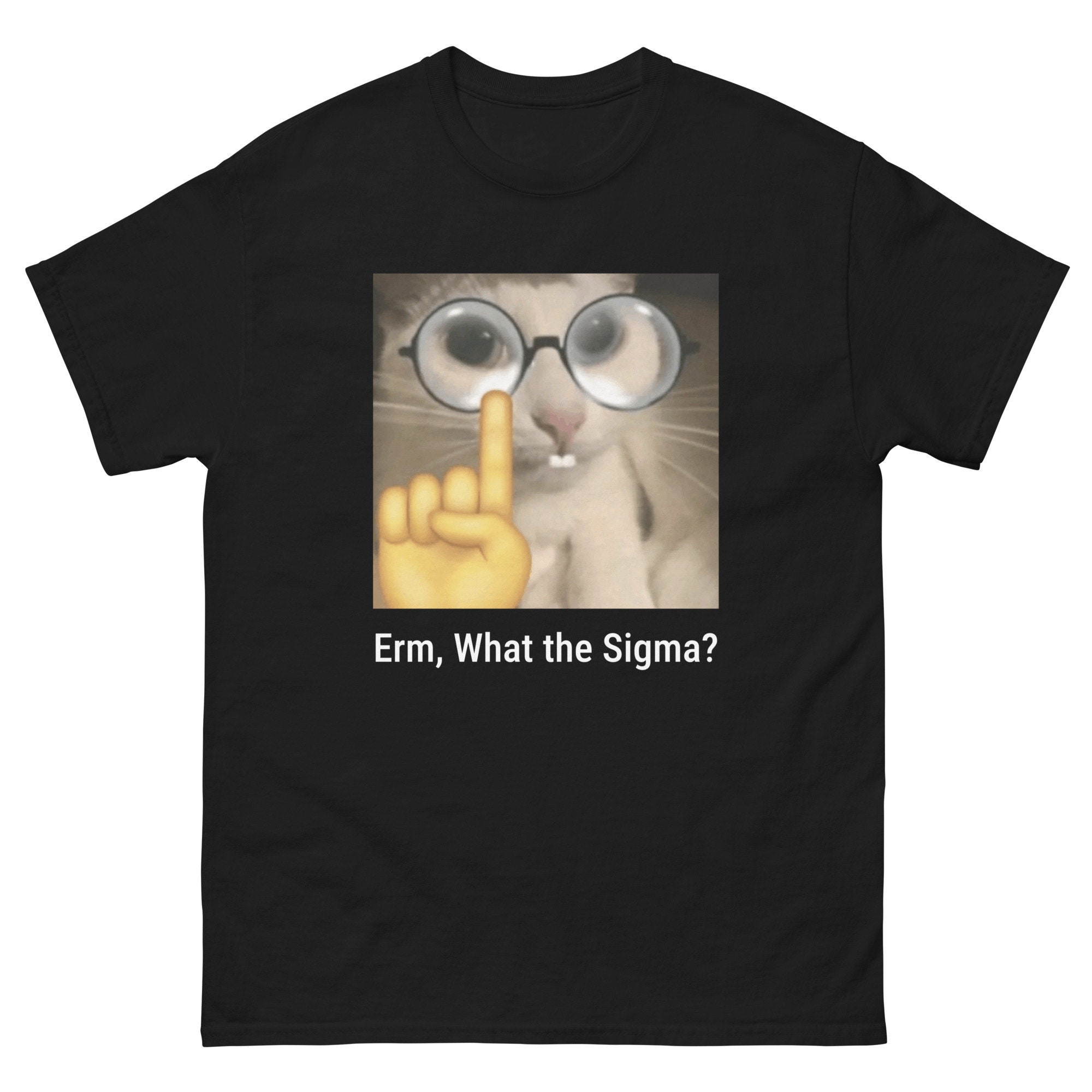
In the rapidly evolving landscape of contemporary marketing, the “What the Sigma Shirt” represents more than a fleeting internet joke; it serves as a sophisticated case study in brand agility, cultural semiotics, and the shifting dynamics of consumer identity. To understand the significance of this apparel item, one must look beyond the surface-level humor and examine how modern brand strategies are increasingly dictated by the hyper-speed lifecycle of internet subcultures.
The term “Sigma,” once a niche descriptor within digital hierarchies, has undergone a radical transformation. In its current iteration, particularly when paired with the bewildered interrogative “What the,” it has become a staple of Gen Alpha and late Gen Z lexicon. For brand strategists, the “What the Sigma Shirt” is an artifact of “ironic branding”—a phenomenon where the value of a product is derived not from its aesthetic perfection, but from its ability to signal an understanding of a complex, fast-moving digital language.

The Evolution of Cultural Capital in Brand Identity
Brand identity has traditionally been built on the pillars of consistency, longevity, and aspirational quality. However, the rise of the “Sigma” phenomenon suggests a pivot toward “cultural currency” as a primary driver of brand value. In this context, a brand is no longer a static promise but a reactive entity capable of speaking the language of its audience in real-time.
From Subculture to Mainstream: The Sigma Narrative
The “Sigma” archetype—originally defined as the successful, independent loner—was initially marketed as a serious lifestyle brand for men. However, the internet’s natural tendency toward subversion quickly turned the “Sigma” concept into a parody. This shift is where the branding opportunity emerged. By the time the “What the Sigma Shirt” hit the market, the term had been stripped of its original “alpha-beta” baggage and replaced with an absurdist, self-aware irony.
Brands that successfully captured this movement did not attempt to sell the original “Sigma” ideology. Instead, they branded the reaction to it. This distinction is crucial in corporate identity: it signals that a brand is “in on the joke,” creating a sense of community with a demographic that is notoriously cynical toward traditional advertising.
The Semiotics of Ironic Apparel
In branding, every visual element communicates a message. The “What the Sigma Shirt” often utilizes a specific visual shorthand—sometimes using low-fidelity graphics or intentionally “bad” design—to reinforce its authenticity. This is “Anti-Design” as a brand strategy. By eschewing polished, corporate aesthetics, the shirt communicates that it belongs to the world of the user, not the boardroom. It is a form of signaling that allows individuals to broadcast their digital literacy and their participation in a specific, ephemeral moment of internet history.
Strategic Merchandising and the Agility of E-commerce Brands
The “What the Sigma Shirt” is a prime example of the “Fast-Brand” model. Unlike traditional retail cycles that take months to move from concept to shelf, modern e-commerce brands use data-driven insights to identify trends within hours of their peak.
Rapid Prototyping and Reactive Marketing
The success of such products relies on the infrastructure of print-on-demand and algorithmic trend-spotting. When a phrase like “What the Sigma” goes viral on platforms like TikTok or YouTube, agile brands can have a design ready and marketed within the same day. This reactive marketing strategy turns the brand into a mirror of the cultural conversation.
The strategy here is not to build a permanent legacy around a single product, but to build a brand identity that is synonymous with relevance. For companies like these, the product is the medium, and the meme is the message. The “What the Sigma Shirt” is essentially a physical manifestation of a digital timestamp.
Design Language and Consumer Psychology
From a design perspective, the branding of these shirts often leans into the “shitposting” aesthetic. This is a deliberate choice. In a world of high-definition, AI-generated perfection, there is a brand premium on things that look human, raw, and intentionally unrefined. The consumer psychology behind purchasing a “What the Sigma Shirt” is rooted in the desire for “contextual belonging.” The wearer isn’t just buying a shirt; they are buying the right to be asked “What does that mean?” or the satisfaction of a knowing nod from a peer. It is branding as a social shibboleth.
Personal Branding in the Age of Digital Slang
While corporate brands leverage these trends for revenue, individuals use them for personal branding. In the modern social landscape, what you wear is a curated extension of your digital persona.
Signaling Belonging Through Niche Apparel
For a Gen Alpha consumer, wearing a “What the Sigma Shirt” is a powerful tool for personal brand positioning. It positions the individual as someone who is “online,” savvy, and fluent in the latest linguistic developments. This is “identity branding” at its most granular level. The shirt serves as a bridge between the digital self and the physical self.
In a professional or social setting, this type of apparel functions as a disruptor. It challenges traditional notions of “status” branding (like wearing a luxury logo) and replaces them with “intellectual” branding (knowing the meme). The “status” comes from the speed of adoption—being the first in one’s peer group to wear the latest viral reference.
The Risks of Corporate Appropriation
There is a fine line between a brand being “culturally relevant” and “trying too hard.” When a legacy brand attempts to market a “What the Sigma Shirt,” it often fails because it lacks the necessary irony or timing. This is known in brand strategy as the “uncanny valley” of marketing. If a brand appears to be monetizing a trend without understanding its nuances, the brand identity suffers a “cringe” penalty, which can be devastating for long-term loyalty.
Successful branding in this niche requires a “light touch.” It involves acknowledging the trend without over-explaining it. The “What the Sigma” phenomenon thrives on its own absurdity; any attempt by a brand to rationalize it or make it “respectable” immediately kills the brand’s appeal.
Case Studies: Navigating the Lifecycle of Viral Lexicon
To understand the long-term implications of this branding style, we must look at how similar trends have been integrated into broader corporate identities.
Balancing Trendiness with Long-Term Brand Value
The challenge for any brand that capitalizes on a “What the Sigma Shirt” is sustainability. A brand cannot survive on memes alone. However, many successful streetwear and digital-first brands use these viral moments as “top-of-funnel” customer acquisition tools. They draw the consumer in with a $25 meme shirt and then work to convert them into loyalists for their more foundational, core product lines.
This strategy treats the “What the Sigma Shirt” as a loss leader or a high-engagement marketing asset rather than the brand’s entire reason for being. It’s a way to keep the brand’s “voice” fresh and audible above the digital noise.
The Future of Reactive Brand Identity
As AI tools become more integrated into brand management, we will likely see an even faster acceleration of this trend. We are approaching a “zero-latency” market where the gap between a meme being born and it being branded on a physical product is virtually non-existent.
The “What the Sigma Shirt” is a precursor to a future where branding is entirely modular. Brands will no longer have a single “voice” but a multifaceted persona that can adapt to different sub-cultural pockets simultaneously. The “Sigma” brand identity works because it is fluid; it means whatever the community decides it means at that moment.
The Psychological Impact of Apparel as a Communication Tool
Finally, we must consider the brand resonance of the shirt as a piece of “wearable media.” In an era where digital communication can feel ephemeral and disconnected, physical objects that reference digital experiences have a unique grounding effect.
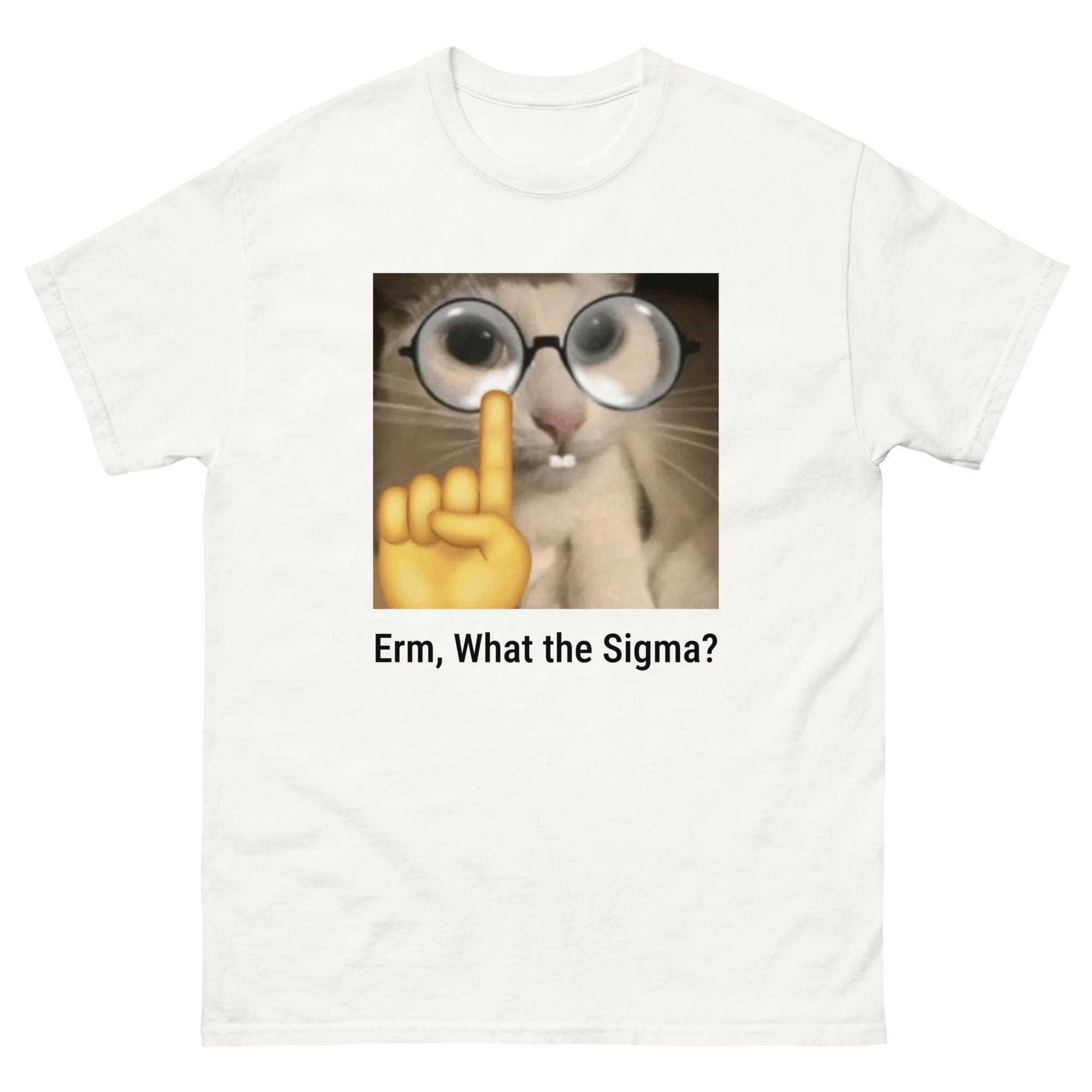
The “What the Sigma Shirt” acts as a physical anchor for a digital community. When a brand produces this shirt, they are providing a service: they are making the intangible tangible. This creates a deep, albeit short-lived, emotional connection between the consumer and the brand.
In conclusion, the “What the Sigma Shirt” is a masterclass in modern brand strategy. It demonstrates the power of irony, the necessity of speed, and the importance of cultural fluency in the digital age. For brands looking to capture the attention of the next generation of consumers, the lesson is clear: don’t just sell a product—sell the context. Understand that in the current market, being “in on the joke” is often more valuable than being the most prestigious name on the shelf. The “Sigma” era of branding is here, and it is defined by its ability to turn the nonsensical into the essential.
aViewFromTheCave is a participant in the Amazon Services LLC Associates Program, an affiliate advertising program designed to provide a means for sites to earn advertising fees by advertising and linking to Amazon.com. Amazon, the Amazon logo, AmazonSupply, and the AmazonSupply logo are trademarks of Amazon.com, Inc. or its affiliates. As an Amazon Associate we earn affiliate commissions from qualifying purchases.