
In the sphere of brand strategy, the concept of “speaking things into existence” is often dismissed as mere motivational rhetoric or metaphysical abstraction. However, when we look at the biblical foundation of this principle—the idea that words have the power to create, define, and shape reality—we find the most potent blueprint for building a modern corporate identity. In the biblical narrative, the universe begins not with an action, but with a declaration: “Let there be light.” This is the ultimate “Logos,” the creative word that brings order to chaos. For brand architects, this principle serves as a reminder that a brand does not exist in the product itself, but in the language, names, and narratives we use to define it.
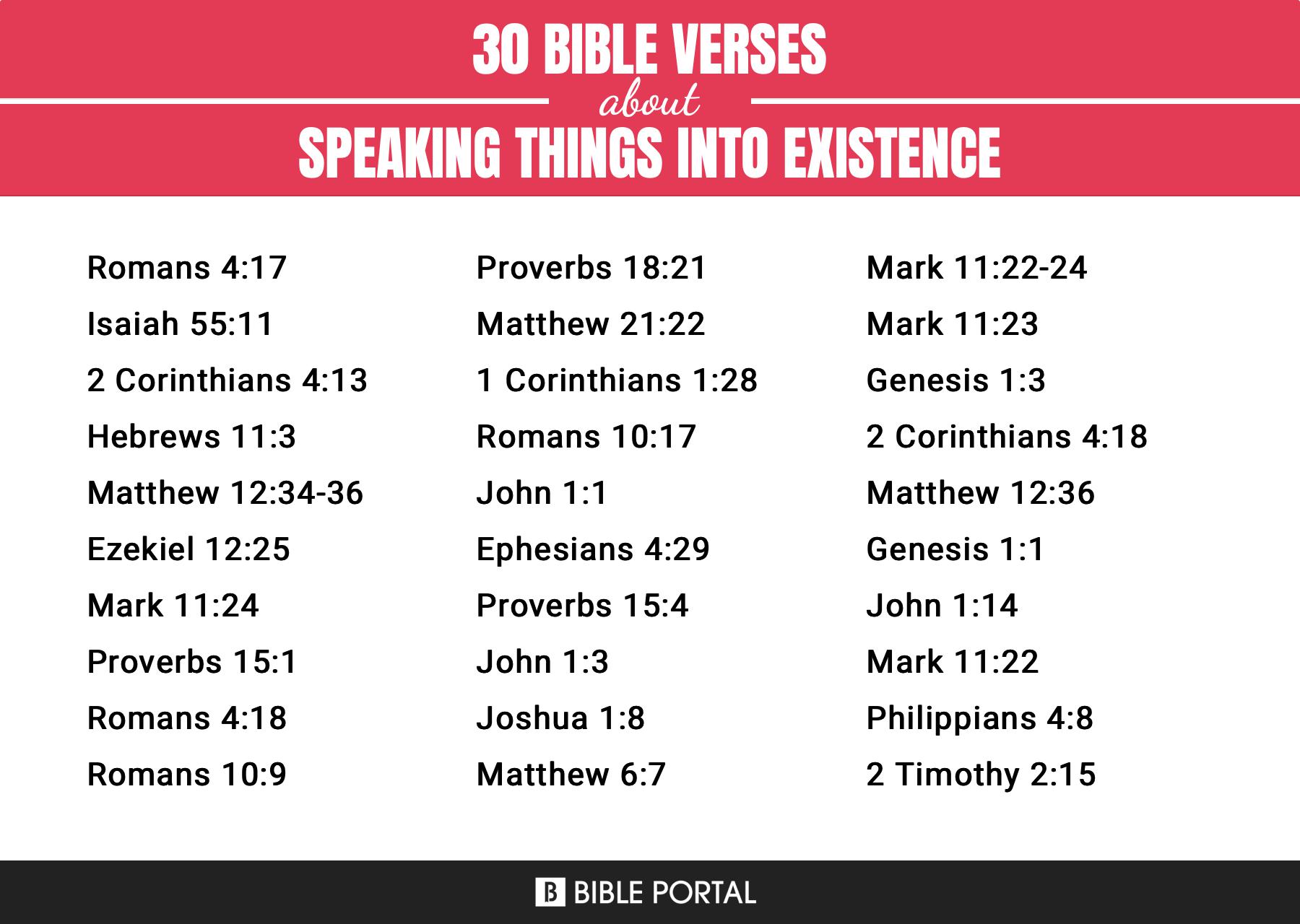
The Creative Power of the Logos in Modern Branding
At its core, branding is an act of creation through language. Before a startup becomes a unicorn or a product becomes a household name, it exists only as a conceptual “void.” To bring it into the marketplace, a founder must speak it into existence. This is the secular application of the biblical “Logos”—the word that carries the weight of authority and the power of transformation.
The Word as the Foundation of Identity
In brand strategy, the mission statement is the “In the beginning” of the company’s life. When a brand defines its purpose, it is performing a creative act. By stating, “We exist to organize the world’s information,” or “To bring inspiration and innovation to every athlete,” a company is not just describing what it does; it is setting the boundaries of its reality.
Biblical wisdom suggests that “life and death are in the power of the tongue.” In the branding world, this translates to the life and death of a corporate reputation. The words chosen for a brand’s positioning determine whether it will live in the minds of consumers as a premium luxury or die as a commoditized discount. When a brand strategist speaks an identity into existence, they are creating a lens through which the entire world will view the product.
Defining Reality through Nomenclature
The act of naming is perhaps the most biblical element of brand strategy. In the Genesis narrative, the first task given to humanity was the naming of the creatures. To name something is to exert influence and define its essence. In the business world, nomenclature is the first step of market manifestation.
Choosing a brand name is not merely a legal requirement; it is a linguistic declaration of intent. A name like “Amazon” speaks of vastness and unyielding flow, while “Apple” speaks of simplicity, knowledge, and organic growth. By speaking these names into the market, these companies redefined the reality of their respective industries. They moved from being “booksellers” or “computer manufacturers” to becoming cultural entities defined by the weight of their names.
Visionary Leadership: Speaking the Future into the Present
The biblical concept of “faith is the substance of things hoped for, the evidence of things not seen” is the fundamental driver of disruptive brand strategy. To speak a brand into existence is to act with the conviction that the future you are describing is more real than the present you are currently occupying.
The Role of the Manifesto
A brand manifesto is a prophetic document. It speaks to a world that does not yet exist and calls it into being. When Steve Jobs launched the “Think Different” campaign, he was not describing the current market share of Apple; he was speaking a new cultural movement into existence. He was identifying a specific group of people—the misfits, the rebels, the troublemakers—and declaring that Apple was their home.
By vocalizing these values, a brand creates a magnetic field. It attracts those who believe what the brand believes and repels those who do not. This is the “gathering of the people” mentioned throughout biblical texts. A brand that refuses to speak its values clearly remains in the “lukewarm” middle, a place where no great brand can survive. Speaking things into existence requires the courage to be definitive.
Faith as the Catalyst for Market Penetration
Market penetration is often viewed through the lens of data and analytics, but the catalyst is almost always a visionary’s ability to articulate a future state so clearly that others begin to see it too. This is the essence of “manifestation” in a corporate context. When a leader speaks a goal into existence—whether it’s landing a rocket on Mars or making every home a smart home—they are providing the “substance” for their team’s “hope.”

This vocalized vision serves as a North Star. In times of market volatility or internal crisis, the spoken word of the brand’s mission acts as an anchor. It reminds stakeholders of the reality that was spoken into existence at the beginning, ensuring that the brand does not drift into irrelevance.
The Biblical Ethics of Brand Integrity
“Speaking things into existence” is a powerful tool, but the Bible also provides strict warnings about the integrity of one’s words. In branding, this is the intersection of “Promise” and “Delivery.” If a brand speaks a reality into existence but fails to uphold it through its actions, it commits the ultimate branding sin: the loss of trust.
Let Your “Yes” Be “Yes”: Consistency in Messaging
The biblical injunction to “let your ‘yes’ be ‘yes’ and your ‘no’ be ‘no'” is the cornerstone of brand trust. A brand is essentially a promise kept. When a brand speaks a promise into the market—”The ultimate driving machine,” “Save money. Live better.”—it is creating a contract with the consumer.
Brand strategy fails when the spoken word is disconnected from the actual experience. If a brand speaks “sustainability” into existence through its marketing but practices “planned obsolescence” in its manufacturing, the brand’s reality collapses. Authenticity is not just a buzzword; it is a linguistic requirement. The words spoken into existence must be backed by the “works” of the organization.
The Stewardship of the Corporate Image
In biblical theology, stewardship involves managing something that does not belong to you with the highest level of care. For brand strategists, the “image” of the brand is a sacred trust. Once a brand is spoken into existence and takes root in the public consciousness, the strategist becomes a steward of that perception.
Every social media post, every press release, and every customer service interaction is an act of continued proclamation. To maintain the reality created at the brand’s inception, one must be vigilant. A brand’s reputation can be dismantled as quickly as it was built if the spoken words begin to deviate from the established truth. Stewardship requires a commitment to the original “Logos” of the brand.
Narrative Transformation: From Internal Belief to External Reality
The final stage of speaking a brand into existence is the transformation of the audience. In a biblical sense, the word is meant to take root in the hearts of the listeners. In branding, this is the transition from “Customer” to “Advocate.”
Building a Community of Believers
Great brands do not just have customers; they have believers. By speaking a compelling narrative into existence, a brand provides people with a sense of identity and belonging. When people wear a logo, they are not just wearing a piece of clothing; they are participating in the “word” that the brand has spoken.
This communal belief is what sustains a brand during economic downturns. Because the brand has successfully spoken its reality into the lives of its audience, the audience feels a personal stake in the brand’s survival. They become the secondary proclaimers, speaking the brand’s virtues into their own networks, further expanding the brand’s existence through a ripple effect of shared language.

The Rituals of Brand Proclamation
Just as biblical traditions use rituals to reinforce the spoken word, modern brands use consistent touchpoints to reinforce their reality. The unboxing experience, the annual keynote, the specific UI sounds—these are all “liturgies” of the brand. They are physical manifestations of the spoken brand promise.
Each time a user interacts with these touchpoints, the brand’s “word” is made flesh. It becomes a tangible reality that reinforces the initial proclamation. In a saturated market, the brands that win are those that understand that speaking things into existence is not a one-time event, but a continuous cycle of declaration, manifestation, and reinforcement.
In conclusion, what the Bible says about speaking things into existence provides a profound framework for brand strategy. It teaches us that words are the primary tools of creation, that vision requires the substance of faith, and that integrity is the only way to sustain what has been created. By treating brand strategy as a disciplined act of linguistic creation, leaders can move beyond mere marketing and begin to build realities that endure.
aViewFromTheCave is a participant in the Amazon Services LLC Associates Program, an affiliate advertising program designed to provide a means for sites to earn advertising fees by advertising and linking to Amazon.com. Amazon, the Amazon logo, AmazonSupply, and the AmazonSupply logo are trademarks of Amazon.com, Inc. or its affiliates. As an Amazon Associate we earn affiliate commissions from qualifying purchases.