
In the era of the “Quantified Self,” where every heartbeat, step, and minute of REM sleep is logged and analyzed, the most basic human necessity—water consumption—has undergone a technological revolution. No longer is the question of hydration merely about volume; it has shifted toward optimization. Specifically, the tech industry and the biohacking community have zeroed in on a critical variable: temperature. Whether you are an athlete looking for a marginal gain in recovery or a software engineer aiming for peak cognitive performance, the temperature of your water is a data point that can be engineered for maximum efficiency.

The Biohacking Frontier: Precision Hydration and Thermal Efficiency
The debate over the optimal temperature for drinking water is no longer confined to traditional wellness circles. It has become a core component of biohacking—the practice of using science and technology to “hack” one’s biology for better performance. In this context, the temperature of water is viewed through the lens of thermodynamic efficiency and metabolic impact.
The Case for Cold: Internal Cooling and Athletic Performance
From a technological and physiological standpoint, cold water (typically defined between 40°F and 60°F) is often favored by those utilizing performance-tracking wearables. When the body engages in high-intensity cognitive or physical labor, internal thermoregulation becomes a priority. Tech-driven athletes use cold water as a heat sink.
Research integrated into modern fitness platforms suggests that cold water helps lower the core body temperature more effectively during exertion, delaying the onset of fatigue. Smart sensors that track skin temperature and sweat rate often trigger alerts in hydration apps, recommending chilled water to stabilize the cardiovascular system. For the tech-conscious user, drinking cold water isn’t just about thirst; it’s about managing the “thermal load” of the biological CPU.
The Case for Room Temperature: Digestive Optimization and Data Consistency
Conversely, many health-tech enthusiasts argue for room-temperature water (68°F to 72°F), citing metabolic ease. Cold water requires the body to expend energy to bring the liquid up to core temperature, a process known as thermogenesis. While some use this for minor caloric burns, those focused on “system stability” prefer room temperature to avoid shocking the digestive tract.
In the world of smart scales and metabolic trackers like Lumen, room-temperature water is often the “baseline” variable. It ensures that the hydration status is measured without the interference of temporary metabolic spikes caused by thermal adjustment. For developers and digital workers who remain sedentary for long hours, room-temperature water provides steady hydration without the physiological “noise” of extreme temperature shifts.
Warm Water and the “System Flush”
At the higher end of the spectrum, warm water (120°F to 140°F) is being reconsidered through the lens of longevity tech. Digital health platforms focusing on gut microbiome health often highlight the role of warm water in increasing blood flow to the gastrointestinal tract. By utilizing precision-controlled kettles and smart mugs, users can maintain a specific thermal window that encourages vasodilation, theoretically assisting in nutrient absorption and “systemic detoxification”—a key metric in many wellness-focused SaaS (Software as a Service) platforms.
Engineering the Perfect Sip: The Technology of Smart Bottles and Active Cooling
To answer the question of “what temperature is best,” the tech industry has developed a sophisticated suite of hardware designed to maintain liquids at precise degrees. The days of the simple plastic bottle are being replaced by IoT-enabled hardware that treats water like a high-performance coolant.
Vacuum Insulation vs. Active Thermal Control
Standard hydration tech has long relied on double-wall vacuum insulation (the tech popularized by brands like Yeti and Hydro Flask). This is “passive” technology—it slows the rate of heat transfer. However, the new wave of “Active Thermal” devices, such as the Ember Mug or specialized smart bottles, utilizes integrated heating elements and Phase Change Materials (PCM).
These devices allow a user to set a specific temperature—say, exactly 54°F—via a smartphone app. Micro-sensors at the base of the bottle communicate with a central processing unit to either trigger a heating element or utilize heat-sink technology to maintain that temperature for hours. This is precision engineering applied to the most fundamental human need, allowing for a controlled experiment in personal hydration.
The Role of IoT and Haptic Feedback
Smart bottles like HidrateSpark have moved beyond mere temperature control to full-scale hydration management. These devices use capacitive sensors to measure the volume of water consumed and Bluetooth to sync that data with Apple Health or Google Fit.
The integration of haptic feedback—a gentle vibration of the bottle—reminds the user to drink. When combined with temperature sensors, these bottles can provide a “Hydration Score” based on whether the water was consumed at the user’s programmed “optimal” temperature. This turns hydration into a gamified, data-driven activity, where the “best” temperature is the one that the user’s specific data profile suggests leads to the highest level of consistent intake.
Software Integration: How AI and Wearables Quantify Hydration
Hardware is only half of the story. The software layer—consisting of AI algorithms and wearable integration—is where the question of water temperature is truly analyzed.
Predictive Hydration Algorithms
Modern wearables, such as those from Garmin or Whoop, collect data on ambient temperature, humidity, heart rate variability (HRV), and sweat loss. Advanced AI models now process this data to provide real-time hydration recommendations. If the sensors detect a high ambient temperature and an elevated core temperature, the software may recommend “cold” water to facilitate rapid cooling.
These algorithms are becoming increasingly personalized. By analyzing historical data, an AI can determine if a specific user performs better (measured via cognitive testing apps or athletic output) when they consume water at 55°F versus 70°F. We are moving toward a “Hydration-as-a-Service” model where the software dictates the temperature based on the day’s specific environmental and biological variables.
Digital Security and Health Data
As hydration becomes part of the digital ecosystem, the security of this health data becomes paramount. The temperature of your water, the frequency of your sips, and your metabolic response to hydration are all biometric data points. Tech companies are now implementing end-to-end encryption for smart-bottle-to-cloud communication. For the tech-savvy consumer, the “best” temperature to drink water is one that is tracked within a secure, private digital architecture, ensuring that personal health trends remain under the user’s control.
The Future of Liquid Logistics: Smart Infrastructure and Molecular Monitoring
Looking forward, the technology surrounding water temperature and quality is moving toward the infrastructure level. The “smart home” of the near future will not just provide water; it will provide engineered hydration.
Molecular Sensing and Smart Faucets
The next generation of smart faucets will do more than touchless activation. Companies are prototyping molecular sensors that can detect the mineral content, pH level, and bacterial load of water in real-time. These faucets can then use precision-cooling or heating units to dispense water at the exact temperature the user’s wearable indicates is necessary at that moment.
Imagine a system where your Oura ring detects a slight dehydration spike during your sleep. Upon waking, your smart kitchen faucet automatically dispenses 12 ounces of water at exactly 105°F—optimized for morning gastric motility—with a specific electrolyte balance tailored to your recovery needs.
Atmospheric Water Generators (AWGs)
In regions where water quality is a concern, Tech is stepping in with Atmospheric Water Generators. These machines extract moisture from the air, filter it, and use advanced cooling systems to store it. The “best” temperature in this tech-forward scenario is often a byproduct of the energy-efficiency settings of the AWG. Engineers are working on heat-exchange loops where the heat generated by the filtration process is used to provide warm water for tea, while the cooling cycle provides chilled drinking water, maximizing the unit’s thermal efficiency (COP – Coefficient of Performance).
Conclusion: The Data-Driven Answer
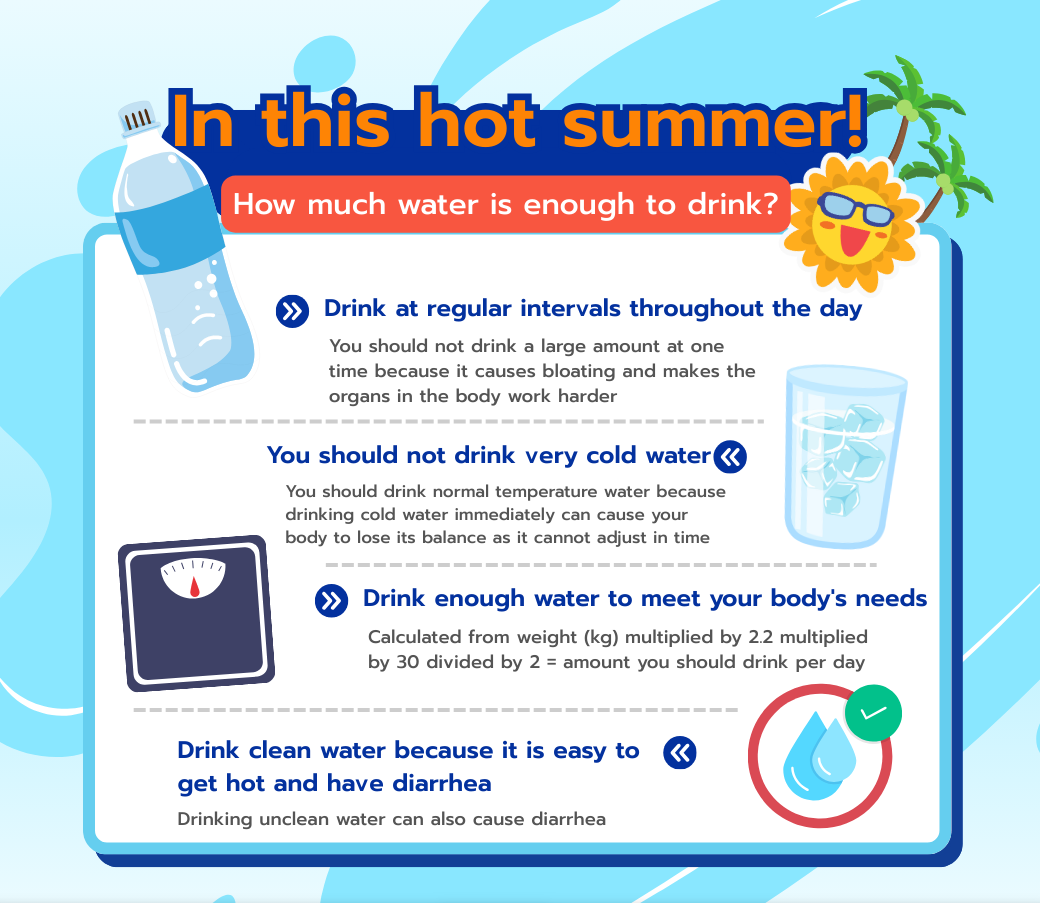
So, what temperature of water is best to drink? From a technology and biohacking perspective, the answer is: The temperature that aligns with your current data-driven objective.
If your goal is recovery and thermoregulation during a high-CPU-usage workout or an intense coding sprint in a warm environment, the tech suggests 40°F to 60°F.
If your goal is metabolic baseline maintenance and system stability for long-term health tracking, the tech points toward room temperature (68°F to 72°F).
If your goal is digestive efficiency and longevity, as monitored by gut-health apps, warm water (120°F+) is the engineered choice.
In the modern world, water is no longer just a beverage; it is a functional input. By leveraging smart bottles, wearables, and AI-driven health platforms, we can move past guesswork. The “best” temperature is the one that your personal digital ecosystem identifies as optimal for your specific biological requirements at this very microsecond. In the intersection of tech and hydration, precision is the ultimate goal.
aViewFromTheCave is a participant in the Amazon Services LLC Associates Program, an affiliate advertising program designed to provide a means for sites to earn advertising fees by advertising and linking to Amazon.com. Amazon, the Amazon logo, AmazonSupply, and the AmazonSupply logo are trademarks of Amazon.com, Inc. or its affiliates. As an Amazon Associate we earn affiliate commissions from qualifying purchases.