
In the ecosystem of modern consumer electronics, glass is the primary interface between the user and the machine. From the capacitive touchscreens on our smartphones to the high-index lenses on professional DSLRs and the sapphire crystals on high-end smartwatches, glass is ubiquitous. However, despite the advancements in material science—such as the transition from standard soda-lime glass to chemically strengthened aluminosilicate glass—surface vulnerabilities remain. A single grain of sand, which often contains quartz (ranking 7 on the Mohs scale of mineral hardness), can easily mar a display rated at a 6 or 6.5.
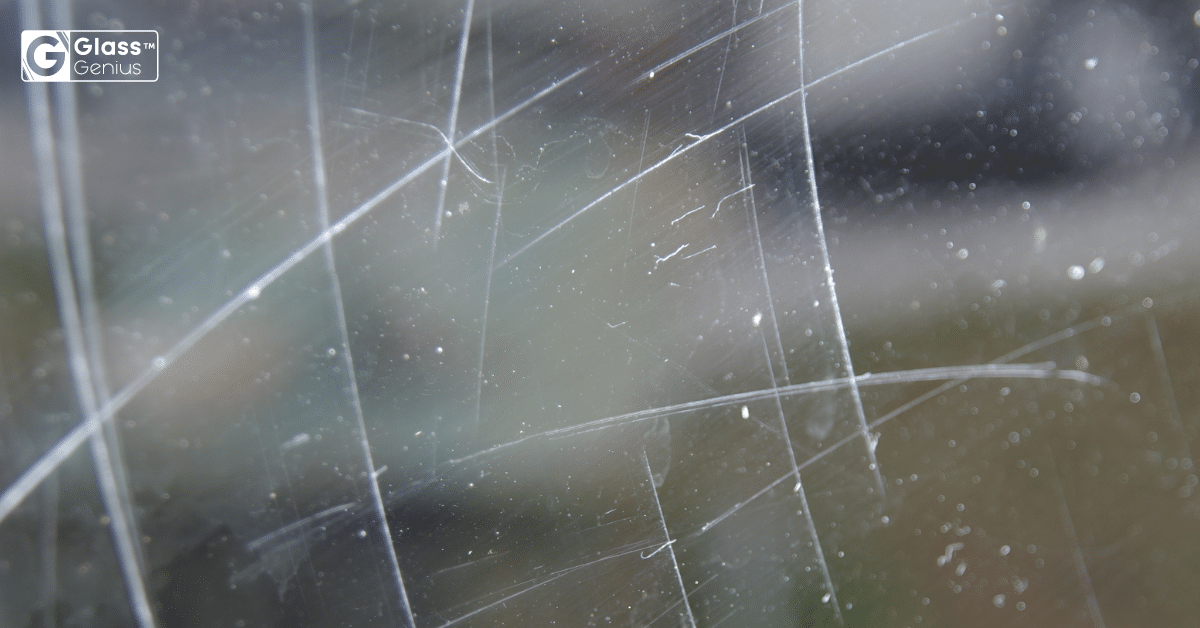
When a scratch occurs, the immediate concern is whether the structural integrity of the device is compromised or if the flaw is merely aesthetic. In the tech world, “removing” a scratch is often a misnomer; the process involves either abrading the surrounding surface to level it with the bottom of the scratch or filling the void with a polymer that shares the same refractive index as the glass. This guide explores the technical methodologies, chemical compounds, and hardware tools required to restore glass surfaces in high-end technology.
The Material Science of Modern Display Glass
To understand how to remove a scratch, one must first understand what they are working with. Most modern smartphones utilize Corning’s Gorilla Glass or Apple’s Ceramic Shield. These are not traditional glass panes found in windows. They undergo an ion-exchange process where smaller sodium ions are replaced by larger potassium ions in a chemical bath, creating a state of high compressive stress on the surface. This stress makes the glass resistant to cracking, but it does not make it immune to scratches.
The Mohs Scale and Scratch Depth
The Mohs scale of mineral hardness is the industry standard for determining what will scratch a display. Most smartphone glass begins to scratch at a level 6, with deeper grooves appearing at level 7. If a scratch is deep enough that a fingernail catches in it, the damage has likely bypassed the oleophobic coating and penetrated the structural layer of the glass. In these cases, simple polishing might not be enough, and aggressive abrasion could weaken the ion-exchange layer, making the screen more prone to shattering upon impact.
Refractive Index Matching
One of the primary challenges in tech glass repair is maintaining optical clarity. If a repair medium has a different refractive index than the glass, the scratch will remain visible as a “ghost” or a shimmer, even if the surface is technically smooth. This is why specialized UV-cured resins are preferred over household fillers; they are engineered to mimic the way light passes through aluminosilicate structures, effectively rendering the scratch invisible to the human eye.
Chemical and Mechanical Abrasives for Surface Restoration
When dealing with superficial micro-scratches—the kind that are visible only under direct light—mechanical polishing is the most effective technical solution. This involves using specialized compounds designed for optical-grade glass.
Cerium Oxide: The Gold Standard
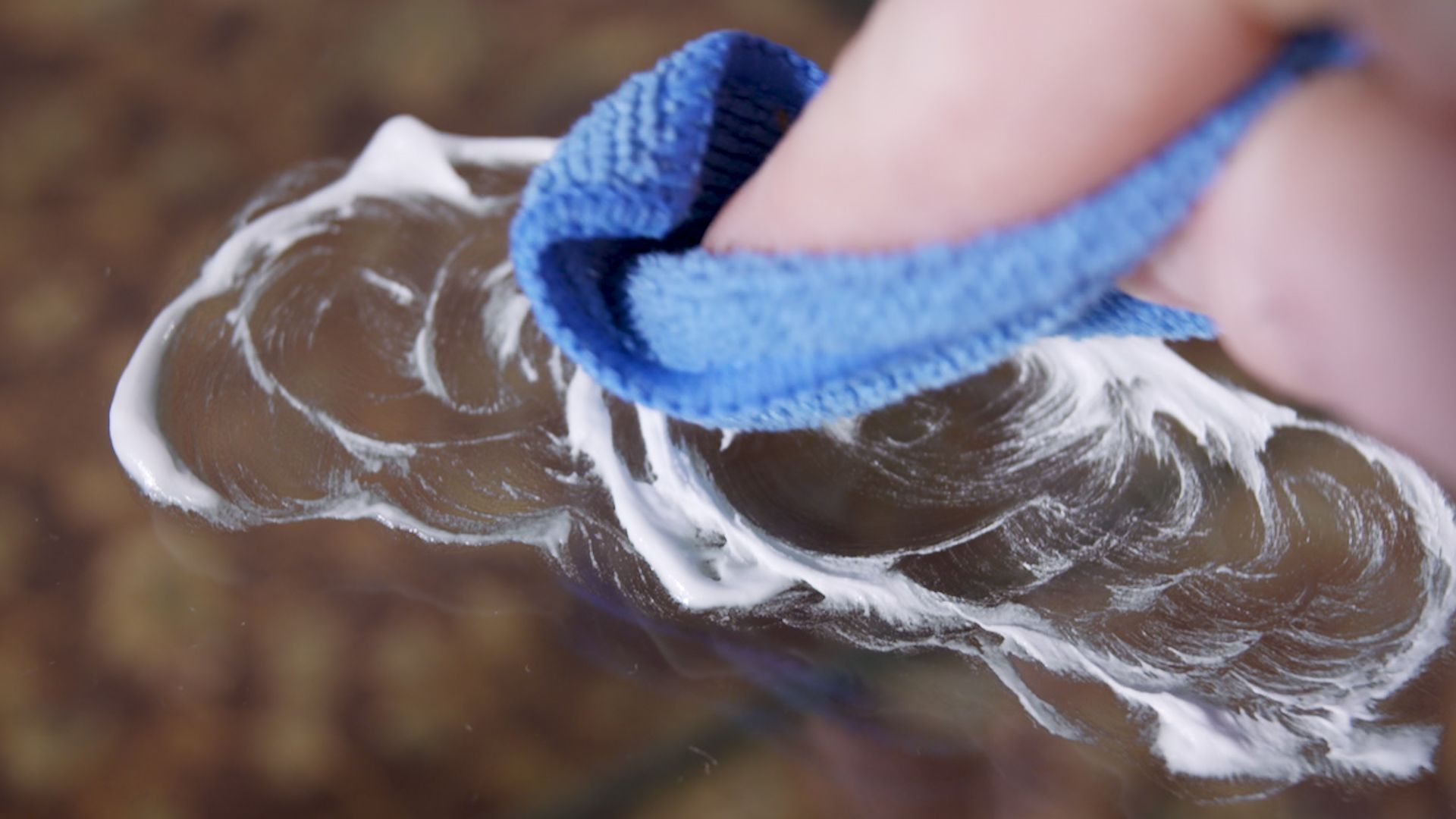
Cerium oxide is the most common polishing agent used in the tech industry for glass restoration. It is a rare-earth mineral that performs both a mechanical and chemical action on the glass. When applied with a felt polishing wheel or a microfiber applicator, cerium oxide creates a chemical bond with the glass surface, smoothing out irregularities at a molecular level.
For tech applications, a high-purity cerium oxide powder is mixed with water to create a slurry with the consistency of heavy cream. It is crucial to use a low-RPM rotary tool (such as a Dremel on its lowest setting) to avoid localized overheating. Excessive heat can damage the underlying digitizer or OLED pixels, leading to permanent discoloration or “dead” spots on the screen.
Diamond Polishing Pastes
For sapphire crystals—found on high-end smartwatches like the Apple Watch Ultra or Garmin Marq series—cerium oxide is often ineffective because sapphire ranks a 9 on the Mohs scale. To address scratches on these devices, technicians use diamond polishing pastes. These pastes are graded by micron size (e.g., 0.5 to 5 microns). The process requires a progressive approach: starting with a slightly coarser paste to level the scratch and finishing with a sub-micron paste to restore the mirror-like finish.
Specialized Micro-Abrasives and Slurries
Beyond industrial chemicals, several tech-specific kits utilize proprietary micro-abrasives. Products like PolyWatch (specifically the glass version, not the plastic/acrylic version) use a two-step process involving a “Repair” paste and a “Finishing” paste. These are engineered to be safer for consumer use, reducing the risk of over-polishing which can create a “lens effect”—a slight dip in the glass that distorts the image on the screen.
The Role of Liquid Fillers and UV-Cured Polymers
For deeper scratches where removing material is too risky, the tech industry turns to “filling” technologies. This is a common practice in professional screen refurbishment centers.
Liquid Optically Clear Adhesive (LOCA)
LOCA is a liquid-based bonding technology used in touchscreens to bind the cover glass to the LCD or OLED panel. In scratch repair, high-viscosity LOCA can be used to fill deep grooves. Once the liquid is applied to the scratch, a thin plastic film is placed over it to ensure a flat surface, and it is then exposed to ultraviolet (UV) light. The UV light triggers a polymerization reaction, hardening the liquid into a solid that is optically identical to the glass. This method is particularly effective for “cracked” glass where the goal is to prevent the crack from spreading while restoring a smooth touch surface.
Liquid Glass and Nanotechnology Coatings
“Liquid glass” (typically Silicon Dioxide or SiO2) is often marketed as a scratch remover, but its technical application is more about prevention and minor smoothing. These coatings consist of nano-particles that settle into the microscopic valleys of the glass surface. While they cannot “fix” a deep gouge, they can significantly reduce the visibility of “haze” or micro-abrasions caused by pocket sand or keys. Furthermore, they reinforce the surface tension, making the glass slightly more resistant to future micro-abrasions.
Protecting the Digitizer: Risks of Over-Polishing
A major difference between polishing a window and polishing a smartphone or tablet is the sensitivity of the hardware beneath the glass. The glass is only the top layer of a complex sandwich that includes a touch-sensitive digitizer and a display panel.
Thermal Management During Repair
Friction creates heat. If a technician uses a high-speed buffing wheel on a smartphone screen for more than a few seconds in one spot, the heat can reach upwards of 150°F (65°C). At these temperatures, the organic compounds in OLED displays can begin to degrade, and the adhesive holding the display assembly together can soften or fail. Professional-grade glass polishing machines used in tech repair shops often incorporate a constant water-cooling system to mitigate this risk.
The Loss of the Oleophobic Coating
Almost all modern touch devices come with an oleophobic (oil-repellent) coating that minimizes fingerprints and allows fingers to glide smoothly across the surface. Any abrasive method—whether it’s cerium oxide, toothpaste, or baking soda—will instantly strip this coating.
When a scratch is removed mechanically, the technician must be prepared to “re-coat” the glass. This is done using specialized oleophobic kits that involve applying a fluoropolymer liquid, allowing it to bond for several hours, and then buffing it. Without this step, the repaired area will feel “sticky” to the touch and will attract smudges much faster than the rest of the screen.
Long-Term Maintenance and Shielding Technology
Once a scratch has been addressed, the focus shifts to hardware preservation. The tech industry has evolved several secondary layers to ensure that the primary glass remains pristine.
Tempered Glass vs. Hybrid Polymers
The most common solution is the application of a tempered glass screen protector. Technically, these are sacrificial layers. They are designed to have a lower fracture point than the device’s actual glass, absorbing the energy of an impact and taking the brunt of any abrasive contact. Higher-end protectors now utilize “chemical strengthening” similar to the original device glass, offering 9H hardness (on the Pencil Hardness scale, which is different from Mohs but serves as a marketing benchmark).
Self-Healing TPU Layers
For devices with curved edges or foldable screens (like the Samsung Z Fold or Flip series), traditional glass protectors are not viable. Instead, the tech niche utilizes Thermoplastic Polyurethane (TPU). These are “self-healing” films. When a micro-scratch occurs on a TPU layer, the polymer’s molecular structure “remembers” its original shape. Under mild heat (such as body heat or sunlight), the material expands and flows back into the scratch, effectively erasing it.

When Hardware Maintenance Requires Professional Intervention
There is a technical threshold where DIY methods become counterproductive. If a scratch is deep enough to cause “rainbowing”—where the light from the pixels is refracted into its constituent colors—the physical structure of the glass is compromised.
In these scenarios, the professional recommendation is a full glass-only replacement (if the digitizer is intact) or a full display assembly replacement. Authorized service centers typically do not “polish” out scratches because it alters the factory specifications of the glass thickness. For high-precision devices like camera lenses, any attempt to polish a scratch will change the optical properties of the lens, likely causing focus issues or chromatic aberration. In the professional photography tech niche, a scratched front element is almost always replaced rather than repaired.
Understanding what takes scratches out of glass requires a balance of chemistry, physics, and an appreciation for the delicate nature of modern electronics. While compounds like cerium oxide and LOCA resins offer powerful restoration capabilities, the precision required to apply them without damaging the underlying tech makes it a sophisticated endeavor in the realm of gadget maintenance.
aViewFromTheCave is a participant in the Amazon Services LLC Associates Program, an affiliate advertising program designed to provide a means for sites to earn advertising fees by advertising and linking to Amazon.com. Amazon, the Amazon logo, AmazonSupply, and the AmazonSupply logo are trademarks of Amazon.com, Inc. or its affiliates. As an Amazon Associate we earn affiliate commissions from qualifying purchases.