
In an era dominated by instant gratification and “Buy Now, Pay Later” (BNPL) digital apps, the traditional concept of layaway has undergone a significant transformation. As we navigate the economic landscape of 2024, characterized by fluctuating interest rates and a tightening of consumer credit, many savvy shoppers are returning to the disciplined roots of personal finance. Layaway—the practice of placing a deposit on an item and paying it off over time before taking it home—is no longer just a relic of the past. It has become a strategic financial tool for those looking to avoid the debt traps of high-interest credit cards and the psychological pitfalls of modern fintech lending.
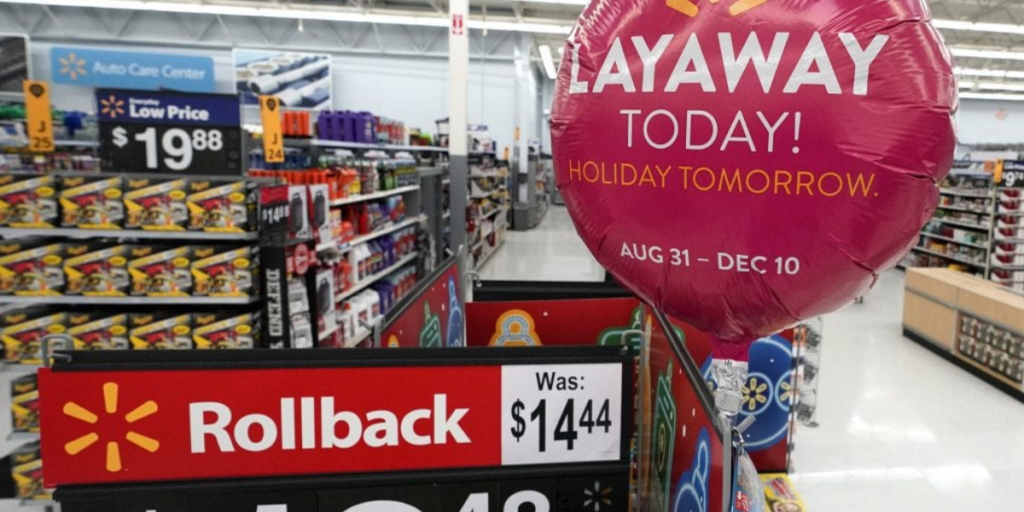
Understanding which stores offer layaway in 2024 requires a nuanced look at the retail market. While some big-box giants have pivoted toward third-party financing, several major retailers continue to provide traditional layaway programs that prioritize consumer solvency and budget management.
The Resurgence of Traditional Layaway in a High-Interest Economy
The financial climate of 2024 has sparked a renewed interest in “save-to-buy” models. Unlike credit cards, which charge compounding interest, or BNPL services, which can lead to overspending and hidden fees if a payment is missed, traditional layaway is inherently protective of the consumer’s balance sheet.
Why Financial Discipline is Trending
Personal finance experts often point to layaway as a superior method for holiday shopping or large milestone purchases because it enforces a waiting period. This “cooling-off” period acts as a natural barrier against impulsive buying. In 2024, as households look to optimize their debt-to-income ratios, the zero-interest nature of layaway (aside from small service fees) makes it an attractive alternative to revolving credit.
The Shift from Credit to Cash-Flow Management
For the modern consumer, layaway serves as a cash-flow management tool. Instead of depleting a savings account or emergency fund to make a large purchase, such as a nursery set or a high-quality winter wardrobe, layaway allows for the cost to be spread across multiple pay periods. This keeps the consumer’s liquid assets available for other necessities while ensuring the desired product is secured and held at a locked-in price.
Major Retailers Maintaining Layaway Programs in 2024
While the retail landscape is constantly shifting, several key players have remained committed to traditional layaway programs. These stores recognize that a portion of their customer base prefers the transparency of a physical payment plan over digital credit extensions.
Apparel and Home Goods: Burlington and Beyond
Burlington remains one of the most prominent advocates for the layaway model. In 2024, their program continues to be a staple for families.
- Burlington (formerly Burlington Coat Factory): Their program is available year-round for most items. Typically, it requires a small down payment (often around 20%) and a nominal service fee. The items are held for 60 to 90 days, depending on the season and specific store policy. This is particularly useful for seasonal transitions, allowing parents to secure winter gear in late summer without a massive upfront cost.
- The Buckle: This fashion-forward retailer offers a 60-day layaway plan in most of its brick-and-mortar locations. It requires a 20% down payment and regular payments every two week, making it a viable option for high-end denim and apparel without touching a credit card.
Jewelry and Luxury Goods: Securing Long-term Value
The jewelry industry has long been a bastion of layaway, as the high price points of engagement rings and fine watches often require several months of planning.
- Kay Jewelers, Zales, and Jared: These major jewelry chains frequently offer layaway programs. Unlike their financing options, which may involve credit checks and interest after a promotional period, their layaway plans usually involve a 20% down payment and monthly installments. This is a critical tool for young professionals who are building their net worth and want to avoid high-interest debt on luxury items.
- Local Independent Jewelers: In 2024, there is a rising trend of local “Main Street” businesses offering bespoke layaway plans to compete with online retailers. These plans are often the most flexible, allowing for customized payment schedules that align with the buyer’s bonus cycles or tax returns.
Specialty and Military Services
- Army & Air Force Exchange Service (AAFES): For military members and their families, the Exchange offers a robust layaway program. In 2024, this remains one of the most consumer-friendly options available, with low down payments and extended windows for items like computers, toys, and clothing. It is a vital resource for service members managing a strict military budget.
- Baby Depot: Located within many Burlington stores, Baby Depot allows expecting parents to place large items—cribs, strollers, and car seats—on layaway. Given the high cost of preparing for a new family member, this is a top-tier personal finance strategy for avoiding “new parent” debt.
Calculating the Cost: Fees, Penalties, and Fine Print
From a personal finance perspective, “zero interest” does not always mean “zero cost.” To use layaway effectively in 2024, one must look at the fee structure as a percentage of the total purchase price.
Service Fees vs. Interest Rates
Most retailers charge a service fee (usually ranging from $5 to $15) to cover the administrative costs of storing and tracking the merchandise. While this is an added expense, it is often significantly lower than the interest that would accrue on a credit card balance over the same 60-day period. For example, a $10 service fee on a $500 purchase is a 2% flat cost, whereas a credit card with a 24% APR would cost significantly more if the balance isn’t paid in full immediately.
Cancellation and Restocking Fees
The biggest risk in a layaway agreement is the inability to complete the payments. In 2024, most stores have strict cancellation policies. If you decide you no longer want the item or cannot make the final payment, the store will refund your money but will typically deduct a “restocking fee” or the original service fee. Before entering into an agreement, it is essential to calculate the “loss potential.” If a $200 jacket has a $15 cancellation fee, you are effectively risking 7.5% of the item’s value.
Price Protection and Sales
One of the strategic advantages of layaway is price locking. If you put an item on layaway during a sale, the price is guaranteed, even if the store raises it later. However, the reverse is also true; if the item goes on further clearance, you may still be obligated to pay the price agreed upon at the start of the contract. Smart shoppers in 2024 use layaway during “Black Friday” or “End of Season” events to lock in the lowest possible price point for future needs.
Layaway vs. BNPL: Choosing the Best Tool for Your Financial Health
The rise of services like Affirm, Klarna, and Afterpay has forced a re-evaluation of how we purchase goods. While these services are often marketed as “modern layaway,” they are fundamentally different financial products.
The Psychological Component of Debt
BNPL is “Buy Now, Pay Later.” You take the product home immediately. This triggers an immediate dopamine hit but also creates immediate debt. Traditional layaway is “Pay Now, Get Later.” This delay of gratification is a cornerstone of building long-term wealth. By choosing layaway, you are ensuring that you only own items you have actually paid for, which prevents the “lifestyle creep” that often accompanies credit-based shopping.
Credit Score Impact
In 2024, many BNPL providers have begun reporting to credit bureaus. A missed payment on a digital app can now negatively impact your credit score. Traditional layaway, conversely, is not a credit product. There is no credit check to start a plan, and if you fail to complete the payments, it does not hurt your credit score—you simply lose the service fee and the item. For individuals currently rebuilding their credit or those who are “credit invisible,” layaway is the safer financial harbor.
Hidden Risks of Digital Financing
While many BNPL plans offer 0% interest, they often pivot to high-interest rates (sometimes exceeding 30%) if a single payment is missed or if the balance is not cleared within a specific window. Traditional layaway is more transparent; the terms are fixed at the service desk, and there is no fluctuating interest rate that can catch a consumer off guard.
Maximizing Your Budget: How to Use Layaway for Large Life Milestones
To truly benefit from layaway in 2024, it should be treated as a component of a larger financial plan rather than a last-minute necessity.
Seasonal Budgeting
Financial planners suggest using layaway for predictable annual expenses. By starting a layaway plan for winter coats in September or for holiday gifts in October, you can effectively smooth out your expenses. Instead of a $1,000 hit to your December budget, you can distribute that across three or four months, ensuring that your emergency fund remains untouched and your credit card balances remain at zero.
Big-Ticket Items and Quality over Quantity
Layaway allows consumers to afford higher-quality items that will last longer. Instead of buying a cheap, disposable piece of furniture that needs replacement in two years, a consumer can use a layaway plan at a quality retailer to purchase a durable piece over six months. This “value-investing” approach to consumer goods reduces the long-term cost of living by decreasing the frequency of replacement purchases.
Teaching Financial Literacy
For parents, layaway serves as an excellent practical lesson in financial literacy for children. It demonstrates the relationship between work, saving, and acquisition. In a world where items appear at the door with the click of a button, the process of going to a store, making a payment, and seeing the progress toward a goal provides a tangible lesson in the value of money—a lesson that is often lost in the digital economy.
In conclusion, while the number of retailers offering traditional layaway has narrowed as the industry shifts toward digital credit, the practice remains a powerful ally for the financially conscious consumer. In 2024, utilizing layaway at stores like Burlington, The Buckle, or various jewelry outlets is more than just a way to shop—it is a strategic decision to prioritize financial peace of mind over the convenience of modern debt. By understanding the fees, choosing the right retailers, and using layaway as a tool for disciplined saving, individuals can secure the goods they need without compromising their long-term financial goals.
aViewFromTheCave is a participant in the Amazon Services LLC Associates Program, an affiliate advertising program designed to provide a means for sites to earn advertising fees by advertising and linking to Amazon.com. Amazon, the Amazon logo, AmazonSupply, and the AmazonSupply logo are trademarks of Amazon.com, Inc. or its affiliates. As an Amazon Associate we earn affiliate commissions from qualifying purchases.