
The annual decision regarding which stores stay open on Christmas Day is rarely a matter of tradition or festive spirit; rather, it is a complex calculation of business finance, labor economics, and strategic market positioning. While the majority of the retail sector—led by giants like Walmart, Target, and Costco—opts for a total operational shutdown on December 25th, a specific subset of the market remains active. From a personal finance and business management perspective, the “open or closed” dilemma reveals deep insights into the margins, overhead costs, and consumer spending patterns that define the modern economy.
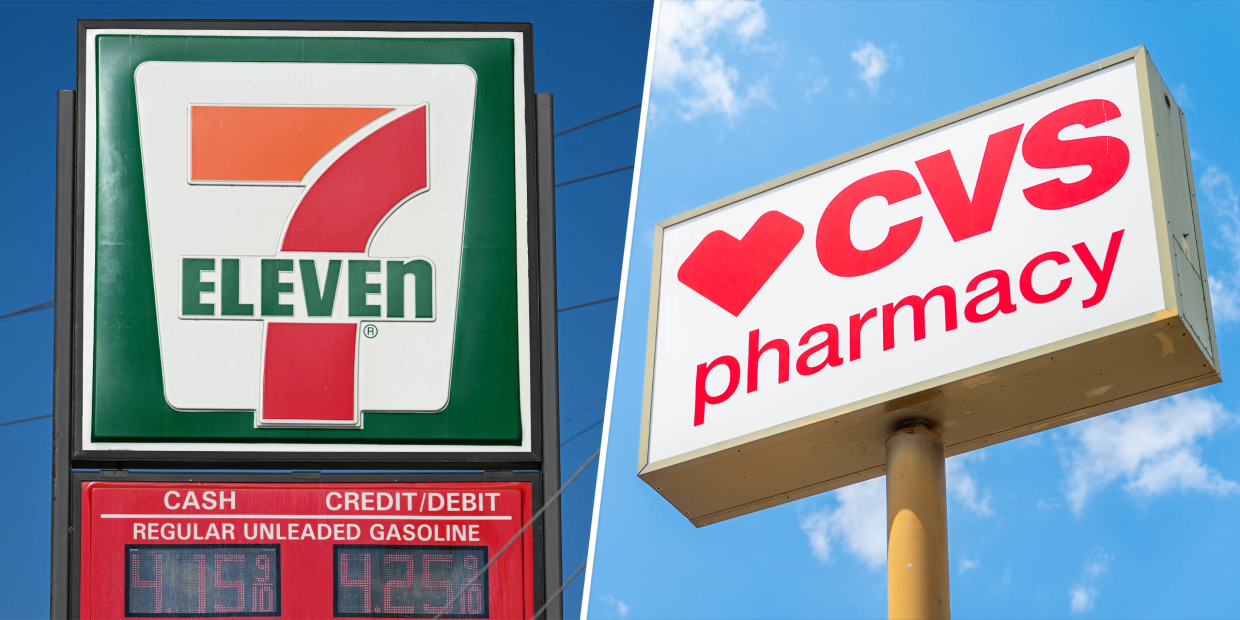
To understand the financial landscape of holiday retail, one must look beyond the storefront. The stores that remain open are generally those that operate within high-frequency, high-margin categories, such as pharmacies, convenience stores, and select hospitality sectors. These businesses are betting on the “convenience premium”—the willingness of a consumer to pay a higher price or travel further for an essential item when all other options are unavailable.
The Economic Calculus of Staying Open
For any CFO or business owner, the decision to keep the lights on during a major public holiday begins with a rigorous cost-benefit analysis. The primary variable in this equation is human capital. In most jurisdictions and corporate cultures, working on Christmas requires “holiday pay,” which typically ranges from time-and-a-half to double-time wages. For a high-volume retailer with thousands of employees, the surge in payroll costs can instantly erase any potential profit unless the projected sales volume is extraordinary.
Labor Costs and the Holiday Pay Threshold
When calculating the viability of holiday hours, businesses must determine their break-even point. If a store’s average daily operating cost is $10,000, but holiday wages push that to $18,000, the store must generate significantly higher gross margins to justify the opening. This is why small, family-run convenience stores often stay open while massive big-box retailers close; the “owner-operator” model allows small businesses to bypass the high cost of paid hourly labor, capturing 100% of the holiday market share in their local area without the massive payroll overhead.
Fixed Costs vs. Variable Revenue
Retailers also consider the reality of fixed costs. Rent, insurance, and certain utilities are paid regardless of whether the doors are locked. However, the variable costs—electricity for lighting, heating, and the risk of inventory shrinkage—must be weighed against the expected revenue. In the pharmacy sector, companies like CVS and Walgreens have mastered this. By staying open, they not only fulfill their role as essential service providers (which carries long-term brand equity) but also capitalize on high-margin “emergency” purchases, such as batteries, over-the-counter medications, and last-minute gift cards.
Consumer Behavior and the Convenience Premium
From a personal finance perspective, Christmas Day represents a unique market anomaly. Demand for goods does not disappear; it merely shifts. The financial “convenience premium” is a phenomenon where consumers are less price-sensitive due to the scarcity of open vendors. If a consumer realizes they forgot a crucial ingredient for a meal or a set of batteries for a child’s toy, they are unlikely to price-shop. They will pay the list price at the nearest open pharmacy or gas station.
The Market for Essential Services
The businesses that stay open on Christmas often fall into the category of “essential” or “semi-essential” services. Gas stations (such as Wawa or 7-Eleven) and pharmacies represent the backbone of holiday commerce. For these entities, the financial strategy is built on being the “lender of last resort” for consumer goods. The revenue generated on this single day can be significantly higher per customer than on a standard Tuesday, as the average basket size increases with high-margin “panic buys.”
Last-Minute Spending Patterns
Data from retail analytics firms suggest that Christmas Day spending is characterized by high-velocity, low-deliberation purchases. Unlike Black Friday, where consumers are looking for deep discounts and planned investments, Christmas Day spending is reactive. For businesses, this is a financial goldmine. There is no need for heavy discounting or promotional marketing. The mere fact of being open is the marketing strategy. This allows for higher net margins on every dollar of revenue compared to the high-discount environment of the preceding weeks.
Financial Strategies for the Always-On Retailer
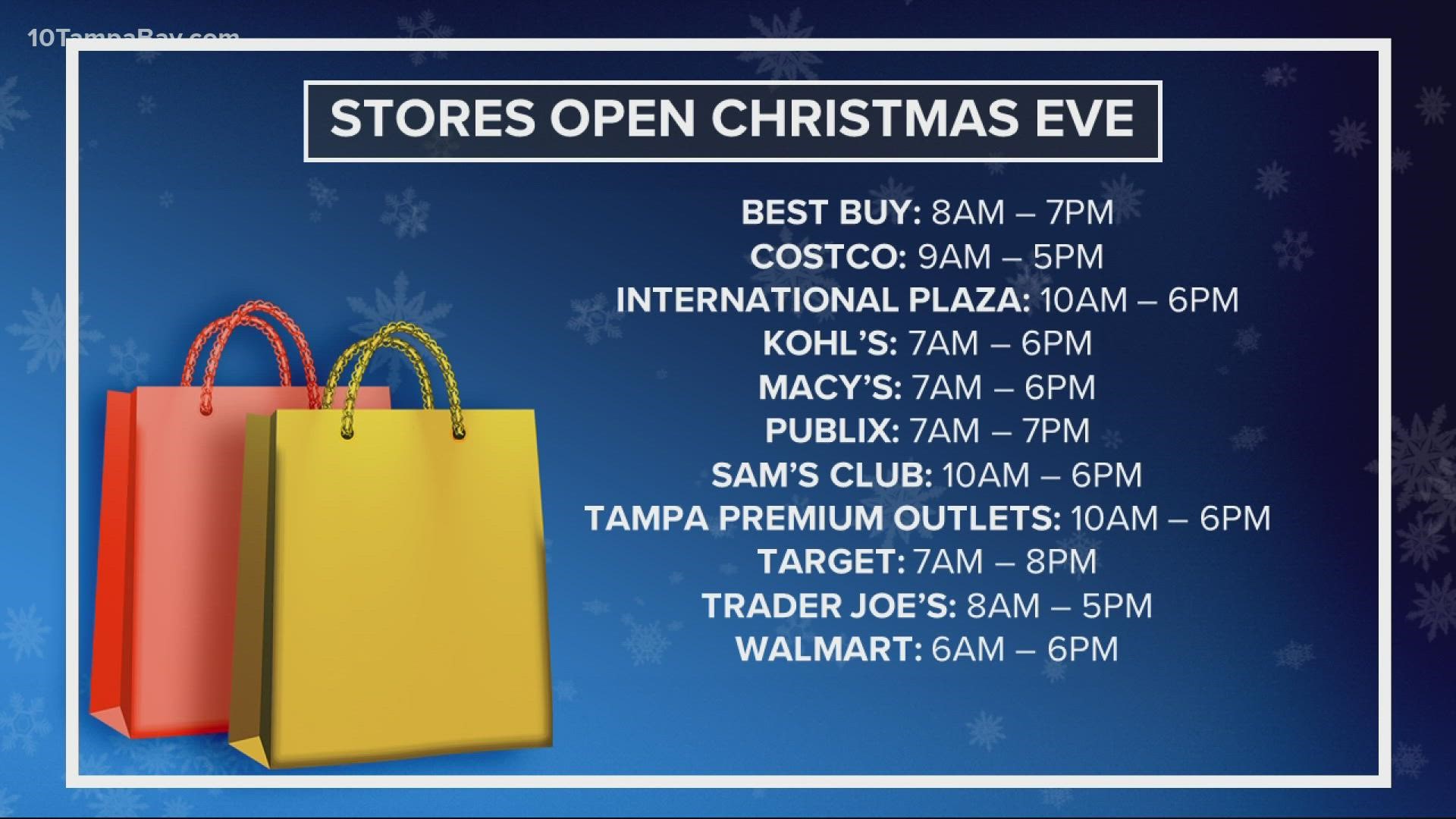
For national chains that choose to remain operational, the day is integrated into a larger year-end financial strategy. This involves sophisticated inventory management and a focus on digital integration. Even if the physical storefront is closed, the “digital store” never shuts down, and the interplay between the two is a critical component of modern business finance.
Inventory Management and Year-End Liquidation
For some retailers, staying open on Christmas is an opportunity to begin the process of year-end inventory liquidation. By clearing out seasonal stock while competitors are closed, a business can improve its inventory turnover ratio—a key metric for investors and creditors. Accelerating the sale of perishable or seasonal items by just 24 hours can have a measurable impact on the balance sheet, reducing the need for more drastic markdowns in January.
The Role of E-commerce and “Click-and-Collect”
While the physical “what stores are open” question is traditional, the financial reality is now hybrid. Many retailers use Christmas Day to process a surge in online orders. Even if the front doors are locked to the public, skeleton crews may be working in the back to manage “Buy Online, Pick Up In-Store” (BOPIS) logistics for the morning of December 26th. From a cash flow perspective, this allows the company to book revenue on the 25th, even if the goods don’t leave the premises until the following day. This “omnichannel” approach maximizes the utility of the physical real estate without the full cost of a public-facing operation.
The Long-Term ROI of Closing vs. Opening
In the realm of brand strategy and corporate finance, there is a growing trend toward “Closing for Good.” Many major retailers have concluded that the marginal profit of staying open on Christmas is outweighed by the long-term financial benefits of closing. This is not merely a philanthropic gesture; it is a calculated investment in human capital and brand health.
Employee Retention as a Financial Asset
The cost of employee turnover is one of the most significant “hidden” expenses in retail, often costing a company 1.5 to 2 times an employee’s annual salary to recruit and train a replacement. By remaining closed on Christmas, companies like Target and Hobby Lobby position themselves as “pro-worker.” This enhances employee loyalty, reduces turnover rates, and ultimately lowers long-term recruitment costs. In a tight labor market, the financial value of a happy, stable workforce often exceeds the one-day revenue spike of a holiday opening.
Brand Equity and Quality of Life
There is also the matter of brand positioning. In an era of “conscious capitalism,” consumers often reward brands that align with their values. A brand that publicly prioritizes its employees’ family time can see an increase in “goodwill”—an intangible asset on the balance sheet that translates into long-term customer loyalty. When a store like REI chooses to stay closed during high-traffic periods, it is a marketing investment. They are spending the potential revenue of that day to “buy” a more profound, lasting connection with their target demographic.
Future Trends: The Automation of Holiday Retail
As we look toward the future of retail finance, the question of “what stores are open” will increasingly be answered by technology rather than human labor. The rise of autonomous retail and AI-driven logistics is shifting the financial equation of holiday operations.
Reducing Human Capital Costs
The primary barrier to staying open on Christmas—high labor costs—is being mitigated by the rise of “frictionless” retail. Systems like Amazon Go or self-checkout kiosks allow a store to remain operational with minimal to no on-site staff. As these technologies become cheaper to implement, the “break-even” point for staying open on a holiday will drop significantly. We may see a shift where more stores remain open because the variable cost of doing so has been reduced to near-zero.

AI and Predictive Stocking
Furthermore, AI tools are now used to predict exactly what items will be in demand during the “Christmas gap.” By using predictive analytics, businesses can optimize their holiday inventory to ensure they aren’t paying to keep a store open for low-demand products. This data-driven approach ensures that every square foot of an open store is generating maximum yield.
In conclusion, the decision of which stores remain open on Christmas is a microcosm of the broader tensions in business finance: the balance between immediate revenue and long-term brand health, the management of rising labor costs, and the evolving role of technology in the marketplace. For the consumer, it is a matter of convenience; for the business, it is a high-stakes financial maneuver designed to capture the unique opportunities of a one-day monopoly.
aViewFromTheCave is a participant in the Amazon Services LLC Associates Program, an affiliate advertising program designed to provide a means for sites to earn advertising fees by advertising and linking to Amazon.com. Amazon, the Amazon logo, AmazonSupply, and the AmazonSupply logo are trademarks of Amazon.com, Inc. or its affiliates. As an Amazon Associate we earn affiliate commissions from qualifying purchases.