
SoHo, or South of Houston Street, serves as the global epicenter for retail innovation and brand storytelling. While to the casual tourist it is a collection of high-end boutiques and cobblestone streets, to a brand strategist, it is a living laboratory. The stores in SoHo are not merely points of sale; they are physical manifestations of brand equity, designed to communicate values, aesthetics, and lifestyle aspirations to a discerning global audience. To understand what stores are in SoHo is to understand the current state of brand evolution, from the prestige of heritage luxury to the disruptive agility of direct-to-consumer (DTC) icons.
The Architecture of Prestige: Heritage Brands and Flagship Positioning
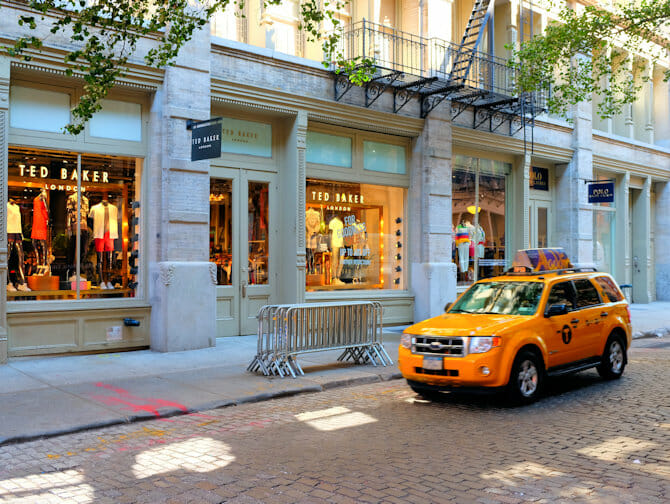
In the realm of brand strategy, the “flagship” store is the most potent tool in a company’s arsenal. In SoHo, luxury houses utilize the district’s iconic cast-iron architecture to create a bridge between historical permanence and contemporary relevance.
Luxury as Experience: Chanel and Dior
High-fashion houses like Chanel and Dior do not choose SoHo locations by accident. Their presence on streets like Spring and Wooster is a calculated move to capture a demographic that values “downtown” edge over the “uptown” formality of Fifth Avenue. For Chanel, the SoHo boutique is an exercise in sensory branding. Every element—from the weight of the door handles to the curated playlist—reinforces the brand’s identity of effortless French elegance. These stores focus on “high-touch” service, ensuring that the brand identity remains exclusive while participating in the vibrant energy of the neighborhood.
The Streetwear Gold Rush: Supreme and Kith
The transition from niche subculture to multi-billion-dollar brand equity is nowhere more visible than in SoHo’s streetwear scene. Supreme, arguably the pioneer of scarcity-based marketing, uses its SoHo presence to maintain a “cool factor” that transcends traditional advertising. The store’s minimalist interior and the ritualized “drop” days create a sense of community and urgency. Similarly, Kith has mastered the art of “lifestyle branding.” By integrating a cereal bar (Kith Treats) into its retail space, Kith transforms a clothing store into a destination, extending its brand identity into the culinary and social spheres.
The DTC Revolution: From Digital Screens to Physical Footprints
Perhaps the most significant shift in SoHo’s retail landscape over the last decade has been the influx of direct-to-consumer brands. These companies, which built their initial brand equity on social media and e-commerce, utilize SoHo as a strategic physical touchpoint to validate their legitimacy and deepen customer loyalty.
Glossier and the Power of Community
Glossier’s flagship in SoHo is often cited as a pinnacle of “Instagrammable” retail design. The brand strategy here is not just to sell skincare, but to facilitate content creation. By designing spaces that encourage customers to take photos and share them online, Glossier turns every visitor into a brand ambassador. The store layout prioritizes social interaction and testing zones over traditional shelving, reinforcing the brand’s identity as a democratic, community-driven beauty platform.
Warby Parker and Away: The Logic of “Showrooming”
Brands like Warby Parker and Away have redefined the utility of a physical store. For these companies, the SoHo store functions as a showroom. The brand strategy focuses on “frictionless” commerce. A customer can try on glasses or test the maneuverability of a suitcase in a beautifully curated environment that reflects the brand’s clean, modern aesthetic, and then have the product shipped to their door. This omnichannel approach ensures that the physical brand experience is consistent with the digital one, providing a holistic brand journey.
Experiential Design: Building Emotional Connections
In an era where any product can be purchased with a click, SoHo stores must offer something that cannot be replicated online: an emotional experience. Brand design in this district goes far beyond aesthetics; it focuses on the psychology of the consumer journey.

The MoMA Design Store: Curation as Identity
The MoMA Design Store in SoHo is a masterclass in “brand-by-association.” By curating products that align with the Museum of Modern Art’s standards of design excellence, the store elevates every item it sells. The brand strategy here is one of intellectual prestige. Customers aren’t just buying a kitchen utensil or a clock; they are buying a piece of “good design” validated by one of the world’s most respected cultural institutions. This positioning allows the store to command a premium based on the perceived value of its curation.
Nike and the Innovation Lab
Nike’s SoHo presence is a testament to the brand’s commitment to performance and technology. The store features trial zones, such as a half-court for basketball or a treadmill for runners, where customers can test products in action. This “experiential retail” strategy serves two purposes: it provides functional proof of the product’s quality and creates an immersive brand world where the customer is the protagonist. Nike’s brand identity is shifted from a mere supplier of athletic gear to a partner in the consumer’s athletic journey.
Niche Positioning and the Rise of Ethical Branding
As consumer values shift toward sustainability and transparency, SoHo has become a hub for brands that lead with their “Why” rather than their “What.” The stores here often serve as manifestos for the brand’s ethical stance.
Reformation and Sustainable Luxury
Reformation’s SoHo store utilizes technology to enhance its brand promise of sustainable fashion. The store uses touchscreens for garment requests, reducing clutter and creating a high-tech, sleek environment. However, the core of their brand strategy is communication. Large-scale graphics and data points regarding the environmental impact of their clothing are integrated into the store design. This reinforces the brand’s identity as an honest, eco-conscious alternative to fast fashion, appealing to the values of the modern SoHo shopper.
Everlane and Radical Transparency
Everlane’s physical presence in SoHo is built on the foundation of “Radical Transparency.” The store design is open, airy, and utilizes natural materials, mirroring the brand’s commitment to showing the “true cost” of its products. By physically manifesting their brand pillars—quality materials and ethical factories—Everlane builds a level of trust with its audience that is difficult to achieve through digital marketing alone.
The Strategic Importance of SoHo in a Global Context
The question of “what stores are in SoHo” is ultimately a question of brand survival and evolution. For a brand, securing a lease in this zip code is a declaration of intent. It is a sign that the brand is ready to compete on the world stage and withstand the scrutiny of the world’s most sophisticated consumers.
The “Haloe Effect” of Location
In brand strategy, the “Halo Effect” occurs when the positive perception of one entity influences the perception of another. By placing a store in SoHo, a brand inherits the neighborhood’s reputation for cool, luxury, and innovation. This is why heritage brands like Polo Ralph Lauren and Levi’s maintain massive footprints here alongside emerging startups. The location itself validates the brand’s relevance.
The Store as a Content Studio
Modern brand strategy dictates that a physical store is no longer just for selling inventory; it is a content studio. The visual merchandising in SoHo is designed to be captured and distributed across social media. From the floral installations at Sézane to the brutalist minimalism of the Apple Store, every corner is a potential touchpoint for brand storytelling. This extends the reach of a SoHo store far beyond the foot traffic of Broadway or Prince Street, allowing a single physical location to influence a global brand narrative.
Conclusion: The Future of Brand Identity in Retail
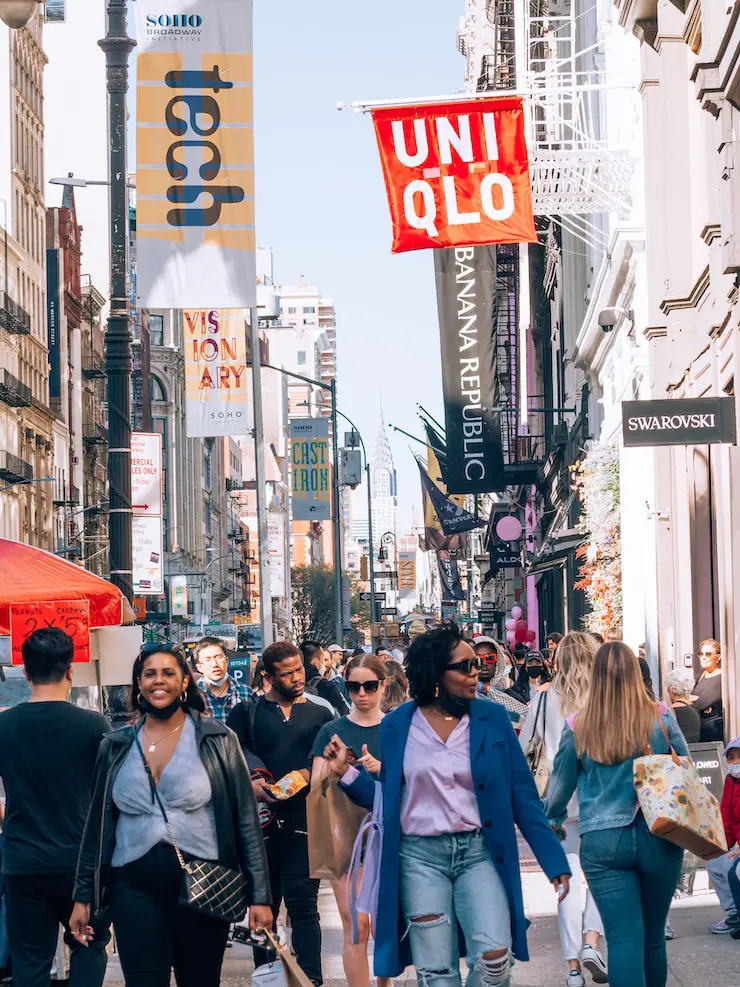
The stores in SoHo, NYC, represent the cutting edge of brand strategy. They demonstrate that successful modern branding requires a seamless integration of physical experience, digital convenience, and a clear, value-driven identity. Whether it is a heritage luxury house reinventing itself for a younger audience or a DTC startup proving its permanence, the retail landscape of SoHo is a testament to the power of a well-executed brand vision. As the retail world continues to shift, SoHo will remain the ultimate proving ground for brands that aim to be more than just a label, but a lifestyle.
aViewFromTheCave is a participant in the Amazon Services LLC Associates Program, an affiliate advertising program designed to provide a means for sites to earn advertising fees by advertising and linking to Amazon.com. Amazon, the Amazon logo, AmazonSupply, and the AmazonSupply logo are trademarks of Amazon.com, Inc. or its affiliates. As an Amazon Associate we earn affiliate commissions from qualifying purchases.