
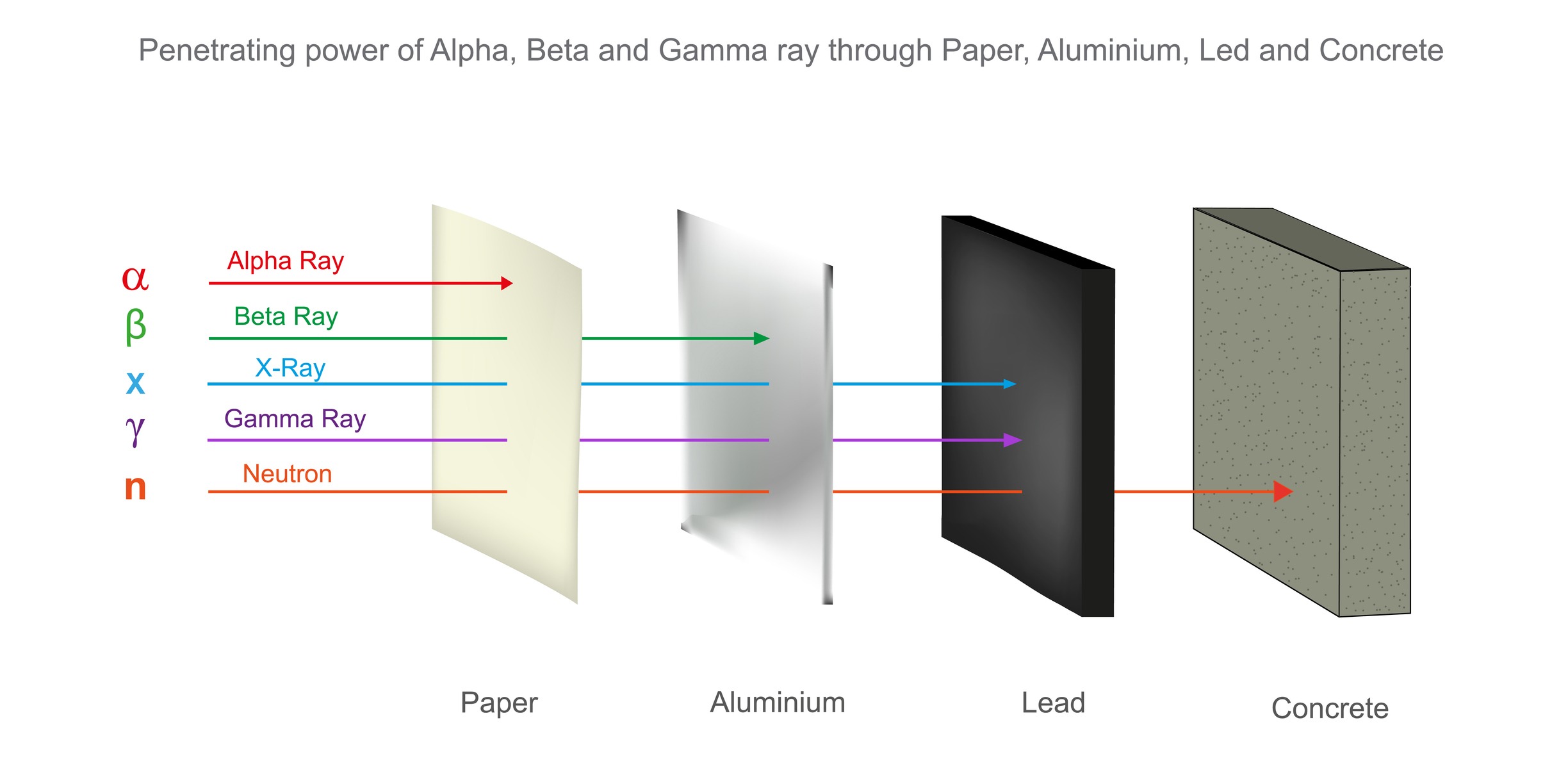
In the hierarchy of electromagnetic threats to modern technology, the gamma ray stands as the most formidable. Unlike alpha or beta particles, which can be halted by a sheet of paper or a thin layer of aluminum, gamma rays are high-energy photons with no mass and no electrical charge. This lack of physical presence allows them to pass through most matter with ease, posing a significant challenge for tech designers, hardware engineers, and infrastructure architects.
As we push the boundaries of technology—sending satellites into the radiation-rich environment of deep space, building high-output nuclear energy facilities, and developing sensitive medical diagnostic tools—the question of “what stops a gamma ray” transitions from a theoretical physics problem to a critical engineering requirement. Stopping these rays requires a sophisticated blend of material science, specialized hardware architecture, and redundant software systems designed to mitigate the inevitable “bit-flips” that occur when high-energy photons collide with silicon.
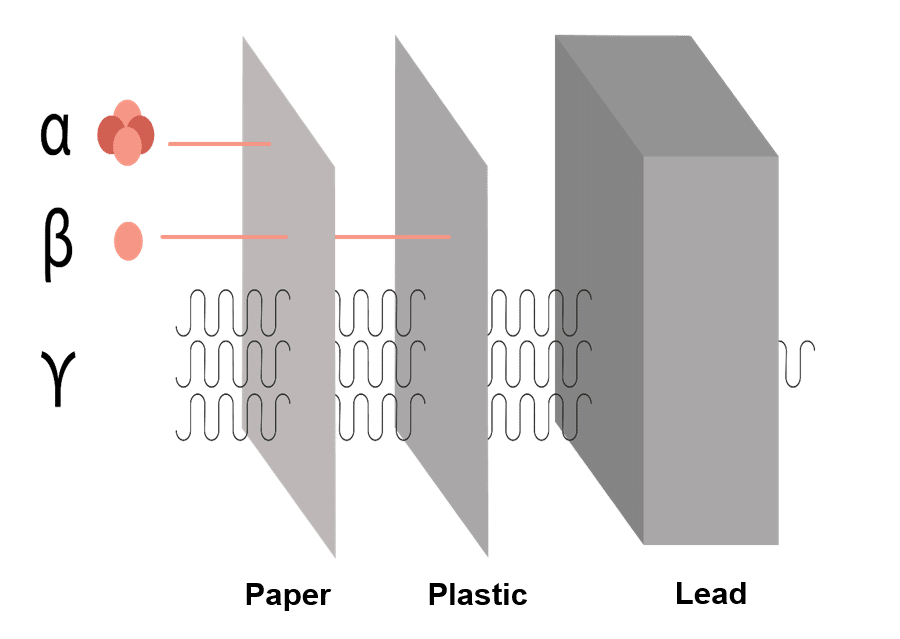
The Engineering Challenge of Gamma Ray Attenuation
To understand how to stop a gamma ray, we must first understand the concept of attenuation. Unlike a physical barrier that “blocks” an object, radiation shielding works by reducing the intensity of the radiation as it passes through a material. This is governed by the Beer-Lambert law, which suggests that the intensity of gamma radiation decreases exponentially as the thickness of the shielding material increases.
Atomic Density and the “Z” Number
The most effective way to stop a gamma ray is to increase the probability that the photon will interact with an atom and lose its energy. This is why high-density materials with high atomic numbers (Z) are the gold standard in shielding technology. Lead (Z=82) has historically been the primary solution due to its high density and relative cost-effectiveness. When a gamma ray enters a lead shield, it typically loses energy through three primary mechanisms: the photoelectric effect, Compton scattering, and pair production.
In modern technology applications, however, lead is often too heavy or toxic for practical use. Engineers are now turning to “Graded-Z” shielding. This involves layering materials with different atomic numbers to capture the secondary radiation—often X-rays—created when the initial gamma ray is deflected. By using a sequence of materials like tantalum, tin, and copper, tech firms can create lighter, more efficient shields for sensitive satellite components.
The Physics of Interaction
At the micro-technological level, stopping a gamma ray isn’t just about thickness; it’s about the geometry of the material. Advanced shielding now utilizes tungsten-infused polymers. Tungsten has a higher density than lead and a very high melting point, making it ideal for the high-temperature environments found in aerospace and nuclear reactor monitoring tech. These polymers can be 3D-printed into complex geometries, allowing for “form-fitting” shields that protect specific chips on a circuit board rather than encasing the entire device in a heavy lead box.
Radiation-Hardening: Protecting the Silicon Heart
While physical shielding is the first line of defense, it is often impossible to stop 100% of gamma radiation, especially in long-term deployments like the James Webb Space Telescope or Mars rovers. This necessitates “radiation-hardening”—the process of designing electronic components and systems to be resistant to damage or malfunctions caused by ionizing radiation.
Silicon-on-Insulator (SOI) Manufacturing
Standard commercial chips are highly susceptible to “Single Event Effects” (SEEs) caused by gamma rays. When a gamma photon hits a standard silicon substrate, it can create a track of ionized particles that cause a momentary short circuit, leading to data corruption or permanent hardware failure.
To combat this, the tech industry utilizes Silicon-on-Insulator (SOI) technology. In an SOI chip, the transistors are built on a thin layer of silicon that sits atop an insulating layer of silicon dioxide (SiO2). This insulation significantly reduces the volume of silicon available for ionization, making the chip far less likely to experience a catastrophic “latch-up” when struck by a gamma ray. This specialized manufacturing process is a cornerstone of the “Rad-Hard” (Radiation-Hardened) hardware market, which powers everything from military hardware to deep-space probes.
Wide-Bandgap Semiconductors
Another technological leap in stopping the destructive effects of gamma rays is the shift toward wide-bandgap (WBG) semiconductors, such as Gallium Nitride (GaN) and Silicon Carbide (SiC). These materials require significantly more energy to move an electron from the valence band to the conduction band. In the context of gamma radiation, this means these chips are inherently more rugged; they can withstand higher doses of radiation without the electrical “noise” or leakage that would cripple a standard silicon-based system. WBG technology is currently revolutionizing the power electronics industry, particularly in high-voltage tech and satellite power systems.
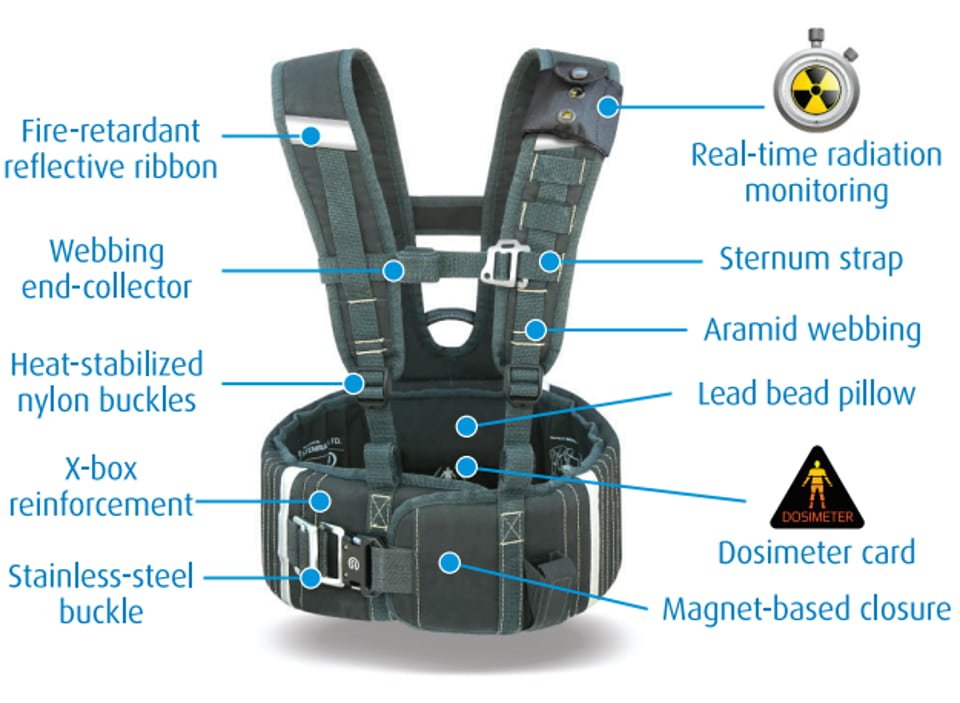
Software Resiliency: The Digital Shield
When physical barriers and hardware hardening are not enough, the final line of defense against gamma rays is software-level redundancy. High-energy photons that penetrate shields can cause “bit-flips”—changing a 0 to a 1 in a computer’s memory. In a critical system, such as a self-driving vehicle’s navigation or a spacecraft’s life support, a single bit-flip can be fatal.
Triple Modular Redundancy (TMR)
One of the most effective tech strategies for mitigating gamma-induced errors is Triple Modular Redundancy. In a TMR system, three identical hardware circuits perform the same computation at the same time. Their outputs are fed into a “voter” circuit. If a gamma ray causes a bit-flip in one of the circuits, the voter sees that two circuits agree and one differs. It ignores the outlier and passes the correct data through. This “algorithmic shielding” allows technology to function reliably even when the physical environment is hostile.
Error-Correcting Code (ECC) Memory
In the world of servers and high-performance computing, ECC memory is the standard tool for stopping the data corruption caused by background radiation. ECC memory uses extra bits of data to store a checksum. When data is read from the memory, the system calculates the checksum again; if it doesn’t match the stored value, the system can identify and, in many cases, automatically correct the error. As transistors shrink in size for the next generation of 2nm and 3nm chips, they become even more vulnerable to radiation, making ECC and advanced software error-detection protocols a mandatory feature for future digital security.
Innovative Materials: The Future of Gamma Shielding
As we look toward the future of technology, researchers are moving beyond traditional metals to find the next generation of gamma-stopping materials. These innovations are focused on balancing weight, efficiency, and environmental safety.
Hydrogen-Rich Polymers and Nanocomposites
Hydrogen atoms are excellent at absorbing various types of radiation, and when combined with high-Z nanoparticles, they create a formidable barrier. New nanocomposites—materials that blend polymers with tungsten or bismuth nanoparticles—are being developed for use in “wearable tech” for medical professionals and light-weight cladding for sensitive electronics. These materials offer the density of metal with the flexibility and light weight of plastic, representing a major shift in how we protect hardware in the field.
Metal-Organic Frameworks (MOFs)
One of the most exciting trends in material science for radiation protection is the use of Metal-Organic Frameworks. These are porous materials that can be engineered at the molecular level to “trap” specific types of particles. Researchers are currently experimenting with MOFs that can be integrated into the casings of gadgets or the walls of data centers to provide targeted protection against gamma-ray bursts. Because MOFs can be customized, they represent a “smart” shielding technology that can be tuned to the specific radiation environment of the device.
The Infrastructure Niche: Securing the Global Data Network
The need to stop gamma rays isn’t limited to space or nuclear labs; it is becoming a concern for global data infrastructure. As we rely more heavily on cloud computing and edge data centers, the threat of cosmic radiation—which includes high-energy gamma rays—becomes a factor in uptime and data integrity.
Hardened Data Centers
High-altitude data centers or those located in regions with thinner atmospheric protection are increasingly incorporating radiation-shielding strategies into their architecture. This includes “geographic redundancy,” where data is mirrored across locations that are unlikely to be hit by the same localized radiation event, and physical “bunkerized” cooling systems that use the thermal mass of the earth as a natural gamma-ray attenuator.
Regulatory and Security Standards
We are also seeing the emergence of new technological standards for radiation resilience. The aerospace industry has long had its own protocols, but as “off-the-shelf” tech is increasingly used in critical infrastructure, we are seeing a push for “Rad-Tolerant” certifications for consumer-grade hardware. This shift ensures that the gadgets and systems we rely on daily are tested against the invisible, high-energy environment of our planet and beyond.
In summary, stopping a gamma ray is a multi-layered technological endeavor. It starts with the heavy-metal physics of high-Z materials, moves into the molecular engineering of rad-hardened semiconductors, and concludes with the sophisticated logic of error-correcting software. As our technology becomes smaller and more integrated into every facet of life, the ability to shield our digital heart from the most energetic rays in the universe will remain a defining frontier of engineering.
aViewFromTheCave is a participant in the Amazon Services LLC Associates Program, an affiliate advertising program designed to provide a means for sites to earn advertising fees by advertising and linking to Amazon.com. Amazon, the Amazon logo, AmazonSupply, and the AmazonSupply logo are trademarks of Amazon.com, Inc. or its affiliates. As an Amazon Associate we earn affiliate commissions from qualifying purchases.