
The age-old question, “What size shorts am I?” has plagued consumers since the dawn of mass-produced apparel. However, in the modern era, the frustration of inconsistent sizing—where a medium in one brand fits like a small in another—is being systematically dismantled by a sophisticated intersection of technology, data science, and hardware. No longer must shoppers rely on antiquated, static size charts that fail to account for the three-dimensional complexity of the human form. Today, the answer to your sizing dilemma lies in the palm of your hand, powered by the latest advancements in digital innovation.
The Evolution of Digital Sizing: From Static Charts to AI Algorithms
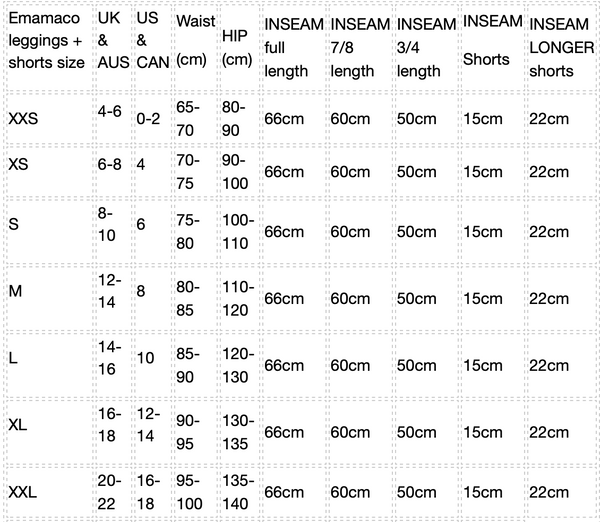
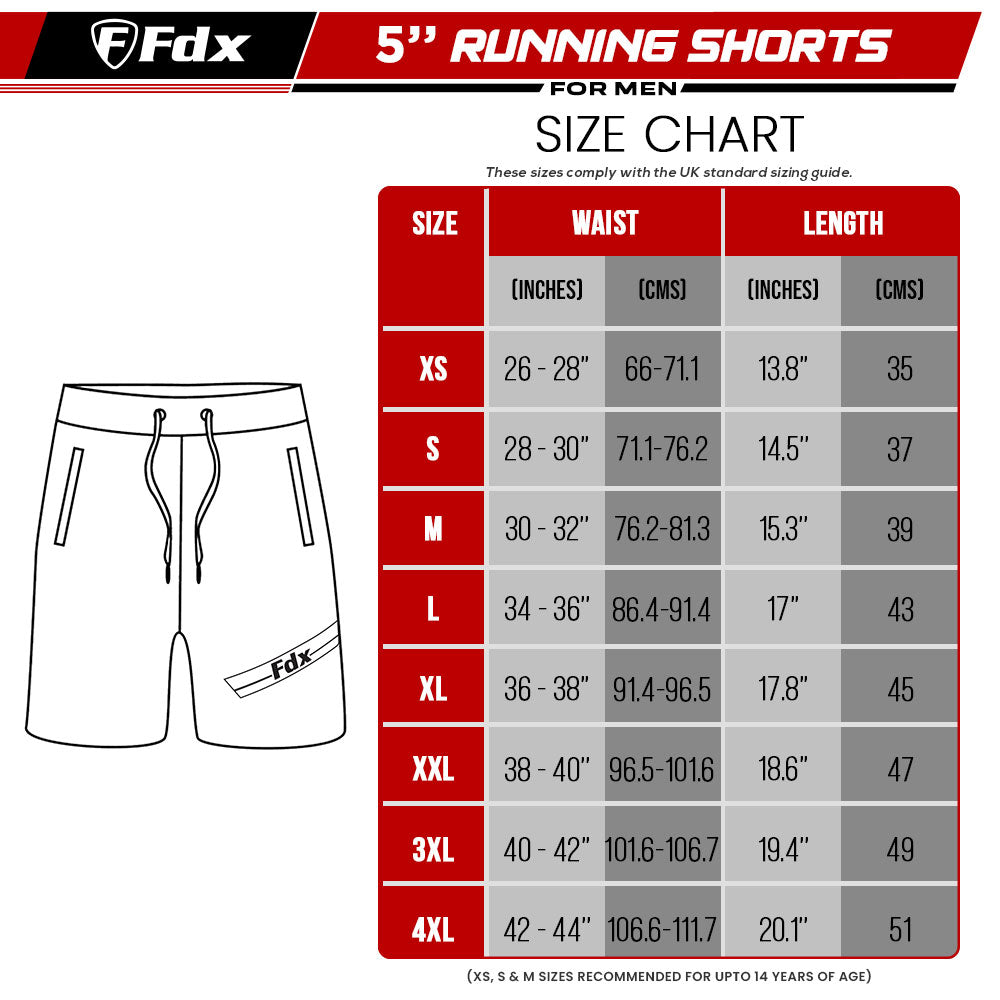
Historically, determining your clothing size meant looking at a simple grid of measurements—waist, hip, and inseam—and hoping for the best. This manual process is notoriously unreliable because it ignores the nuances of garment construction and the diversity of human body types. The digital revolution has introduced a more dynamic approach through Fit Recommendation Engines (FREs).
Why Manual Size Charts Are Failing the Modern Consumer
Traditional size charts are based on idealized “fit models” that rarely represent the average consumer. Furthermore, the phenomenon of “vanity sizing”—where brands deliberately label larger garments with smaller size numbers—has rendered standardized measurements nearly obsolete. From a technological perspective, a static chart cannot communicate how a specific fabric, such as a high-compression synthetic blend versus a rigid denim, will behave on a body. This gap between data and reality has led to a surge in e-commerce returns, prompting the tech industry to intervene with more robust solutions.
The Rise of Machine Learning in Apparel Recommendation
Modern e-commerce platforms now integrate machine learning (ML) algorithms to answer the sizing question. Companies like True Fit and Fit Analytics (now part of Snap Inc.) utilize massive datasets comprising millions of consumer profiles and purchase histories. When you ask, “What size shorts am I?”, these AI-driven tools don’t just look at your measurements; they look at your “fit twin.”
By analyzing the purchase and return data of millions of other users with similar body profiles, the algorithm can predict with high accuracy which size you will be most satisfied with. If a thousand people who bought a specific pair of athletic shorts and kept them all shared your height and weight, the machine learns that this specific SKU runs true to size for your demographic. This is a move away from “biometric sizing” toward “behavioral sizing,” where data determines the fit.
Computer Vision and AR: Using Your Smartphone as a Tailor
Perhaps the most exciting leap in answering “what size shorts am I?” comes from computer vision and Augmented Reality (AR). As smartphone cameras have evolved to include LiDAR and high-resolution sensors, they have become powerful tools for 3D body scanning.
3D Body Scanning Apps
Newer mobile applications allow users to perform a “digital fit” by taking a short video or a series of photos. Apps like 3DLOOK or MySizeID use proprietary computer vision algorithms to extract over 80 different points of data from a human silhouette. This process creates a 3D avatar of the user with sub-centimeter accuracy.
The technology works by identifying key anatomical landmarks—the narrowest part of the waist, the widest part of the hips, and the floor-to-crotch distance for the inseam. Once this digital double is created, it can be mathematically “overlaid” onto the digital patterns of various shorts. This removes the guesswork, as the software can detect exactly where a waistband might be too tight or where the leg opening might provide too much or too little room.
The Privacy and Security of Biometric Sizing Data
As sizing becomes a tech-centric endeavor, the security of biometric data has become a critical focus. Capturing images of one’s body for sizing purposes involves sensitive personal information. Leading tech providers in this space are now employing “privacy-by-design” architectures.
Instead of storing actual photos on a cloud server, the software processes the image locally on the device (Edge AI), converts the visual data into a mesh of anonymous coordinates, and then deletes the original image. This ensures that the user’s answer to “what size shorts am I?” doesn’t come at the cost of their digital privacy. Encryption and decentralized data storage are becoming standard practices for any app claiming to revolutionize the fitting room.
Virtual Fitting Rooms: The Next Frontier of E-Commerce
Finding your size is only half the battle; the other half is understanding how those shorts will actually look and move. This is where Virtual Fitting Room (VFR) technology enters the ecosystem, bridging the gap between digital data and visual confidence.
Augmented Reality Overlays
AR has moved beyond filters and games into a functional retail tool. Using a smartphone’s front-facing camera, AR software can now project a virtual garment onto a user’s live video feed. This isn’t just a flat image overlay; advanced VFRs use physics engines to simulate how different fabrics drape.
For instance, if you are looking at a pair of linen shorts versus spandex-heavy cycling shorts, the AR software calculates the “gravity and friction” of the digital fabric. If the size you selected is too small, the software can visually demonstrate “pulling” or tension lines on the virtual garment, indicating that you should perhaps size up. This provides a visual confirmation of the AI’s recommendation.
Integrating Real-Time Physics into Garment Rendering
The technical challenge of the virtual fitting room is “cloth simulation.” To accurately show how a size 32 waist fits, the software must account for the mechanical properties of the textile. High-end retailers are now using Digital Twins of their inventory—exact 3D replicas of the physical shorts.
These digital twins contain data on the fabric’s Young’s modulus (stiffness), weight, and elasticity. When a user queries their size, the system runs a real-time simulation. This level of technical detail allows a user to see if the shorts will “ride up” when walking or if the waistband has enough “give” for comfort. It is a highly complex computational task that is increasingly being handled by powerful cloud GPUs, delivering a seamless experience to the user’s mobile browser.
The Future of Smart Fabrics and Connected Wearables
As we look toward the future, the question “what size shorts am I?” might be answered by the clothes themselves. We are seeing the emergence of smart fabrics—textiles embedded with conductive fibers and sensors that can monitor body changes in real-time.
Feedback-Loop Clothing
Experimental “smart shorts” are being developed with integrated haptic sensors and stretch-sensitive yarns. These garments can provide data back to an app regarding where they feel the most pressure. Imagine a “test garment” sent to a consumer that contains sensors; as the user wears it, the garment sends a heatmap of pressure points to the brand’s database. The brand’s AI then analyzes this data to recommend a specific size or even a custom-cut garment. This creates a feedback loop where the garment itself tells the user, “I am too small in the thigh, try the athletic cut.”
Hyper-Personalization through Data Analytics
The ultimate goal of this technological trajectory is the end of “sizing” as we know it, moving instead toward hyper-personalization. When a consumer’s body data is stored in a secure “Digital Fit Passport,” they no longer need to look for a size. Instead, as they browse an online store, the interface dynamically hides sizes that won’t fit and highlights only the items that match their unique 3D profile.
This level of data integration allows brands to move toward on-demand manufacturing. Instead of producing thousands of shorts in “Small, Medium, and Large,” a brand can use a customer’s tech-derived measurements to laser-cut a single pair of shorts that are perfectly calibrated to their body. The technology shifts the burden of fit from the consumer’s trial-and-error to the manufacturer’s precision.
Overcoming the Returns Crisis through Precision Tech
The drive to answer “what size shorts am I?” is fueled by more than just consumer convenience; it is an economic and environmental necessity. In the apparel industry, return rates for online purchases can hover between 30% and 50%, with “poor fit” cited as the primary reason. This creates a massive carbon footprint due to reverse logistics and results in billions of dollars in lost revenue.
By leveraging AI, computer vision, and big data, tech companies are providing a scalable solution to this crisis. When a user utilizes a digital sizing tool, the likelihood of a return drops significantly—often by 20% or more. This efficiency is why we see a massive influx of venture capital into the retail-tech space. The solution to the sizing problem is no longer found in a tape measure, but in the sophisticated algorithms that translate human biology into digital certainty. As these tools become more ubiquitous and user-friendly, the uncertainty of online shopping will fade, replaced by a high-tech assurance that the shorts you order will fit the moment they arrive at your door.
aViewFromTheCave is a participant in the Amazon Services LLC Associates Program, an affiliate advertising program designed to provide a means for sites to earn advertising fees by advertising and linking to Amazon.com. Amazon, the Amazon logo, AmazonSupply, and the AmazonSupply logo are trademarks of Amazon.com, Inc. or its affiliates. As an Amazon Associate we earn affiliate commissions from qualifying purchases.