
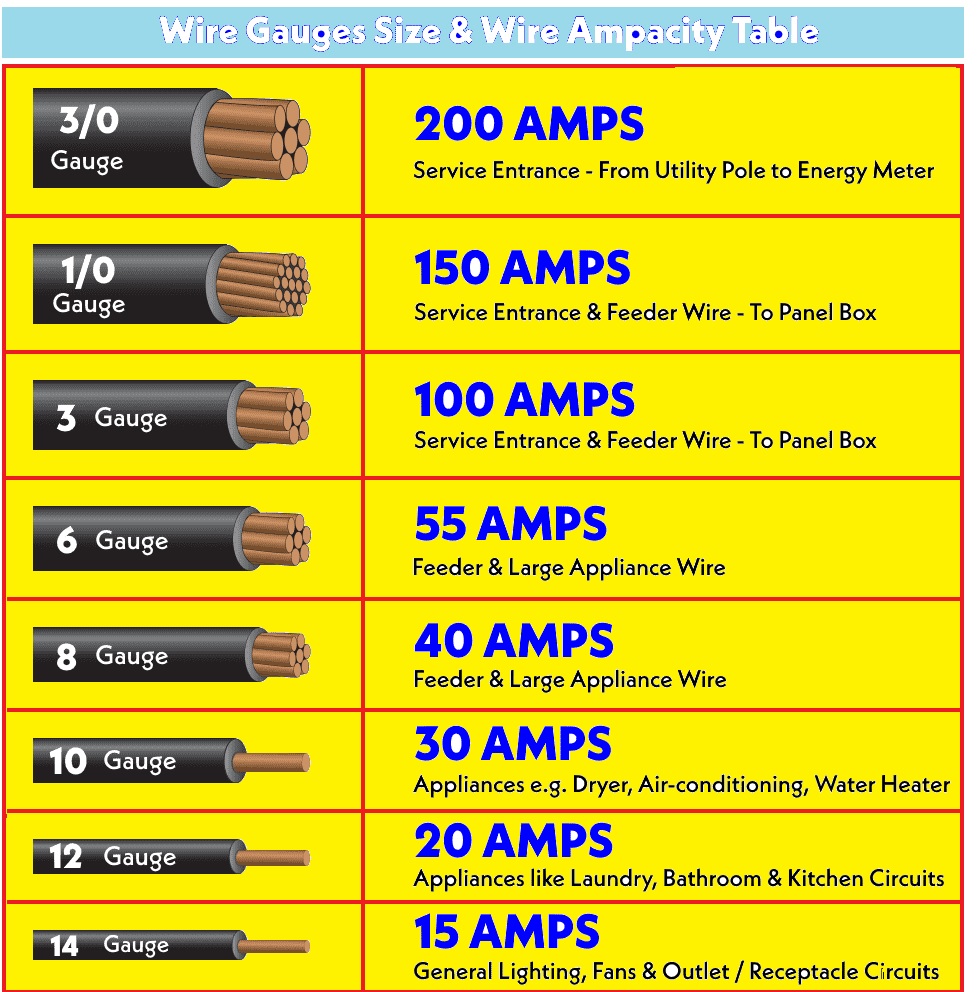
In the realm of modern technology, we often focus on the sleek interfaces of our smartphones, the processing power of our AI-driven workstations, or the connectivity of our IoT ecosystems. However, the most critical layer of our technological stack isn’t wireless; it is the physical infrastructure buried within our walls. For anyone building a home office, setting up a server closet, or simply upgrading their digital living space, understanding the “physical layer” of power is essential. When it comes to the standard 15-amp circuit—the workhorse of the modern home—the specific hardware requirement is 14 AWG Romex wiring.

Choosing the correct wire gauge is not merely a matter of compliance; it is a fundamental engineering requirement. Just as a data cable requires a specific category rating to handle gigabit speeds without packet loss, electrical wiring requires a specific thickness to handle current without overheating. In the United States and Canada, for a 15-amp circuit, the industry standard is 14-gauge wire, typically sold under the brand name Romex as NM-B (Non-Metallic Building) cable.
The Technical Specifications of 14 AWG Romex
To understand why 14-gauge wire is the mandated choice for a 15-amp circuit, we must look at the physics of electrical resistance and thermal management. In the American Wire Gauge (AWG) system, as the gauge number increases, the diameter of the wire decreases. Therefore, 14 AWG is thinner than 12 AWG but thicker than 16 AWG.
Understanding the 14/2 and 14/3 Designations
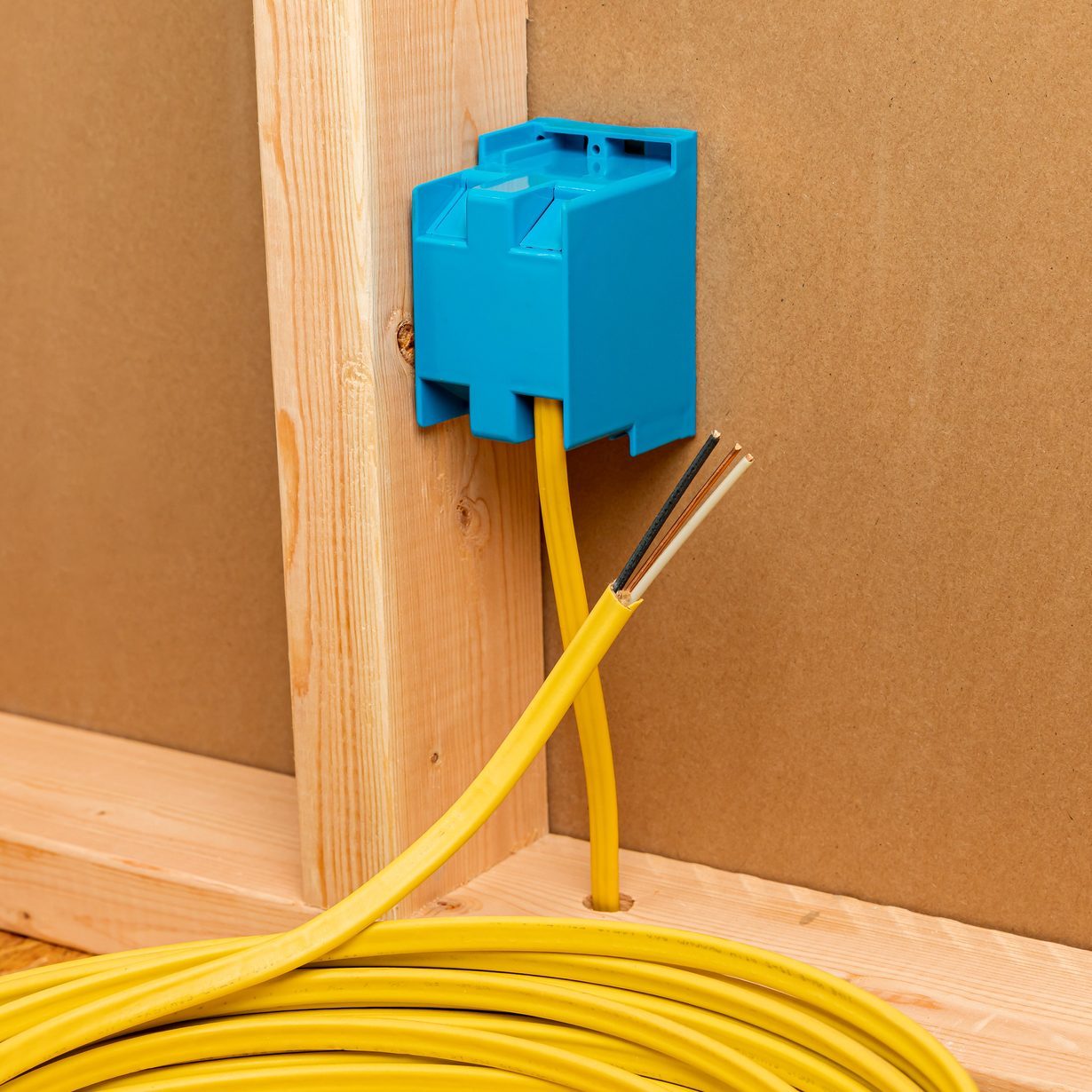
When shopping for Romex for a 15-amp circuit, you will encounter designations like “14/2” and “14/3.” These numbers provide a snapshot of the cable’s internal architecture:
- 14/2 Romex: This is the standard configuration for most general-purpose circuits. It contains two insulated conductors (one black “hot” wire and one white “neutral” wire) and one bare copper ground wire. Despite having three physical wires, it is called “14/2” because the ground is not counted as a current-carrying conductor in the naming convention.
- 14/3 Romex: This version contains three insulated conductors (black, white, and red) plus a bare ground. The red wire acts as a second “hot” wire, which is essential for specialized tech installations such as three-way smart lighting systems or split-receptacle circuits where one outlet is controlled by a switch and the other remains always-on.
The Role of NM-B Insulation
Modern Romex is technically classified as NM-B. The “NM” stands for non-metallic, referring to the flexible PVC outer jacket that bundles the conductors together. The “B” indicates a heat resistance rating of up to 90 degrees Celsius (194 degrees Fahrenheit). This thermal headroom is vital for high-performance environments where multiple cables might be bundled together, creating “thermal bottlenecks” that could otherwise lead to insulation degradation.
Engineering the Load: Why 15 Amps and 14 Gauge Match
The relationship between the circuit breaker and the wire gauge is the most critical safety protocol in home technology. A circuit breaker is designed to be the “weakest link” in the system; it should trip before the wire itself becomes hot enough to ignite surrounding materials.
The 80% Rule in Power Management
While a 15-amp circuit is rated for a maximum of 1,800 watts (15 amps x 120 volts), professional engineering standards and the National Electrical Code (NEC) recommend a “continuous load” limit of 80%. For a 15-amp circuit wired with 14 AWG Romex, this means your constant technological footprint—servers, desktop computers, and peripheral hubs—should not exceed 12 amps or 1,440 watts.
If your tech stack exceeds this, the 14 AWG wire will begin to generate significant heat due to resistance. While the 14-gauge copper can technically handle the 15-amp surge, sustained overcurrent can lead to “voltage drop.”
Solving the Voltage Drop Equation
In a digital environment, voltage stability is paramount. Voltage drop occurs when the resistance in the wire causes the voltage to decrease over the length of the run. If you are running 14 AWG Romex over a distance exceeding 50 to 70 feet, you may experience a drop in performance for sensitive electronics. In these specialized scenarios, tech professionals often “upsize” to 12 AWG wire even on a 15-amp circuit to ensure that the hardware receives a clean, consistent 120V signal, minimizing the risk of hardware reboots or data corruption caused by undervoltage.
Integrating 15-Amp Circuits into the Smart Home Ecosystem
As we transition toward fully integrated smart homes, the way we utilize 15-amp circuits is changing. No longer are these circuits just for a few lamps and a clock radio; they now power a dense array of microprocessors, sensors, and communication hubs.
Smart Switches and IoT Infrastructure
Most smart switches, such as those from Lutron, TP-Link, or Philips Hue, are designed to fit perfectly within the constraints of a 15-amp circuit. However, the installation of these devices requires a specific wire configuration. Older homes often lack a “neutral” wire at the switch box, but modern 14/2 Romex installations provide the white neutral wire required to power the internal Wi-Fi or Zigbee radios within the smart switch.
When upgrading a room to a smart environment, using 14 AWG Romex ensures compatibility with the vast majority of consumer-grade IoT hardware. Because 14 AWG is thinner and more flexible than 12 AWG, it is also significantly easier to “dress” inside a crowded electrical box filled with bulky smart dimmers and wire nuts.
Dedicated Circuits for Home Offices and Gaming Rigs
For the power user, a single 15-amp circuit wired with 14 AWG Romex is often dedicated to a single workstation. A high-end gaming PC with a 1000W power supply, dual monitors, and an enterprise-grade router can quickly approach that 80% safety threshold. By using a dedicated 14 AWG run back to the breaker panel, you isolate your sensitive digital equipment from “noisy” appliances like vacuum cleaners or space heaters, which can introduce electromagnetic interference (EMI) into the line.
Installation Best Practices for Reliable Performance
The reliability of your tech infrastructure depends as much on the quality of the installation as it does on the gauge of the wire. Poorly terminated 14 AWG Romex can lead to high-resistance connections, which are the primary cause of electrical fires and intermittent power loss.
Precision Stripping and Terminating
When working with 14 AWG Romex, using the correct tool is non-negotiable. A dedicated wire stripper with a specific notch for 14-gauge wire ensures that the copper conductor is stripped without being “nicked.” A nicked wire creates a localized point of high resistance—a literal bottleneck for electrons—which can lead to heat buildup and eventual failure.
Secure Connections and Arc Fault Protection
In modern builds, 15-amp circuits are typically protected by AFCI (Arc Fault Circuit Interrupter) breakers. These are sophisticated pieces of technology that use digital signal processing to “listen” to the electricity in the 14 AWG wire. They can distinguish between the normal spark of a motor starting and the dangerous “arc” of a loose wire. To ensure your 14 AWG Romex system doesn’t trigger nuisance trips, all connections at outlets and switches must be torqued to the manufacturer’s specifications. “Back-stabbing” wires into the tension clips of a cheap outlet is generally discouraged in high-performance tech setups; instead, use the side-wire terminals for a more secure, low-resistance connection.
Future-Proofing: Is 14 AWG Enough?
As we look toward the future of domestic technology, the question arises: is 15-amp/14-gauge wiring sufficient, or should we be moving toward a 20-amp/12-gauge standard?
For general lighting, bedrooms, and most living areas, 14 AWG Romex remains the gold standard. The shift toward LED lighting has drastically reduced the “base load” of our homes, leaving more room on the 15-amp circuit for gadgets and chargers. An entire room full of LED bulbs might draw less than 100 watts, a fraction of what traditional incandescent bulbs required.
However, for specific “Tech Hubs”—such as a dedicated server room, a 3D printing lab, or a high-end home theater—it is often wise to bypass the 15-amp circuit in favor of a 20-amp circuit using 12 AWG Romex. The thicker 12-gauge wire provides a more robust foundation for high-draw equipment and offers better protection against voltage sags during peak demand.
In conclusion, for the vast majority of standard household applications, 14 AWG Romex is the precise hardware solution for a 15-amp circuit. It offers the perfect balance of flexibility, capacity, and safety for our modern digital lives. By understanding the technical requirements of this foundational wire, you can ensure that your home’s electrical “operating system” is stable, secure, and ready for the next generation of technological innovation.
aViewFromTheCave is a participant in the Amazon Services LLC Associates Program, an affiliate advertising program designed to provide a means for sites to earn advertising fees by advertising and linking to Amazon.com. Amazon, the Amazon logo, AmazonSupply, and the AmazonSupply logo are trademarks of Amazon.com, Inc. or its affiliates. As an Amazon Associate we earn affiliate commissions from qualifying purchases.