
In the landscape of consumer technology, standardization is the silent force that allows hardware and software to coexist seamlessly. From the USB-C ports on our smartphones to the dimensions of a server rack, technical specifications ensure that products from different manufacturers work within a unified ecosystem. One of the most ubiquitous yet overlooked standards in the history of home entertainment technology is the DVD “keep case.”
Often referred to by the trade name “Amaray,” the standard DVD case represents a pivotal moment in tech design. It was engineered not just to hold a disc, but to solve specific logistical and mechanical challenges inherent in optical media. Understanding the size and specifications of a DVD case requires looking at the intersection of material science, industrial design, and the technical requirements of optical disc longevity.
The Standard Dimensions of the Amaray Case
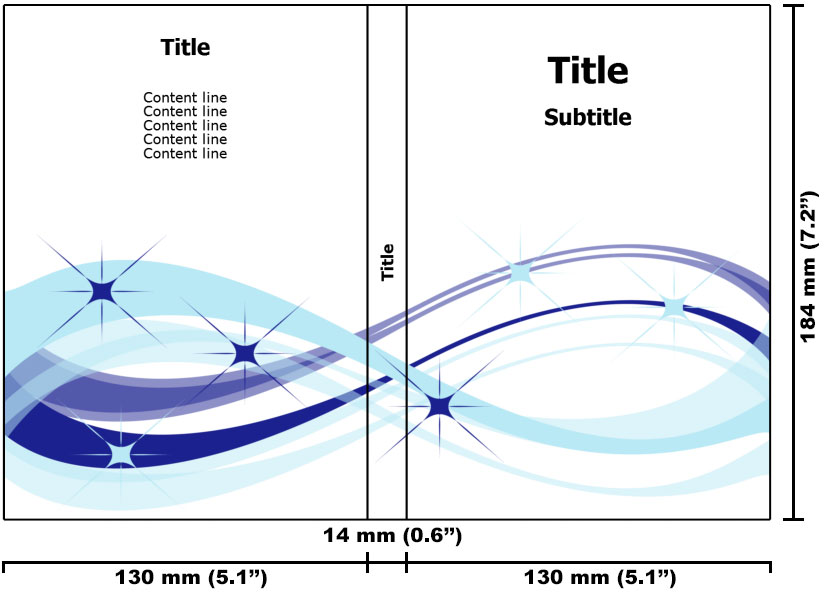
The standard dimensions for a retail DVD case are 190mm in height, 135mm in width, and 14mm in depth. In the imperial system used primarily in the United States, this translates approximately to 7.48 inches by 5.31 inches, with a spine thickness of 0.55 inches.
These measurements were not chosen at random. When the DVD format was launched in the late 1990s, it needed to compete with and eventually replace the VHS (Video Home System) tape. To facilitate this transition, engineers and product designers decided that the DVD case should share the same height as a VHS sleeve (roughly 7.5 inches). This allowed retailers to use existing shelving units without needing to refit their stores, and it allowed consumers to integrate the new digital tech into their existing physical libraries without visual dissonance.
The Spine and Shelf Presence
The 14mm spine is perhaps the most critical technical dimension. It is thick enough to allow for legible text, enabling users to identify the contents from a distance when the case is shelved. This thickness also provides the necessary structural integrity to protect the disc from lateral pressure. Unlike the fragile “jewel cases” used for Compact Discs (CDs), which were prone to cracking due to their brittle polystyrene construction, the DVD case was designed with a specific depth to incorporate a more flexible, resilient plastic.
Weight and Material Density
Technically known as a “keep case,” the standard DVD housing is typically made from polypropylene, a thermoplastic polymer. A standard empty case weighs approximately 60 to 70 grams. This weight is a calculated balance between durability and shipping costs. In the tech logistics sector, every gram counts when moving millions of units. The use of polypropylene allows the case to feature a “living hinge”—a thin, flexible piece of plastic that can be opened and closed thousands of times without fatigue or breaking, a significant technological upgrade over the pinned hinges of previous media formats.
Engineering for Durability: The Anatomy of the Keep Case
While the external dimensions define the footprint, the internal architecture of a DVD case is a marvel of mechanical engineering. The primary goal of the case is to protect the data layer of the optical disc from scratches, dust, and UV light, while also preventing the disc from becoming loose during transit.
The Hub and Spoke Mechanism
The most important technical feature inside the case is the center hub. This is the circular clip that holds the DVD in place by its center hole. There are several patented designs for this hub, but the most common is the “push-button” release. This mechanism is designed to grip the disc securely enough that it won’t dislodge if dropped, yet release it with minimal stress when the center is pressed. If a hub is engineered poorly, the repeated mechanical stress of removing the disc can lead to “radial cracking” around the center hole, eventually rendering the high-density data on the disc unreadable.
The Outer Sleeve and Trap Sheet
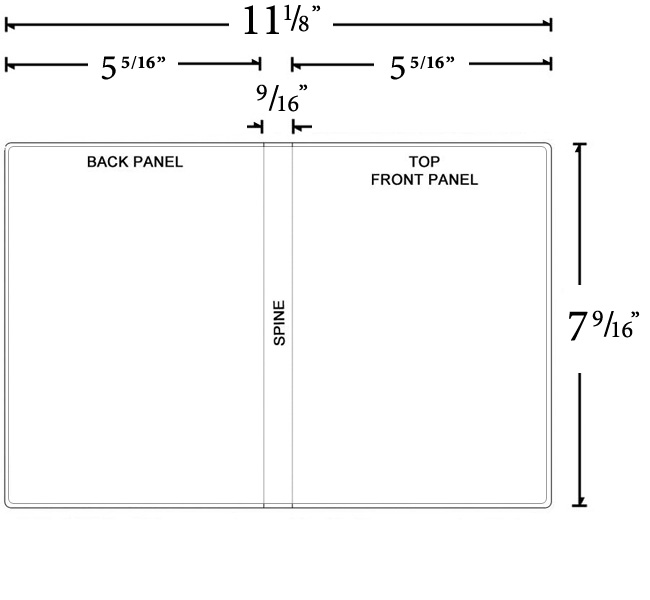
On the exterior of the polypropylene shell is a thin, clear layer of polyethylene. This creates a pocket for the “trap sheet”—the printed cover art. The dimensions for this printed insert are 273mm x 183mm (10.75″ x 7.2”). From a tech production standpoint, this standardized template allows graphic designers to use automated workflows to generate assets for global releases, ensuring that the bleed and trim lines are consistent across every manufacturing plant in the world.
Internal Clips for Documentation
Opposite the disc tray, most standard cases include two or more clips. These are designed to hold a printed manual or chapter index. In the early days of DVD technology, these booklets often contained essential technical information, such as audio setup instructions for 5.1 Dolby Digital or DTS surround sound, which were new concepts to many home users at the time.
Variations in the Tech Ecosystem: From Slims to Blu-ray
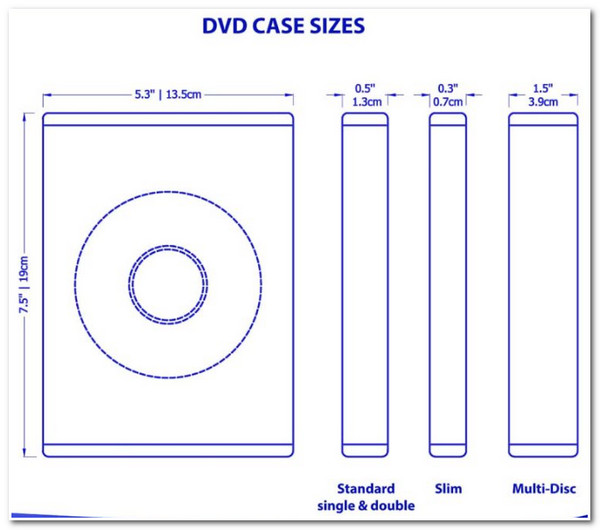
As the technology matured, the “one size fits all” approach began to diversify. Different use cases and newer optical formats required modifications to the standard 14mm footprint.
Slimline and Ultra-Slim Cases
For many users, particularly those in the IT and software industries, the 14mm spine was unnecessarily bulky. This led to the development of the “Slim” case, which maintains the 190mm x 135mm face dimensions but reduces the spine to 7mm or even 5mm.
- 7mm Slim Cases: These allowed for doubling the storage capacity in the same physical space, making them a favorite for software suites that required multiple discs or for home tech enthusiasts with limited shelf space.
- Multi-Disc Cases: On the opposite end of the spectrum, “fat” cases were engineered to hold between three and ten discs. These maintain the height and width of a standard case but expand the spine to 22mm or more, utilizing “swing trays” to stack discs like pages in a book.
The Blu-ray Shift
When high-definition physical media arrived in the form of Blu-ray, the industry decided to change the standard case size once more to signify a technological leap. Blu-ray cases are shorter than standard DVD cases, measuring 172mm in height, 135mm in width, and 12.5mm in depth.
The shorter height serves a dual purpose: it distinguishes the HD product from the SD (Standard Definition) product on a shelf, and it reflects the more efficient, higher-density nature of the technology. These cases are also typically translucent blue, a branding choice that has become a technical shorthand for the format itself.
Steelbooks and Premium Packaging
For high-end tech collectors, the “Steelbook” became a popular alternative. These are made from tinplate steel and utilize a plastic inner core. While they roughly adhere to the dimensions of a DVD or Blu-ray case, their manufacturing process involves precision metal stamping and lithography, representing a more industrial, premium approach to media storage.
The Role of Standardization in Logistics and Tech Infrastructure
The size of a DVD case may seem like a minor detail, but it has profound implications for global logistics and the automated systems that power modern commerce.
Automated Sorting and Warehousing
In massive distribution centers, such as those operated by Amazon or Ingram Micro, automated picking and packing robots are calibrated to specific dimensions. The 190mm x 135mm footprint of a DVD case allows these systems to operate with high precision. If every film or software package came in a unique size, the sensors and grippers on these robots would require constant recalibration, drastically slowing down the supply chain.
Retail Tech and Anti-Theft Measures
The standardization of the DVD case also gave rise to a secondary ecosystem of security technology. “Alpha cases” or “keepers”—the clear plastic locking boxes found in retail stores—were designed specifically to house the 14mm Amaray case. Likewise, the magnetic strips (EM tags) or RFID chips used for inventory tracking are often hidden inside the case or under the hub, a feat made possible by the consistent internal clearance of the standard design.
Environmental Tech and the “Eco-Case”
In recent years, the technology behind case manufacturing has shifted toward environmental sustainability. The “Eco-case” or “Vortex” case features the same external dimensions but uses significantly less plastic by incorporating cut-out patterns (often in the shape of a recycling symbol) in the walls of the case. This reduces the carbon footprint of shipping and manufacturing while maintaining the structural integrity required to protect the disc.
From Physical to Digital: The Legacy of the 190mm Standard
As we move further into the era of digital downloads and cloud streaming, the physical DVD case is becoming a legacy format. However, its influence persists in the digital realm.
User Interface and Digital “Box Art”
If you browse a digital storefront like Steam, Netflix, or the Apple TV app, the “posters” or thumbnails for movies and software often mimic the aspect ratio of a physical DVD case. The 1.4:1 ratio of the DVD cover has become the standard for how we visualize media. Digital UI designers use these proportions because they are “eye-natural,” a direct carry-over from decades of looking at physical shelves.
The Archival Tech Perspective
For data archivists and tech historians, the DVD case remains the gold standard for long-term storage of physical media. When stored vertically in a temperature-controlled environment, the polypropylene case provides a chemically inert shield that prevents “disc rot.” The standardization of the size ensures that archival cabinets and sleeves will remain compatible with these discs for decades to come.
In conclusion, the size of a DVD case—190mm x 135mm x 14mm—is more than just a set of measurements. It is a testament to the importance of technical standards in the consumer electronics industry. It bridged the gap between the analog past of the VHS and the high-definition future of the Blu-ray, providing a durable, efficient, and globally recognized housing for the digital revolution. Whether it’s a slim software sleeve or a ruggedized multi-disc set, the DVD case remains a masterclass in functional, standardized tech design.
aViewFromTheCave is a participant in the Amazon Services LLC Associates Program, an affiliate advertising program designed to provide a means for sites to earn advertising fees by advertising and linking to Amazon.com. Amazon, the Amazon logo, AmazonSupply, and the AmazonSupply logo are trademarks of Amazon.com, Inc. or its affiliates. As an Amazon Associate we earn affiliate commissions from qualifying purchases.