
When approaching a home renovation or a new construction project, every decision—from the type of flooring to the HVAC system—is essentially a financial calculation. One of the most critical, yet often overlooked, factors in this equation is the specification of wall insulation. For standard 2×4 stud framing, the choice of insulation is not merely a matter of physical fit; it is a strategic investment in the property’s capital value, a hedge against rising energy costs, and a key driver of long-term return on investment (ROI).
Selecting the right size and type of insulation for a 3.5-inch wall cavity (the actual depth of a 2×4) requires a deep understanding of R-value, material costs, and the financial implications of thermal performance. In the modern real estate market, energy efficiency is no longer an “extra”—it is a core asset.
The Financial Foundation: Selecting the Right R-Value for 3.5-Inch Cavities
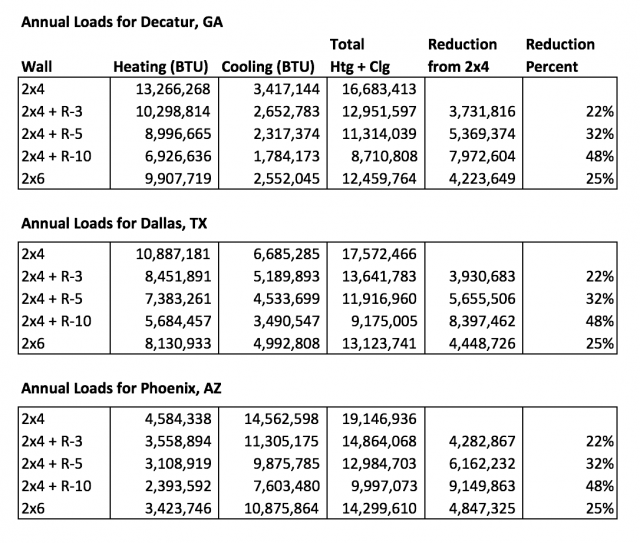
The term “size” in insulation refers to two dimensions: the thickness and the width. For a 2×4 wall, the physical thickness must match the depth of the stud, which is exactly 3.5 inches. However, the financial “size” is measured in R-value—the measure of thermal resistance. In the context of 2×4 framing, homeowners and investors typically choose between R-13 and R-15 insulation.
R-13 vs. R-15: Decoding the Price-to-Performance Ratio
R-13 is the industry standard for 2×4 walls. It is cost-effective, widely available, and meets the minimum building codes in many jurisdictions. However, from a wealth-preservation perspective, R-15 (high-density) insulation often presents a more compelling case.
While R-15 insulation carries a higher upfront material cost—typically 15% to 25% more than R-13—it provides a 15% increase in thermal resistance within the same 3.5-inch space. When you amortize this additional cost over the 30-year lifespan of a mortgage or the holding period of a real estate asset, the incremental cost per month is negligible, while the cumulative energy savings can reach thousands of dollars. For a savvy investor, the “payback period” for choosing R-15 over R-13 is often less than five years, after which the savings contribute directly to the net cash flow of the property.
The Hidden Costs of Over-Compression
A common financial mistake made during DIY renovations or by low-bid contractors is the attempt to “stuff” R-19 insulation (designed for 2×6 walls) into a 2×4 cavity. From a physics and finance standpoint, this is a value-destructive move.
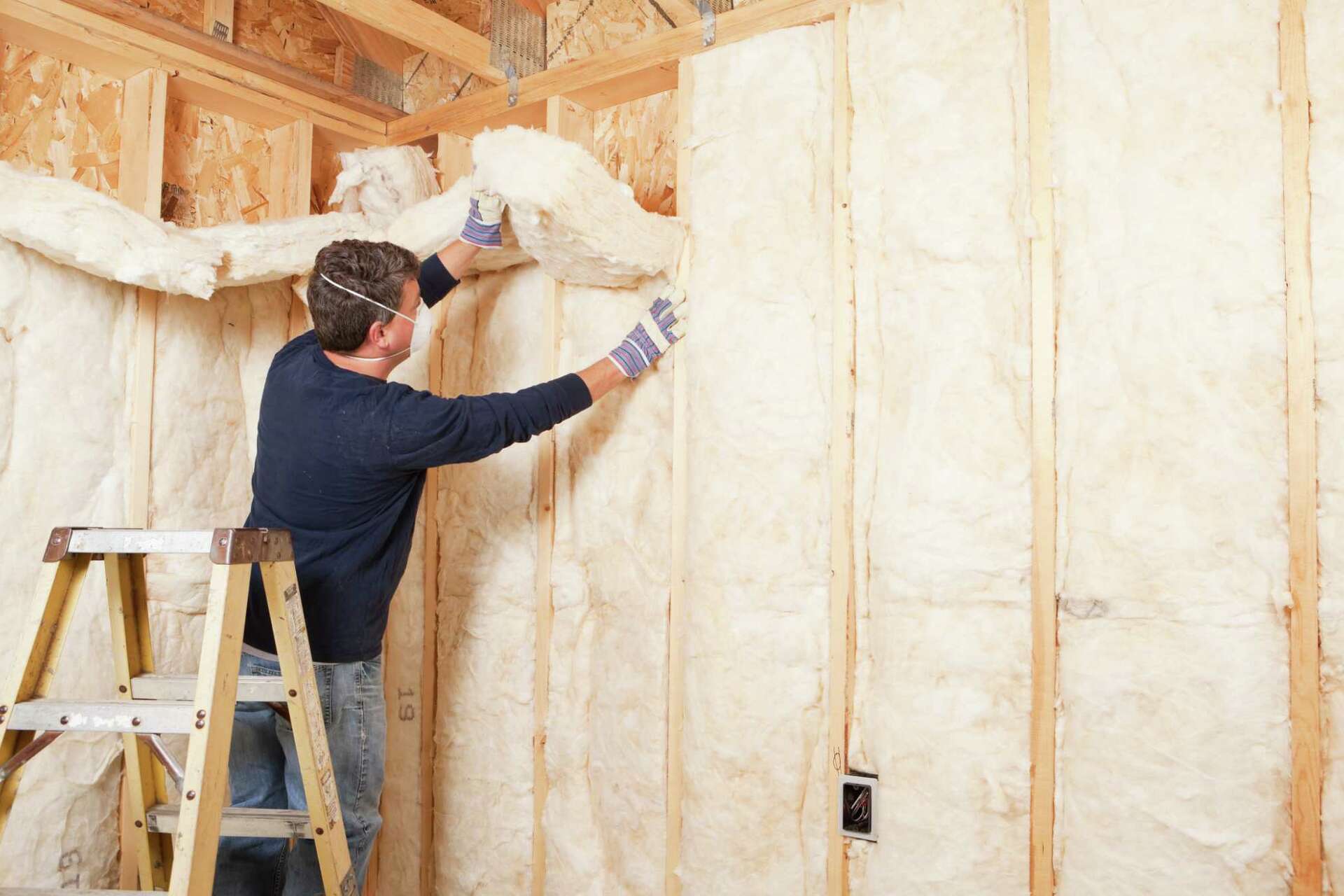
Insulation works by trapping air in pockets. When you compress R-19 fiberglass (6.25 inches thick) into a 3.5-inch 2×4 cavity, you eliminate those air pockets. The result is an effective R-value that is often lower than a properly installed R-13 batt. Essentially, you are paying a premium for R-19 material only to receive R-11 performance. This represents a direct loss of capital and an increase in long-term operational expenses due to thermal bridging and decreased efficiency.
Analyzing the Return on Investment for High-Performance Materials
Beyond standard fiberglass batts, the market offers several high-performance alternatives for 2×4 walls. Evaluating these options requires a “Total Cost of Ownership” (TCO) analysis rather than a simple price-per-square-foot comparison.
Mineral Wool vs. Fiberglass: A Long-Term Asset Comparison
Mineral wool (often branded as Rockwool) is a premium alternative for 2×4 framing. It typically offers an R-15 rating for a 3.5-inch thickness. While the material cost is significantly higher than fiberglass, mineral wool offers secondary financial benefits:
- Fire Resistance: Mineral wool can withstand temperatures over 2,000°F, which can lower insurance premiums in certain commercial or residential contexts.
- Acoustic Insulation: The density of mineral wool provides superior sound dampening, which is a major selling point in multi-family units or high-end residential flips, directly impacting the “quiet luxury” appeal and resale value.
- Hydrophobic Properties: Unlike fiberglass, mineral wool does not lose its R-value when exposed to moisture and does not support mold growth, reducing the risk of costly future remediation.
Spray Foam in 2×4 Framing: High Upfront Cost vs. Maximum Efficiency
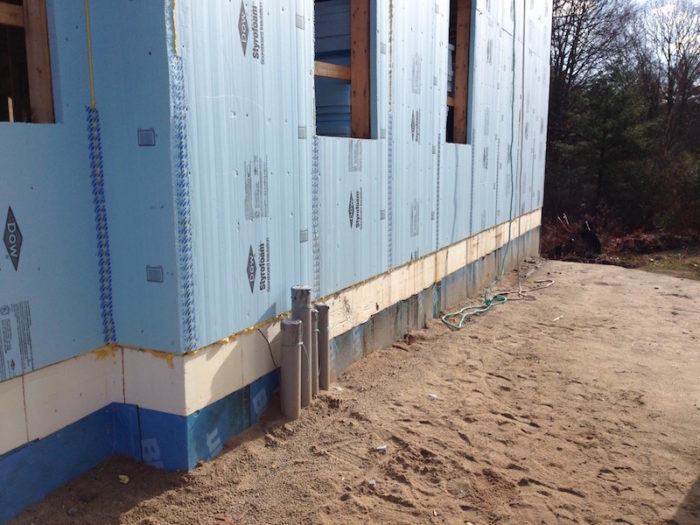
For those looking to maximize the financial performance of a 2×4 wall, closed-cell spray foam is the gold standard. In a 3.5-inch cavity, closed-cell foam can provide an R-value of approximately R-21 to R-24.
The investment is substantial—often three to four times the cost of fiberglass. However, spray foam acts as both insulation and an air barrier. By eliminating air infiltration, it can reduce monthly utility bills by up to 50% compared to traditional batts. For a long-term hold or a high-performance custom build, the internal rate of return (IRR) on spray foam is highly attractive, especially as energy prices continue to trend upward.
Leveraging Tax Credits and Energy Rebates for Home Improvement
The financial viability of choosing higher-rated insulation for 2×4 walls is significantly enhanced by government incentives. In the current economic climate, “green” upgrades are heavily subsidized.
The Inflation Reduction Act and Federal Incentives
Under the Energy Efficient Home Improvement Credit (Section 25C of the Internal Revenue Code), homeowners in the United States can claim a tax credit for 30% of the cost of insulation materials, up to a maximum of $1,200 annually. When calculating the cost of upgrading from R-13 to R-15 or mineral wool in a 2×4 wall, this tax credit often covers the entire price difference. This effectively allows the property owner to upgrade their asset’s efficiency using government-funded capital, enhancing the property’s value at zero net cost.
Utility Rebates: Finding Instant Cash Back
Many utility providers offer “rebate programs” to encourage energy load reduction. These programs often pay a specific dollar amount per square foot of insulation installed or provide a lump-sum rebate if a specific HERS (Home Energy Rating System) score is achieved. By choosing the right “size” and density of insulation for 2×4 walls, property owners can unlock these liquidity events, further reducing the net investment required for the project.
Protecting the Asset: How Insulation Impacts Home Appraisal and Resale Value
In modern real estate, “green features” are becoming a significant component of valuation. Appraisers and buyers are increasingly sophisticated, looking past aesthetic finishes to the “bones” of the building.
The Premium of Energy-Efficient Homes
Studies from organizations like the National Association of Realtors (NAR) indicate that a significant percentage of buyers consider heating and cooling costs “at least somewhat important” when purchasing a home. Homes with documented high-performance insulation in their 2×4 walls often command a price premium. When a seller can produce lower-than-average utility bills, it provides a powerful “social proof” of the home’s quality, often leading to a faster sale and a higher closing price.
Durability and Maintenance Savings
Insulation isn’t just about heat; it’s about moisture management. Choosing the right size and material for 2×4 walls prevents interstitial condensation. From a financial perspective, this is a form of risk management. By preventing rot, mold, and structural degradation, the property owner avoids “black swan” expenses—sudden, high-cost repairs that can derail a personal budget or a business’s cash flow.
Strategic Financial Planning for Residential Energy Upgrades
When deciding on the insulation for your 2×4 walls, you should view it through the lens of a portfolio manager.
Cash Flow Management for Renovation Projects
If you are working with a limited budget, it is often tempting to save money on the “hidden” parts of the wall. However, this is a classic example of being “penny wise and pound foolish.” While you can easily upgrade a kitchen faucet or light fixture in five years, upgrading wall insulation requires stripping the drywall—a labor-intensive and expensive process. Therefore, the strategic move is to allocate a larger portion of the initial capital to the highest quality insulation the 2×4 cavity can hold (such as R-15 or mineral wool), as this provides a locked-in benefit that cannot be easily replicated later.
The Opportunity Cost of Under-Insulating
The opportunity cost of choosing the minimum “size” (R-13) is the lost savings over the duration of ownership. If the upgrade to R-15 costs an extra $500 for a small home but saves $15 per month in energy costs, the simple ROI is 36% annually. Very few traditional financial instruments (stocks, bonds, or CDs) offer a guaranteed, tax-free return of 36%. In this light, high-density insulation is one of the safest and most productive places to “park” capital during a renovation.
In conclusion, when asking “what size insulation for 2×4 walls,” the answer should be dictated by your financial goals. While 3.5 inches is the physical limit, the thermal and financial density of that space is variable. For the budget-conscious, R-13 is the floor. For the value-oriented investor, R-15 or mineral wool is the sweet spot. And for those looking to maximize the long-term equity and operational efficiency of their property, high-performance materials represent a premier asset class in the realm of home improvement.
aViewFromTheCave is a participant in the Amazon Services LLC Associates Program, an affiliate advertising program designed to provide a means for sites to earn advertising fees by advertising and linking to Amazon.com. Amazon, the Amazon logo, AmazonSupply, and the AmazonSupply logo are trademarks of Amazon.com, Inc. or its affiliates. As an Amazon Associate we earn affiliate commissions from qualifying purchases.