
The question of what shampoo celebrities use is rarely a matter of simple hygiene; it is a complex intersection of personal branding, corporate strategy, and psychological marketing. For the consumer, a celebrity’s choice of hair care provides a blueprint for aspiration. For the brand, a celebrity endorsement—whether paid or organic—is a high-stakes investment in market positioning and brand equity. In the multi-billion dollar beauty industry, the “celebrity choice” acts as a seal of quality that transcends traditional advertising, moving the product from a mere commodity to a lifestyle essential.

To understand why certain brands dominate the bathrooms of the elite, one must look past the ingredients and examine the brand architecture that supports these products. From the professional-grade exclusivity of Oribe to the clinical prestige of Kérastase, the shampoos used by celebrities are chosen because they align with a specific narrative of luxury, efficacy, and status.
The Halo Effect: How Celebrity Influence Shapes Brand Perception
In marketing, the “Halo Effect” describes a cognitive bias where our overall impression of a person influences how we feel and think about their character or the products they associate with. When a high-profile figure known for their aesthetic perfection is linked to a specific hair care line, that brand inherits the “halo” of the individual’s glamour.
The Psychology of Aspirational Branding
Aspirational branding relies on the consumer’s desire to bridge the gap between their current reality and a perceived ideal. When a brand like Leonor Greyl or Augustinus Bader is identified as a celebrity favorite, it is not just selling a cleansing agent; it is selling access to an exclusive tier of existence. The brand strategy here focuses on “prestige signaling.” By using the same products as an A-list actor or a world-class musician, the consumer feels a sense of proximity to that level of success.
The Power of Organic Endorsement
While multimillion-dollar contracts are common, the most valuable brand equity is often built through “organic” mentions. When a celebrity is asked in an unscripted interview what they use and they name a brand like Shu Uemura, the perceived authenticity is priceless. This creates a “soft sell” environment where the brand doesn’t have to shout its merits; the celebrity’s lifestyle speaks for it. This strategy is central to personal branding, as it suggests the celebrity is making a choice based on quality rather than a paycheck.
The Shift from Endorser to Founder: A New Era of Personal Branding
The landscape of celebrity hair care has undergone a radical transformation over the last decade. We have moved from the era of the “face of the brand” to the era of the “celebrity founder.” This shift represents a sophisticated evolution in personal branding and corporate identity.
Case Study: Jennifer Aniston and LolaVie
Jennifer Aniston has long been the gold standard for “hair envy.” For years, her association with brands like Living Proof helped those companies achieve massive valuation and eventual acquisition. However, her move to launch LolaVie represents a masterclass in brand ownership. By leveraging her personal brand—built on decades of trust and specific aesthetic consistency—she transitioned from a spokesperson to a business mogul. LolaVie’s branding focuses on “science meets nature,” a strategy that mirrors Aniston’s own public persona of effortless health and longevity.
Disrupting the Mass Market: Priyanka Chopra and Anomaly
While many celebrities aim for the luxury tier, Priyanka Chopra Jonas targeted the “masstige” (mass-prestige) market with Anomaly. The brand strategy here was centered on democratization and sustainability. By using 100% recycled plastic for packaging and keeping price points low, the brand leveraged Chopra’s global influence to appeal to a socially conscious demographic. This demonstrates how a celebrity’s personal brand can be used to pivot a product’s identity toward corporate social responsibility (CSR) while maintaining high volume sales.
Strategic Product Positioning: The Role of the Celebrity Stylist
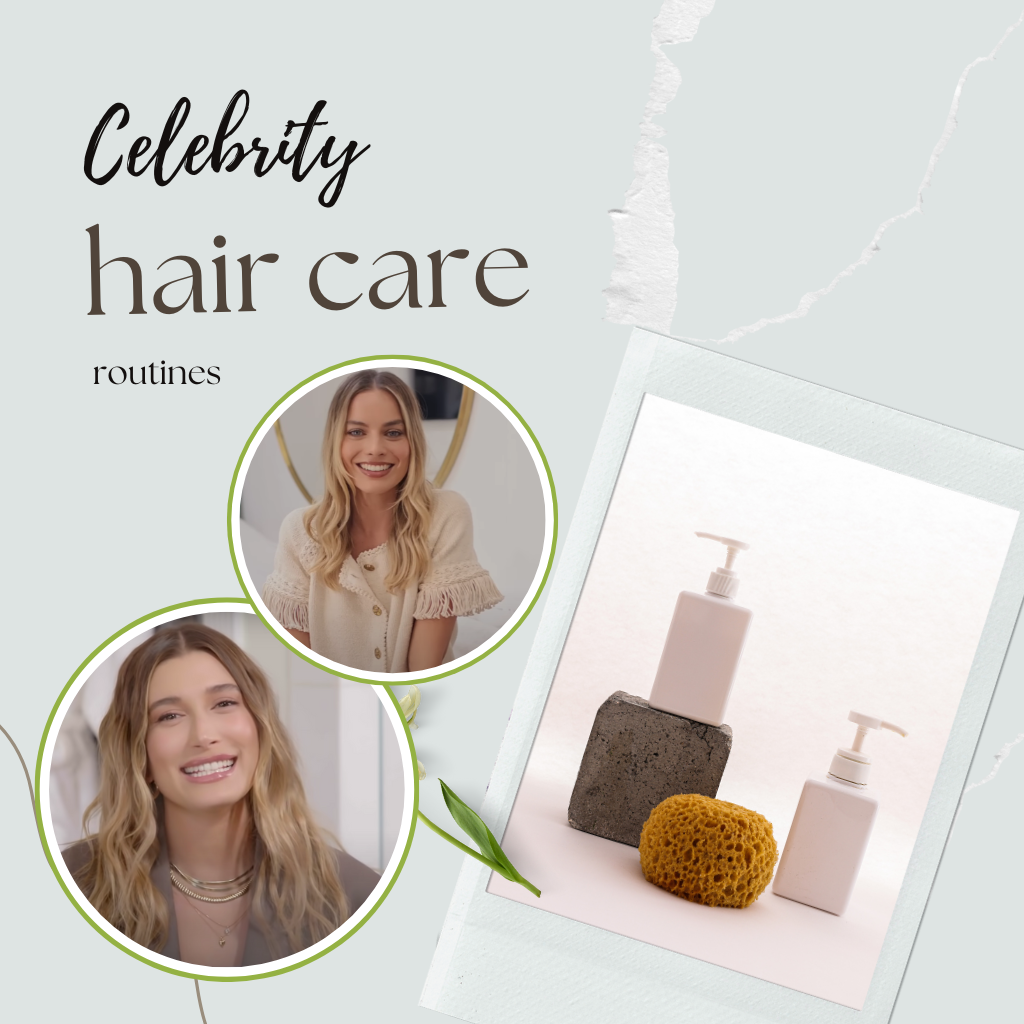
In the beauty ecosystem, the celebrity stylist is the ultimate gatekeeper and a crucial node in brand strategy. Brands like Oribe, R+Co, and Color Wow do not just target the celebrities themselves; they target the professionals who touch celebrity hair every day.
The Stylist as a Brand Conduit
When a stylist like Chris Appleton or Jen Atkin uses a specific product on a client like Kim Kardashian or Dua Lipa, that product is immediately validated within the industry. This is a B2B2C (Business-to-Business-to-Consumer) strategy. The brand sells to the stylist (B2B), who then showcases the results on a high-profile canvas, which ultimately drives the consumer (C) to purchase. This creates a layer of professional authority that reinforces the brand’s identity as “expert-approved.”
Creating Cultural Moments through Styling
The strategic use of products during major cultural events—such as the Met Gala or the Oscars—serves as a live-action case study for a brand’s performance. If a brand’s “anti-frizz” spray can keep a celebrity’s hair perfect under red carpet lights and humidity, the brand’s functional promise is proven in a high-stakes environment. This real-world proof is more effective than any laboratory claim, providing the brand with a narrative of reliability and elite performance.
Creating Aspirational Loyalty: The Mechanics of Luxury Brand Identity
Luxury hair care brands that celebrities frequent, such as Balmain Hair Couture or Iles Formula, do not compete on price. Instead, they compete on heritage, sensory experience, and exclusivity.
Sensory Branding and Signature Scents
A key component of why celebrities gravitate toward certain shampoos is sensory branding. Oribe, for example, is famous for its “Côte d’Azur” fragrance. The scent was developed in collaboration with a legendary French fragrance house, making the shampoo feel more like a fine perfume. This creates a distinct brand identity that is recognizable even without seeing the bottle. For a celebrity, this sensory experience becomes part of their personal ritual, fostering deep brand loyalty that is difficult for competitors to break.
Packaging and Visual Identity
In the age of social media, the aesthetic of the bottle is nearly as important as the formula inside. Brands like Vintner’s Daughter or Virtue Labs design their packaging to look at home in a luxury interior. This “shelfie” potential is a strategic move to ensure that when a celebrity shares a glimpse of their vanity on Instagram, the brand’s visual identity is front and center. The packaging acts as a silent ambassador of the brand’s corporate identity, signaling sophistication and modern elegance.
The Future of Celebrity Branding in the Beauty Sector
As the market becomes increasingly saturated, the relationship between celebrities and their shampoos is becoming more nuanced. The future of this niche lies in data-driven personalization and radical transparency.
Sustainability and Ethical Alignment
Modern celebrities are increasingly protective of their personal brands, meaning they are more likely to align with shampoos that prioritize clean ingredients and ethical sourcing. Brands like Briogeo and Rahua have seen success by positioning themselves as the “clean” alternative to traditional luxury. The corporate strategy here is to align the brand’s values with the celebrity’s public stance on health and the environment, creating a symbiotic relationship that benefits both parties’ reputations.

The Rise of Biotech in Hair Care
We are seeing a shift away from traditional botanical ingredients toward “biotech” hair care. Brands like K18 and Olaplex have gained massive celebrity followings not through lifestyle marketing alone, but through patented chemical innovation. Their brand strategy is built on the “Hero Ingredient” or “Patented Technology” narrative. For a celebrity whose hair is constantly subjected to heat and chemical processing, the functional benefit of these brands becomes a necessity. This shift marks a move toward “performance-based luxury,” where the brand’s value is tied directly to scientific breakthroughs.
In conclusion, the question of what shampoo celebrities use reveals a sophisticated web of brand strategies. Whether through high-level endorsements, stylist gatekeeping, or the launch of celebrity-owned lines, these products are positioned to capture the imagination and the wallets of a global audience. The shampoo bottle in a celebrity’s shower is not just a tool for cleaning hair; it is a carefully curated symbol of brand identity, professional endorsement, and the enduring power of aspirational marketing. By understanding these dynamics, brands can better navigate the competitive landscape of the beauty industry, turning a daily routine into a powerful statement of prestige.
aViewFromTheCave is a participant in the Amazon Services LLC Associates Program, an affiliate advertising program designed to provide a means for sites to earn advertising fees by advertising and linking to Amazon.com. Amazon, the Amazon logo, AmazonSupply, and the AmazonSupply logo are trademarks of Amazon.com, Inc. or its affiliates. As an Amazon Associate we earn affiliate commissions from qualifying purchases.