
The intersection of wellness and technology has evolved beyond simple step-counting and calorie-tracking. In the contemporary digital ecosystem, the focus has shifted toward “Biohacking”—the practice of using science and technology to optimize human biological systems. One of the most significant frontiers in this movement is sleep hygiene. While blue light filters and smart mattresses have dominated the conversation for years, a new technological pillar is emerging: Olfactory Optimization.
The question of which scents help you sleep is no longer a matter of simple aromatherapy or lighting a candle. In the high-tech landscape, it is about the precision delivery of volatile organic compounds (VOCs) through smart devices, AI-driven personalization, and IoT integration. By leveraging technology to automate and refine our exposure to specific scents, we can program our environments to trigger the parasympathetic nervous system, ensuring deeper rest and more efficient recovery cycles.

The Engineering of Rest: Smart Diffusion Systems
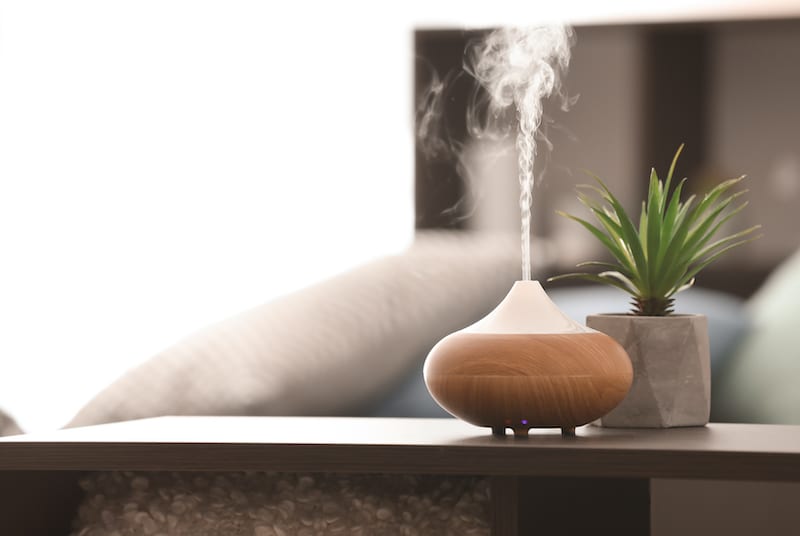
The traditional method of scenting a room—candles or reed diffusers—is inherently flawed from a tech perspective. They lack precision, they cannot be scheduled, and they offer no data feedback. Modern sleep technology has solved this through the development of smart nebulizing diffusers and dry-air delivery systems.
Ultrasonic vs. Nebulizing Technology
In the tech world, the delivery mechanism is as important as the payload. Ultrasonic diffusers use high-frequency vibrations to create a fine mist of water and essential oils. While effective, the high-tech preference often leans toward nebulizing diffusers. These devices use Bernoulli’s principle—a fundamental of fluid dynamics—to atomize pure oils into micro-particles without the use of heat or water. This preserves the chemical integrity of the sleep-inducing molecules, ensuring that the linalool in lavender or the cedrol in cedarwood is delivered to the olfactory bulb in its most potent form.
IoT Integration and Scent Scheduling
The true power of modern olfactory tech lies in its integration with the broader smart home ecosystem. Devices like Pura or Aera are not merely “scent machines”; they are connected nodes in a digital wellness network. Through dedicated apps, users can schedule scent release to coincide with their “wind-down” routine. For instance, a system can be programmed to begin diffusing lavender at 9:00 PM, transition to a subtle cedarwood during deep sleep cycles, and finally, release a citrus-based scent at 7:00 AM to suppress melatonin production and facilitate a natural wake-up.
The Data-Driven Scents: Neurobiology and Biohacking
When we examine which scents help you sleep through a technical lens, we are looking for compounds that interact with the brain’s neurochemistry. Modern tech-driven wellness platforms focus on three primary scents, backed by peer-reviewed data and optimized for digital delivery.
Lavender (Linalool): The Algorithm of Calm
Lavender remains the gold standard in sleep tech due to its high concentration of linalool and linalyl acetate. These compounds are essentially “software updates” for the nervous system. When inhaled, they interact with the neurotransmitter GABA (Gamma-Aminobutyric Acid), the brain’s primary inhibitory signal. Smart diffusers are designed to pulse lavender during the N1 and N2 stages of sleep to prevent micro-awakenings. From a tech standpoint, lavender acts as a signal-to-noise ratio enhancer, quieting the “noise” of daily stress to allow the “signal” of sleep to take over.
Valerian Root: The Heavyweight of Sedation
For those utilizing sleep-tracking wearables like the Oura Ring or Whoop strap, valerian root is often the scent of choice for increasing Deep Sleep scores. Technologically advanced formulations of valerian are designed to mimic the effects of benzodiazepines but without the chemical hangover. The tech-focused user leverages valerian during periods of high cognitive load, using it as a hard-reset for the brain’s arousal centers.

Bergamot: Balancing the Cortisol Clock
Bergamot is unique because it is a citrus scent that acts as a sedative rather than a stimulant. In the context of “Digital Security” for the mind, bergamot functions like a firewall against cortisol. High cortisol levels at night are the primary disruptor of sleep cycles. By integrating bergamot into a smart diffusion cycle, users can lower their heart rate and blood pressure through olfactory-nerve stimulation, preparing the body’s “hardware” for the low-power mode required for rest.
AI and Personalization: Tailoring Scents to Biometric Data
The most exciting development in the “scents for sleep” niche is the integration of Artificial Intelligence and real-time biometric feedback. We are moving away from a “one size fits all” approach to a highly personalized, data-driven experience.
Predictive Scenting Based on Wearables
Imagine a system where your Apple Watch or Fitbit detects a high-stress day based on your Heart Rate Variability (HRV). Through an API integration, your smart home system receives this data and adjusts your sleep environment automatically. If your HRV is low (indicating high stress), the AI may choose to increase the concentration of sandalwood—a scent known for its grounding properties—and start the diffusion 30 minutes earlier than usual. This is proactive biohacking: the tech anticipates your biological needs before you even realize you’re tired.
Machine Learning Algorithms in Fragrance Formulation
Technology companies are now using machine learning to create synthetic “super-scents.” By analyzing thousands of sleep studies, AI can determine the exact ratio of chemical compounds that trigger the fastest transition into REM sleep. These laboratory-developed scents are then packaged into smart cartridges that communicate with the diffuser via RFID tags, ensuring the device knows exactly how to vaporize the specific density of that oil for maximum efficacy.
The Future of Digital Scent Technology (DST)
As we look toward the next decade, the tech surrounding scents for sleep will move beyond the room and into the realm of Digital Scent Technology (DST). This involves the hardware capable of emitting scents through digital signals, potentially even integrated into VR and AR environments.
VR Sleep Sanctuaries
Virtual Reality is being used to treat insomnia and PTSD-related sleep disorders. The next iteration involves “Multi-Sensory Immersion.” A user might wear a VR headset to sit in a digital pine forest; simultaneously, a synchronized tech device releases the scent of “Forest Bathing” (phytoncides). The synchronization of visual, auditory, and olfactory stimuli creates a powerful psychological anchor, training the brain to enter a sleep state instantly upon activation.
Biosensors and Real-Time Adjustments
The future of sleep tech will likely involve non-wearable biosensors placed under the mattress or on the bedside table. Using radar or infrared technology, these sensors monitor respiratory rates and movement. If the sensor detects that a user is tossing and turning during a specific sleep phase, it can send an instantaneous command to the diffuser to release a “micro-dose” of a calming scent like Roman Chamomile. This creates a closed-loop system where the environment reacts in real-time to the user’s biological state.
Conclusion: The New Frontier of Sleep Hygiene
The question of “what scents help you sleep” has transitioned from folk medicine into the realm of high-performance technology. In the modern age, sleep is an asset to be managed, and scents are the latest tools in the digital wellness kit. By utilizing smart nebulizers, IoT integration, and AI-driven personalization, we are no longer at the mercy of our environments. Instead, we can architect our surroundings with precision.
Whether it is the GABA-modulating effects of lavender or the cortisol-lowering properties of bergamot, the delivery of these scents through advanced hardware and software represents a significant leap forward in human optimization. As we continue to integrate our biological selves with the digital world, the air we breathe while we sleep will become as programmed and optimized as the code in our favorite apps. The future of rest is not just quiet—it is fragrant, automated, and data-driven.
aViewFromTheCave is a participant in the Amazon Services LLC Associates Program, an affiliate advertising program designed to provide a means for sites to earn advertising fees by advertising and linking to Amazon.com. Amazon, the Amazon logo, AmazonSupply, and the AmazonSupply logo are trademarks of Amazon.com, Inc. or its affiliates. As an Amazon Associate we earn affiliate commissions from qualifying purchases.