
The global coffee industry is an economic juggernaut, valued at over $400 billion. For most of the world, coffee is a foundational commodity, a daily ritual, and a primary driver of the hospitality sector. However, for certain religious groups, the consumption of coffee is restricted or prohibited. From a financial and business perspective, these prohibitions are not merely theological footnotes; they represent significant market shifts, unique consumer behaviors, and massive opportunities for alternative beverage industries.
Understanding which religions do not allow coffee—specifically The Church of Jesus Christ of Latter-day Saints (LDS) and the Seventh-day Adventist Church—allows investors, entrepreneurs, and financial analysts to map out the economic landscape of “abstinence-based” markets.

The Economic Geography of Coffee Prohibition: The LDS Market
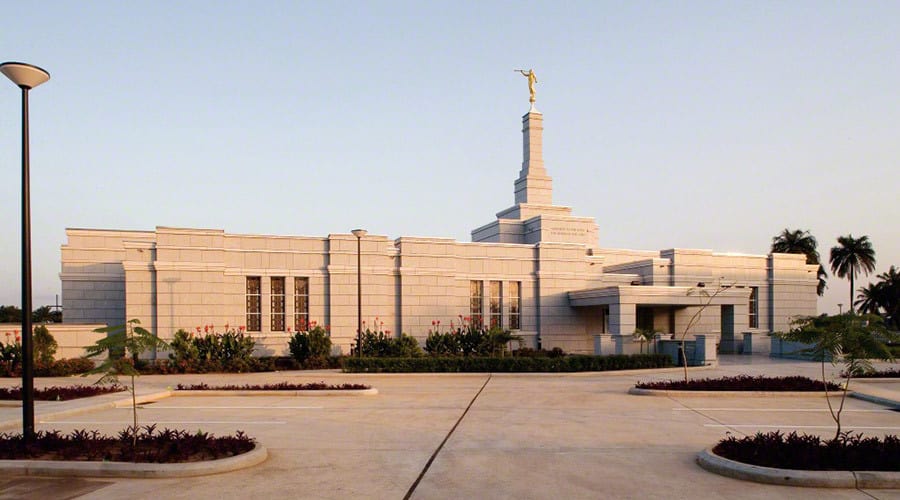
The most prominent example of a religious group that prohibits coffee is The Church of Jesus Christ of Latter-day Saints. This restriction stems from a 19th-century revelation known as the “Word of Wisdom,” which advises against the consumption of “hot drinks.” In modern practice, the Church has clarified that this specifically refers to coffee and tea.
Analyzing the Utah Coffee Economy
Utah serves as a unique case study in economic geography. Because the state has a high density of LDS members, the traditional “coffee shop on every corner” model faced significant hurdles for decades. For a long-term investor, the data suggests that while coffee consumption in Utah is lower than the national average, the demand for caffeine and social gathering spaces remains high.
Historically, this led to a “caffeine vacuum” in the market. Large chains like Starbucks were slower to penetrate rural Utah compared to other Western states. However, this suppression of the coffee market created a niche for businesses that could provide the “social high” of a coffee house without the prohibited substance.
The Rise of “Dirty Soda” Franchises as a Business Model
One of the most fascinating financial developments in the beverage industry is the rise of the “Dirty Soda” shop. Brands like Swig, Sodalicious, and Fiiz began in Utah as a direct response to the religious prohibition of coffee. These businesses specialize in large sodas mixed with cream, syrups, and fruit—providing a high-caffeine, high-sugar alternative that complies with religious dietary laws.
From a venture capital perspective, this niche has proven incredibly lucrative. In 2023, Swig announced plans for massive national expansion, backed by private equity. What began as a localized workaround for religious restrictions has evolved into a scalable business model attracting millions in investment. For entrepreneurs, the lesson is clear: where a dominant commodity like coffee is restricted, the financial upside for a culturally compliant substitute is exponential.
Seventh-day Adventism and the Health-Conscious Investment Niche
The Seventh-day Adventist Church is another major religious body that discourages the consumption of coffee. Their stance is rooted in a holistic approach to health, viewing the body as a temple. While not an absolute “disfellowshipping” offense in all congregations, many Adventists avoid caffeine as a stimulant that interferes with natural rest and spiritual clarity.
The Wellness Market and Caffeine Alternatives
The financial impact of the Adventist community is felt most strongly in the health food sector. Unlike the LDS “dirty soda” trend, the Adventist market drives growth in functional beverages, grain-based coffee substitutes (like Postum or Pero), and herbal teas.
Investors looking at the “longevity economy” often point to Loma Linda, California—a “Blue Zone” with a high concentration of Adventists. The businesses thriving in this ecosystem are not coffee shops but juice bars, nut-based milk producers, and organic cafes. The Adventist influence has fueled the success of institutional brands like Sanitarium Health and Wellbeing Company, which is owned by the church and generates hundreds of millions in annual revenue across Australia and New Zealand.

Institutional Investing in Coffee-Free Sectors
For institutional investors, the Adventist model provides a blueprint for “clean labeling.” Because this demographic avoids stimulants, they were early adopters of the plant-based and decaffeinated trends that are now going mainstream. Companies that cater to these dietary laws often find themselves ahead of the curve in the broader $1.5 trillion global wellness market. Financial analysts now track these religious consumer habits as leading indicators for broader health trends in the general population.
Business Strategy: Navigating Religious Dietary Laws in Global Expansion
When a multinational corporation or a private equity firm looks to expand into regions with high religious concentrations, “cultural due diligence” is a financial necessity. Ignoring the religious landscape regarding coffee can lead to millions in wasted capital and failed storefronts.
Market Research and Cultural Due Diligence
In markets like the Middle East, while coffee is culturally foundational (Arabic coffee), certain interpretations of religious purity can affect how products are marketed. Furthermore, during the holy month of Ramadan, coffee sales plummet during daylight hours. A business that relies solely on morning coffee revenue without a diversified financial plan for fasting periods risks seasonal insolvency.
Similarly, in parts of India, certain Hindu sects avoid coffee and tea due to their stimulant properties (Rajasic or Tamasic nature). A brand like Dunkin’ or Costa Coffee must analyze the micro-demographics of a city before committing to a ten-year lease. The financial risk of a “one-size-fits-all” beverage strategy is high in a world where religious identity dictates daily spending.
Supply Chain Diversification for Specialized Certifications
For coffee producers, the intersection of religion and finance often involves certification. While coffee itself is generally considered Halal or Kosher, the additives, flavorings, and processing methods are subject to scrutiny. For a coffee brand to capture the widest possible market share, investing in Halal and Kosher certifications is a mandatory business expense.
These certifications open doors to high-growth markets in Southeast Asia and the Middle East. The cost of certification is an upfront investment that pays dividends through expanded shelf space in international grocery chains. In the world of corporate finance, “compliance” isn’t just about government regulation; it’s about religious market accessibility.
The “Sober-Curious” Trend: Financial Growth in the Caffeine-Free Space
A significant shift is occurring where secular markets are beginning to mimic the behaviors of coffee-restricting religions. The “sober-curious” and “caffeine-free” movements are gaining financial traction, driven by Gen Z’s focus on sleep hygiene and anxiety reduction.
Venture Capital in Functional Beverages
Venture capital is pouring into “mushroom coffee” (which often contains little to no actual coffee beans) and adaptogenic drinks. Brands like MudWtr or Rasa are positioning themselves as alternatives to the “jitters” of coffee. Interestingly, these brands are finding their highest customer lifetime value (CLV) in demographics that overlap with religious abstainers or those mimicking their lifestyle.
From a financial standpoint, the margins on these functional alternatives are often higher than traditional coffee. While a pound of high-quality coffee beans has a capped price point due to global commodity markets, “proprietary blends” of cacao, ashwagandha, and reishi can be marketed at a premium, luxury price point.
Revenue Projections for Post-Coffee Startups
The revenue projections for the “alternative stimulant” market suggest a compound annual growth rate (CAGR) of over 7%. This is driven by a two-pronged attack: religious compliance in established communities and health-motivated avoidance in secular populations.
For the modern entrepreneur, the question “What religion does not allow coffee?” is the starting point for a deeper financial inquiry:
- Where is the unmet demand for social beverages?
- What are the margins on coffee substitutes versus traditional beans?
- How can a brand leverage the “purity” aspect of religious dietary laws to appeal to a broader, health-conscious audience?
The prohibition of coffee in certain faiths is not a barrier to trade; it is a roadmap to a different kind of wealth. By understanding the “why” behind the abstinence, businesses can develop “what” the consumer will buy instead. Whether it is the multi-million dollar soda franchises of Utah or the global plant-based empires of the Adventist community, the financial reality is that coffee-free markets are some of the most loyal, resilient, and profitable niches in the modern economy.
aViewFromTheCave is a participant in the Amazon Services LLC Associates Program, an affiliate advertising program designed to provide a means for sites to earn advertising fees by advertising and linking to Amazon.com. Amazon, the Amazon logo, AmazonSupply, and the AmazonSupply logo are trademarks of Amazon.com, Inc. or its affiliates. As an Amazon Associate we earn affiliate commissions from qualifying purchases.