
In the hyper-competitive landscape of the music industry, the concept of “branding” has evolved from simple image management to a complex, multi-layered strategy of identity construction. For decades, the hip-hop genre was defined by a brand persona rooted in rigid hyper-masculinity, traditional gender roles, and a specific type of street-centric authenticity. However, the cultural zeitgeist has shifted. Today, the question of which rappers are gay or queer is not just a matter of tabloid curiosity; it is a central pivot point for one of the most significant brand evolutions in modern entertainment history.
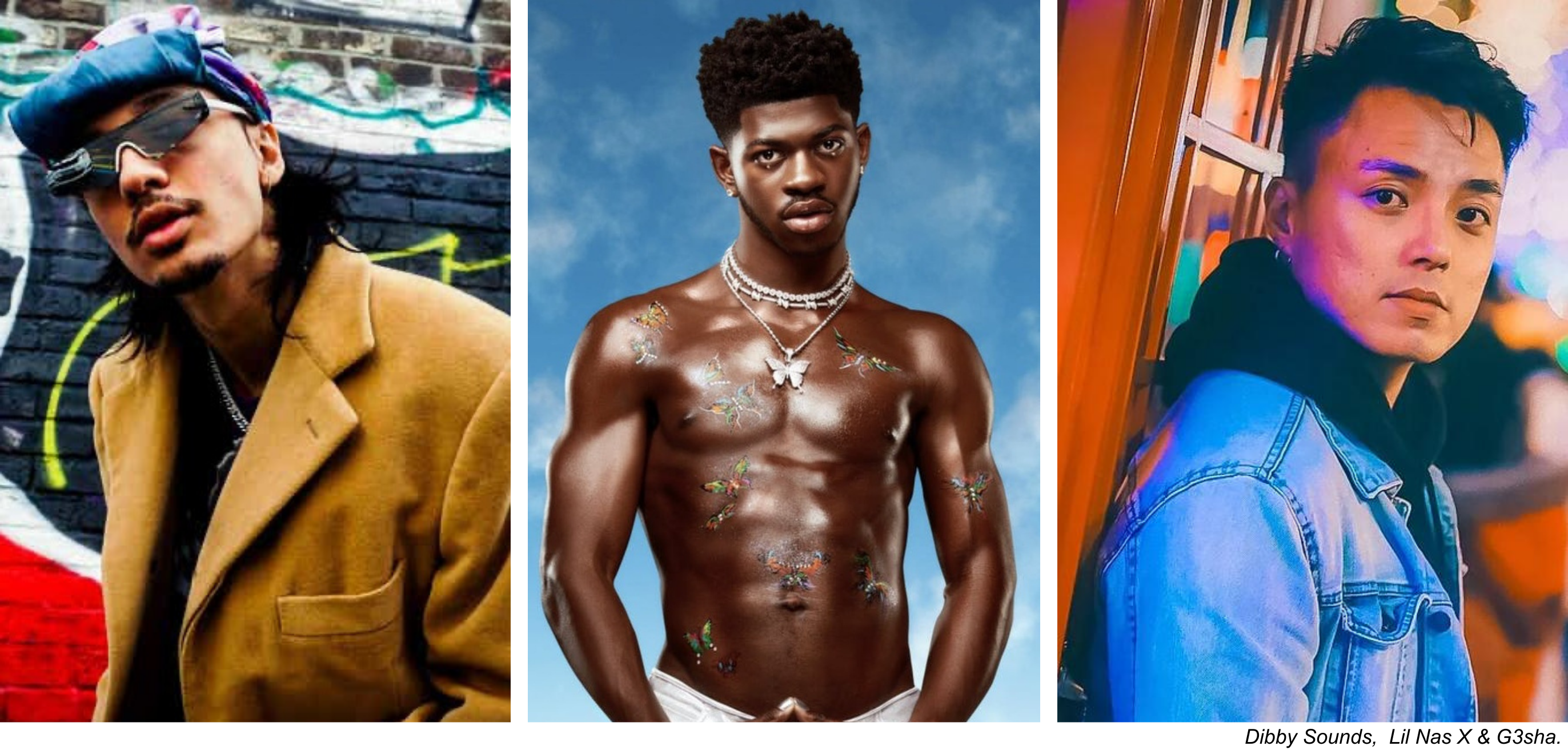
As personal branding becomes the primary currency for artists, the emergence of openly LGBTQ+ rappers has redefined what it means to be “authentic” in the marketplace. This shift represents a broader movement toward brand transparency, where an artist’s personal identity is no longer a liability to be hidden but a unique value proposition that fosters deep, loyal connections with a global audience.
The Strategic Shift from Hyper-Masculinity to Authentic Branding
The history of hip-hop branding was long dominated by the “tough guy” archetype. For a brand to be successful in rap during the 1990s and early 2000s, it had to adhere to a specific set of visual and lyrical codes. This was a corporate necessity as much as a cultural one; labels believed that the primary consumer demographic for rap—young men—would not support a brand that deviated from heteronormative standards.
However, the digital age has democratized brand building. Social media has allowed artists to bypass traditional gatekeepers and speak directly to niche communities. This has led to the rise of “Authenticity Marketing,” where the most successful brands are those that feel the most “real.” In this context, coming out or being open about one’s queer identity is a move toward brand integrity. For artists like Frank Ocean, Tyler, The Creator, and Lil Nas X, their identity is not a “gimmick” but the core of their personal brand, offering a level of vulnerability that resonates with Gen Z and Millennial consumers who prioritize social progress and inclusivity.
The Breakdown of the Monolith
Modern brand strategy in music recognizes that the audience is not a monolith. By embracing diverse identities, the hip-hop industry has expanded its Total Addressable Market (TAM). The “gay rapper” brand is no longer a sub-genre; it is a mainstream powerhouse that attracts high-value demographics. This shift allows labels to market to the LGBTQ+ community and its allies, which possess significant purchasing power, often referred to in marketing as the “Pink Dollar.”
Risk Management and Brand Pivot
Historically, coming out was seen as a brand “risk.” In the current market, the risk has inverted. Brands that appear performative, homophobic, or out-of-touch face significant “cancel culture” risks and the loss of lucrative corporate sponsorships. Strategic identity management now involves lean-in tactics, where artists use their personal truths to differentiate themselves in a saturated market.
Case Studies in High-Impact Personal Branding
To understand how identity functions as a brand asset, one must look at the specific strategies employed by the most prominent queer voices in the industry. These artists have not only succeeded in spite of industry prejudices but have used their identities to build multi-million dollar empires.
Lil Nas X: The Master of Viral Marketing and Visual Identity
Lil Nas X is perhaps the most sophisticated brand strategist in modern music. His brand is built on a foundation of internet literacy, self-awareness, and visual provocation. When he came out at the height of “Old Town Road’s” success, it was a calculated move that shifted his brand from a “one-hit-wonder” to a cultural icon.
His strategy involves “troll marketing,” where he uses controversy to drive engagement. By leaning into his queer identity through provocative music videos (like “Montero (Call Me By Your Name)”), he creates a feedback loop of outrage from conservative sectors and fervent support from progressives. This polarization is a classic brand-building technique: it strengthens the bond with the core audience while ensuring the brand stays at the center of the cultural conversation.
Tyler, The Creator: Subverting Expectations and Brand Elasticity
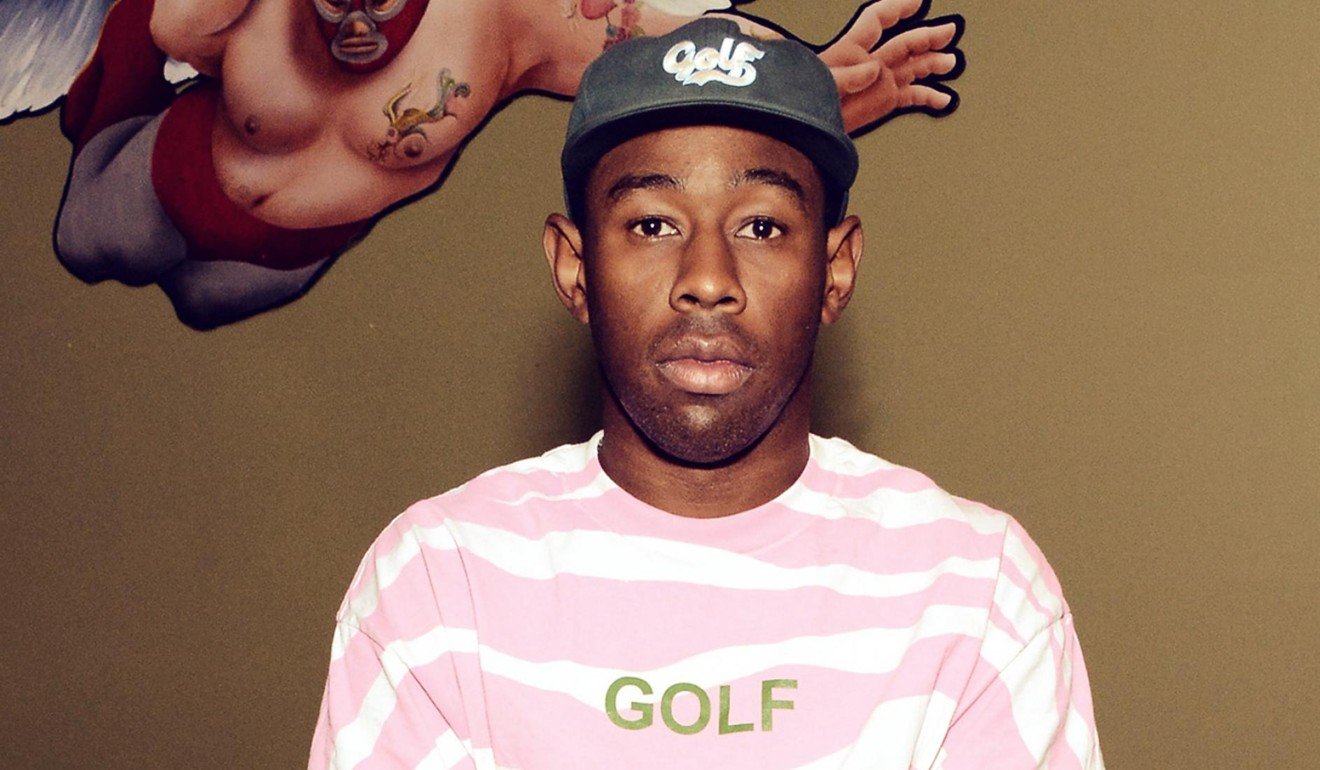
Tyler, The Creator’s brand journey is a masterclass in brand elasticity. Starting with a brand rooted in shock-rap and aggression, Tyler transitioned into a more fluid, genre-bending, and aesthetically refined persona. His subtle and sometimes overt lyrical references to his sexuality coincided with a shift in his visual brand—moving from streetwear to high-end pastel aesthetics and his luxury line, GOLF le FLEUR*.
His brand power lies in its unpredictability. By refusing to be pigeonholed into a single narrative, he has built a brand that values creative freedom above all else. This has allowed him to partner with legacy brands like Converse and Gucci, proving that a queer identity, when integrated into a sophisticated creative vision, enhances luxury brand appeal.

Kevin Abstract and the Collective Brand Strategy
As the founder of Brockhampton, Kevin Abstract utilized a “boyband” branding framework to recontextualize queer identity within a group dynamic. By positioning himself as a “gay rapper” within a multi-member collective, he normalized the identity. This brand strategy mirrored the classic boyband archetype but subverted it for a new generation. It allowed for a diverse range of fan “entry points,” making the brand inclusive rather than exclusive.
The Economic Value of Inclusivity in Brand Partnerships
The inclusion of gay rappers in the mainstream has fundamentally changed how corporate brands approach hip-hop. In the past, a rapper’s “brand safety” was often tied to their adherence to traditional norms. Today, major corporations are actively seeking out LGBTQ+ artists for high-profile collaborations because these artists represent the values of the modern consumer.
Luxury Fashion and Identity
The intersection of hip-hop and high fashion has never been stronger. Luxury houses like Louis Vuitton, Loewe, and Balenciaga are no longer just looking for “rappers”; they are looking for “tastemakers.” Artists who occupy queer spaces often bring a unique aesthetic sensibility that aligns with the avant-garde nature of high fashion. This has led to a symbiotic relationship where the artist provides cultural “cool” and the fashion house provides institutional “prestige,” elevating the artist’s personal brand to that of a global lifestyle icon.
The Influence of Tech and Streaming Platforms
Streaming services like Spotify and Apple Music use editorial playlists (e.g., “Pride” or “Alternative Hip-Hop”) to categorize and promote artists. Having a clear, identifiable brand—such as being a prominent queer voice—helps algorithms and human editors place artists in front of the right audience. This data-driven approach to branding ensures that “what rappers are gay” is not just a search query but a targeted demographic segment that tech companies can monetize through specialized content and ad placements.
Navigating Global Markets and Brand Safety
While the Western market has embraced the “inclusive rap brand,” global branding remains a complex challenge. For artists whose brands are centered on their queer identity, expanding into markets with different legal and social standards requires a nuanced PR strategy.
Balancing Authenticity with Market Access
A personal brand must remain consistent to be effective. However, when a gay rapper tours internationally or enters a partnership with a global entity (like a Middle Eastern-backed airline or a conservative tech firm), they must balance their brand’s core values with the realities of global trade. This “Brand Diplomacy” is a growing field in music management, where teams work to protect the artist’s integrity while maximizing their global footprint.
The Role of Advocacy in Branding
Many queer rappers have integrated activism into their brand architecture. By partnering with non-profits or using their platforms to speak on social issues, they move from being “musicians” to “thought leaders.” This transition increases the “Brand Equity” of the artist, making them more resilient to the fluctuations of the music charts. A brand built on a cause is often more durable than a brand built solely on a hit song.
The Future of Personal Branding in Hip-Hop
As we look toward the future, the distinction of “gay rapper” is likely to fade as the industry moves toward a post-label era. In this future, the primary focus will be on “radical authenticity.” The brands that survive will be those that can navigate the intersection of art, identity, and commerce without losing their soul.
The Rise of Independent Brand Ecosystems
With the rise of Web3, NFTs, and direct-to-consumer platforms, artists will have even more control over how their identity is branded and monetized. We are likely to see queer artists building their own “micro-economies,” where fans can invest in the artist’s career directly. This reduces the need for “brand sanitization” by major labels and allows for even more experimental and honest brand expressions.
Legacy and Brand Longevity
The ultimate goal of any brand strategy is longevity. The rappers today who are open about their identity are building brands that are grounded in truth. History has shown that brands based on artifice eventually crumble under the weight of their own contradictions. By being “out,” these artists are future-proofing their brands. They are creating a legacy that is not just about music, but about the cultural shift they spearheaded.
In conclusion, the inquiry into “what rappers are gay” reveals a profound transformation in the business of hip-hop. It is a transition from a closed-circuit brand model to an open-source identity framework. In this new era, the most successful rappers are those who understand that their identity is their greatest asset. By leveraging authenticity, viral marketing, and strategic corporate partnerships, they are not only changing the face of the music industry but are also redefining the very nature of personal branding in the 21st century.
aViewFromTheCave is a participant in the Amazon Services LLC Associates Program, an affiliate advertising program designed to provide a means for sites to earn advertising fees by advertising and linking to Amazon.com. Amazon, the Amazon logo, AmazonSupply, and the AmazonSupply logo are trademarks of Amazon.com, Inc. or its affiliates. As an Amazon Associate we earn affiliate commissions from qualifying purchases.