
In the realm of Natural Language Processing (NLP) and computational linguistics, the word “behind” represents a fascinating case study in lexical ambiguity. For a human speaker, the transition between using “behind” as a preposition or an adverb is often intuitive, governed by the subconscious rules of syntax. However, for technology—specifically the algorithms that power AI tools, search engines, and grammar checkers—determining the exact part of speech for such a word is a complex task involving deep learning, statistical probability, and structural analysis.
Understanding what part of speech “behind” is requires more than a simple dictionary definition. In tech-driven linguistics, we must look at how modern software architectures parse this word to facilitate human-machine interaction. Whether a voice assistant is processing the command “Put the file behind the folder” or a machine translation tool is interpreting the phrase “I stayed behind,” the software must execute a sophisticated series of operations to categorize the word correctly.
The Dual Role of “Behind” in Computational Models
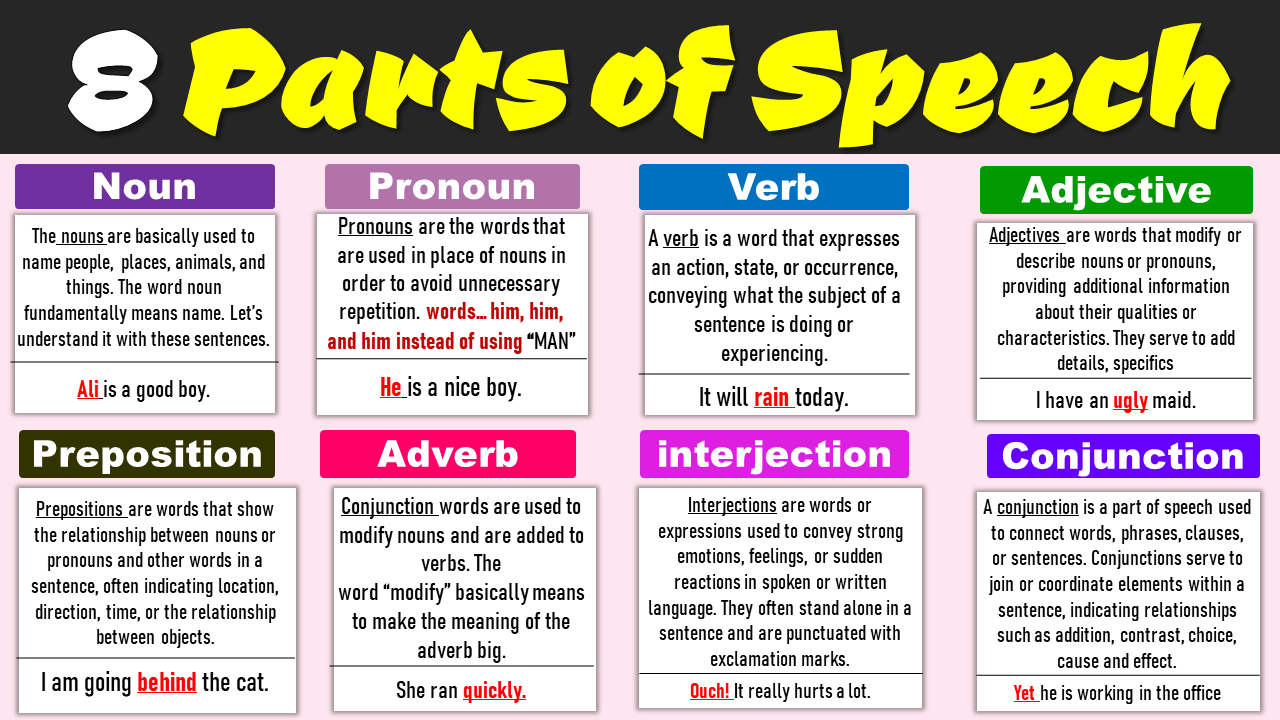
At its core, “behind” is most frequently classified as a preposition. However, its functional utility in English allows it to serve as an adverb and, in rarer cases, as an adjective or noun. For software developers building NLP models, this multi-functionality is known as Part-of-Speech (POS) ambiguity.
The Prepositional Function and Spatial Data
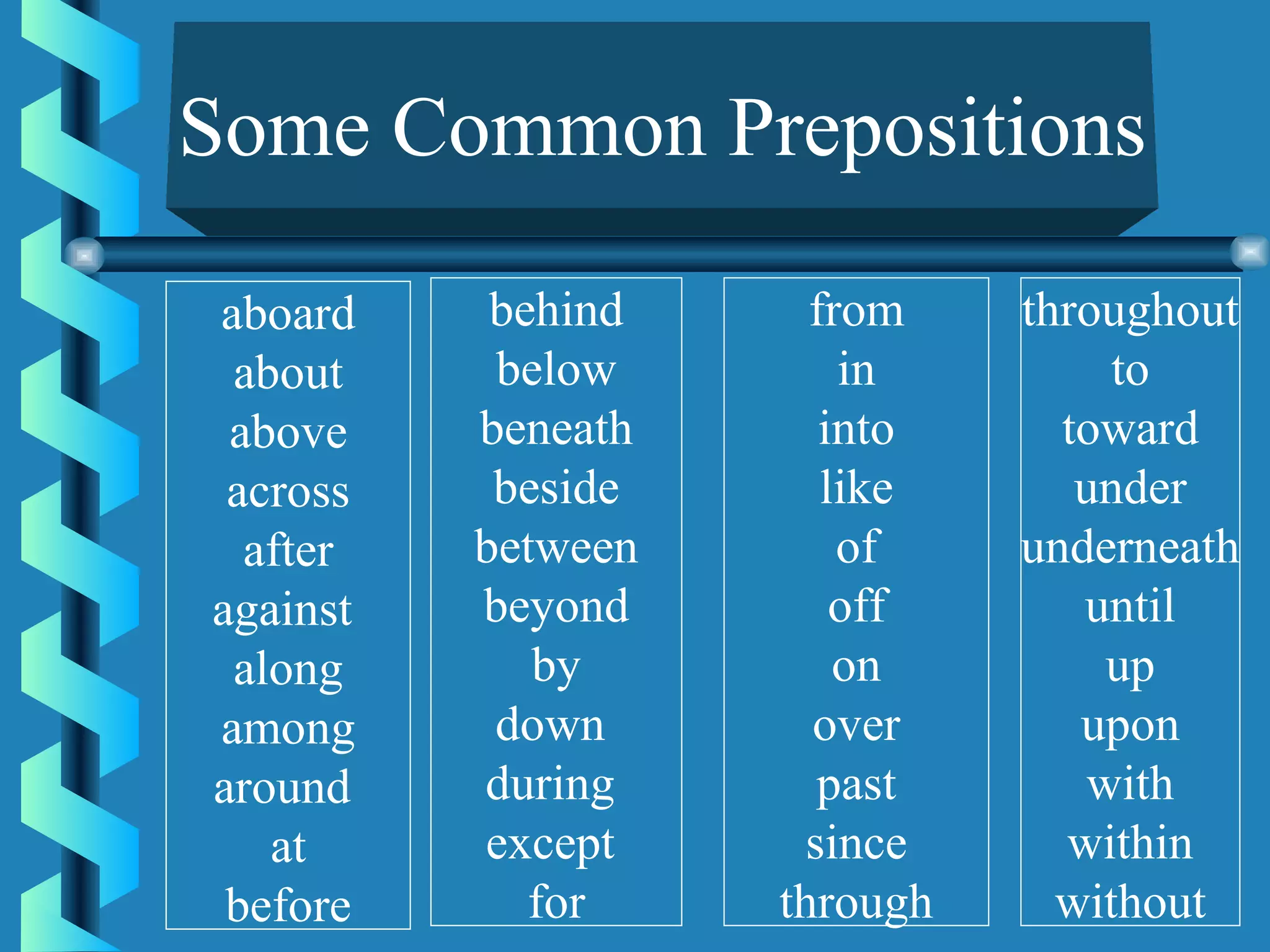
In the majority of technical applications, “behind” functions as a preposition. It establishes a spatial or temporal relationship between two entities. For example, in the sentence “The server is behind the firewall,” the word creates a relational link between the subject (server) and the object (firewall).
From a data structure perspective, a prepositional use of “behind” acts as a pointer. In spatial computing and robotics, identifying “behind” as a preposition is critical for object localization. If an autonomous drone is instructed to navigate behind an obstacle, the software must identify “behind” as the operator of a prepositional phrase, identifying the obstacle as the landmark.
The Adverbial Shift in Logic
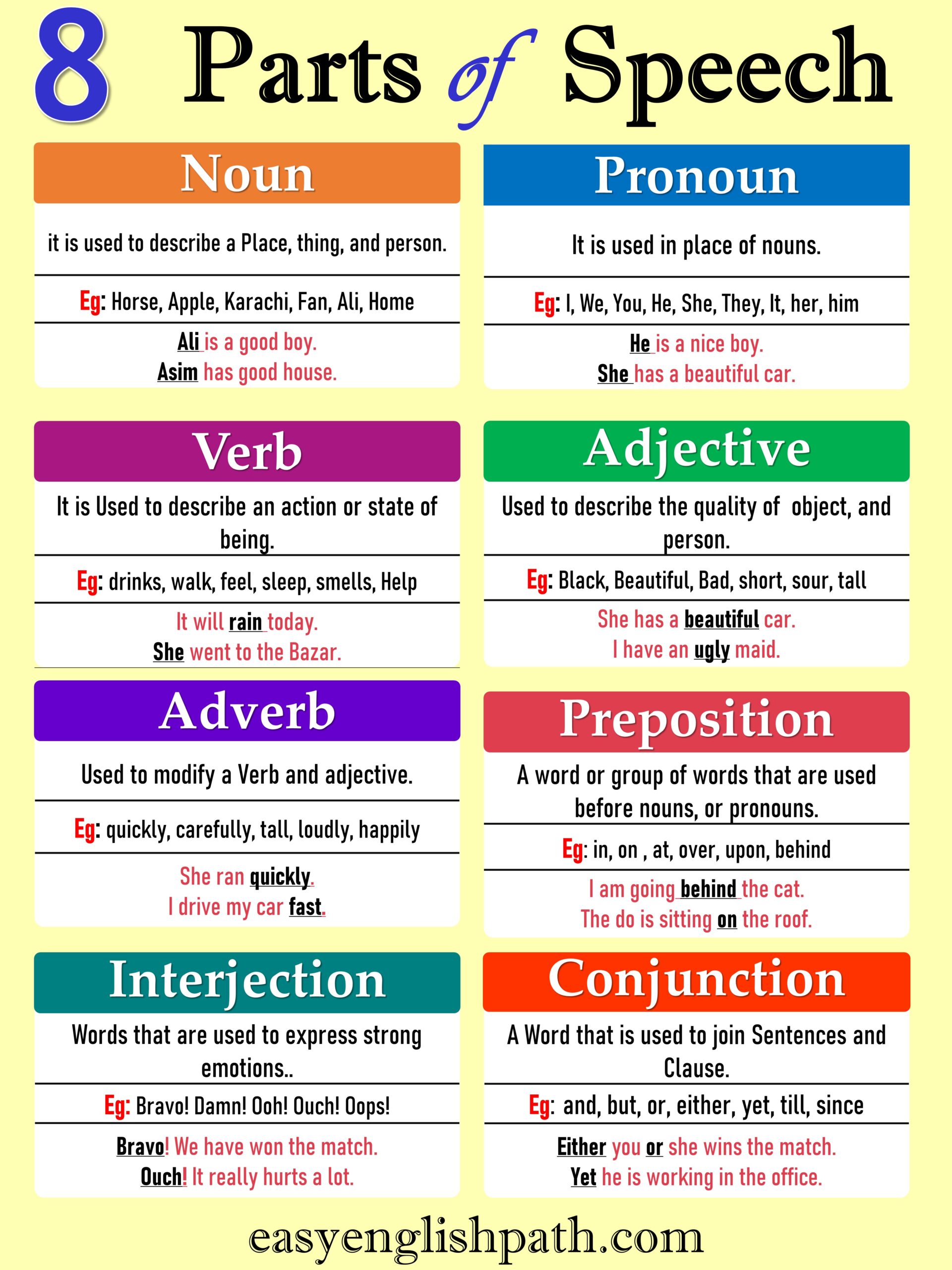
When “behind” is used without a following noun or pronoun to serve as its object, it shifts into the category of an adverb. Consider the sentence: “The project has fallen behind.” Here, “behind” modifies the verb “fallen,” indicating a state of progress rather than a physical location relative to another object.
For AI tools, distinguishing this shift is essential for sentiment analysis and project management software. An algorithm must recognize that “behind” as an adverb in a business context often carries a negative polarity (indicating a delay), whereas as a preposition, it is often neutral and descriptive.
How Modern NLP Architectures Identify Parts of Speech
To solve the puzzle of what part of speech “behind” is in any given context, technology relies on POS tagging. This is a process where software reads a string of text and assigns a specific tag to each word based on its definition and its relationship with adjacent words.
From Rule-Based Systems to Stochastic Models
Early linguistic software relied on rule-based systems. These were essentially massive “if-then” trees. If “behind” was followed by a noun, the software labeled it a preposition. However, English is full of exceptions that broke these rules.
Modern software has transitioned to stochastic (probabilistic) models. Instead of hard rules, tools like Hidden Markov Models (HMMs) calculate the probability of a word being a certain part of speech based on the words surrounding it. If the word preceding “behind” is a verb like “stayed” and no noun follows, the model assigns a high probability score to the “adverb” tag.
The Role of Word Embeddings and Vector Space
High-end AI tools, such as Large Language Models (LLMs), use word embeddings like Word2Vec or GloVe to understand “behind.” In this framework, words are converted into high-dimensional vectors (mathematical coordinates).
In a vector space, the word “behind” exists in proximity to other spatial prepositions like “under,” “over,” and “beside.” However, it also shares coordinates with temporal adverbs like “late” or “slow.” By analyzing the “distance” between “behind” and other words in a sentence, the software can mathematically determine its functional role without needing a traditional dictionary.
Tokenization and Tagging in the Context of “Behind”
When an AI processes the word “behind,” it doesn’t see letters; it sees tokens. Tokenization is the first step in any digital text analysis, where the string is broken down into manageable units.
Penn Treebank Tagging for Spatial Prepositions
The industry standard for POS tagging is often the Penn Treebank Project. Under this system, if “behind” is used as a preposition, it is tagged as “IN” (Preposition or subordinating conjunction). If it is used as an adverb, it might be tagged as “RB” (Adverb).
Software developers use these tags to build “Syntax Trees.” A syntax tree is a visual and mathematical representation of a sentence’s structure. By placing “behind” in a specific branch of the tree, the software can determine if it is part of a Prepositional Phrase (PP) or if it is modifying a Verb Phrase (VP). This structural clarity is what allows translation software to move “behind” to the correct position when translating from English to a verb-final language like Japanese.
Dependency Parsing: Mapping Relationships
Beyond simple tagging, technology utilizes dependency parsing to look at the “head” of the word. If “behind” is a preposition, its “head” is usually the noun it modifies. If it is an adverb, its “head” is the verb. Modern software libraries like Spacy or NLTK (Natural Language Toolkit) allow developers to automate this mapping. By identifying the dependency, the software can effectively “understand” the spatial logic of the sentence, which is vital for applications in Augmented Reality (AR) where digital objects must be placed “behind” real-world ones.
Practical Applications in AI Tools and Software
The technical classification of “behind” has immediate real-world implications for the apps and gadgets we use daily.
Enhancing Grammar Checkers and Editors
Advanced writing assistants like Grammarly or Hemingway use POS tagging to provide stylistic suggestions. If a user writes, “The reason behind is clear,” the software identifies that “behind” is functioning as a preposition without an object, which is a grammatical error in that specific context. The software’s ability to recognize the part of speech allows it to suggest “The reason behind this is clear,” thereby improving the user’s clarity and professional tone.
Sentiment Analysis and Contextual Understanding
In the world of Big Data and marketing tech, sentiment analysis tools scan millions of social media posts to gauge public opinion. The part of speech for “behind” changes the meaning of a data point significantly.
- “I am behind the new CEO” (Preposition): Indicates support (positive sentiment).
- “We are behind on our goals” (Adverb): Indicates failure or delay (negative sentiment).
By accurately identifying the part of speech, business intelligence software can categorize these mentions correctly, providing companies with an accurate picture of their brand health.
The Future of Semantic Interpretation
As we move toward more sophisticated AI, the question of “what part of speech is behind” is evolving from a tagging problem to a semantic understanding problem.
Large Language Models and Attention Mechanisms
Transformers, the architecture behind tools like GPT-4, use an “attention mechanism.” Instead of looking at words in a linear sequence, the model looks at the entire sentence simultaneously. This allows the model to see the “contextual shadow” of a word. When the model sees “behind,” it “pays attention” to all other words in the sentence to see which ones are influenced by it. This results in a much more nuanced understanding than old-school POS taggers, as the model understands the intent behind the word rather than just its grammatical label.
Beyond Simple POS Tagging
In the near future, we may see a move away from rigid POS categories altogether. Computational linguistics is beginning to favor “Universal Dependencies,” a framework that aims for consistent grammatical annotation across different languages. In this system, the focus isn’t just on whether “behind” is an adverb or preposition, but on how it functions as a “case” or “mark” within a global linguistic structure.
The technical journey of a single word like “behind” reveals the incredible complexity of the software we often take for granted. Every time a search engine yields the perfect result for “what is the logic behind blockchain,” it is the result of millions of calculations designed to identify, categorize, and interpret that one specific part of speech. As technology continues to bridge the gap between human language and machine code, our understanding of these linguistic building blocks will only become more precise, leading to more intuitive and powerful digital tools.
aViewFromTheCave is a participant in the Amazon Services LLC Associates Program, an affiliate advertising program designed to provide a means for sites to earn advertising fees by advertising and linking to Amazon.com. Amazon, the Amazon logo, AmazonSupply, and the AmazonSupply logo are trademarks of Amazon.com, Inc. or its affiliates. As an Amazon Associate we earn affiliate commissions from qualifying purchases.