
In the high-stakes world of the quick-service restaurant (QSR) industry and the broader hospitality sector, the “fried chicken wars” are fought not just with secret spice blends, but with sophisticated supply chain management and precise operational accounting. To the casual home cook, the question of what oil to use when frying chicken is a matter of flavor and texture. However, to a business owner, a franchise operator, or a hospitality investor, this choice represents one of the most significant recurring operational expenses (OpEx) on the balance sheet.
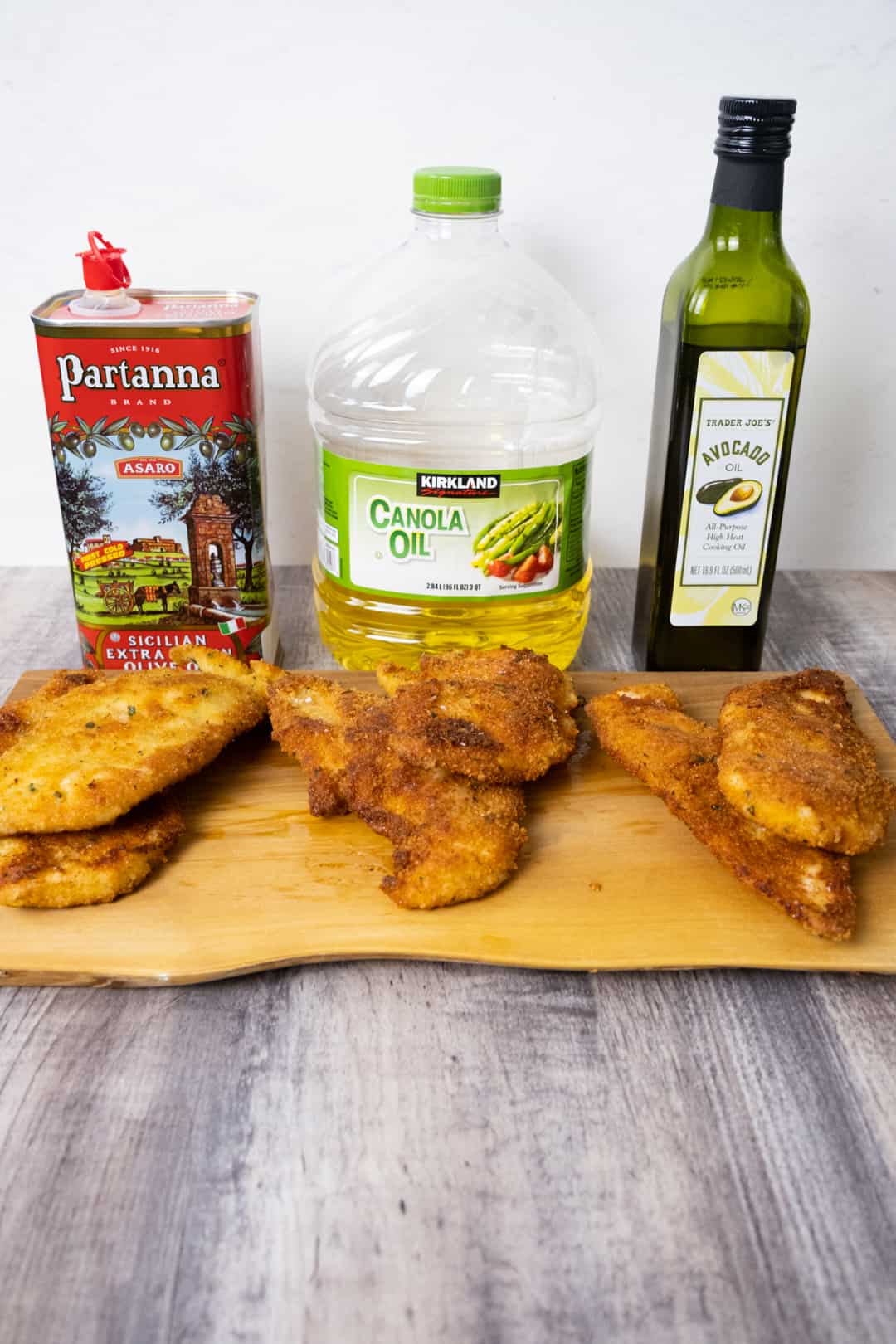
Choosing an frying medium is a multi-dimensional financial decision that balances smoke point performance, flavor neutrality, commodity price volatility, and the life cycle of the oil itself. Selecting the wrong oil can lead to premature degradation, increased waste, and a direct hit to the gross profit margin. Conversely, a data-driven approach to oil selection can optimize food costs and enhance brand consistency.
The Economics of the Smoke Point: Balancing Performance and Profit
From a financial perspective, the smoke point of an oil is more than a culinary threshold; it is a metric of asset durability. The smoke point is the temperature at which the oil begins to break down and produce visible smoke, signaling the release of free fatty acids and acrolein. In a high-volume commercial kitchen, oil is a liquid asset that must withstand sustained heat of 350°F to 375°F for hours on end.
Commodity Volatility and the Bottom Line
The global edible oil market is subject to intense volatility driven by geopolitical shifts, climate events, and energy policy (such as biodiesel mandates). When selecting an oil for a fried chicken venture, one must look at the long-term price trends of soybean oil, canola oil, and palm oil.
Soybean oil, for instance, often serves as the benchmark for the industry. While it is frequently the most cost-effective option on a per-liter basis, its susceptibility to price swings in the futures market can make budgeting a nightmare for small-to-medium enterprises. A business that locks in a contract for high-oleic oils might pay a premium upfront but gains the “insurance” of a more stable, heat-resistant product that requires less frequent replacement.
The Cost of Degradation: TOTOX Values and Asset Life
In the financial analysis of frying, we must consider the Total Oxidation (TOTOX) value. As oil is exposed to heat, oxygen, and the moisture from the chicken, it undergoes thermal oxidation and polymerization. This degradation creates “spent” oil that must be discarded.
The financial “burn rate” of oil is determined by how many cycles of frying a batch can withstand before the quality of the chicken—and thus the brand reputation—suffers. Oils with higher monounsaturated fat content, such as high-oleic canola or sunflower oil, offer a longer “fry life” compared to standard vegetable oils. While the initial procurement cost may be 15-20% higher, the reduction in oil turnover can result in a net 10% saving in total annual food costs.
Evaluating High-Volume Alternatives: The ROI of Oil Varieties
For a business to maximize its Return on Investment (ROI), it must evaluate the specific performance-to-price ratio of different oils. The choice often narrows down to three primary contenders: peanut, canola, and soybean (often labeled as “vegetable oil”).
The Price-to-Performance Ratio of Canola Oil
Canola oil is frequently cited as the gold standard for mid-market fried chicken operations. Its smoke point (approximately 400°F) provides a comfortable margin of safety for standard frying temperatures. From a financial standpoint, canola is the “value play.” It provides a neutral flavor profile that doesn’t interfere with the proprietary breading or brining of the chicken, ensuring that the customer gets the exact product they expect.
Furthermore, canola oil has a favorable health profile—low in saturated fats—which can be a significant branding asset in a market increasingly focused on “better-for-you” fast food. This marketing “lift” can justify a slightly higher price point for the end product, improving margins.
The Premium Investment: Peanut Oil and Brand Equity
Peanut oil represents the premium end of the spectrum. It has an exceptionally high smoke point (450°F) and a unique ability to resist flavor transfer between batches. Companies like Chick-fil-A have built entire brand identities around the use of refined peanut oil.
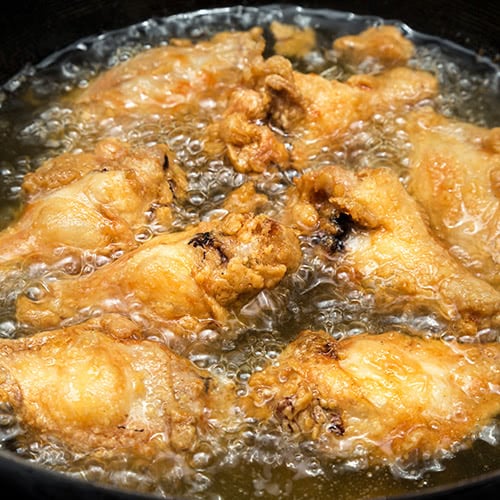
The financial trade-off here is significant. Refined peanut oil is substantially more expensive than its competitors. However, the investment is often justified through brand differentiation and a superior texture (crispness) that competitors using cheaper oils cannot easily replicate. From a strategic management perspective, the use of peanut oil acts as a barrier to entry; it signals quality to the consumer and allows for premium pricing. However, the business must also account for the logistical complexity of managing allergen risks, although highly refined peanut oil is generally considered safe by the FDA.
Soybean Oil: The Budget Contender
Soybean oil is the workhorse of the industry. It is highly versatile and generally the most affordable option in bulk. For high-volume, low-margin operations where price is the primary driver of consumer behavior, soybean oil is the logical choice. The challenge with soybean oil is its tendency to break down faster under high heat compared to high-oleic alternatives. For an operator, this means more frequent labor costs associated with cleaning vats and disposing of used grease.
Maximizing Asset Utilization: The ROI of Oil Filtration Systems
In any business, maximizing the utility of every purchased asset is key to profitability. In the context of frying chicken, the “asset” is the oil. Simply choosing the right oil is only half the battle; the other half is extending its lifecycle through capital expenditure (CapEx) in filtration technology.
Extending the Lifecycle of the Liquid Asset
Investing in high-grade pressure filtration systems or automated oil management sensors can extend the life of frying oil by up to 50%. For a franchise using $2,000 worth of oil per month, a 50% extension translates to $12,000 in annual savings. The “Payback Period” for a modern filtration system is often less than 18 months, making it one of the most efficient investments a kitchen can make.
Filtration removes carbonized food particles—the “crumbs” from the breading—which act as catalysts for oil breakdown. By maintaining the oil’s purity, the business ensures consistent heat transfer, which in turn reduces energy costs. Clean oil cooks faster and more evenly, increasing throughput during peak hours.
Tax Implications and Waste Management
The financial lifecycle of oil doesn’t end when it is drained from the fryer. Used Cooking Oil (UCO) has become a valuable commodity in the green economy. Many businesses now sell their waste oil to biodiesel refineries. This turns a traditional waste-disposal cost into a minor revenue stream or, at the very least, a cost-neutral environmental initiative.
From a tax and regulatory perspective, staying ahead of environmental mandates regarding grease disposal can prevent heavy fines and improve a company’s Environmental, Social, and Governance (ESG) score. For larger corporate entities, this contributes to a positive investor relations narrative, potentially impacting stock valuation and access to capital.
Supply Chain Strategy and Procurement Logistics
The decision of what oil to use is inextricably linked to the procurement strategy. Small operations may rely on local wholesalers, while large chains utilize direct procurement contracts to hedge against price spikes.
Direct Procurement vs. Group Purchasing Organizations (GPOs)
For an independent restaurant, joining a Group Purchasing Organization (GPO) can provide the leverage needed to access premium oils (like high-oleic sunflower or peanut oil) at prices usually reserved for national chains. This allows the smaller player to compete on quality without sacrificing the bottom line.
Strategic sourcing also involves analyzing the logistics of delivery. Oil is heavy and occupies significant warehouse space. “JIBs” (Jug-in-Box) are standard, but high-volume operations are moving toward bulk tank systems. Bulk delivery reduces packaging waste and labor costs (no more lifting heavy jugs), further optimizing the operational efficiency of the chicken-frying process.
Conclusion: The Strategic Integration of Culinary and Finance
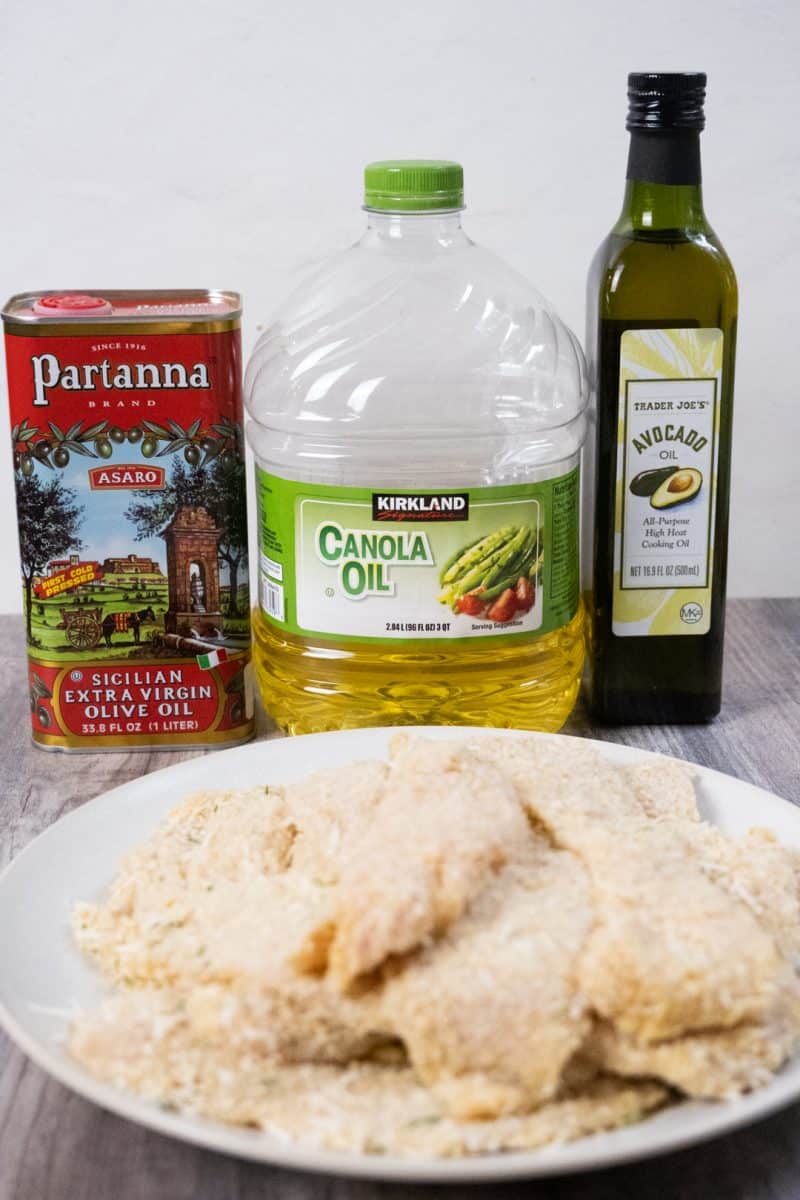
What oil to use when frying chicken is ultimately a question of business strategy. If the goal is a low-cost, high-volume model, a soybean or standard canola oil is the most fiscally responsible choice. If the strategy is based on premium brand positioning and product excellence, the higher CapEx of peanut oil or high-oleic specialty blends becomes a necessary and profitable investment.
By viewing oil as a critical financial asset rather than just a kitchen staple, operators can unlock significant savings, improve product consistency, and build a more resilient business model. In the competitive landscape of the food industry, the most successful leaders are those who can balance the art of the perfect crunch with the science of the perfect spreadsheet.
aViewFromTheCave is a participant in the Amazon Services LLC Associates Program, an affiliate advertising program designed to provide a means for sites to earn advertising fees by advertising and linking to Amazon.com. Amazon, the Amazon logo, AmazonSupply, and the AmazonSupply logo are trademarks of Amazon.com, Inc. or its affiliates. As an Amazon Associate we earn affiliate commissions from qualifying purchases.