
The narrative of The Asher House is a masterclass in modern personal branding, showcasing how a singular mission, when combined with authentic storytelling and strategic digital placement, can evolve from a passion project into a global phenomenon. At its core, the story of The Asher House is not merely about animal rescue; it is a case study in how corporate professionals can leverage their skills to build a brand identity that resonates on a deeply emotional level with millions of people. By dissecting the brand’s trajectory, we can understand the mechanics of community building, the power of vulnerability in marketing, and the transition from a mobile brand to a permanent physical institution.
The Foundation of Authenticity: Building a Mission-First Brand
Every successful brand begins with a “why.” For The Asher House, that “why” was rooted in the personal transformation of its founder, Lee Asher. Before the brand became a household name in the world of animal advocacy, Asher was a successful professional in the corporate sector. His transition from a high-pressure career to a life dedicated to animal rescue provides the essential “hero’s journey” narrative that is vital for any compelling brand story.
Identifying the Core Brand Pillar
In brand strategy, a pillar is a fundamental concept that supports everything a company does. For The Asher House, the primary pillar is “The Joy of Rescue.” Unlike many traditional animal welfare organizations that rely heavily on “sadvertising”—using guilt and distress to garner support—Asher took a diametrically opposite approach. He branded rescue work as a source of immense happiness, adventure, and fulfillment. This positive framing allowed the brand to occupy a unique space in the market, attracting an audience that wanted to be part of a solution that felt uplifting rather than burdensome.
The Power of the Personal Brand Pivot
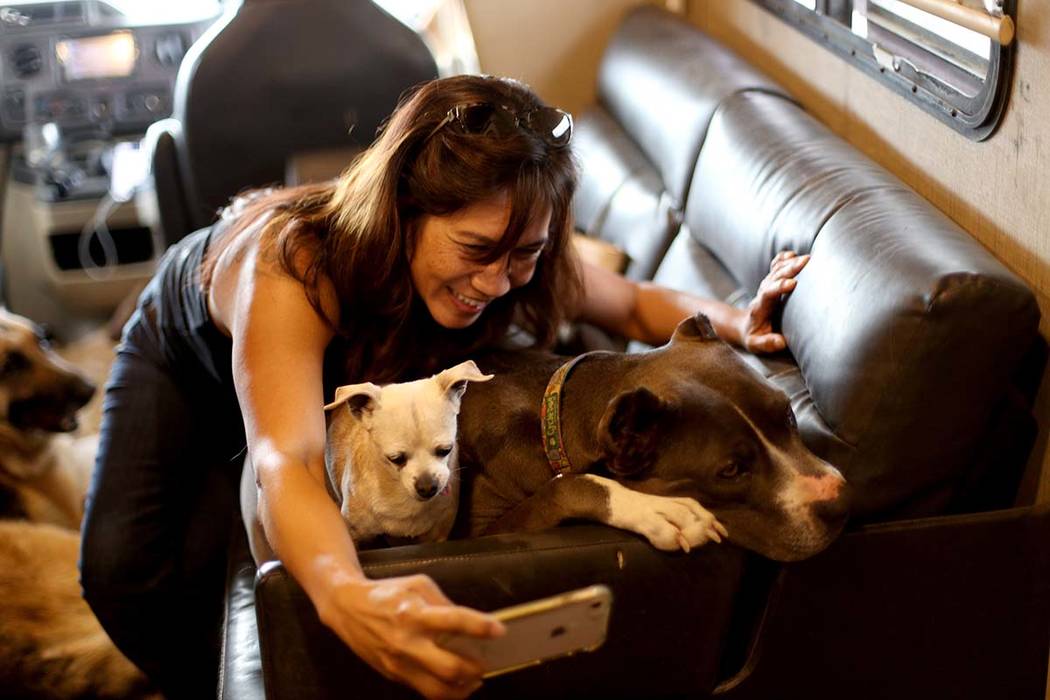
The decision to leave a stable career to live in a converted school bus with multiple dogs was a high-risk move that served as the ultimate proof of brand commitment. In the world of personal branding, “skin in the game” is the most valuable currency. By documenting the sacrifices and the raw reality of life on the road, Asher built immediate trust with his audience. This transparency is what differentiates a curated corporate identity from a genuine personal brand. For The Asher House, the brand is inseparable from the founder’s lived experience, creating a level of loyalty that traditional marketing campaigns struggle to achieve.
Mastering the Art of Digital Storytelling and Community Engagement
The meteoric rise of The Asher House was fueled by a sophisticated understanding of social media dynamics. While many brands use social platforms as a megaphone to broadcast messages, The Asher House used them as a fireplace around which a community could gather. The brand’s strategy focuses on high-frequency, high-quality content that prioritizes the “characters”—the dogs—making the audience feel as though they are part of an ongoing episodic series.
Consistency as a Trust Signal
From a brand management perspective, consistency is the bedrock of reliability. The Asher House established a cadence of content that kept the mission top-of-mind for its followers. Whether it was a cross-country tour or the daily routine at the sanctuary, the brand maintained a consistent visual and verbal tone. This consistency signaled to donors and fans that the organization was disciplined, focused, and here for the long term. In the digital age, a brand that disappears for weeks at a time loses its relevance; The Asher House ensured it remained a staple in its followers’ daily digital consumption.
Leveraging Multi-Platform Narrative Arcs
The Asher House didn’t just post photos; they crafted narrative arcs. Each rescue dog brought into the fold became a sub-brand with its own story, personality, and progress report. This approach mirrors successful long-form content strategies used by streaming giants. By creating emotional investment in individual “characters,” the brand successfully increased engagement rates. Followers weren’t just following a rescue; they were following “Penny,” “Sarge,” or “Roo.” This granular storytelling humanizes the brand and makes the larger mission feel attainable and personal for the supporter.
Scaling the Mission: From Mobile Brand to Physical Sanctuary

A critical turning point in the brand’s history was the transition from a mobile operation—traveling across the United States to promote adoption—to the establishment of a permanent sanctuary in Oregon. This move represented a significant evolution in the brand’s business model and physical identity.
The Logistics of Physical Brand Manifestation
Moving from a van to a multi-acre sanctuary allowed the brand to scale its impact and its content. The physical location served as a “flagship store” for the brand’s values. It allowed for a more diverse range of activities, including the rescue of various farm animals, which expanded the brand’s reach into different niche communities. This expansion demonstrated a key principle in brand growth: the ability to diversify while staying true to the core mission. The sanctuary in Oregon became the “North Star” for the brand, a tangible proof of what the community’s support had built.
Sustainability and the Diversified Revenue Model
A brand cannot survive on passion alone; it requires a sustainable financial framework. The Asher House developed a sophisticated revenue model that balanced donations with commercial ventures. This included high-quality merchandise, such as apparel and pet products, which allowed supporters to “wear the brand.” Merchandising serves a dual purpose: it provides necessary funding and turns followers into walking billboards for the mission. Furthermore, strategic partnerships with other pet-related brands provided additional revenue streams without compromising the brand’s integrity. By operating with the efficiency of a for-profit business while maintaining the heart of a non-profit, The Asher House created a resilient organizational structure.
Corporate Identity and the Protection of Brand Integrity
As The Asher House grew, it faced the challenge of maintaining its grassroots feel while operating at a corporate scale. Managing a brand that is so closely tied to an individual requires careful balance to avoid “founder syndrome” and to ensure the mission can outlast any one person.
Protecting the Narrative in a Crowded Market
The animal welfare space is crowded, with thousands of organizations competing for the same donor dollars. The Asher House protected its market share by doubling down on its unique value proposition: the personal, unfiltered look at the life of a rescuer. By avoiding overly polished, agency-produced content in favor of “behind-the-scenes” authenticity, the brand maintained its edge. In the Brand niche, this is known as “earned media” versus “paid media.” The Asher House’s ability to generate massive organic reach is a testament to the strength of its narrative.
Building a Community, Not Just a Following
There is a distinct difference between a social media following and a community. A following is passive; a community is active. The Asher House fostered a community by actively engaging with comments, highlighting fan stories, and creating a sense of shared ownership in the sanctuary’s successes. This community-centric approach turned “customers” (donors) into “advocates.” In brand strategy, advocacy is the highest level of the marketing funnel. When your audience defends your brand and spreads your message voluntarily, you have achieved a level of brand equity that is nearly impossible to disrupt.
The Future of The Asher House Brand Ecosystem
The story of The Asher House is far from over. It continues to evolve as a multifaceted brand ecosystem that encompasses education, rescue, and lifestyle. The brand’s future likely involves deepening its educational impact, perhaps through media partnerships or expanded physical facilities that allow for public interaction.
Legacy and Brand Evolution
As the brand matures, the focus will shift toward legacy. How does the brand influence the broader industry of animal rescue? The Asher House has already begun to change the “brand standards” for the industry, proving that positivity and transparency are more effective than traditional methods. This shift in the industry landscape is perhaps the brand’s most significant achievement.
Key Takeaways for Brand Architects
The success of The Asher House offers several vital lessons for anyone looking to build a powerful brand:
- Lead with Emotion: Logic makes people think, but emotion makes them act. The Asher House leverages the joy of companionship to drive its mission.
- Humanize the Brand: People connect with people (and animals), not with faceless corporations. Even as it grows, the brand remains personal.
- Adapt and Scale: Don’t be afraid to change the medium (moving from a bus to a sanctuary) to better serve the message.
- Content is Currency: In the digital age, your brand is defined by the stories you tell consistently across platforms.
By staying true to its founding principles while employing modern brand strategies, The Asher House has built an enduring legacy. Its story is a powerful reminder that with a clear vision and a commitment to authenticity, a brand can truly change the world, one rescue at a time.
aViewFromTheCave is a participant in the Amazon Services LLC Associates Program, an affiliate advertising program designed to provide a means for sites to earn advertising fees by advertising and linking to Amazon.com. Amazon, the Amazon logo, AmazonSupply, and the AmazonSupply logo are trademarks of Amazon.com, Inc. or its affiliates. As an Amazon Associate we earn affiliate commissions from qualifying purchases.