
In the hyper-competitive landscape of the quick-service beverage industry, the battle for market share is no longer fought solely on the quality of coffee beans or the speed of service. Instead, it is fought in the realm of brand identity and sensory experience. Dutch Bros Coffee, the Oregon-founded drive-thru giant, has mastered this transition from a simple coffee purveyor to a lifestyle brand. Central to this strategic success is a singular, iconic product feature that has redefined their menu and their brand perception: the Soft Top.
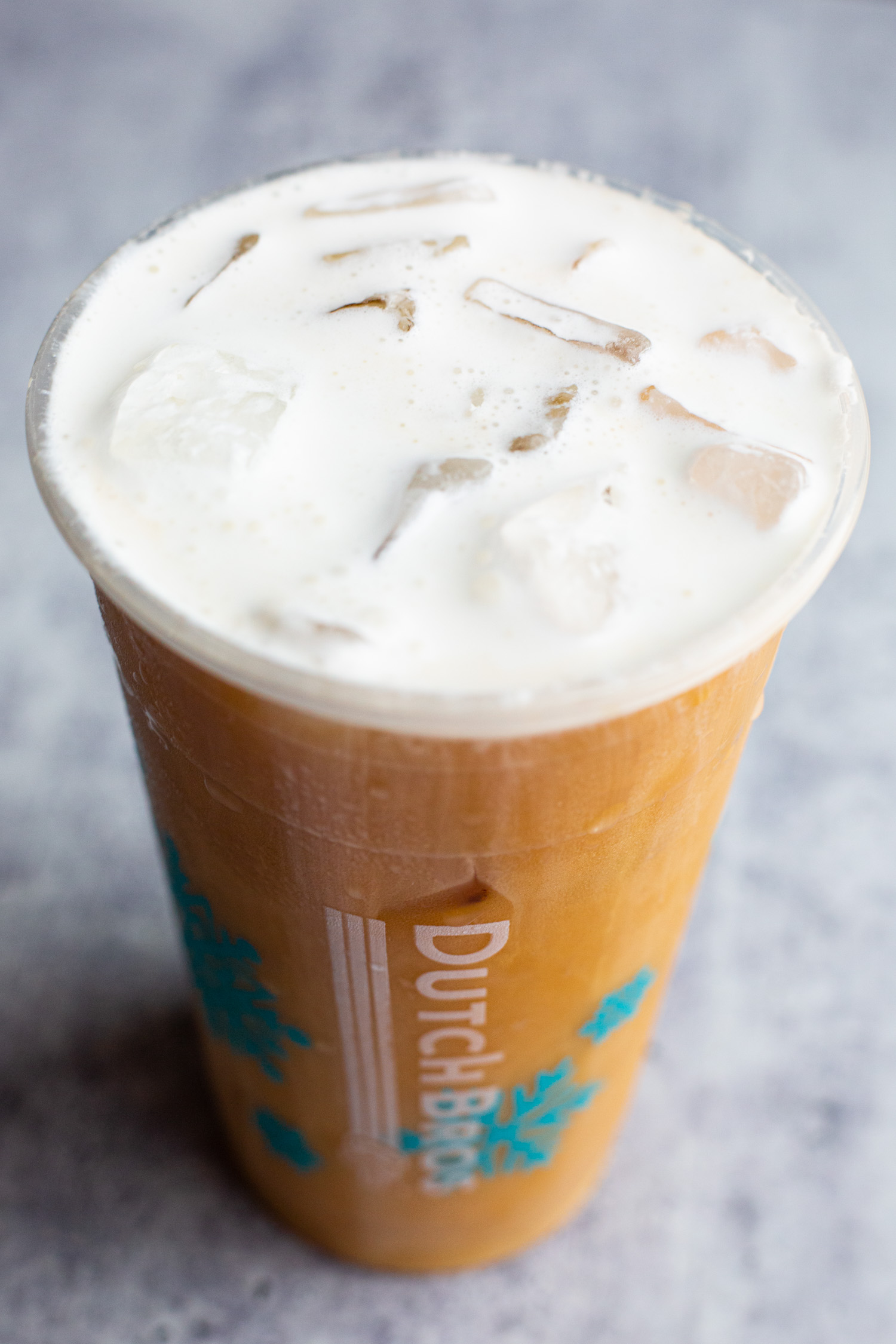
To the uninitiated, the Soft Top is a creamy, aerated, and slightly sweet dairy-based topping that sits atop cold brews, freezes, and Rebels. However, from a brand strategy perspective, the Soft Top is much more than a culinary add-on. It is a proprietary brand asset, a visual signature, and a masterclass in how a company can use texture and customization to build a cult-like following.
The Anatomy of an Iconic Brand Asset: More Than Just Cream
Brand strategy often relies on “distinctive brand assets”—elements like logos, colors, or slogans that trigger immediate recognition in the consumer’s mind. In the food and beverage sector, these assets can extend to the physical product itself. The Soft Top serves as a primary distinctive asset for Dutch Bros, separating their offerings from the standard lattes and mochas found at national competitors.
Defining the Soft Top Experience
At its core, the Soft Top is a marshmallow-like cold foam. Unlike traditional whipped cream, which is stiff and often masks the flavor of the drink, or standard milk foam, which can be airy and fleeting, the Soft Top possesses a specific density. It is heavy enough to sit elegantly on top of a drink without immediately dissolving, yet light enough to incorporate into the liquid as the consumer sips.
From a marketing standpoint, this consistency is vital. It creates a “multi-layered” drinking experience. The consumer first interacts with the sweetness and velvet-like texture of the topping before hitting the caffeine or fruit-base below. This deliberate staging of flavor and texture is a form of sensory branding that creates a memorable “peak” in the customer’s journey.
Sensory Branding: The Tactile Appeal of Texture
Sensory branding aims to engage the consumer’s senses in a way that builds an emotional connection. While taste is the most obvious sense engaged at Dutch Bros, the Soft Top focuses heavily on “mouthfeel”—the tactile sensation of food or drink in the mouth. In the world of high-end branding, luxury is often associated with smoothness and weight. By introducing a thick, velvety topping, Dutch Bros elevates a standard plastic-cup beverage into something that feels indulgent and premium.
Brand Differentiation: Standing Out in a Saturated Market
In the “Third Wave” of coffee marketing, most brands have pivoted toward minimalism and artisanal sourcing. Dutch Bros, however, has leaned into a “Fourth Wave” strategy: the prioritization of the customer experience and high-energy personalization. The Soft Top is the ultimate tool for this differentiation.
The Competitive Landscape of the Coffee Industry
When we look at the “Big Three” of the American coffee market—Starbucks, Dunkin’, and Dutch Bros—each has a distinct brand pillar. Starbucks focuses on the “Third Place” (though it is shifting toward mobile efficiency); Dunkin’ focuses on “the everyday man” and speed. Dutch Bros focuses on “The Vibe.”
While Starbucks introduced “Cold Foam” to the mainstream, their version is often presented as a sophisticated, low-calorie modification. Dutch Bros took the opposite approach. They branded the Soft Top as an “extra” feature—an indulgence that fits their high-energy, “party in a cup” corporate identity. It isn’t just an alternative to milk; it is a signature “finish” that signals the drink is officially a Dutch Bros product.
Creating a Signature “Signature”
A successful brand strategy often involves “owning” a specific category or ritual. By naming the product “Soft Top” rather than “Sweet Cream Foam,” Dutch Bros effectively trademarked the concept in the minds of their “Dutch Mafia” (their loyal fan base). The name itself evokes a sense of comfort and accessibility, aligning with the brand’s friendly, “broista”-led culture. It turns a commodity ingredient into a proprietary component that customers specifically ask for by name, creating a barrier to entry for competitors who might try to replicate the flavor profile but cannot replicate the brand name recognition.
Cultivating the Dutch Bros Identity Through Ritual and Customization
The Dutch Bros brand identity is built on the concept of customization. Their menu is famously fluid, encouraging customers to “make it their own.” The Soft Top acts as the ultimate “anchor” for this customization strategy.

The Psychology of the “Secret Menu” and Customization
One of the most powerful tools in personal branding and corporate marketing is the creation of “insider knowledge.” The Soft Top is frequently featured in “secret menu” items shared across TikTok and Instagram. When a customer orders a “Picture Perfect” or a “Golden Eagle” with Soft Top, they aren’t just ordering a drink; they are participating in a brand ritual.
This customization fosters a sense of ownership. When a customer can modify their drink with a specific topping that they feel “discovered,” their loyalty to the brand increases. The Soft Top serves as the finishing touch that makes a mass-produced item feel like a bespoke creation.
The Broista Connection: Brand Ambassadors in Action
Dutch Bros’ greatest marketing asset is their “broistas”—the high-energy employees who interact with customers at the window. The Soft Top provides these brand ambassadors with a tangible way to upsell and engage. Asking “Do you want to add Soft Top to that?” is not just a sales tactic; it is a suggestion for a better experience. Because the Soft Top is so visually and texturally distinct, it gives the employee a specific product to be enthusiastic about, reinforcing the brand’s persona as helpful, energetic, and focused on the customer’s enjoyment.
Marketing the “Top-Down” Approach: Leveraging Visual Social Media
In the digital age, a product must be “Instagrammable” to achieve viral status. The Soft Top is designed for the camera just as much as it is for the palate.
Instagrammability as a Core Product Feature
The visual contrast of a white, creamy Soft Top against a dark Cold Brew or a vibrant blue Rebel energy drink is striking. In the world of design, this is known as high-value contrast, and it is a powerful way to draw the eye. When a customer takes a photo of their Dutch Bros cup, the Soft Top is often the most prominent feature, acting as a beacon for the brand.
Dutch Bros has successfully utilized this “top-down” aesthetic. Most social media photography of their drinks focuses on the lid-off view, showcasing the Soft Top drizzled with caramel or sprinkled with cinnamon. This visual consistency across thousands of user-generated posts creates a unified brand image that no amount of traditional advertising could buy.
User-Generated Content and the Soft Top Phenomenon
By creating a product that is both visually appealing and highly customizable, Dutch Bros has turned its customer base into a volunteer marketing department. The “Soft Top” hashtag and related content garner millions of views. This is the pinnacle of modern brand strategy: creating a product that is so intrinsically tied to a specific “look” that it becomes a social currency. To hold a Dutch Bros cup with a Soft Top is to signal that you are part of a specific subculture—one that values indulgence, speed, and West Coast “cool.”
Case Study: The Financial and Strategic Value of Proprietary Add-ons
From a business finance and brand management perspective, the Soft Top is a high-margin hero. It demonstrates how a small addition to a core product can significantly impact the bottom line while strengthening brand equity.
Upselling and Incremental Revenue
The Soft Top is typically an add-on cost, ranging from $0.50 to $1.00 depending on the location. While this may seem like a small amount, when scaled across millions of transactions, it represents a massive stream of high-margin revenue. The cost of goods for the aerated dairy mixture is relatively low, but the perceived value to the customer is high.
This is a classic “premiumization” strategy. By offering a “standard” drink and then offering a “premium” topping, Dutch Bros increases the Average Order Value (AOV) without requiring the customer to purchase an entirely different, more expensive item.

Long-term Brand Loyalty and Retention
Strategic brand management is about reducing churn and increasing “share of wallet.” Once a customer becomes accustomed to the specific texture and flavor of the Soft Top, a standard coffee from a competitor feels “incomplete.” This creates a psychological “hook.”
The Soft Top has become so central to the Dutch Bros identity that it acts as a moat. A competitor could lower their prices or increase their speed, but they cannot easily replicate the specific emotional and sensory satisfaction that the Soft Top provides to a Dutch Bros loyalist. This is the ultimate goal of any brand strategy: to move beyond being a choice and to become a habit.
In conclusion, the Soft Top at Dutch Bros is not merely a topping. It is a sophisticated branding tool that leverages sensory marketing, visual social media trends, and the psychology of customization to create a unique market position. It proves that in the modern economy, the “extra” isn’t just an option—it’s the essence of the brand itself.
aViewFromTheCave is a participant in the Amazon Services LLC Associates Program, an affiliate advertising program designed to provide a means for sites to earn advertising fees by advertising and linking to Amazon.com. Amazon, the Amazon logo, AmazonSupply, and the AmazonSupply logo are trademarks of Amazon.com, Inc. or its affiliates. As an Amazon Associate we earn affiliate commissions from qualifying purchases.