
In the rapidly evolving landscape of biotechnology and computational science, the boundary between hardware and wetware is increasingly blurred. To understand the future of synthetic biology, one must look at the fundamental logic gate that bridges digital instruction and physical construction: the anticodon. While traditionally a subject for molecular biology, the anticodon is now being viewed through the lens of technology as the ultimate “translator” in the biological software stack.
In information technology, a compiler takes source code and converts it into machine code that a processor can execute. In the cellular environment, the anticodon performs a nearly identical function. It acts as the physical interface between the genetic “source code” (mRNA) and the assembly of the “product” (proteins). Understanding the purpose of anticodons is no longer just a pursuit for academics; it is the cornerstone for engineers building the next generation of mRNA therapeutics, CRISPR-based gene editing tools, and DNA-based data storage systems.
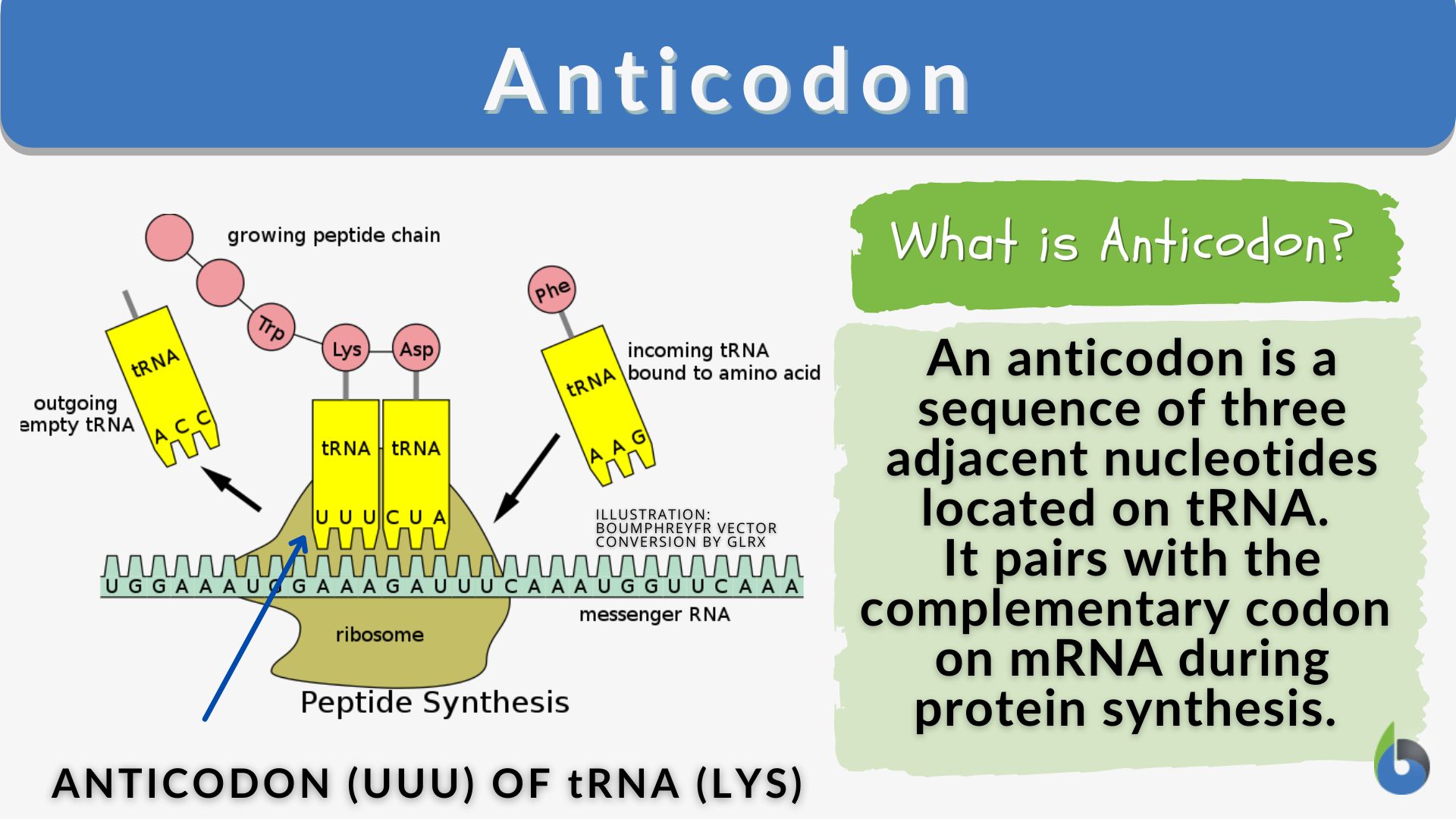
The Compiler of Life: How Anticodons Facilitate Biological Data Translation
At the heart of every living cell is a continuous stream of data processing. DNA holds the master database, which is transcribed into a temporary instruction set known as messenger RNA (mRNA). However, mRNA is essentially a series of instructions that the cell’s construction machinery—the ribosome—cannot read directly. This is where the transfer RNA (tRNA) and its specific anticodon sequence come into play.
The Architecture of Transfer RNA
To visualize the purpose of an anticodon, one should think of it as a specialized USB key. On one end of the tRNA molecule is a specific amino acid (the raw material); on the other end is the anticodon (the identification sequence). The anticodon consists of a triplet of nucleotides that are complementary to a specific “codon” on the mRNA strand.
This complementarity is governed by strict logic, similar to the protocols used in data transmission. For every three bits of data on the mRNA, there is a corresponding anticodon that recognizes it. If the sequence matches, the tRNA delivers its cargo. Without this recognition system, the cell would have no way of translating abstract genetic information into functional, three-dimensional structures. In technical terms, the anticodon is the essential component of the biological “fetch-execute” cycle.
From mRNA Instruction to Amino Acid Output
The purpose of the anticodon is to ensure high-fidelity data translation. If the anticodon fails to match the codon correctly, the resulting protein may be misfolded or non-functional, much like a software bug that crashes an application. The biological system has evolved sophisticated error-correction mechanisms to ensure that the anticodon-codon pairing is precise.
In modern biotechnology, researchers are now hacking this pairing process. By engineering synthetic tRNAs with custom anticodons, scientists can force a cell to incorporate “non-natural” amino acids into proteins. This is essentially a form of firmware hacking for biological organisms, allowing for the creation of proteins with properties not found in nature, such as increased heat resistance or the ability to conduct electricity.
Computational Biology: Using AI to Map the Anticodon-Codon Landscape
The sheer complexity of how anticodons interact with codons and the surrounding cellular environment has moved beyond manual observation. We have entered the era of computational biology, where AI tools and deep learning models are used to predict and optimize these interactions.
Deep Learning in Genomic Sequencing
AI models are now being trained on vast datasets of genomic sequences to understand the nuances of anticodon efficiency. Not all anticodon-codon pairings are created equal; some occur faster than others, a phenomenon known as “codon bias.” In the tech world, this is equivalent to optimizing code for lower latency.
By using neural networks to analyze which anticodons are most efficient in specific organisms, bio-engineers can “recode” genes to be expressed more rapidly. This technology was pivotal in the development of recent mRNA-based medical breakthroughs. By optimizing the sequence to match the most efficient anticodons available in human cells, developers were able to ensure that the synthetic instructions were translated into proteins at a high enough volume to trigger a robust response.
Accelerating Proteomics with Synthetic Logic
Beyond simple translation, AI is helping us understand the “wobble hypothesis”—a biological feature where the third position of the anticodon can sometimes pair with multiple different nucleotides. From a software perspective, this is a form of “fuzzy logic.” Computational tools are now mapping these wobble interactions to predict how variations in anticodon sequences might lead to different phenotypic outcomes.
This level of simulation allows biotech firms to bypass years of laboratory trial-and-error. By running digital twins of cellular translation processes, engineers can determine exactly which anticodon configurations will yield the most stable and effective protein products before a single drop of liquid is moved in a lab.
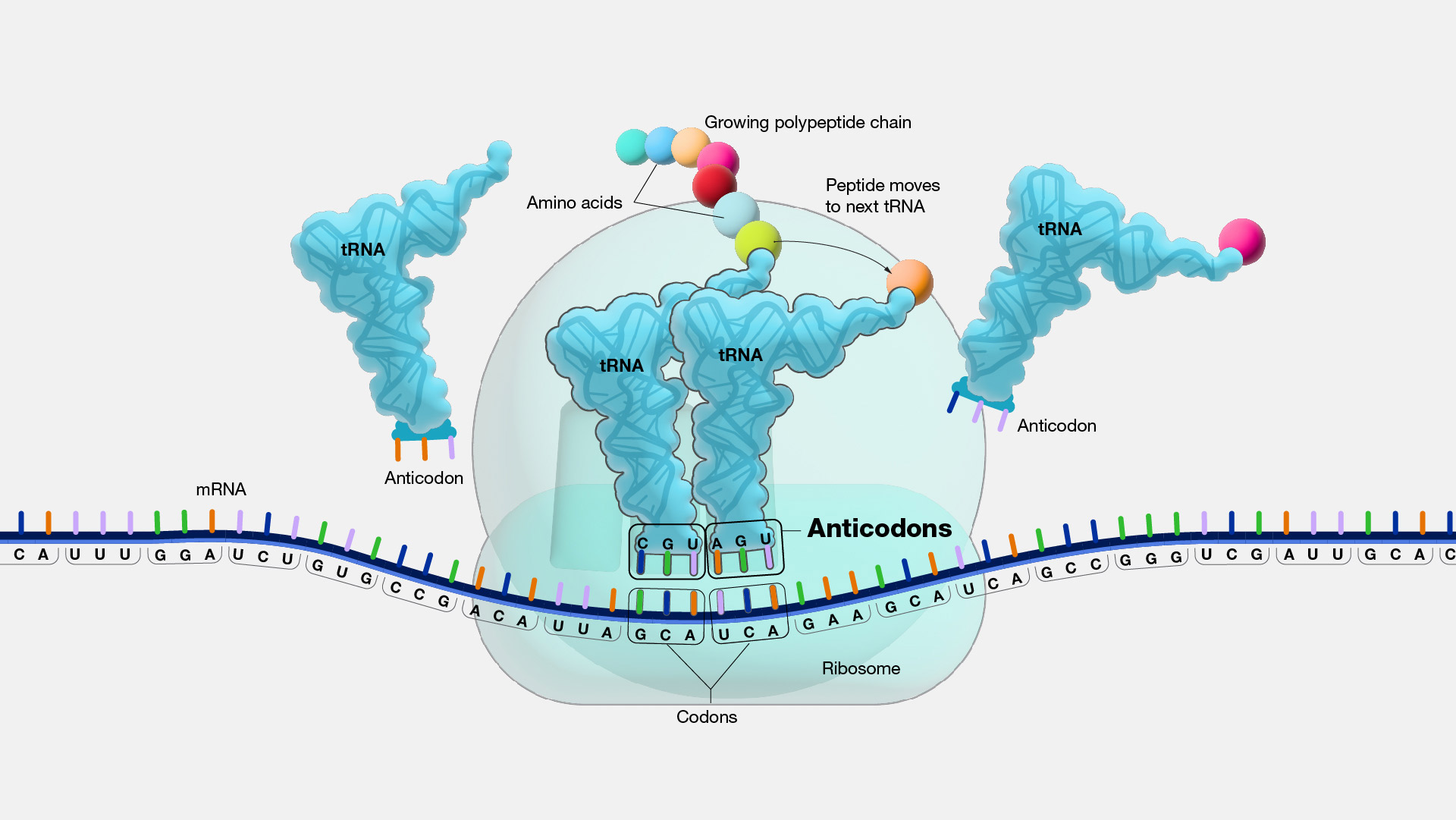
The Programmable Cell: Synthetic Biology and Custom Anticodon Engineering
As we move from observing biology to engineering it, the anticodon has become a primary target for “bio-programmers.” Synthetic biology treats the cell as a programmable substrate, and the anticodon is the key to expanding the cell’s instruction set.
Beyond the Standard Genetic Code
The standard genetic code is nearly universal, using 64 possible codons to represent 20 amino acids. However, many of these codons are redundant. Tech-focused startups are currently working on “genome recoding,” where they strip out redundant codons and repurpose them.
By creating “orthogonal” tRNA molecules with custom anticodons, scientists can assign a previously redundant codon to a brand-new, synthetic amino acid. This effectively upgrades the biological operating system from a 20-letter alphabet to a 21 or 22-letter alphabet. The implications for materials science and pharmacology are immense. We are looking at the possibility of “printing” biological gadgets—enzymes that can break down plastic or cells that can act as sensors for toxic chemicals—all by re-engineering the purpose and function of the anticodon.
The Rise of Bio-Foundries and DNA Synthesis
The industrialization of this process is happening in “bio-foundries”—highly automated facilities that use robotic systems to synthesize and test millions of genetic variations. These foundries rely on sophisticated CAD (Computer-Aided Design) software to design the anticodon sequences.
In these environments, the anticodon is treated as a modular component. Designers can select from a library of optimized anticodons to build a genetic circuit that behaves exactly as intended. This modularity is the hallmark of mature technology, signaling that biology is moving from a descriptive science to a predictive engineering discipline.
Data Security and Bio-Storage: Encoding the Future in Genetic Hardware
Perhaps the most futuristic application of anticodon logic lies in the realm of digital security and data storage. As the global production of data outpaces our ability to manufacture silicon-based storage, DNA is emerging as the ultimate high-density hard drive.
DNA as the Ultimate Hard Drive
DNA can store exabytes of data in a space no larger than a sugar cube, and it can remain stable for thousands of years. The process of retrieving this data relies on the same logic used by anticodons. To “read” the data stored in a synthetic DNA strand, specialized sequencing tools must identify the specific sequences and translate them back into binary code.
Innovators are exploring ways to use anticodon-like recognition patterns as a form of physical encryption. By using non-standard anticodon-codon pairings to encode information, the data becomes unreadable to anyone using standard biological sequencing tools. This creates a “biological firewall,” where only a specific, engineered tRNA-anticodon set can unlock and translate the stored information.
The Security Implications of Genetic Synthesis
As DNA synthesis technology becomes more accessible—similar to the rise of 3D printing—the need for digital security in genomics has skyrocketed. There is a growing industry focused on “sequence screening,” which uses AI to scan orders for synthetic DNA to ensure that no one is accidentally or intentionally synthesizing hazardous materials.
At the center of these security protocols is the analysis of codons and anticodons. By monitoring the “code” being printed by DNA synthesizers, security software can identify if a user is trying to bypass safeguards by using alternative anticodon patterns to hide the true function of a genetic sequence.

Conclusion: The Anticodon as the Fundamental Unit of Bio-Tech
The purpose of the anticodon extends far beyond its biological role in protein synthesis. In the context of modern technology, it represents the vital link between digital information and physical reality. Whether it is being used to optimize mRNA vaccines through AI, expand the genetic alphabet in synthetic biology, or secure the next generation of DNA-based data storage, the anticodon is the essential logic gate of the 21st century.
As we continue to develop tools that allow us to write and edit the code of life, understanding and manipulating the anticodon will be the differentiator between basic research and transformative technology. We are no longer just observers of the natural world; we are the architects of a new biological frontier, and the anticodon is the primary tool in our kit. By mastering this microscopic translator, we are unlocking the ability to program matter itself, paving the way for a future where technology and biology are one and the same.
aViewFromTheCave is a participant in the Amazon Services LLC Associates Program, an affiliate advertising program designed to provide a means for sites to earn advertising fees by advertising and linking to Amazon.com. Amazon, the Amazon logo, AmazonSupply, and the AmazonSupply logo are trademarks of Amazon.com, Inc. or its affiliates. As an Amazon Associate we earn affiliate commissions from qualifying purchases.