
In the landscape of modern biotechnology, the ribosome stands as the ultimate piece of nanotechnology. While traditionally relegated to the pages of biology textbooks, the primary function of ribosomes has become the focal point of the most advanced technological shifts in synthetic biology, pharmaceutical engineering, and bio-computing. To understand the ribosome is to understand the hardware of life itself—a complex, two-subunit molecular machine that decodes genetic information to build the structural and functional components of every living organism.
At its core, the primary function of a ribosome is protein synthesis, a process known as translation. However, in a technological context, the ribosome is more accurately described as a biological 3D printer. It receives a digital-like code in the form of messenger RNA (mRNA), processes that data, and assembles a physical output in the form of a polypeptide chain. This bridge between information and physical matter is the cornerstone of the multi-billion dollar biotech industry.
The Architecture of Life’s Ultimate Nanomachinery
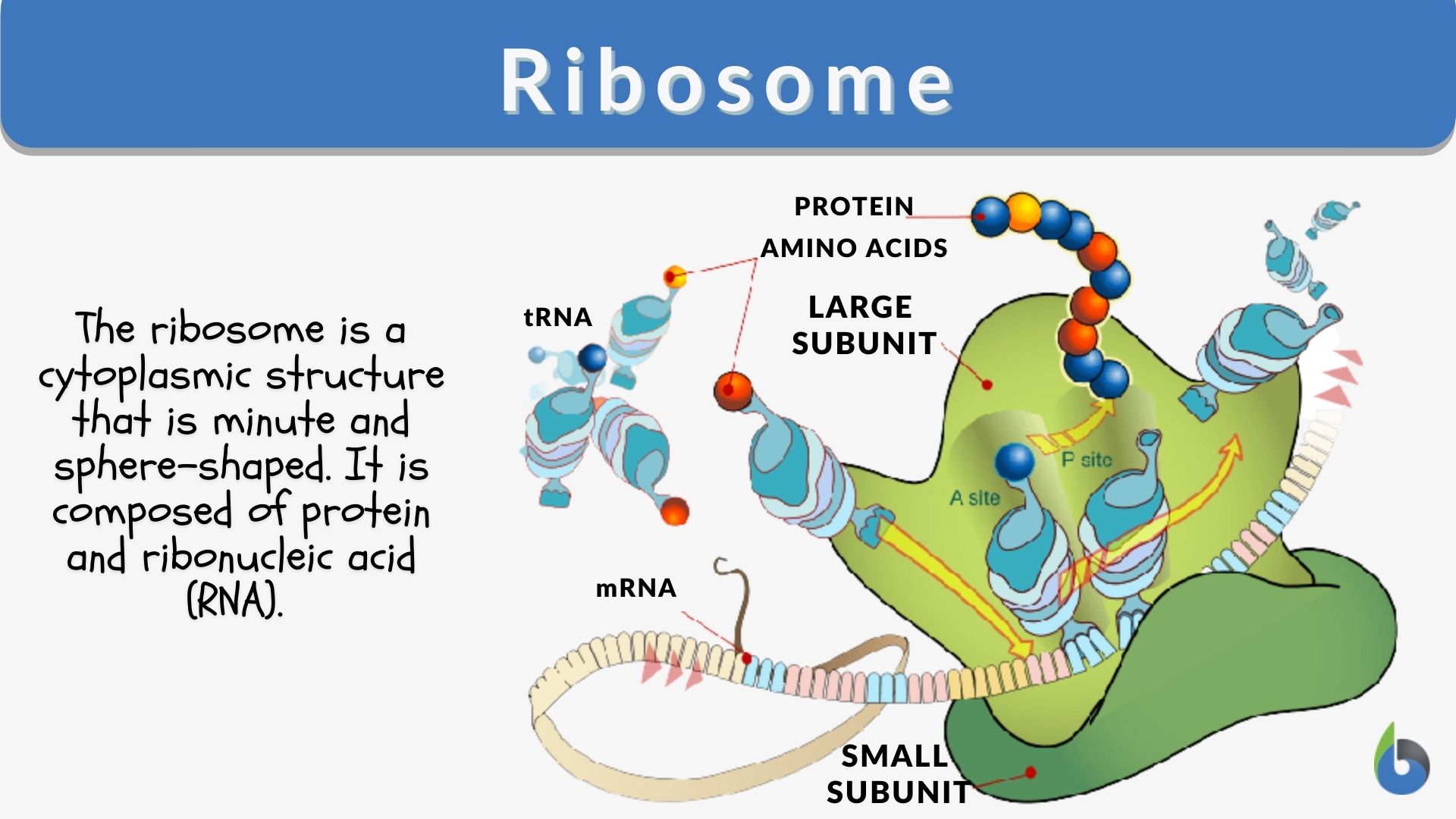
To appreciate why the ribosome is the center of contemporary tech innovation, one must first deconstruct its mechanical operation. The ribosome is not a static organelle; it is a dynamic, high-speed assembly line composed of ribosomal RNA (rRNA) and various proteins. In both prokaryotic and eukaryotic cells, this machine is divided into two main components: the large subunit and the small subunit.
Translation: The Biological Code Execution
The small subunit is responsible for data integrity. It acts as the “reader” of the mRNA strand, ensuring that the three-letter genetic sequences, or codons, are matched accurately with the corresponding transfer RNA (tRNA). If the small subunit is the scanner, the large subunit is the heavy machinery. It houses the peptidyl transferase center, where the actual chemical bonds between amino acids are formed.
From a systems engineering perspective, this process is an example of high-fidelity molecular computation. The ribosome must cycle through thousands of amino acids with an incredibly low error rate. Tech firms specializing in synthetic biology are currently attempting to mimic this efficiency. By understanding how the ribosome manages “noise” in genetic data, developers are creating new bio-algorithms that can predict protein folding and stability with unprecedented accuracy.
The Dynamics of mRNA and tRNA Interaction
The efficiency of the ribosome depends on its ability to coordinate with peripheral biological “peripherals.” The mRNA carries the instructions, while the tRNA acts as the delivery system for raw materials (amino acids). This interaction is the biological equivalent of a just-in-one-time manufacturing system. Each tRNA must be charged with the correct amino acid and delivered to the ribosomal site at the precise moment the code is read. In the world of tech-driven drug discovery, manipulating this interaction allows scientists to stop the production of harmful proteins or initiate the production of life-saving ones.
Synthetic Biology: Reprogramming the Ribosomal Engine
As we move further into the digital age, the line between software and biology continues to blur. Synthetic biology is the discipline of treating genetic sequences like code and cellular organelles like hardware. Within this framework, the ribosome is the most important programmable unit.
Orthogonal Ribosomes and Non-Natural Amino Acids
One of the most exciting trends in biotechnology is the development of “orthogonal ribosomes.” These are engineered versions of the natural organelle that can operate alongside the cell’s native machinery without interfering with its life-sustaining functions. For tech innovators, this is the equivalent of running a virtual machine on a computer.
By creating orthogonal ribosomes, researchers can program a cell to incorporate non-natural amino acids into proteins. This allows for the creation of “super-proteins” with properties not found in nature, such as increased heat resistance, enhanced electrical conductivity, or the ability to act as sensors within the human body. This represents a massive shift from traditional chemistry to programmable molecular manufacturing.
Biological Foundries and Scalable Production
The primary function of ribosomes is also being harnessed in “biological foundries”—automated facilities that use high-throughput technology to design, build, and test new biological systems. By optimizing ribosomal output, these foundries can produce complex chemicals, biofuels, and materials that were previously too expensive or difficult to synthesize. The tech stack involved in these foundries includes AI-driven design tools and robotic liquid handling, all focused on maximizing the throughput of the ribosomal assembly line.
Ribosomes as the Hardware for mRNA Technology
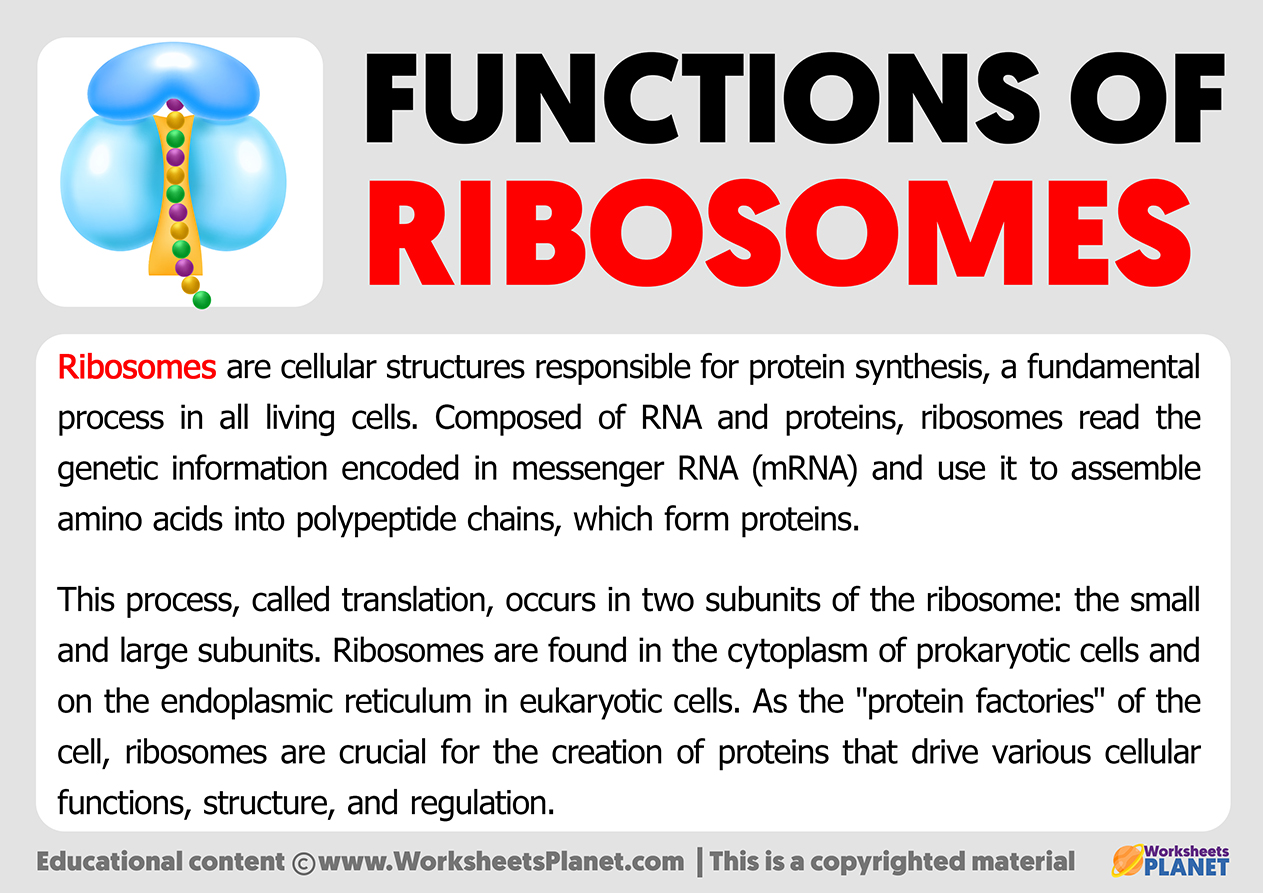
The global focus on mRNA vaccines has highlighted the ribosome as the essential hardware for modern medical software. In this paradigm, the vaccine is not the medicine itself; rather, the vaccine is the instruction set. The ribosome is the factory that executes those instructions to produce the actual therapeutic agent.
Modern Therapeutics and the Software-to-Hardware Pipeline
When an mRNA-based therapeutic is delivered into a cell, it bypasses the cell’s nucleus and goes straight to the ribosomes in the cytoplasm. The ribosomes recognize the synthetic mRNA as a valid instruction set and immediately begin synthesizing the viral spike protein (in the case of COVID-19) or tumor-associated antigens (in the case of experimental cancer vaccines).
This “software-to-hardware” pipeline is revolutionizing how we think about digital security and biology. If the genetic code can be treated as software, then biological viruses can be viewed as malware, and the ribosome is the processor that we must protect or reprogram. This has led to the rise of “biosecurity” tech, where digital monitoring systems track genetic sequences to ensure that ribosomal machinery is not being hijacked for harmful purposes.
Disrupting Pathogenic Machinery
Understanding the specific structure of ribosomes in different organisms has also allowed for the development of highly targeted “gadgets” in the form of antibiotics. Many of the world’s most effective antibiotics work by specifically binding to the ribosomes of bacteria while ignoring the ribosomes of humans. This is a form of structural encryption; by finding the unique “keyhole” in a bacterial ribosome, tech-heavy pharmaceutical companies can design a “key” (the drug) that jams the machine, effectively shutting down the pathogen’s ability to manufacture life-sustaining proteins.
The Role of AI and Machine Learning in Ribosomal Optimization
As we look toward the future of technology, the marriage of Artificial Intelligence (AI) and ribosomal study is inevitable. Calculating the vast number of ways a protein can fold after it leaves the ribosome is a computational challenge that has plagued scientists for decades.
Folding and Function: The Digital Prediction Frontier
AI tools like DeepMind’s AlphaFold have fundamentally changed our understanding of the ribosomal output. By predicting how a protein will fold based on the sequence produced by the ribosome, tech companies can now design entirely new enzymes and structural proteins on a computer screen before ever stepping into a lab. This “in silico” design process relies entirely on our understanding of the primary function of ribosomes. If we know how the machine interprets the code, we can predict the physical outcome with digital precision.
Real-Time Monitoring of Protein Synthesis
New sensor technologies are now allowing us to monitor ribosomal activity in real-time. These “bio-gadgets” use fluorescent markers and advanced imaging software to watch as a single ribosome moves along an mRNA strand. This level of granularity provides data that is essential for refining AI models. By feeding real-world ribosomal performance data into machine learning algorithms, we can optimize the speed and accuracy of synthetic protein production, leading to more efficient bio-manufacturing.
Future Implications: Biological Foundries and Molecular Manufacturing
The trajectory of ribosomal technology suggests a future where biological manufacturing rivals traditional industrial methods. We are moving toward a world of “distributed manufacturing,” where instead of large factories, we use specialized vats of engineered cells.
The Internet of Living Things
In this future, ribosomes could serve as the manufacturing hubs for a “Internet of Living Things.” Imagine a scenario where a wearable device detects a nutrient deficiency or a pathogen and sends a signal to a specialized patch on the skin. This patch, containing bio-engineered cells, then triggers its ribosomes to synthesize the necessary supplement or medicine on demand and deliver it directly into the bloodstream.

Ethics, Security, and Digital Biology
As the primary function of ribosomes becomes increasingly programmable, the tech industry must confront new challenges in digital security and ethics. The ability to “print” any protein implies the ability to print toxins or regulated substances. This requires a robust digital infrastructure to screen genetic orders and ensure that the ribosomal “printers” of the future are used for the advancement of human health and environmental sustainability.
The ribosome, far from being a simple cellular component, is the engine of the next technological revolution. By mastering its function, we are not just observing life; we are learning to program it, paving the way for a future where the distinction between biological hardware and digital software finally disappears.
aViewFromTheCave is a participant in the Amazon Services LLC Associates Program, an affiliate advertising program designed to provide a means for sites to earn advertising fees by advertising and linking to Amazon.com. Amazon, the Amazon logo, AmazonSupply, and the AmazonSupply logo are trademarks of Amazon.com, Inc. or its affiliates. As an Amazon Associate we earn affiliate commissions from qualifying purchases.