
The landscape of intimate apparel is currently undergoing a seismic shift in brand strategy. For decades, the “standard” retail experience was defined by a narrow range of sizes that catered to a specific demographic, leaving a vast portion of the market underserved. When consumers ask, “What is the largest bra size sold in stores?” the answer is no longer a single number or letter. Instead, it is a complex reflection of a brand’s identity, its supply chain capabilities, and its commitment to inclusivity. In the modern market, the largest size found in a physical store typically ranges from a 40DDD in mainstream department stores to an O-cup in specialized boutiques. Understanding why this disparity exists requires an analysis of retail logistics, brand positioning, and the evolving expectations of the global consumer.

The Logistics of Inclusion: Why Retail Brands Set Size Limits
From a brand strategy perspective, the decision regarding which sizes to carry in-store is rarely about what people actually need; it is about SKU (Stock Keeping Unit) management and inventory turnover. For a traditional mall-based brand, carrying an extensive size range—such as 28A to 52K—presents a logistical nightmare. Each size requires a dedicated slot on the shelf and a specific amount of back-stock. When a brand expands its range, it exponentially increases its overhead.
The SKU Proliferation Challenge
In the world of fashion branding, every combination of band size and cup size is a unique SKU. If a brand offers band sizes from 30 to 44 and cup sizes from A to G, they are managing hundreds of individual products for just one bra style. For many mass-market brands, the “sweet spot” for profitability has historically been the “matrix” sizes—usually 32A to 38DD. By sticking to this narrow range, brands can maintain high inventory turnover and minimize the risk of “dead stock” (sizes that do not sell quickly and eventually require deep discounting).
The Engineering Cost of Brand Identity
A major factor that limits the largest size sold in mainstream stores is the cost of structural engineering. A bra designed for a 34B is fundamentally different from a bra designed for a 42K. Larger cup sizes require different materials, wider straps, reinforced underwires, and complex “sling” constructions to provide adequate support. Brands that specialize in smaller sizes often lack the R&D infrastructure to design high-functioning large-cup bras. Rather than dilute their brand equity by offering a poorly fitting large-capacity bra, many choose to cap their range at a DDD or G cup.
Competitive Positioning: The Rise of Specialist Brands
While mainstream giants have historically struggled with inclusivity, a new tier of “specialist” brands has emerged, turning extended sizing into their primary brand identity. For these companies, the “largest size sold” is not a limit, but a marketing advantage. Brands like Elomi, Panache, and Curvy Kate have built multi-million dollar identities by catering specifically to the “full bust” and “plus size” markets, often offering sizes up to a UK K-cup (which translates to a US O-cup).
The Boutique Advantage
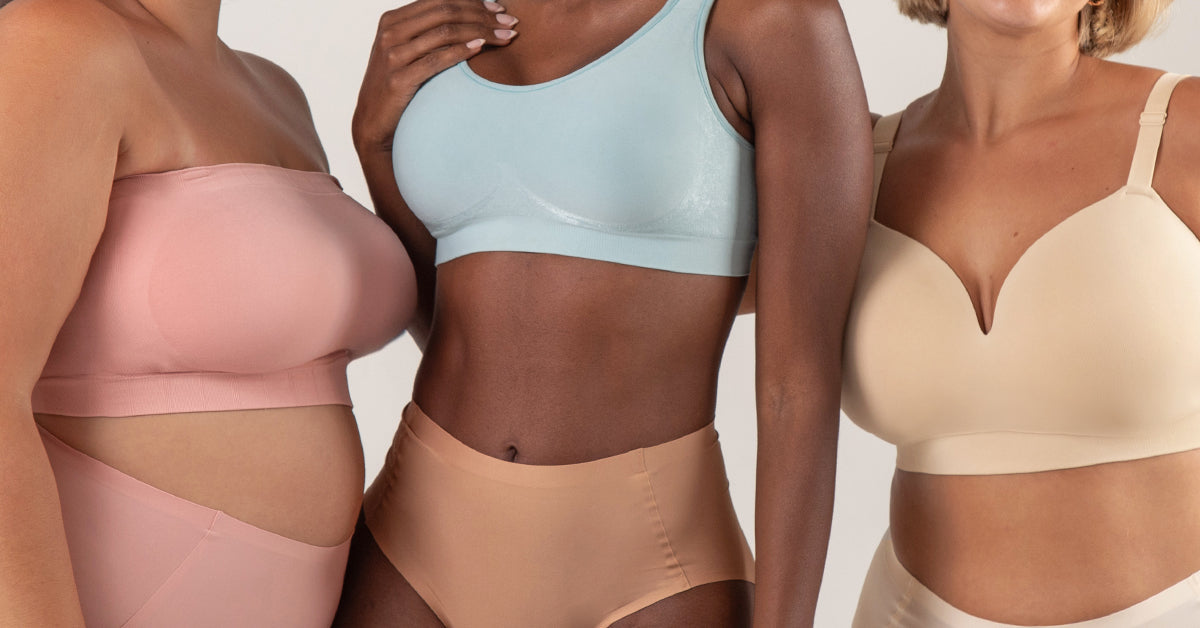
In the current retail environment, the largest bra sizes are almost exclusively found in independent boutiques rather than large department stores. These boutique brands use a strategy of hyper-specialization. By positioning themselves as “fit experts,” they attract a loyal customer base that is willing to pay a premium for a product they cannot find elsewhere. This strategy proves that there is a massive, untapped market for sizes beyond the 40DD threshold, provided the brand can deliver on the promise of both style and support.
The Shift in Mainstream Strategy
We are seeing a reactive shift in the branding of legacy companies. Victoria’s Secret, for instance, underwent a massive rebranding effort to move away from its “Angel” imagery toward a more inclusive “VS Collective.” Part of this rebranding involved expanding their in-store size offerings. However, even with these shifts, many mainstream brands still cap their in-store inventory at a G or H cup, directing customers seeking larger sizes to their online platforms. This “online-only” strategy for extended sizes is a point of contention in brand loyalty, as it creates a tiered experience where certain customers are excluded from the physical “trying-on” ritual.
Data-Driven Retail: How Technology and Branding Intersect
The question of size availability is increasingly being answered by data. Modern brands are utilizing AI-driven fit-tech and consumer data to justify expanding their in-store ranges. If data shows a high concentration of searches for 44H bras in a specific metropolitan area, a brand can strategically stock those sizes in local brick-and-mortar locations.
The “Inclusive” Branding Trap
There is a significant difference between a brand that is “size inclusive” and a brand that uses “inclusive marketing.” Some brands have been criticized for “size-washing”—using diverse models in their marketing campaigns while still only stocking up to a DD cup in their physical stores. This disconnect between brand promise and retail reality can be damaging to corporate identity. Authentic brand strategy in 2024 requires a “mirror effect”: the diversity seen in the advertisements must be mirrored on the store hangers.
The Role of Customization and Made-to-Order
To solve the inventory problem, some forward-thinking brands are experimenting with a “showroom” model. In this scenario, the store carries a wide range of sizes for “fit testing,” but the actual purchase is shipped to the customer’s home. This allows a brand to “sell” a size 50N without having to keep fifty units of that specific SKU in every store across the country. This hybrid model bridges the gap between the logistical limitations of physical retail and the demand for extreme size inclusivity.
The Future of Brand Identity in Intimate Apparel
The future of the intimate apparel industry is trending toward a “size-agnostic” approach. As manufacturing technologies improve and data analytics become more precise, the “largest size sold in stores” will likely continue to climb. For a brand to remain competitive in the current market, it can no longer afford to ignore the “average” consumer, whose measurements often fall outside the traditional matrix.
The Economic Power of the Extended Size Market
From a marketing perspective, the plus-size and full-bust markets represent one of the fastest-growing segments in fashion. Brands that fail to provide sizes above a 40 band or a DDD cup are essentially leaving money on the table. The strategy of “limited sizing” is becoming an outdated relic of a time when brands dictated beauty standards to the consumer. Today, the consumer dictates the standards to the brand.
Summary of Retail Benchmarks
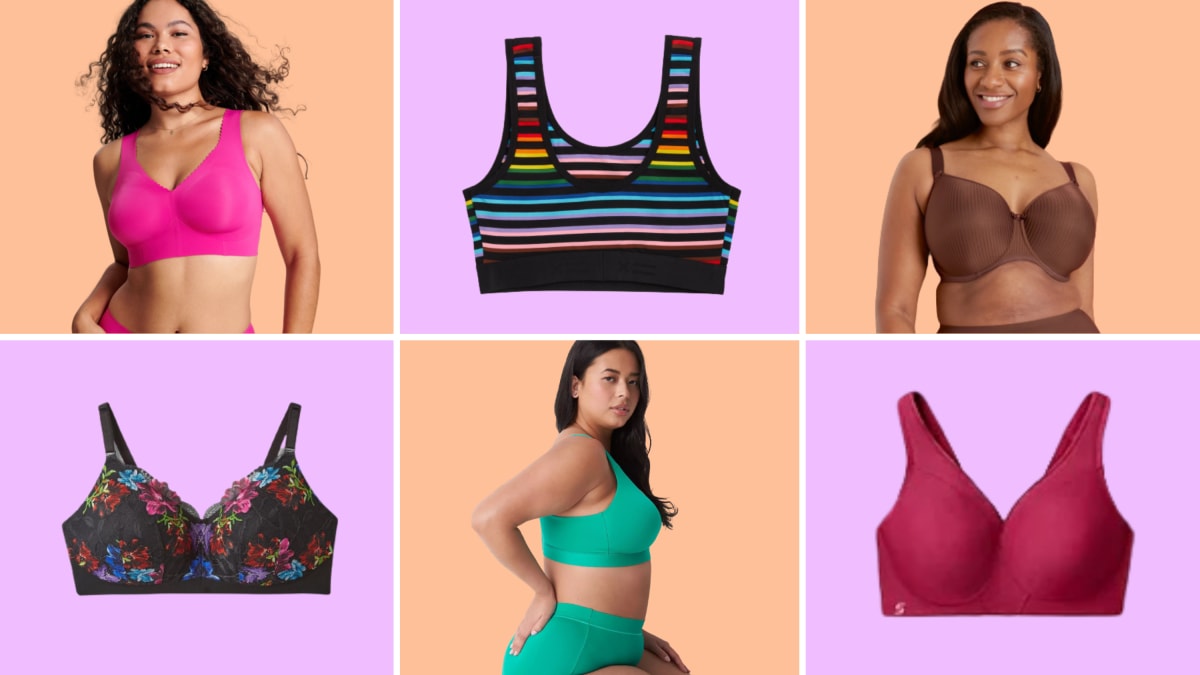
Currently, if a consumer walks into a high-end department store like Nordstrom, the largest cup size they are likely to find is an H or I cup. In a specialized lingerie boutique, that range extends significantly to M, N, or O cups (US sizing). For mass-market retailers like Target or Kohl’s, the limit typically hovers around a G cup. The discrepancy is not due to a lack of demand, but rather a reflection of the brand’s chosen market position and its willingness to invest in the complex supply chain required for larger-scale production.
In conclusion, the “largest bra size sold in stores” is a moving target that serves as a key performance indicator for a brand’s inclusivity and operational sophistication. As brand strategy continues to prioritize authenticity and consumer representation, the barriers between “standard” and “extended” sizing are beginning to dissolve. For the modern brand, the goal is no longer just to sell a product, but to ensure that every customer, regardless of their size, can walk into a store and find their fit. This is not just a matter of social responsibility; it is a fundamental pillar of modern retail success.
aViewFromTheCave is a participant in the Amazon Services LLC Associates Program, an affiliate advertising program designed to provide a means for sites to earn advertising fees by advertising and linking to Amazon.com. Amazon, the Amazon logo, AmazonSupply, and the AmazonSupply logo are trademarks of Amazon.com, Inc. or its affiliates. As an Amazon Associate we earn affiliate commissions from qualifying purchases.