
In the complex landscape of corporate finance and sophisticated personal investing, the way interest is calculated and recorded can significantly alter a financial statement’s accuracy. One of the most critical techniques used by accountants and financial analysts today is the effective interest method. While casual observers might be familiar with simple interest or straight-line amortization, the effective interest method provides a more precise, economically sound representation of the true cost of borrowing or the true yield of an investment over time.
The effective interest method is an accounting practice used to spread the interest expense or income of a financial instrument—such as a bond, mortgage, or long-term note—over its life. Unlike simpler methods, it bases the interest calculation on the “carrying amount” of the instrument rather than its face value. This approach ensures that the interest reported in each period reflects a constant periodic rate of return on the outstanding balance, aligning financial reporting with the actual economic reality of the transaction.
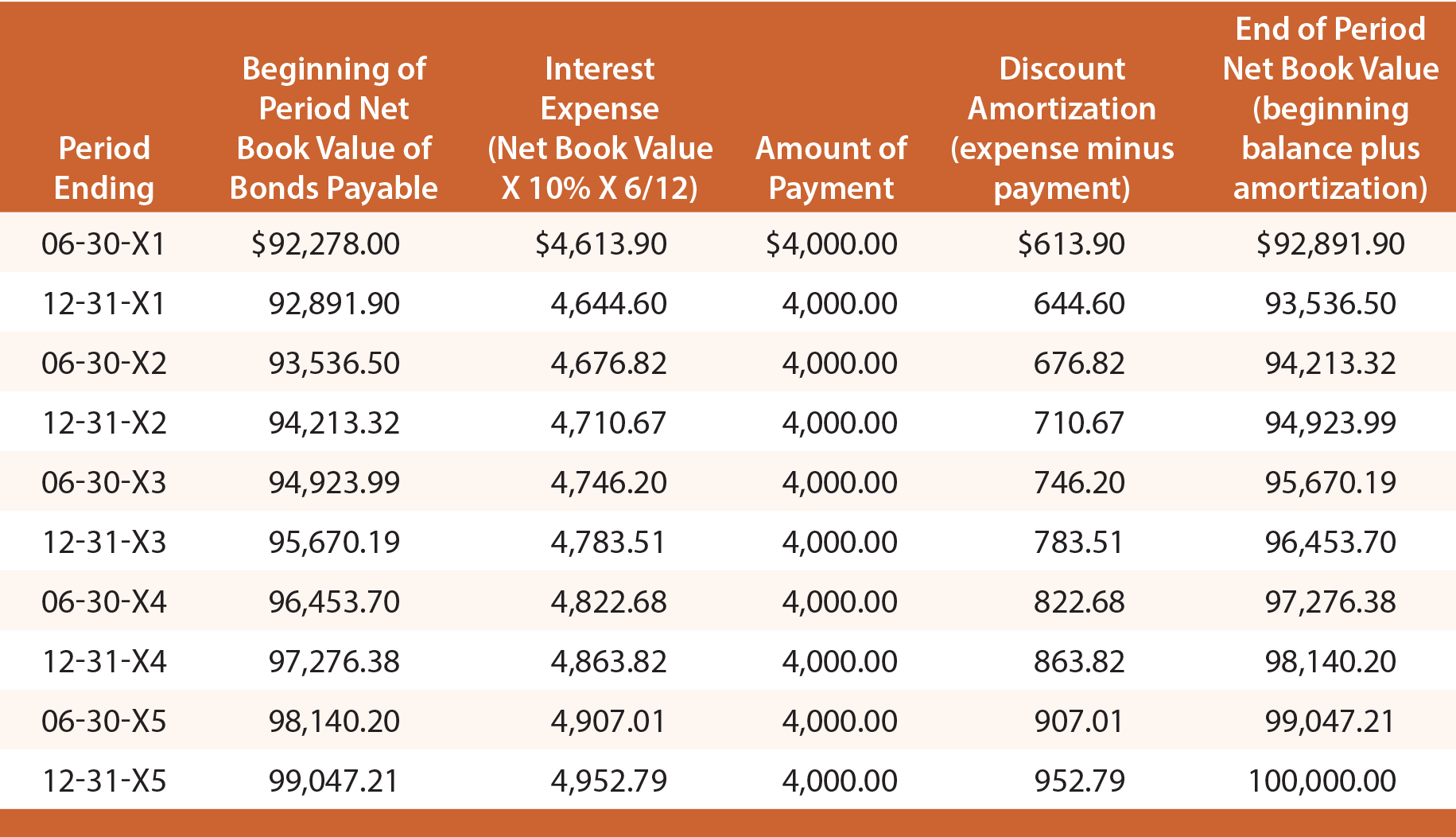
The Fundamentals of the Effective Interest Method
To grasp why the effective interest method is the gold standard in modern finance, one must understand the relationship between market interest rates and the contractual terms of a debt instrument. When a company issues a bond or takes out a loan, the “stated rate” (the percentage written on the contract) often differs from the “market rate” (the rate investors actually demand given the risk profile).
How it Differs from the Straight-Line Method
The most common alternative to the effective interest method is the straight-line method. Under straight-line amortization, the total amount of bond discount or premium is divided equally over the life of the instrument. For example, if a bond is issued at a $10,000 discount over five years, the accountant simply records $2,000 of amortization every year.
While simple, the straight-line method is often criticized for being theoretically flawed. It implies that the cost of borrowing remains the same even as the net amount of money the borrower “owes” (the carrying value) changes. In contrast, the effective interest method recognizes that as the carrying value of a debt increases or decreases, the dollar amount of interest should scale accordingly to maintain a consistent percentage rate.
The Concept of Amortized Cost
At the heart of this method is the concept of “amortized cost.” When a financial asset or liability is initially recognized, it is recorded at its fair value. Over time, that value is adjusted—or amortized—until it reaches its maturity value. The effective interest method is the engine that drives this adjustment. By applying a constant interest rate to the carrying amount, the method ensures that the book value of the debt moves systematically toward its par value by the time the instrument reaches maturity.
Why the Effective Interest Method Matters for Businesses and Investors
For a business, the choice of accounting method isn’t just a matter of paperwork; it affects the bottom line, tax liabilities, and investor perceptions. Under International Financial Reporting Standards (IFRS) and Generally Accepted Accounting Principles (GAAP), the effective interest method is often the required approach because it prevents the “smoothing” of interest expenses in a way that might mislead stakeholders.
Accuracy in Financial Reporting
Accuracy is the primary reason the effective interest method is mandated for many instruments. Because this method uses a constant rate, it produces a rising interest expense for bonds issued at a discount and a falling interest expense for bonds issued at a premium. This reflects the true economic cost of the capital. If a company used the straight-line method for a significant amount of debt, it might overstate its earnings in the early years of a loan’s life, potentially painting a false picture of financial health to shareholders and creditors.
Matching Principle and Economic Reality
The “matching principle” in accounting dictates that expenses should be matched with the revenues they help generate in the same period. The effective interest method adheres to this principle by ensuring that the interest expense recorded in the income statement corresponds to the actual amount of capital the company had at its disposal during that period. For investors, this level of transparency is vital for calculating key performance indicators, such as the interest coverage ratio or the weighted average cost of capital (WACC).
Mechanics: How to Calculate and Apply the Method
While the logic behind the effective interest method is straightforward, the execution requires a multi-step calculation. To apply the method, one must know three variables: the carrying amount of the debt, the effective (market) interest rate at the time of issuance, and the cash interest paid (stated rate).
Step 1: Determining the Carrying Amount
The carrying amount, also known as the book value, is the initial price of the bond or loan plus any accumulated amortization of a discount (or minus the amortization of a premium). At the moment of issuance, the carrying amount is simply the net proceeds received. As time passes, this figure is updated at the end of every reporting period.
Step 2: Applying the Effective Interest Rate

The “Effective Interest Expense” for a period is calculated by multiplying the carrying amount at the start of the period by the effective interest rate.
Formula: Interest Expense = Beginning Carrying Value × Effective Interest Rate
This figure represents the “true” cost of the debt for that period. It is the amount that will actually appear on the company’s income statement.
Step 3: Dealing with Discounts and Premiums
The “Cash Interest” is the actual check the company writes to the lender, calculated by multiplying the face value of the debt by the stated (coupon) interest rate.
Formula: Cash Interest Paid = Face Value × Stated Interest Rate
The difference between the Effective Interest Expense (Step 2) and the Cash Interest Paid (Step 3) is the amount of amortization. This difference is added to the carrying value (if the bond was sold at a discount) or subtracted from the carrying value (if it was sold at a premium). This iterative process continues until the debt is retired.
Practical Applications in Personal and Corporate Finance
While often discussed in the context of corporate balance sheets, the logic of the effective interest method permeates many aspects of the financial world, from multi-billion dollar bond offerings to the way a consumer’s mortgage balance is reduced.
Corporate Bonds and Debt Issuance
When a corporation issues bonds to raise capital for expansion, the market rate rarely matches the coupon rate exactly. If the market demands an 8% return but the company only offers a 6% coupon, the bond will sell at a discount. The effective interest method ensures that the 2% “bonus” the investor receives (by buying the bond for less than its face value) is recognized as an interest expense by the company gradually over time, rather than all at once at the end. This provides a clear, period-by-period view of what the company is actually paying to use that money.
Mortgage Amortization and Personal Loans
In the world of personal finance, most fixed-rate mortgages operate on a variation of the effective interest principle. In the early years of a mortgage, the “carrying value” (the principal balance) is at its highest. Consequently, the interest portion of the monthly payment is at its peak. As the homeowner pays down the principal, the interest—calculated as a constant percentage of the remaining balance—decreases, allowing more of the payment to go toward the principal. Understanding this mechanic is crucial for individuals deciding whether to make extra principal payments or refinance their debt.
Regulatory Standards and Global Compliance
The use of the effective interest method is not merely a suggestion; it is a pillar of international financial regulation. Regulators aim to standardize how “yield” is reported so that an investment in London can be easily compared to an investment in New York.
GAAP vs. IFRS Perspectives
Under IFRS 9, the effective interest method is the required technique for measuring the amortized cost of a financial asset or liability. The standards are very strict: unless the straight-line method produces results that are not materially different from the effective interest method, it cannot be used.
U.S. GAAP (specifically ASC 310 and ASC 835) follows a similar logic. While GAAP allows for the straight-line method in very specific, non-material circumstances, the effective interest method remains the preferred and most legally defensible approach for public companies. For auditors, verifying that a company has correctly calculated its effective interest is a high-priority task, as errors here can lead to significant restatements of earnings.

The Role of Financial Tools and Software
In the modern era, few accountants perform these calculations by hand or in simple spreadsheets. Enterprise Resource Planning (ERP) systems and dedicated treasury management software are programmed to automate the effective interest method. These tools can handle complex variables, such as floating interest rates, step-up coupons, and early redemption clauses, ensuring that the carrying value is always accurate to the penny. For the savvy investor or business owner, leveraging these tools is essential for maintaining a clear-eyed view of their financial obligations and assets.
By moving beyond simple interest and embracing the nuance of the effective interest method, financial professionals can ensure that their records reflect the true time value of money. Whether you are managing a corporate treasury or analyzing a potential investment, understanding this method is fundamental to mastering the language of money and making informed, data-driven financial decisions.
aViewFromTheCave is a participant in the Amazon Services LLC Associates Program, an affiliate advertising program designed to provide a means for sites to earn advertising fees by advertising and linking to Amazon.com. Amazon, the Amazon logo, AmazonSupply, and the AmazonSupply logo are trademarks of Amazon.com, Inc. or its affiliates. As an Amazon Associate we earn affiliate commissions from qualifying purchases.