
In the pantheon of technological innovations that have shaped the modern world, few hardware components are as ubiquitous yet as overlooked as the dry cell. From the remote control on your coffee table to the critical sensors monitoring industrial machinery, the dry cell serves as the silent engine of the portable revolution. Unlike its predecessor, the wet cell, which required upright orientation and careful handling of liquid electrolytes, the dry cell brought about the era of “anywhere, anytime” power. To understand the dry cell is to understand the fundamental physics that allow our hardware to operate independently of the power grid.
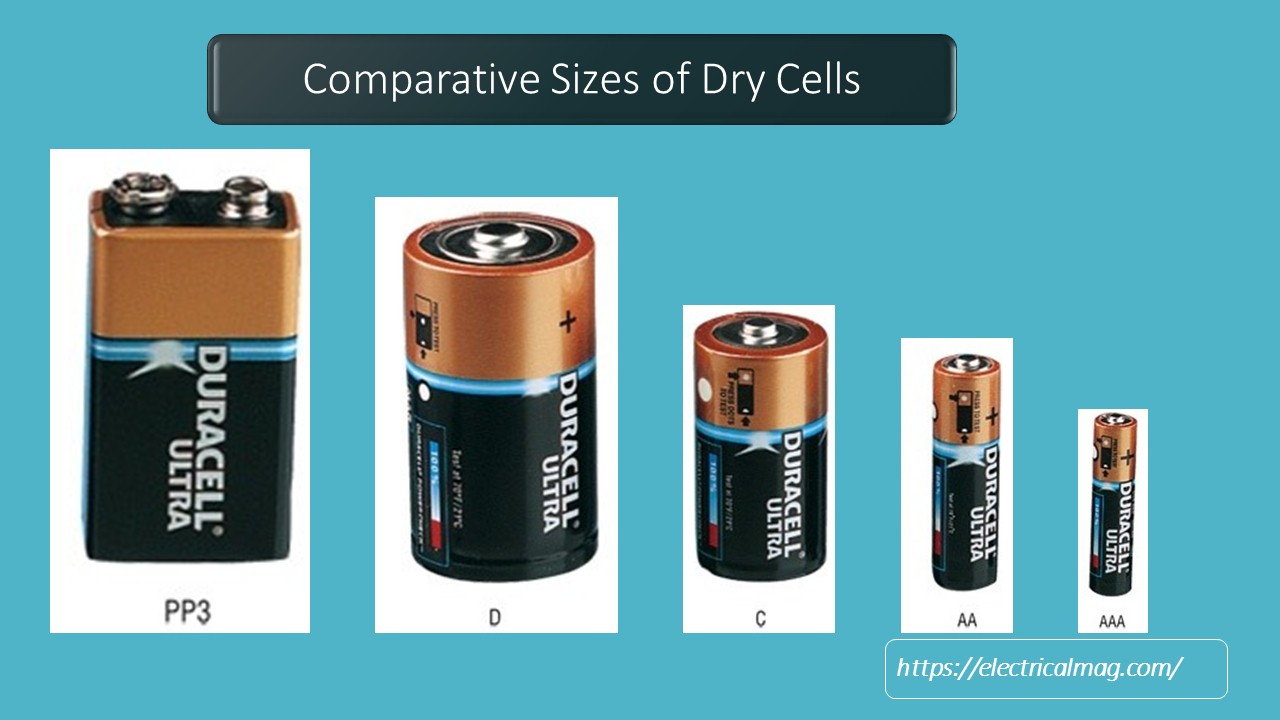
The Genesis of Portable Power: Defining the Dry Cell
At its most fundamental level, a dry cell is a type of electric battery, commonly used for portable electrical devices. It was developed to overcome the logistical and safety limitations of the Leclanché cell, which contained a liquid electrolyte. The “dry” in dry cell does not imply a total absence of moisture; rather, it signifies that the electrolyte is contained within a paste or a semi-solid medium. This engineering breakthrough meant that the battery could be operated in any orientation without the risk of leakage or spilling, a prerequisite for the development of handheld gadgets and mobile technology.
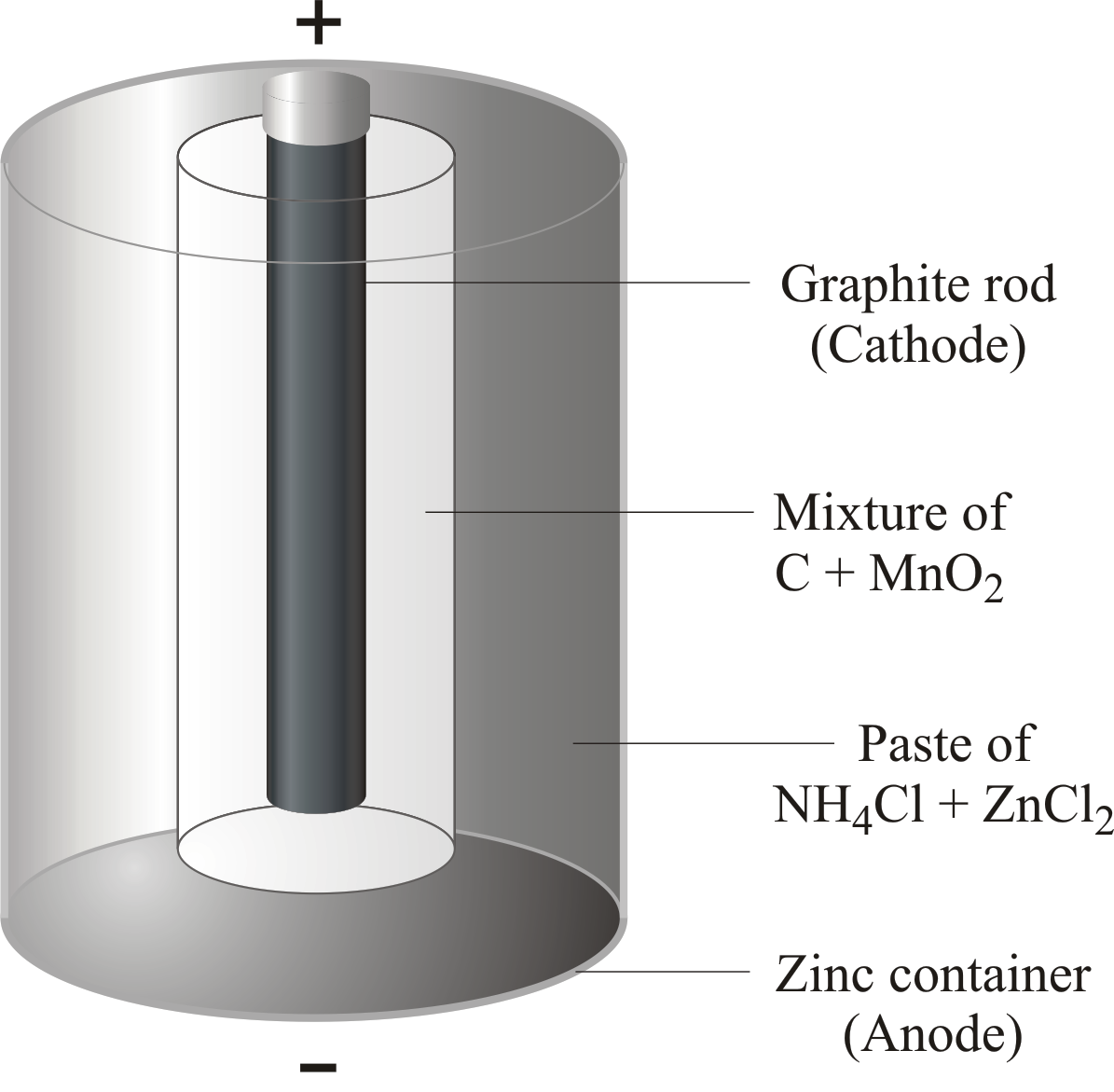
The primary technological leap offered by the dry cell is the immobilization of the electrolyte. In a standard zinc-carbon dry cell, the electrolyte is typically a paste of ammonium chloride or zinc chloride. This paste allows for the movement of ions—necessary for the chemical reaction that produces electricity—while remaining physically stable within a sealed container. This design transformed electricity from a stationary utility into a mobile resource, effectively laying the groundwork for the 20th-century consumer electronics boom.
The Historical Shift from Wet to Dry
The transition from wet cells to dry cells in the late 19th century was the first major “hardware upgrade” in the energy sector. Wet cells, such as those used in early telegraphy, were bulky and dangerous. The invention of the dry cell by Carl Gassner in 1886 utilized a zinc container as both the negative terminal and the outer shell, creating a self-contained unit. This wasn’t just a scientific discovery; it was a masterclass in industrial design and hardware miniaturization. It allowed for the commercialization of the first flashlights and portable radios, proving that consumer demand for technology was inextricably linked to the portability of its power source.
Internal Architecture: The Engineering Behind the Energy
To understand how a dry cell functions, one must look at the sophisticated chemical engineering occurring within its metallic casing. A dry cell operates on the principle of an electrochemical reaction, specifically a redox (reduction-oxidation) reaction. The hardware consists of three primary components: the anode, the cathode, and the electrolyte.
The Anode and Cathode Mechanism
In a standard dry cell, the outer zinc container serves as the anode (the negative electrode). Zinc is selected for its willingness to lose electrons, a process known as oxidation. At the center of the cell is a carbon (graphite) rod, which acts as the cathode (the positive electrode). However, the carbon rod itself is chemically inert; it serves merely as a conductor to allow electrons to flow into the cell. The actual reduction reaction occurs in a layer of manganese dioxide and carbon black that surrounds the rod.
When a device is powered on, a circuit is completed. Electrons flow from the zinc anode, through the external circuit (powering your gadget), and return through the carbon cathode. Inside the cell, the circuit is completed by the movement of ions through the electrolyte paste. This conversion of chemical energy into electrical energy is a marvel of efficient hardware design, providing a steady voltage until the chemical reactants are exhausted.
The Role of the Electrolyte Paste
The electrolyte is the “software” that governs the movement of charges within the “hardware” of the cell. In an alkaline dry cell—the most common type used in modern technology—the electrolyte is potassium hydroxide. This alkaline medium allows for a higher energy density and a more consistent voltage discharge compared to older acidic electrolytes. The use of a paste rather than a liquid ensures that the internal resistance of the cell is managed effectively, allowing for the rapid delivery of power when a high-performance gadget requires a surge of energy.
Technological Variations: Categorizing Modern Dry Cells
As technology has advanced, the dry cell has evolved into several specialized categories, each designed to meet the specific power profiles of different hardware. Understanding these variations is essential for optimizing device performance and longevity.
Zinc-Carbon Cells: The Legacy Standard
Zinc-carbon cells are the most basic form of dry cell technology. They are inexpensive to manufacture but offer a lower energy density. These are typically found in “low-drain” devices like wall clocks or basic remote controls. From a technical standpoint, their discharge curve is steep, meaning the voltage drops steadily as the battery is used. While they have largely been superseded by more advanced chemistries, they remain a staple in the budget-friendly hardware market.
Alkaline Cells: The High-Performance Workhorse
The alkaline cell represents a significant upgrade in dry cell technology. By using a potassium hydroxide electrolyte and a different physical structure (often utilizing granulated zinc to increase surface area), alkaline batteries provide significantly more energy and a longer shelf life. They are the standard for most modern gadgets, including digital cameras, high-powered toys, and handheld gaming consoles. Their ability to maintain a stable voltage over a longer period makes them the preferred choice for hardware that requires a reliable, consistent power supply.
Lithium Dry Cells: The Frontier of Primary Power
Lithium dry cells are the pinnacle of non-rechargeable battery technology. Unlike the lithium-ion batteries found in smartphones, these are “primary” cells (single-use). They utilize lithium as the anode, which provides the highest energy density of any metal. These cells are designed for high-tech applications where weight is a factor and performance is non-negotiable, such as in professional photography equipment, medical devices, and outdoor sensors that must operate in extreme temperatures. They are significantly more expensive than alkaline cells but offer a lifespan that can be five to ten times longer, representing the high-end tier of portable energy hardware.
The Critical Link: Dry Cells and the Internet of Things (IoT)
The current era of technology is defined by the Internet of Things (IoT)—a massive network of sensors and devices that communicate autonomously. The viability of the IoT ecosystem is heavily dependent on dry cell technology. Because many IoT sensors are placed in inaccessible locations—inside walls, across vast agricultural fields, or within industrial pipelines—they cannot be plugged into a wall outlet or easily recharged.
The dry cell provides the “install and forget” capability required for these technologies. Modern low-power wide-area networks (LPWAN) are designed to operate on the energy provided by a single set of dry cells for years. This synergy between hardware efficiency and energy density is what allows for “smart” cities and automated industrial monitoring. Engineers must carefully balance the power draw of the device’s radio and processor with the discharge characteristics of the dry cell to ensure a multi-year operational life. This makes the selection of battery chemistry a core part of the digital hardware design process.
Challenges and Innovation: The Future of Solid-State Energy Storage
Despite their success, dry cells face ongoing challenges, particularly concerning environmental impact and resource scarcity. The traditional dry cell is a consumable, leading to significant electronic waste. However, the tech industry is not standing still. Innovation in this sector is currently focused on three main pillars: sustainability, miniaturization, and the move toward solid-state technology.
The Push for Green Chemistry
As global tech standards move toward a circular economy, the materials used in dry cells are being re-evaluated. Researchers are looking into bio-degradable electrolytes and more easily recyclable casings. The goal is to create a “green” dry cell that maintains the performance of an alkaline battery but can be composted or fully reclaimed at the end of its life. This shift is essential as the sheer number of portable devices continues to scale globally.
Solid-State Advancements
The ultimate evolution of the dry cell is the solid-state battery. While currently a major focus for electric vehicles, solid-state technology is also trickling down into smaller form factors. By replacing the electrolyte paste with a solid ceramic or polymer material, manufacturers can create batteries that are even more stable, have higher energy densities, and are virtually immune to leakage. These “true” dry cells would represent the next generation of hardware power, enabling even thinner wearables and more powerful micro-medical implants.

The Role of Miniaturization
As gadgets shrink, the power source must follow suit. We are seeing the rise of “micro-dry cells,” integrated directly into circuit boards or printed using advanced 3D-printing techniques. This allows for a level of hardware integration previously thought impossible, where the battery is not just a component inside the device, but a fundamental part of the device’s physical structure.
In conclusion, the dry cell is far more than a simple household item. It is a sophisticated piece of electrical hardware that bridged the gap between the tethered world of the 19th century and the mobile, connected world of the 21st. As we continue to push the boundaries of AI, IoT, and wearable tech, the humble dry cell—in all its evolving forms—will remain the essential foundation upon which our digital future is built. Whether it is a simple alkaline battery or a cutting-edge lithium cell, this technology remains the heartbeat of the portable world.
aViewFromTheCave is a participant in the Amazon Services LLC Associates Program, an affiliate advertising program designed to provide a means for sites to earn advertising fees by advertising and linking to Amazon.com. Amazon, the Amazon logo, AmazonSupply, and the AmazonSupply logo are trademarks of Amazon.com, Inc. or its affiliates. As an Amazon Associate we earn affiliate commissions from qualifying purchases.