
The modern laundry room is a sophisticated hub of domestic engineering, and at the center of this ecosystem lies the choice between two fundamentally different hardware architectures: the gas dryer and the electric dryer. While both machines share the same primary objective—removing moisture from textiles through a combination of heat, airflow, and tumbling—the underlying technologies used to achieve this result are distinct. Understanding the difference between gas and electric dryers requires an analysis of thermal dynamics, mechanical engineering, and infrastructure requirements.
For tech-conscious homeowners, the decision is rarely about the color or the interface alone; it is an evaluation of power consumption patterns, thermal efficiency, and long-term mechanical reliability. From the way they interface with your home’s utility grid to the specific sensors that prevent fabric damage, gas and electric dryers represent two divergent paths in appliance evolution.
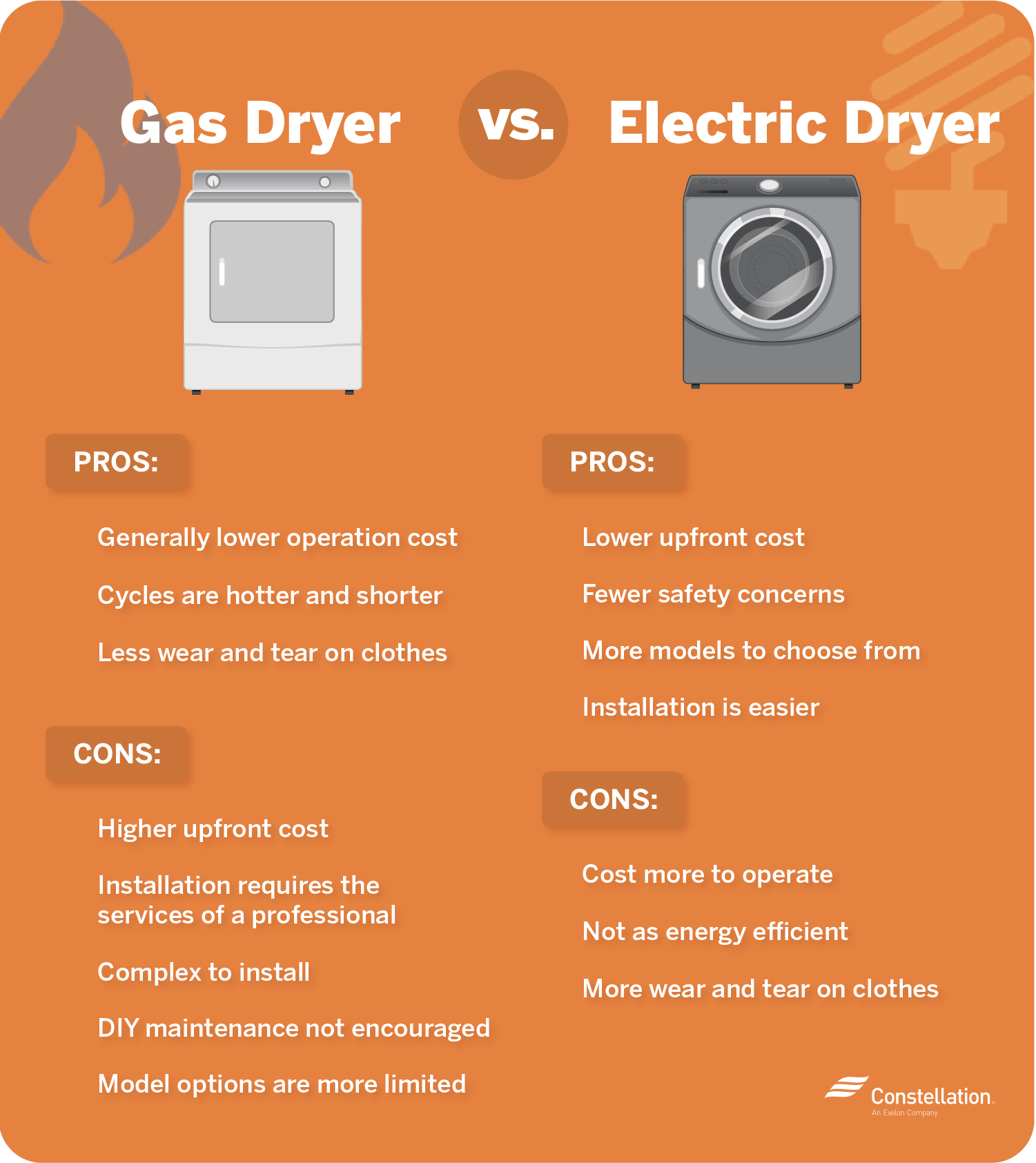
The Engineering Core: How Gas and Electric Dryers Generate Heat
The most significant technical distinction between these two appliances is the mechanism of heat generation. This is where the physics of the machines diverts, impacting everything from the speed of the cycle to the complexity of the internal components.
Electric Resistance Heating
Electric dryers operate on the principle of Joule heating. Inside the chassis, a series of heating coils—typically made of a nichrome alloy—act as high-resistance conductors. When a 240-volt current passes through these coils, the electrical energy is converted into thermal energy. This process is highly controllable but inherently slower to reach peak temperatures.
Because electric dryers rely on these resistive elements, they require a high-amperage dedicated circuit. The hardware is relatively simple: a thermostat monitors the temperature, and a relay switches the power to the coils on and off to maintain the desired heat level. While this simplicity makes the hardware cheaper to manufacture and easier to repair for DIY enthusiasts, it is less efficient in terms of raw thermal ramp-up compared to combustion-based systems.
Gas Combustion Mechanics
Gas dryers utilize a sophisticated burner assembly that functions similarly to a miniature furnace. When the cycle begins, an igniter (usually a silicon carbide or silicon nitride element) glows until it reaches a specific temperature. Once the internal sensors confirm the heat of the igniter, a gas valve opens, releasing natural gas or liquid propane into the burner tube. The gas ignites, creating a concentrated flame that produces immediate, high-intensity heat.
This combustion process is managed by a series of solenoids and radiant sensors. The technical advantage of gas is its ability to reach target temperatures almost instantly. Unlike electric coils that need time to “warm up,” a gas burner provides a high-BTU (British Thermal Unit) output from the moment of ignition. This rapid heat transfer is why gas dryers are often cited for their shorter cycle times in professional testing environments.
The Role of the Igniter and Solenoid
In the realm of appliance tech, the gas dryer’s ignition system is a marvel of safety engineering. Modern units use “glow-bar” igniters that must maintain a specific electrical resistance to trigger the gas valve. If the igniter is cracked or failing, the circuit remains open, preventing the gas valve from releasing fuel. This fail-safe mechanism ensures that uncombusted gas does not accumulate in the drum, highlighting the sophisticated sensor logic integrated into gas-powered hardware.
Energy Efficiency and Thermal Dynamics
When evaluating the technical specifications of these appliances, efficiency is measured not just by how much energy is consumed, but by how effectively that energy is transferred to the wet load. The thermal dynamics of gas and electric dryers dictate their performance profiles.
Comparing BTU Output vs. Wattage
An electric dryer typically draws between 4,000 and 6,000 watts during active heating. In contrast, a residential gas dryer is usually rated between 18,000 and 22,000 BTUs per hour. When you convert these units, it becomes clear that gas units have a higher thermal “punch.”
The tech behind gas dryers allows for more precise heat dissipation. Because the flame can be extinguished instantly when the sensor reaches the target threshold, there is less “residual heat” than in an electric coil, which stays hot for several minutes after power is cut. This allows gas dryers to have a more responsive cooling phase, which is critical for preventing wrinkles in synthetic fibers.
Lifecycle Efficiency and Heat Transfer
From a thermodynamics perspective, gas dryers are often more efficient at the point of use. They use a high-velocity airflow system to pull the heat of the flame through the drum. However, they also require more robust venting. Because gas combustion produces carbon monoxide and water vapor as byproducts, the exhaust technology must be airtight and high-capacity.
Electric dryers, while slower to heat, offer a more “contained” thermal environment. Newer high-end electric models have begun integrating modulated heating elements that can vary their output rather than simply cycling on and off. This digital modulation allows for more granular control over the drying environment, though it still lacks the raw speed of gas combustion.
Impact on Drying Cycles and Fabric Integrity
The speed at which a machine can remove moisture is a function of the “Delta T”—the difference between the air temperature and the moisture temperature. Gas dryers maintain a higher Delta T for a longer portion of the cycle. For heavy loads like denim or towels, the gas dryer’s ability to maintain high thermal density results in significantly faster evaporation rates.
However, the tech inside modern electric dryers has narrowed this gap through improved drum baffling and airflow optimization. By using computational fluid dynamics (CFD) to design the drum’s interior, manufacturers have improved how air moves through the clothes, allowing electric models to maximize the heat they do produce.
Hardware Requirements and Infrastructure Integration
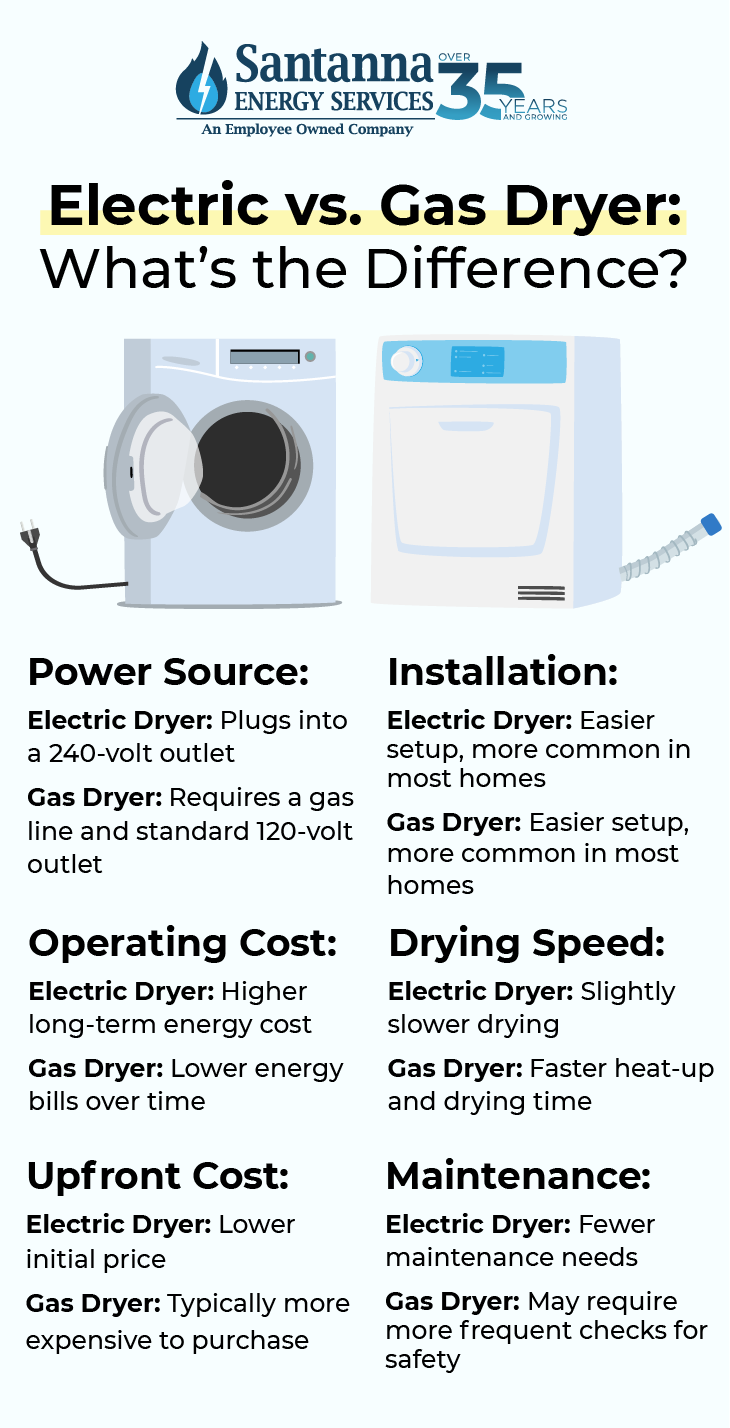
Choosing between these two technologies often comes down to the pre-existing hardware interface in the home. The infrastructure required to support a gas dryer is significantly different from that of an electric model.
Electrical Load Demands (240V vs 120V)
An electric dryer is one of the most power-hungry “gadgets” in a home. It requires a dedicated 240-volt circuit, usually served by a 30-amp double-pole breaker. The physical plug (NEMA 14-30R) is a heavy-duty industrial-grade connector designed to handle the high current flow without overheating.
Gas dryers, interestingly, also require electricity, but only to power the drum motor, the onboard computer, and the igniter. They plug into a standard 120-volt outlet. The technical trade-off is that while they don’t need a heavy-duty electrical line, they do require a dedicated gas line with a manual shut-off valve.
Gas Line Installation and Ventilation Tech
The installation of a gas dryer is a more complex mechanical task. The gas line must be leak-tested using pressure gauges or ultrasonic leak detectors. Furthermore, the venting requirements are stricter. While electric dryers can theoretically use shorter, more flexible vents (though rigid is always better), gas dryers must have a high-integrity exhaust path to the outdoors to safely vent combustion byproducts.
For high-rise apartments or homes where the laundry room is located in the center of the floor plan, the tech requirements for gas venting can be a limiting factor. This has led to the rise of specialized booster fans—automated tech that detects when the dryer is on and increases the exhaust velocity to push air through long duct runs.
Safety Sensors and Thermal Fuses
Both gas and electric dryers utilize thermal fuses as a primary safety layer. These are one-time-use components designed to “blow” or break the circuit if the internal temperature exceeds a safe threshold (usually due to a lint blockage). In a gas dryer, the sensor array is slightly more complex, including flame sensors that ensure the burner has actually lit. If the sensor detects gas flow but no heat, it immediately shuts down the system to prevent a hazardous buildup.
The Evolution of Smart Appliance Technology
In recent years, the gap between gas and electric dryers has shifted away from just “how they heat” to “how they think.” The integration of AI and smart sensors has revolutionized both platforms.
Moisture Sensor Precision
The most important tech in a modern dryer is the moisture sensor. Older machines used simple timers, but modern units use “conductive” or “capacitive” sensing. These consist of two metal strips inside the drum. As wet clothes touch the strips, they complete an electrical circuit. The machine measures the resistance; as the clothes dry, resistance increases.
Smart dryers now use sophisticated algorithms to interpret this resistance data. They can distinguish between a single damp spot on a heavy towel and a load that is uniformly dry. This prevents “over-drying,” which is the primary cause of fabric degradation and micro-fiber shedding.
Wi-Fi Connectivity and Remote Diagnostics
Both gas and electric models now feature Wi-Fi integration. This allows users to monitor cycle progress via smartphone apps, receive alerts when lint filters need cleaning, and even download specialized cycles for specific fabrics like “activewear” or “pet bedding.”
Perhaps the most significant tech advancement is remote diagnostics. If a dryer fails, the machine can transmit a burst of digital data to the manufacturer’s cloud. A technician can then identify if a gas solenoid has failed or if an electric heating element has burnt out before ever stepping foot in the home. This “connected appliance” ecosystem reduces downtime and improves the hardware’s lifecycle.
Heat Pump Technology: The New Frontier
While the gas vs. electric debate continues, a third player has entered the tech space: the Heat Pump Dryer. This is a specialized version of an electric dryer that works like a refrigerator in reverse. Instead of venting hot, moist air outside, it uses a closed-loop refrigerant system to condense the moisture out of the air and recirculate the heat.
Heat pump dryers are the most energy-efficient option on the market, consuming about 50% less energy than standard electric models. They don’t require an external vent, making them a technological favorite for sustainable building designs. While they have longer cycle times than gas dryers, they represent the future of laundry tech, focusing on energy conservation over raw thermal power.
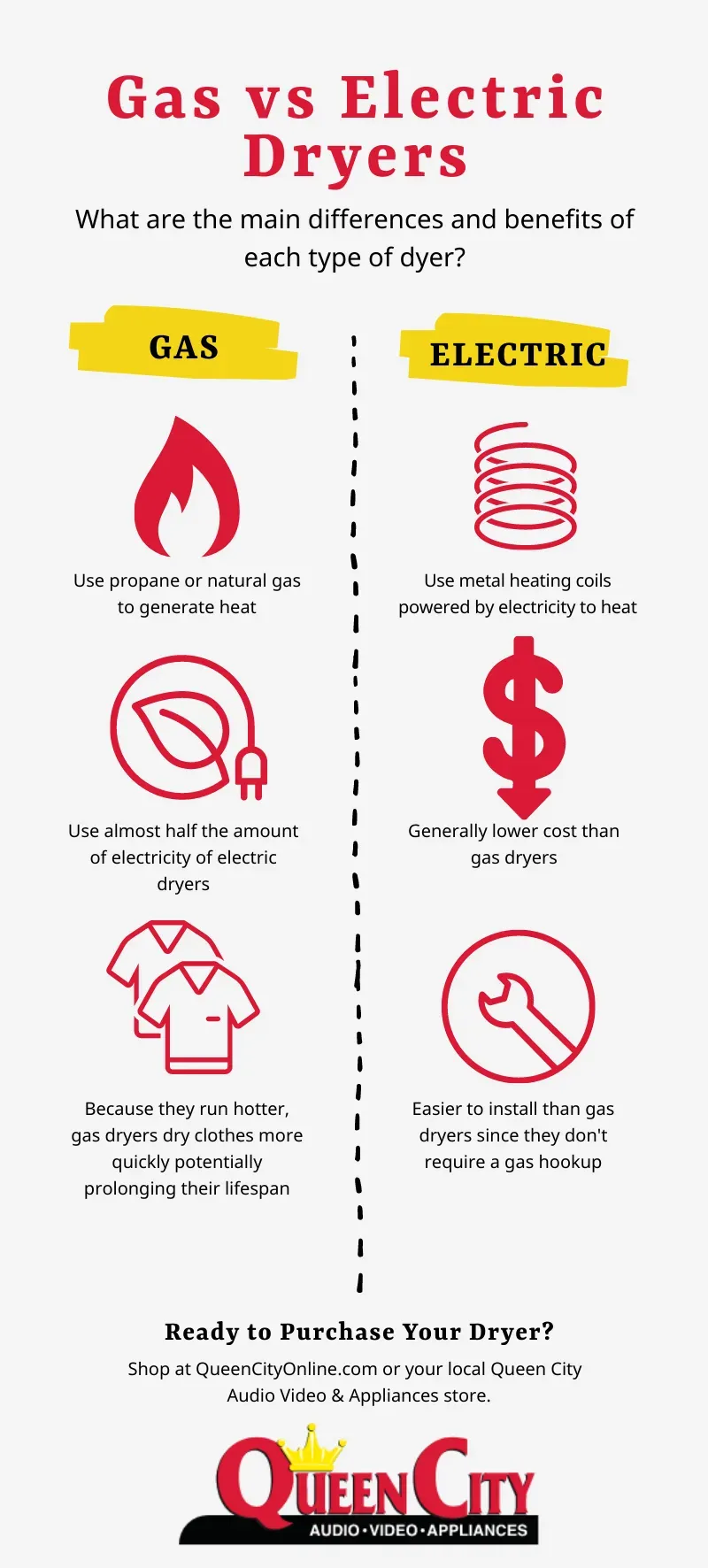
Technical Comparison Summary for the Modern Home
When we strip away the marketing, the difference between gas and electric dryers is a matter of power source and thermal speed. Gas dryers remain the high-performance option for those who prioritize rapid throughput and have the existing gas infrastructure. They are mechanically more complex but offer a higher ceiling for thermal efficiency during the drying cycle.
Electric dryers are the “plug-and-play” standard. They are simpler in design, rely on established electrical resistance technology, and are easier to integrate into smart home systems that prioritize all-electric energy profiles.
As we move toward more “intelligent” homes, the choice between gas and electric will increasingly be influenced by the integration of heat pump technology and AI-driven moisture detection. Regardless of the fuel source, the hardware continues to get smarter, safer, and more protective of the textiles we put inside them. The decision ultimately rests on a balance of your home’s existing utility tech and your preference for high-intensity combustion versus steady electrical resistance.
aViewFromTheCave is a participant in the Amazon Services LLC Associates Program, an affiliate advertising program designed to provide a means for sites to earn advertising fees by advertising and linking to Amazon.com. Amazon, the Amazon logo, AmazonSupply, and the AmazonSupply logo are trademarks of Amazon.com, Inc. or its affiliates. As an Amazon Associate we earn affiliate commissions from qualifying purchases.