
For many individuals, the decision to undergo liposuction is as much a financial commitment as it is a personal one. While the procedure is often discussed in terms of physical outcomes and recovery timelines, the underlying economic reality is a complex tapestry of professional fees, facility costs, and hidden post-operative expenses. In the realm of personal finance, elective surgery represents a significant capital expenditure that requires careful budgeting, an understanding of market variables, and a strategic approach to financing. To answer the question of “what is the cost of lipo,” one must look beyond a single sticker price and analyze the various fiscal components that contribute to the total investment.
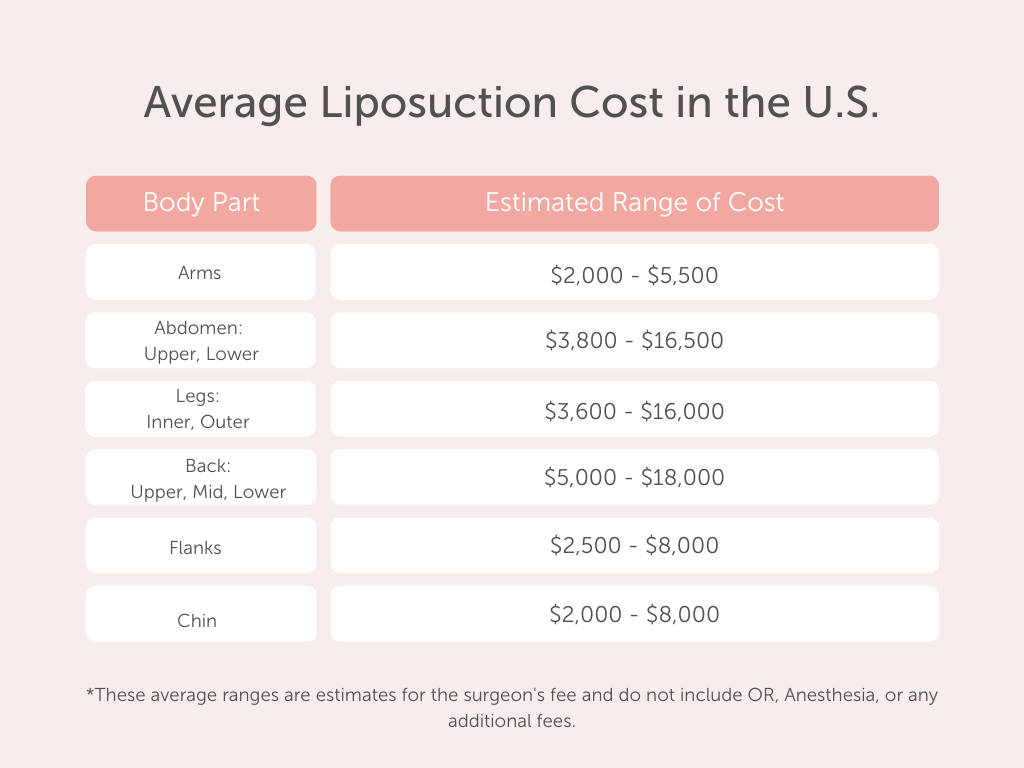
Breaking Down the Components of the Total Price Tag
When a prospective patient receives a quote for liposuction, the number often represents the surgeon’s fee alone, rather than the “all-in” cost. To build a realistic budget, it is essential to dissect the various financial layers involved in a surgical procedure.
The Surgeon’s Professional Fee
The most significant portion of the cost is typically the surgeon’s fee. This price reflects the practitioner’s level of expertise, board certification, and historical success rate. In the marketplace of elective surgery, you are paying for specialized labor. A surgeon with decades of experience and a high-demand practice will command a premium. From a financial perspective, this is a “value-based” cost; while cheaper alternatives exist, the risk of “revision surgery”—which can cost double the original procedure—makes the initial investment in a high-quality surgeon a form of risk mitigation.
Facility and Operating Room Expenses
Liposuction is rarely performed in a standard examination room. It requires a sterile, accredited surgical suite or a hospital setting. These facilities charge by the hour or via a flat fee to cover the overhead of maintaining high-tech equipment, sterilization protocols, and support staff. Depending on whether the procedure is performed in a private surgical center or a major hospital, these fees can fluctuate by thousands of dollars.
Anesthesia and Professional Monitoring
Safety is a non-negotiable expense. The administration of general anesthesia or IV sedation requires a board-certified anesthesiologist or a certified registered nurse anesthetist (CRNA). Their fees are separate from the surgeon’s and the facility’s. Furthermore, the complexity of the liposuction—such as the number of areas being treated—directly impacts how long the anesthesia must be maintained, thereby increasing the labor costs of the medical team monitoring your vitals.
The Impact of Geographical Markets on Medical Pricing
In personal finance, “location, location, location” applies to more than just real estate; it is a primary driver of medical service costs. The price for the exact same liposuction procedure can vary by 50% to 100% depending on the zip code where the surgery is performed.
Urban Centers vs. Rural Markets
In major metropolitan hubs like New York City, Los Angeles, or Miami, the cost of liposuction is significantly higher due to the increased overhead of the practice. Surgeons in these areas face higher commercial rents, steeper insurance premiums, and more competitive labor markets for their nursing staff. Conversely, choosing a surgeon in a mid-sized Midwestern city may result in a lower total cost, as the practitioner’s operational expenses are lower.
The Economic Risks of Medical Tourism
To circumvent high domestic costs, some consumers look toward international markets, a practice known as medical tourism. While the base price in countries like Mexico, Turkey, or Thailand can be enticingly low, the financial risks are substantial. When calculating the “true cost,” one must factor in international airfare, extended hotel stays for recovery, and the lack of financial recourse if complications arise. Furthermore, if a patient requires corrective surgery back in their home country, insurance providers often classify these as “complications from elective procedures,” leaving the patient to pay tens of thousands of dollars out-of-pocket to fix a “discounted” surgery.
Anticipating Indirect Expenses and Hidden Recovery Costs
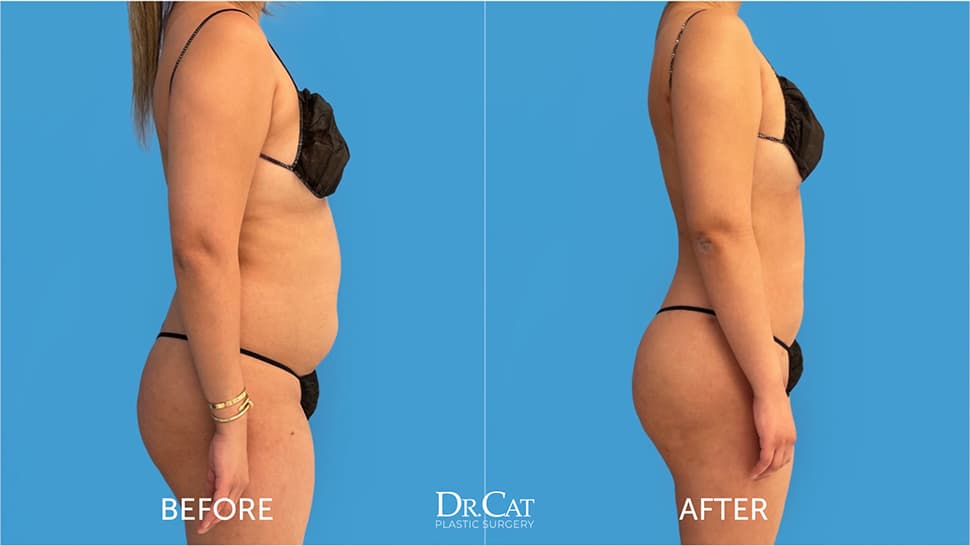
A common mistake in financial planning for elective surgery is failing to account for the “soft costs” that occur before and after the day of the procedure. These expenses can add 10% to 15% to the total budget.
Pre-Operative Testing and Clearances
Before a surgeon will agree to operate, they require a battery of tests to ensure the patient is a fit candidate. This may include blood work, EKGs, and consultations with primary care physicians. While some of these might be covered by standard health insurance, many providers will not cover diagnostics specifically labeled for “elective cosmetic clearance,” meaning the patient must pay the laboratory fees directly.
Post-Operative Supplies and Maintenance
The weeks following liposuction require specialized care items. Compression garments, which are essential for reducing swelling and ensuring the skin adheres correctly to the new contours, can cost between $100 and $300 each, and most patients need at least two. Additionally, there are costs for prescription painkillers, antibiotics, and anti-inflammatory medications. Some patients also opt for professional lymphatic drainage massages to accelerate recovery, which can cost $100 to $150 per session, with multiple sessions recommended.
The Cost of Opportunity: Lost Wages
Perhaps the most overlooked financial factor is the loss of income during the recovery period. Liposuction, especially when involving multiple areas, usually requires five to ten days of downtime. For salaried employees with paid time off (PTO), this is less of a concern. However, for freelancers, business owners, and hourly workers, the “cost of lipo” must include the value of the work they are unable to perform during their recovery window.
Strategic Financial Planning: Paying for the Procedure
Because liposuction is an elective cosmetic procedure, it is almost never covered by traditional health insurance. This leaves patients with several financing vehicles to consider, each with its own set of economic implications.
Medical Credit Cards and Installment Loans
Services like CareCredit or Alphaeon are popular in the cosmetic industry. These companies offer credit lines specifically for healthcare costs. From a financial management perspective, these can be a “double-edged sword.” Many offer 0% APR promotional periods (e.g., 6 or 12 months). If the balance is paid in full within that window, it is essentially a free loan. However, if a single dollar remains after the period ends, interest is often back-dated to the original purchase date at rates exceeding 25%.
Health Savings Accounts (HSA) and Flexible Spending Accounts (FSA)
A frequent question in the money niche is whether HSAs or FSAs can be used for liposuction. Generally, the IRS prohibits using tax-advantaged funds for procedures that are “purely cosmetic.” However, if the liposuction is part of a reconstructive effort (such as treating lipedema or following a separate medically necessary surgery), it may qualify. Navigating this requires a Letter of Medical Necessity from a physician and careful consultation with a tax professional to avoid penalties.
Cash Flow and Direct Savings
The most fiscally sound way to approach the cost of lipo is through a dedicated “sinking fund.” By treating the surgery as a long-term savings goal, patients avoid the high interest rates associated with medical debt. Utilizing high-yield savings accounts (HYSAs) to house these funds allows the patient to earn interest while they wait for their surgery date, effectively lowering the net cost of the procedure.
The Cost-Benefit Analysis: Longevity and Value Retention
In any significant investment, one must weigh the initial cost against the expected return on investment (ROI). While the ROI of liposuction is largely psychological and aesthetic, there are tangible ways to view it through a financial lens.
Longevity of Results
Liposuction permanently removes fat cells. If the patient maintains a stable weight, the results can last a lifetime. In this sense, the cost of liposuction can be “amortized” over decades. A $6,000 procedure that lasts 20 years costs roughly $25 a month—comparable to a gym membership or a minor subscription service.
Avoiding the “Sunk Cost” Trap
To protect the investment, patients must commit to a lifestyle that maintains the results. Failing to adhere to a healthy diet and exercise regimen after the surgery is essentially “wasting capital.” If weight is regained, the aesthetic value of the surgery diminishes, leading to a poor return on the initial expenditure. Conversely, for many, the high price tag of the surgery serves as a “financial commitment” that motivates them to stick to a healthier lifestyle, potentially lowering long-term healthcare costs related to weight-managed conditions.

Professional and Social Capital
While difficult to quantify, many individuals report an increase in self-confidence that translates into professional assertiveness and improved social interactions. In competitive industries where personal branding and presence are valued, the “emotional wealth” generated by the procedure can have an indirect positive impact on one’s career trajectory and earning potential.
In conclusion, the cost of lipo is not a static figure but a dynamic sum of surgical expertise, geographical logistics, and post-operative management. By treating the procedure as a strategic financial move—accounting for both direct and indirect costs—individuals can make informed decisions that align with their broader personal finance goals. Understanding the market, avoiding the pitfalls of high-interest debt, and protecting the investment through lifestyle maintenance are the keys to ensuring that the financial cost of liposuction yields a satisfying and enduring return.
aViewFromTheCave is a participant in the Amazon Services LLC Associates Program, an affiliate advertising program designed to provide a means for sites to earn advertising fees by advertising and linking to Amazon.com. Amazon, the Amazon logo, AmazonSupply, and the AmazonSupply logo are trademarks of Amazon.com, Inc. or its affiliates. As an Amazon Associate we earn affiliate commissions from qualifying purchases.