
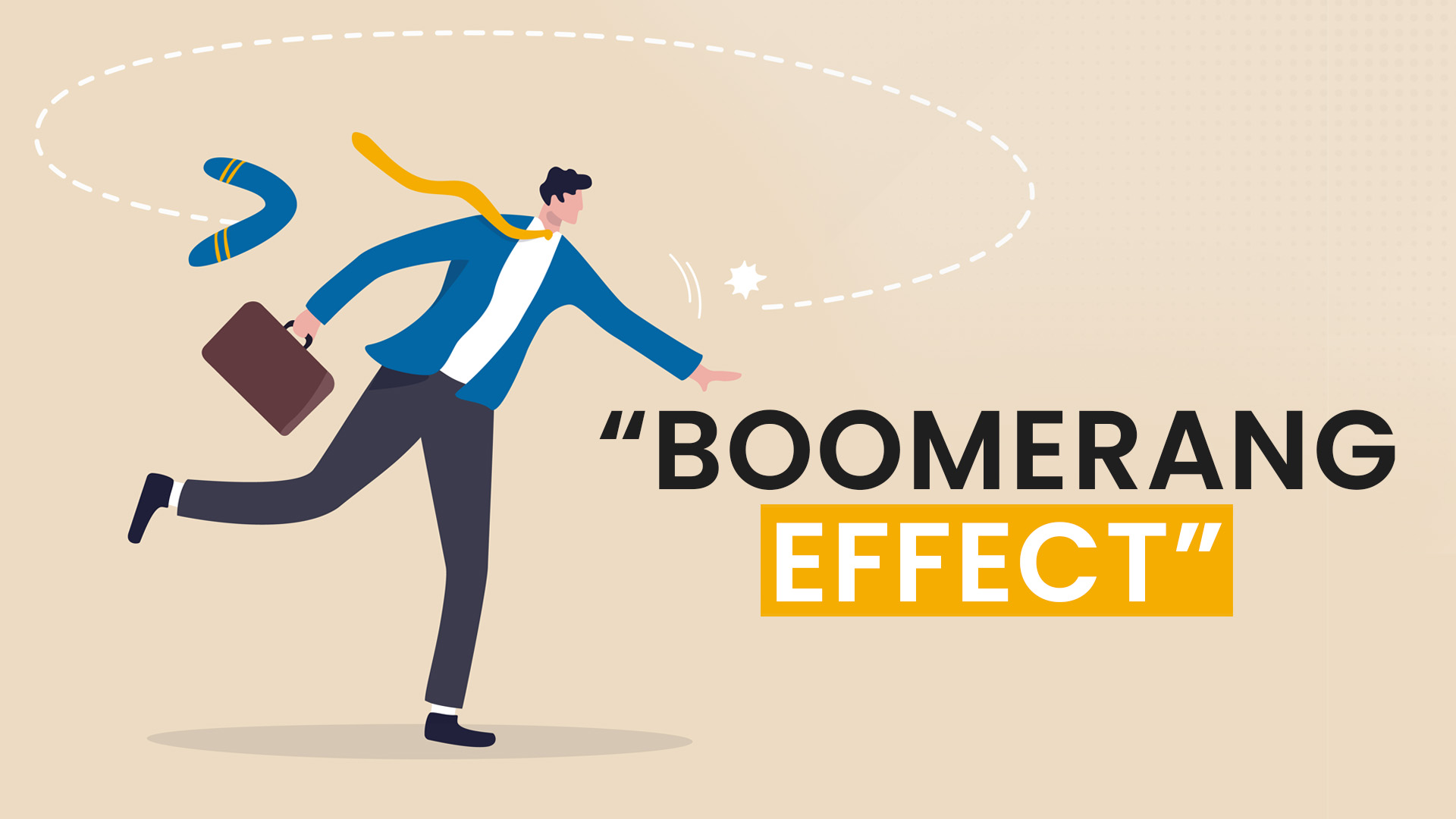
In the hyper-competitive landscape of modern marketing and brand strategy, the ultimate goal is persuasion. Brands invest billions of dollars annually into sophisticated campaigns designed to influence consumer behavior, shift perceptions, and drive conversions. However, there is a psychological phenomenon that keeps brand managers and CMOs awake at night: the Boomerang Effect.
The Boomerang Effect occurs when a strategic attempt to persuade an audience results in the exact opposite of the intended outcome. Instead of moving closer to the brand’s desired position, the consumer retreats, often adopting a stance that is more hostile toward the brand than before the communication took place. In the context of brand strategy, this is not merely a failed campaign; it is a tactical backfire that can erode brand equity, destroy trust, and alienate loyal customer bases.

Understanding why this happens and how to navigate the thin line between influence and intrusion is essential for any brand looking to maintain a positive corporate identity in an era of heightened consumer skepticism.
Understanding the Psychological Roots in Brand Strategy
To manage a brand effectively, one must understand the psychological mechanics of the audience. The Boomerang Effect is deeply rooted in what psychologists call “Psychological Reactance Theory.” Developed by Jack Brehm in the 1960s, this theory posits that when individuals feel their freedom of choice is being threatened or restricted, they experience an unpleasant emotional state (reactance). To regain their sense of autonomy, they often perform the forbidden behavior or reject the source of the pressure entirely.
Reactance Theory and the Loss of Autonomy
In branding, autonomy is everything. Modern consumers view their purchasing decisions as expressions of their identity. When a brand’s messaging becomes too forceful, aggressive, or “preachy,” the consumer perceives an attempt at manipulation. This triggers a defensive mechanism. If a brand insists that a consumer must believe a certain value or must buy a product to belong, the consumer’s natural response is to reassert their independence by doing the opposite.
For instance, a brand that pivots too hard into aggressive social advocacy without an authentic foundation may find that its audience reacts by boycotting the product—not necessarily because they disagree with the cause, but because they resent being told how to think by a corporate entity.
When Persuasion Becomes Intrusive
There is a fundamental difference between being helpful and being intrusive. In the digital age, the line is thinner than ever. A brand that uses retargeting ads too frequently or sends multiple “abandoned cart” emails within a single hour isn’t being “persuasive”—it is being suffocating. The Boomerang Effect manifests here as “ad fatigue” and eventually “brand resentment.” The consumer goes from considering a purchase to actively disliking the brand because the brand didn’t respect the consumer’s space.
Common Triggers of the Boomerang Effect in Modern Marketing
In the pursuit of market share, brands often lean into tactics that seem effective on paper but fail to account for the human element. Several specific triggers can turn a well-intentioned brand strategy into a boomerang of negative sentiment.
Hyper-Personalization vs. Privacy Invasion
Data-driven marketing allows brands to speak directly to consumer needs. However, there is a “uncanny valley” of personalization. When a brand reveals too much about what it knows regarding a consumer’s private habits, the Boomerang Effect kicks in. Instead of feeling “seen,” the consumer feels “watched.” This leads to a breakdown in brand trust. The strategic intent was to create relevance; the outcome is the consumer deleting the app or unsubscribing from the service to regain their privacy.
Social Posturing and Inauthentic Brand Activism
One of the most common causes of the Boomerang Effect today is “virtue signaling” or inauthentic brand activism. Consumers, particularly Gen Z and Millennials, are highly sensitive to corporate hypocrisy. When a brand adopts a social cause primarily as a marketing hook—without backing it up with internal policies or long-term commitment—the audience perceives it as a cynical cash grab.
The backlash (the boomerang) is often far more damaging than if the brand had remained silent. The brand is not only ignored; it is actively mocked and deconstructed on social media, leading to a lasting stain on its corporate identity.
Aggressive Scarcity and FOMO Tactics
The “Fear Of Missing Out” (FOMO) is a powerful psychological trigger, but when overused, it becomes a liability. Brands that constantly use countdown timers, “only 1 left” notifications (when there are clearly many), or perpetual “last chance” sales eventually lose all credibility. When consumers realize the scarcity is manufactured, the Boomerang Effect occurs. They stop believing the brand’s claims, wait for deeper discounts that never come, or move to a competitor that offers a more transparent pricing structure.
Case Studies: When Brands Pushed Too Hard
Analyzing real-world scenarios where brands have experienced the Boomerang Effect provides valuable insights into how to avoid these pitfalls.
High-Pressure Sales Models and Brand Erosion
Consider the traditional high-pressure sales environments often found in the fitness or automotive industries. For years, the strategy was to trap the consumer in a room until they signed a contract. While this yielded short-term conversions, it created a massive Boomerang Effect for the industry’s reputation. This paved the way for “disruptor” brands like Peloton or Tesla, which gained massive market share by offering the exact opposite: a low-pressure, transparent, and self-directed buying experience. The traditional brands pushed so hard they pushed the customer right into the arms of the competition.
The Backlash of Corporate Rebranding
Rebranding is often a necessary step for growth, but if a brand attempts to force a new identity that contradicts its heritage or its customers’ values, the Boomerang Effect is inevitable. A classic example is when a luxury brand tries to “go young” by adopting streetwear aesthetics in a way that feels forced. Instead of attracting a younger demographic, they alienate their high-net-worth loyalists who feel the brand has lost its prestige, while the younger demographic mocks the brand for being “cringe.” The attempt to expand the brand’s reach ends up shrinking its core.
Strategic Countermeasures: Building Trust Without Force
To avoid the Boomerang Effect, brand strategy must shift from a model of “capture and convert” to one of “attract and empower.” The goal is to influence the consumer while making them feel that the decision was entirely theirs.
Embracing Transparency and Choice
One of the most effective ways to neutralize reactance is to offer the consumer a choice. Instead of a singular, aggressive Call to Action (CTA), give the consumer options. Subscription models that allow users to “skip a month” or opt-out of specific marketing categories (like Mother’s Day or Father’s Day emails) build immense brand loyalty. By giving the consumer the power to say “no,” the brand makes it much more likely that the consumer will eventually say “yes.”
The Power of Subtle Influence (The Nudge)
Behavioral economics teaches us about the “nudge”—a way of designing choices that lead people toward a desired behavior without forbidding any options or significantly changing their economic incentives. In branding, this means creating a seamless, helpful user experience rather than a series of hurdles. A brand that provides genuine value—through educational content, high-quality design, and intuitive interfaces—influences the consumer’s perception through positive association rather than direct pressure.
Value-First Content Marketing
Content marketing is the antithesis of the Boomerang Effect when done correctly. By providing the consumer with information, entertainment, or utility before asking for a sale, the brand builds a “favor bank.” When the time comes to make a purchase, the consumer doesn’t feel pressured; they feel like they are rewarding a brand that has already helped them. This “reciprocity principle” is a powerful tool in brand strategy that avoids the pitfalls of reactance.
Balancing Persuasion and Respect
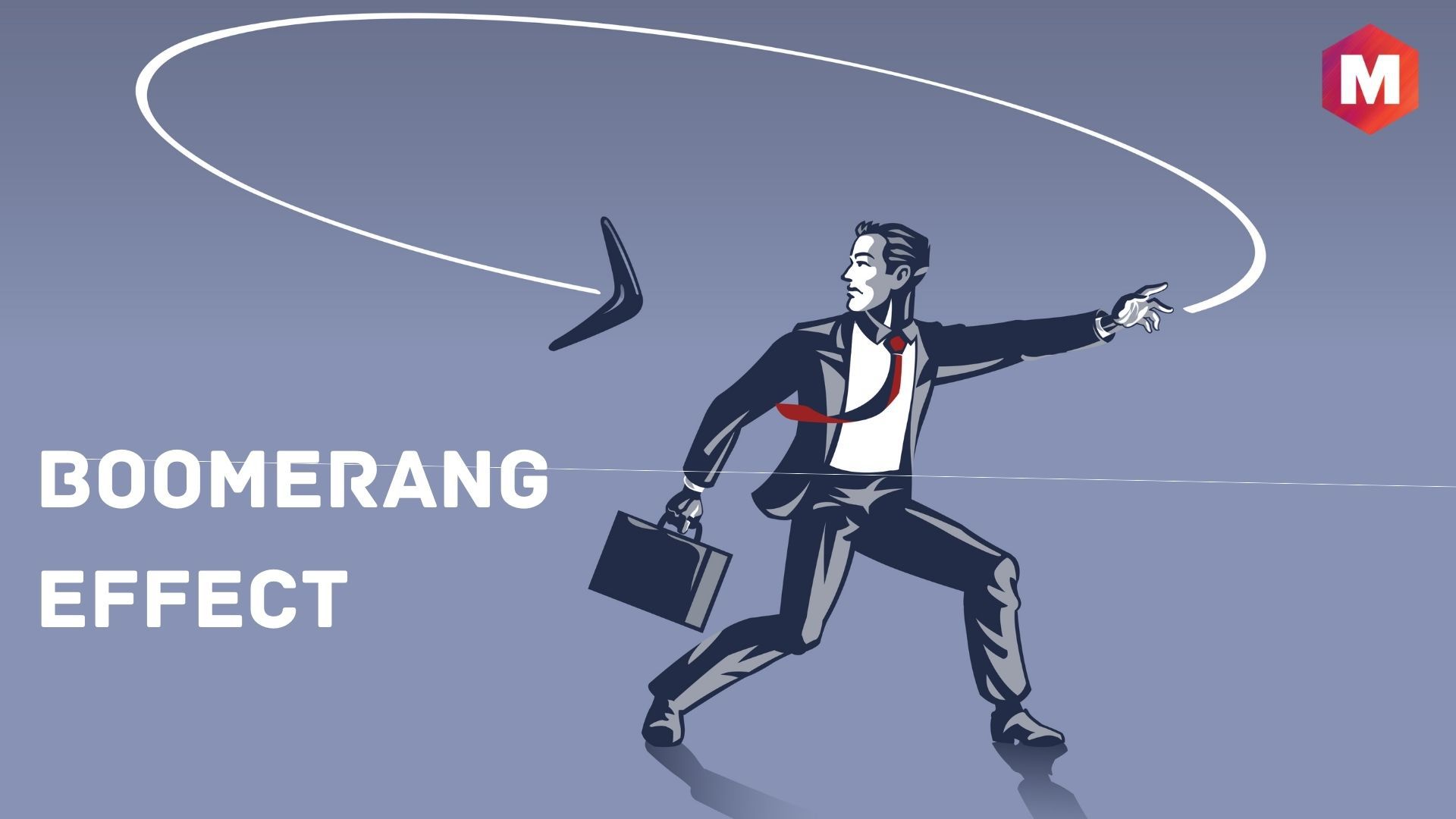
The Boomerang Effect serves as a vital reminder that in the world of branding, the consumer always holds the ultimate power. A brand is not what the company says it is; it is what the consumer feels it is. When marketing efforts become too heavy-handed, they stop being a bridge to the consumer and start being a wall.
Effective brand strategy requires a high degree of emotional intelligence. It requires the ability to step into the consumer’s shoes and ask: “Does this message make me feel empowered or manipulated?” By prioritizing authenticity, respecting consumer autonomy, and focusing on long-term relationship building over short-term conversion hacks, brands can ensure that their message doesn’t just fly out into the world—but that it lands exactly where it was intended, without coming back to strike the sender.
In a digital landscape cluttered with noise and aggression, the brands that master the art of “soft power” are the ones that will ultimately win the loyalty of the modern, skeptical consumer. Avoiding the Boomerang Effect isn’t just about toning down the sales pitch; it’s about redefining the relationship between brand and buyer as a partnership based on mutual respect.
aViewFromTheCave is a participant in the Amazon Services LLC Associates Program, an affiliate advertising program designed to provide a means for sites to earn advertising fees by advertising and linking to Amazon.com. Amazon, the Amazon logo, AmazonSupply, and the AmazonSupply logo are trademarks of Amazon.com, Inc. or its affiliates. As an Amazon Associate we earn affiliate commissions from qualifying purchases.