
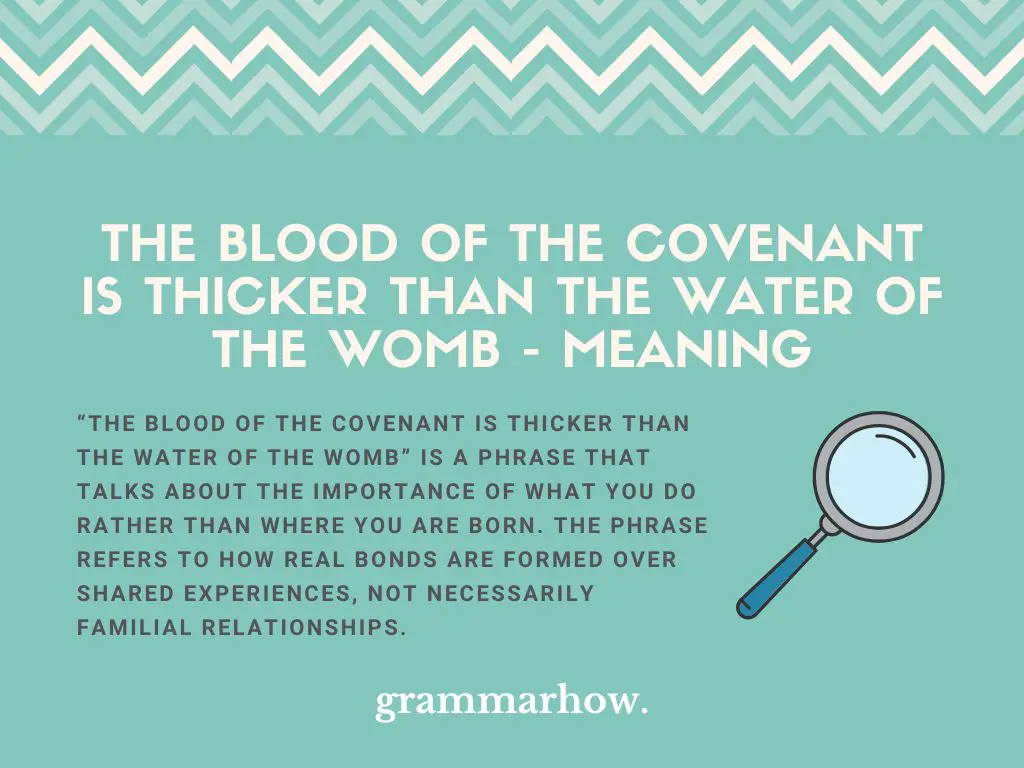
In the modern marketplace, the relationship between a business and its customer base has undergone a radical transformation. No longer is it sufficient to rely on a mere transactional exchange—product for currency. Today’s most successful organizations understand that the most resilient form of brand equity is built upon a “covenant.” While the term often evokes ancient historical or theological imagery, in the context of brand strategy, the “blood of the covenant” represents the life force of inescapable loyalty: a bond forged through shared values, mutual sacrifice, and a deep, psychological commitment that transcends the product itself.

In a world where consumers are inundated with choices and digital noise, a brand covenant acts as a stabilizing force. It is the intangible element that prevents a customer from switching to a cheaper competitor. It is the “blood” that makes a brand feel like family. To understand how to cultivate this level of engagement, we must examine the architecture of brand strategy through the lens of identity, community, and radical consistency.
The Anatomy of a Brand Covenant
To define the blood of the covenant within brand strategy, we must first distinguish it from a traditional brand contract. A contract is a legal and transactional agreement: “I provide this service; you pay this fee.” If the service fails, the contract is void. A covenant, however, is a relational identity. It is an agreement that says, “We belong to the same tribe, and we believe in the same future.”
From Transactional to Relational
The shift from a transactional model to a relational one is the first step in creating a brand covenant. Transactional brands focus on features and benefits—the “what” and the “how.” Relational brands focus on the “why.” When a brand communicates its purpose effectively, it invites the consumer into a shared narrative. This narrative becomes the “blood” or the vital essence that connects the two entities.
In this framework, the product is merely the physical manifestation of the brand’s promise. For example, a luxury automotive brand is not selling an engine and four wheels; it is selling an entry point into a legacy of craftsmanship and social status. The “covenant” is the unspoken agreement that the brand will continue to uphold these standards, and the consumer will continue to invest their identity—and their capital—in that legacy.
The Psychology of the Sacred Bond
Psychologically, human beings are hardwired for belonging. We seek out groups that reflect our self-image. A brand that masters the “blood of the covenant” taps into this primal need. It creates a “sacred bond” where the consumer feels that abandoning the brand would be a betrayal of their own values.
This is often seen in “cult brands.” These organizations don’t just have customers; they have devotees. The psychological commitment is so deep that the community itself begins to police the brand’s identity. When a brand deviates from its core promise, the community reacts not with the indifference of a buyer, but with the passion of a stakeholder. This level of engagement is the ultimate goal of high-level brand strategy.
Shared Values: The DNA of the Covenant
The blood of any covenant is the shared values that flow between the brand and its audience. Without a foundation of shared belief, a brand is nothing more than a commodity. To move beyond commodity status, a brand must identify its core pillars and communicate them with unwavering clarity.
Authenticity as a Non-Negotiable
In the digital age, authenticity is the currency of trust. A brand covenant cannot be faked. Consumers possess a sophisticated “radar” for corporate insincerity. If a brand claims to value environmental sustainability but operates with a carbon-heavy supply chain, the covenant is poisoned.
Authenticity requires a brand to align its internal culture with its external marketing. The blood of the covenant must flow through every department—from HR and manufacturing to customer service and executive leadership. When a brand’s actions consistently mirror its stated values, it reinforces the bond with the consumer, proving that the covenant is based on reality rather than rhetoric.
Narrative and Myth-Making in Corporate Identity
Every great brand is built on a mythos. This isn’t to say that the story is false, but rather that it is legendary. Think of the “garage start-up” stories of Silicon Valley or the “heritage of the rugged outdoorsman” in apparel. These narratives provide the framework for the covenant.
Myth-making allows a brand to transcend its category. A coffee company becomes a “third place” for community connection; a tech company becomes a tool for “challenging the status quo.” By weaving a compelling narrative, a brand provides its customers with a story they can tell about themselves. When a customer buys into the brand, they are buying a chapter of that story, further binding them to the organization’s mission.

The Rituals of Community: Nurturing the Bond
Covenants are maintained through rituals. In brand strategy, rituals are the repeated touchpoints and experiences that reinforce the customer’s sense of belonging. If the values are the DNA, then the rituals are the heartbeat that keeps the blood moving.
Creating Exclusive Experiences
Exclusivity is a powerful tool for strengthening a brand covenant. This doesn’t necessarily mean high price points; rather, it refers to an “insider” status. Whether it’s a loyalty program that offers early access to new releases, a private online forum for users, or invitation-only events, these experiences make the consumer feel like a partner rather than a target.
These rituals serve to validate the customer’s choice. Every time they participate in a brand-specific ritual, they are recommitting to the covenant. This creates a feedback loop of engagement that makes it increasingly difficult for a competitor to intervene. The brand becomes integrated into the customer’s lifestyle and social circle.
Empowering the Brand Advocate
The most potent form of marketing is word-of-mouth, but within the context of a covenant, this becomes “advocacy.” A brand advocate is someone who defends the brand in public forums, recruits new members into the fold, and provides honest, constructive feedback.
Empowering these individuals is essential. Strategic brands identify their most loyal “covenant-keepers” and give them the tools to spread the message. This might involve user-generated content campaigns, ambassador programs, or simply providing exceptional service that turns a standard transaction into a story worth telling. When the community takes ownership of the brand’s growth, the “blood of the covenant” has achieved its most powerful state.
When the Covenant Breaks: Managing Crisis and Trust
The metaphor of “blood” implies that the bond is life-giving, but it also suggests that a breach can be fatal. In brand strategy, a broken covenant is far more damaging than a simple service failure. It is a violation of trust that can lead to permanent brand devaluations.
The High Cost of Betrayal
When a brand violates its core values, it bleeds equity. If a brand built on “privacy and security” suffers a preventable data leak due to negligence, the covenant is shattered. The customer feels a sense of personal betrayal because they invested their trust in the brand’s promise.
The fallout from a broken covenant is often characterized by vocal public backlash and a rapid exodus of the most loyal customers. Recovering from such a crisis requires more than a PR campaign; it requires a “sacrificial” act—a demonstration that the brand is willing to suffer a short-term loss to restore the integrity of the long-term bond.
Rebuilding through Radical Transparency
To mend a broken covenant, a brand must return to its foundation. This involves radical transparency: admitting the failure without excuses, identifying the root cause, and demonstrating a concrete path toward rectification.
The process of rebuilding trust is slow and requires consistent action over time. The brand must prove, once again, that its values are not just marketing slogans but the guiding principles of its existence. In some cases, a crisis can actually strengthen a covenant if the brand’s response is seen as exceptionally honorable and aligned with its core mission. This “trial by fire” proves the resilience of the bond and can turn a moment of weakness into a testament of character.
Conclusion: The Future of Brand Covenants
As we move further into an era of AI-driven marketing and hyper-personalization, the “blood of the covenant” will become the ultimate differentiator. Algorithms can optimize for clicks and conversions, but they cannot forge an emotional bond. Only a brand with a clear identity, a soul, and a commitment to its community can achieve true covenant status.
For brand strategists, the challenge is to move beyond the superficial. It is not enough to have a beautiful logo or a clever slogan. You must ask: What is the promise that we will never break? Who is the community we are willing to fight for? What are the values we are willing to lose money to protect? When you find the answers to those questions, you have found the blood of your covenant. And in the competitive landscape of the 21st century, that bond is the only thing that is truly inescapable.
aViewFromTheCave is a participant in the Amazon Services LLC Associates Program, an affiliate advertising program designed to provide a means for sites to earn advertising fees by advertising and linking to Amazon.com. Amazon, the Amazon logo, AmazonSupply, and the AmazonSupply logo are trademarks of Amazon.com, Inc. or its affiliates. As an Amazon Associate we earn affiliate commissions from qualifying purchases.