
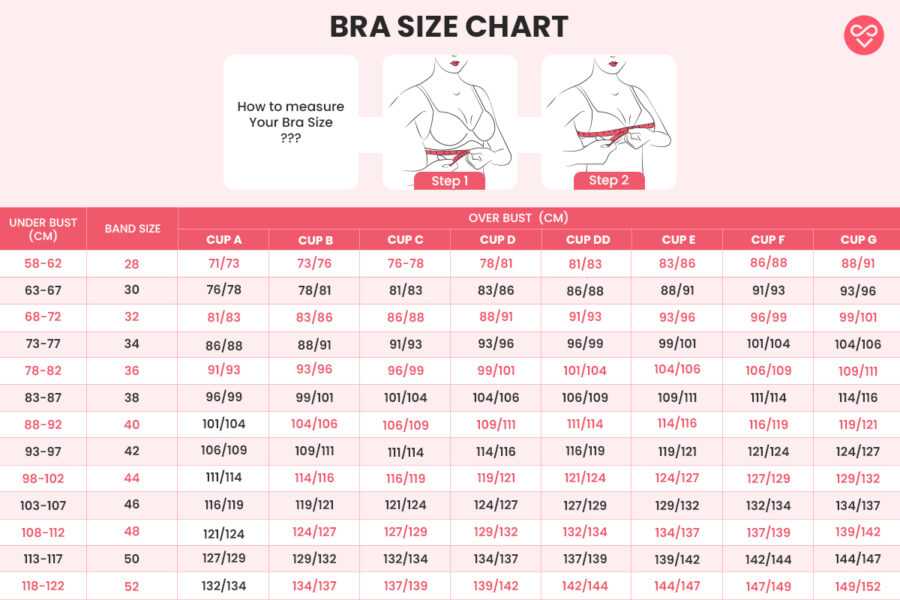
In the contemporary retail landscape, the question “What is the biggest cup size for bras?” is no longer a simple matter of inventory or manufacturing limits. It has evolved into a pivotal touchstone for brand strategy, market differentiation, and corporate identity. While the technical answer involves specific letters—ranging from the US “N” or “O” to UK “K” and beyond into custom-engineered “Z” territory—the business implications of these sizes represent a massive shift in how intimate apparel brands communicate value to their consumers.

For decades, the lingerie industry was dominated by a limited size range that served a “standardized” demographic. However, as the demand for inclusivity has transformed from a social movement into a market requirement, brands that successfully navigate the complexities of extended sizing are capturing a segment of the market that was previously ignored. Understanding the biggest cup sizes available today requires looking past the tape measure and examining the brand strategies that have turned a logistical challenge into a competitive advantage.
The Evolution of Size as a Core Brand Identity
Historically, the “biggest” cup size found in most department stores topped out at a DD or DDD. This was not due to a lack of physiological need, but rather a calculated brand decision based on manufacturing costs and the desire to maintain a specific brand aesthetic. For a long time, the “limited range” was a branding tool used to signal exclusivity and a specific type of aspirational beauty.
Breaking the “Standardized” Barrier
In the early 2000s, a handful of European and niche boutique brands recognized a significant gap in the market. They identified that a large portion of the female population was wearing the wrong size because the “right” size—often featuring cups like G, H, J, or L—simply didn’t exist in mainstream catalogs. By offering these extended sizes, brands like Bravissimo in the UK or Ewa Michalak in Poland did more than just sell products; they built a brand identity centered on “fitting the real woman.”
This strategic pivot changed the conversation. Instead of the consumer feeling they didn’t fit the brand, the brand’s identity became synonymous with technical expertise and body positivity. The “biggest” cup size became a moving target, constantly expanding as brands competed to be the most inclusive. Today, it is not uncommon to find brands offering up to a UK K cup (US O cup) as part of their regular stock, with some specialty manufacturers going even higher.
The Marketing of Inclusivity
Modern brand strategy relies heavily on the concept of “Radical Inclusivity.” For a brand to claim it is inclusive, it must do more than offer a few extra inches on a waistband. In the intimate apparel space, true inclusivity means providing the same level of support, style, and comfort in an M cup as one would in a B cup.
Brands that have mastered this, such as Savage X Fenty or ThirdLove, use their size range as a primary marketing tool. They don’t just stock these sizes; they celebrate them in their advertising. This approach builds immense brand equity among consumers who have spent years feeling marginalized by the industry. The “biggest size” becomes a symbol of the brand’s commitment to its customer base.
Scaling Brand Loyalty through Sizing Integrity
From a brand perspective, producing the biggest cup sizes is a high-risk, high-reward endeavor. The engineering required for a cup size at the end of the alphabet is vastly different from that of a standard size. This creates a unique opportunity for brands to establish a reputation for “sizing integrity”—the promise that a product will perform exactly as advertised, regardless of its dimensions.
The Technical Engineering of Brand Trust
A common pitfall for brands attempting to enter the plus-size or extended-size market is “scaling up” without re-engineering. A bra designed for a C cup cannot simply be enlarged to fit a J cup; the physics of support change entirely. Brands that invest in specialized fabrics, wider straps, and reinforced underwires are the ones that earn long-term loyalty.
When a customer finds a brand that successfully supports an L or N cup without sacrificing comfort, they are unlikely to switch to a competitor. This creates a high “switching cost” for the consumer, rooted in the difficulty of finding reliable fit elsewhere. For the brand, this translates into a high Customer Lifetime Value (CLV). The biggest cup size is thus a gateway to a fiercely loyal community.
Navigating the “Size Tax” Controversy
A major branding challenge in the extended-size market is pricing strategy. Manufacturing larger bras requires more material and more complex assembly, leading to higher production costs. However, many brands face backlash if they charge more for larger sizes—a phenomenon often referred to as the “Size Tax.”
Strategically, successful brands often choose to absorb these costs or average their pricing across all sizes. This is a branding move aimed at maintaining the perception of fairness and equality. By pricing an A cup and a K cup identically, the brand reinforces its message of inclusivity, even if the profit margin on the larger size is lower. The “loss” on the individual unit is often made up by the volume of sales and the brand’s reputation for social responsibility.
Market Disruption: How DTC Brands Redefined “Big”
The rise of Direct-to-Consumer (DTC) brands has fundamentally changed the availability of the biggest cup sizes. Without the overhead of physical retail space and the pressure of shelf-life in traditional department stores, these brands can afford to stock a much wider variety of “niche” sizes.
Data-Driven Design as a Competitive Advantage
DTC brands leverage data to understand exactly what their customers need. By using “Fit Finders” and digital quizzes, they collect massive amounts of data on body shapes and size requirements. This data often reveals that the demand for the “biggest” cup sizes is much higher than traditional retailers anticipated.
Armed with this data, brands can optimize their inventory to prioritize the sizes that are actually being requested. This data-driven approach allows them to push the boundaries of sizing, moving into cup sizes that were previously only available through custom-made orders. When a brand uses data to prove that an N cup is a viable market segment, it disrupts the entire industry’s approach to production.
Case Studies in Strategic Size Expansion
Consider the growth of brands that started specifically with the “extended size” niche. They didn’t start with standard sizes and expand; they started with the biggest sizes and worked their way down or stayed focused on the underserved. This focus allowed them to own the “authority” position in the market.
When a brand is seen as the authority on large cup sizes, it doesn’t just attract customers in those sizes—it attracts a halo effect. Consumers perceive the brand as being more knowledgeable about anatomy and support in general, which boosts sales across all size categories.
The Future of Brand Inclusivity: Beyond the Alphabet
As we look toward the future, the question of “what is the biggest cup size” will likely become less about the alphabet and more about customization. We are entering an era of “bespoke branding,” where technology allows for a more personalized approach to sizing.
3D Scanning and Mass Customization
Technology is currently being developed that allows customers to scan their bodies using a smartphone to create a 3D model. This information can then be used to manufacture a bra that is tailored to their specific measurements, effectively making the concept of “cup size” obsolete.
For a brand, being an early adopter of this technology is a powerful statement. It moves the brand away from the constraints of the traditional manufacturing alphabet and toward a “limitless” sizing model. In this scenario, the biggest cup size is simply whatever the customer needs it to be. This ultimate form of inclusivity is the next frontier for brand strategy in the apparel industry.

Ethical Brand Identity and the Extended Range
Finally, the push for larger cup sizes is inextricably linked to a brand’s ethical identity. Consumers are increasingly making purchasing decisions based on a company’s values. A brand that offers a vast range of sizes—including the biggest cup sizes available—is seen as more ethical, more empathetic, and more progressive.
In conclusion, the biggest cup sizes for bras—reaching into the high teens of the alphabet in US sizing—are more than just products. They are strategic assets. By mastering the engineering, marketing, and ethical implications of extended sizing, brands can move beyond the “standard” market and capture a loyal, growing, and previously underserved demographic. In the battle for market share, the brands that can answer the question “how big do you go?” with “as big as you need” are the ones that will define the future of the industry.
aViewFromTheCave is a participant in the Amazon Services LLC Associates Program, an affiliate advertising program designed to provide a means for sites to earn advertising fees by advertising and linking to Amazon.com. Amazon, the Amazon logo, AmazonSupply, and the AmazonSupply logo are trademarks of Amazon.com, Inc. or its affiliates. As an Amazon Associate we earn affiliate commissions from qualifying purchases.