
Hawaii is often envisioned as a tropical paradise, a destination defined by its breathtaking landscapes, vibrant culture, and relaxed pace of life. However, for those considering moving to the islands or professionals looking to benchmark their earnings, the financial reality of living in the 50th state is complex. Navigating the Hawaiian economy requires a deep understanding of more than just a single number; it requires an analysis of the average salary, the “Paradise Tax,” and the unique economic drivers that dictate purchasing power in the middle of the Pacific.

To understand the financial landscape of Hawaii, one must look at both the raw data and the socio-economic context. While the average salary may appear competitive when compared to many mainland states, the high cost of living creates a unique set of challenges for personal finance management and wealth building.
Understanding the Current Salary Landscape in Hawaii
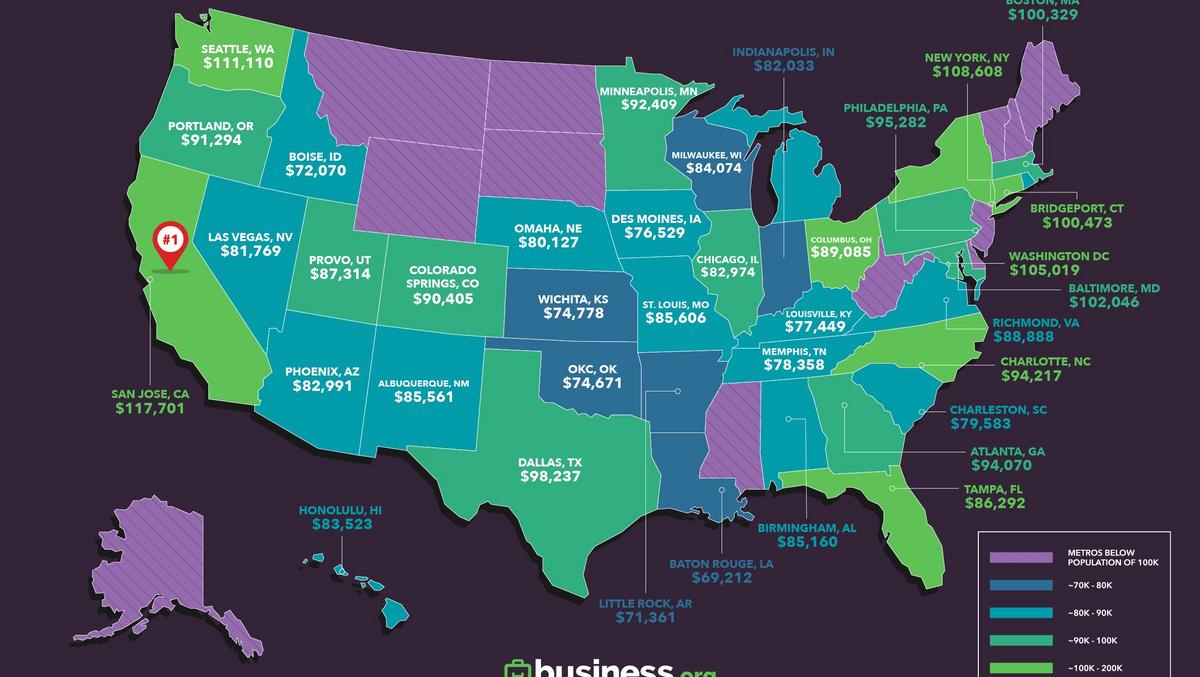
According to recent data from the U.S. Bureau of Labor Statistics (BLS) and various state-level economic departments, the average annual salary in Hawaii typically hovers between $61,000 and $65,000. However, the “average” can be a misleading metric when dealing with the significant wealth gaps and the diverse range of industries present in the islands. To get a clearer picture, it is often more useful to look at the median household income, which in Hawaii is approximately $88,000 to $92,000, reflecting the fact that many households are supported by multiple earners.
Key Statistics and Benchmarks
The distribution of wages in Hawaii is heavily skewed toward specific sectors. While the mean wage provides a baseline, the median wage—the point at which half of the population earns more and half earns less—often sits closer to $52,000 for individual workers. This discrepancy highlights a concentration of high earners in specialized fields such as healthcare and engineering, contrasted with a large workforce in the hospitality and service sectors where wages are traditionally lower.
In the City and County of Honolulu, which encompasses the island of Oahu and the majority of the state’s economic activity, salaries tend to be higher than on the “Neighbor Islands” (Maui, Kauai, and the Big Island). However, the increased wages on Oahu are almost entirely offset by higher housing costs and urban expenses.
Factors Influencing Local Wages
Several unique factors influence how much Hawaii employers pay. The most prominent is the high cost of doing business. From shipping costs for supplies to some of the highest commercial electricity rates in the nation, businesses in Hawaii face significant overhead. This often limits their ability to offer mainland-competitive salaries for entry-level and mid-tier roles.
Furthermore, the “loyalty to local” and the internal labor market play roles. Many residents prioritize staying in Hawaii to be near family (“ohana”), which can lead to a phenomenon where workers accept lower wages than they might earn on the mainland just to remain in the islands—a factor often referred to by economists as a “lifestyle discount.”
Cost of Living vs. Income: The “Paradise Tax” Reality
In personal finance, the absolute number of your salary is less important than your “real income”—the amount of goods and services you can actually afford with that money. In Hawaii, the gap between nominal income and real income is one of the widest in the United States. This gap is colloquially known as the “Paradise Tax.”
Housing Costs and Their Impact on Net Income
Housing is the single largest expense for Hawaii residents. The median price for a single-family home on Oahu frequently exceeds $1 million, and even modest condominiums can range from $500,000 to $700,000. For renters, a one-bedroom apartment in a desirable area of Honolulu often starts at $2,200 to $2,800 per month.
When you apply the standard financial rule that housing should not exceed 30% of your gross income, a resident would need an annual salary of nearly $100,000 just to comfortably afford an average one-bedroom rental. Since the average salary is significantly lower, many residents find themselves “house poor” or forced into multi-generational living situations to share costs.
The Importance of Post-Tax Budgeting
Beyond housing, the everyday cost of living is significantly higher due to Hawaii’s reliance on imported goods. Approximately 80% to 90% of Hawaii’s food is imported, leading to grocery bills that are often 50% higher than the national average. Electricity costs are also a major factor, with rates that are typically double or triple the U.S. average due to the reliance on imported oil for power generation.

When calculating the utility of an average salary in Hawaii, one must also account for the state’s tax structure. Hawaii has a progressive income tax with one of the highest top rates in the country. Additionally, the state levies a General Excise Tax (GET) of approximately 4% to 4.5% on nearly all transactions, including groceries and services, which functions similarly to a sales tax but is more pervasive because it is applied at every level of production and distribution.
Top-Paying Industries and Career Paths in Hawaii
While the average salary may seem modest relative to expenses, there are specific sectors where professionals can command high pay and achieve significant financial stability.
Healthcare and Specialized Services
Due to an aging population and a geographic isolation that necessitates self-sufficiency in medical care, healthcare professionals are among the highest earners in the state. Surgeons, anesthesiologists, and specialized physicians frequently earn well over $250,000. Registered Nurses (RNs) in Hawaii also benefit from some of the highest salaries in the country, often exceeding $110,000 annually, bolstered by strong unions and the high demand for care across the islands.
Government and Defense Contracting
The military has a massive presence in Hawaii, particularly on Oahu. This creates a robust ecosystem for federal civil service jobs and private defense contracting. Positions in aerospace engineering, cybersecurity, and logistics for the Department of Defense often offer salaries that are adjusted for the cost of living (COLA), providing a more stable financial footing than many private-sector roles.
Tourism, Hospitality, and the Service Economy
Tourism is the engine of the Hawaii economy, but it presents a binary wage structure. While executive-level roles in hotel management and luxury resort operations offer six-figure salaries, the majority of the workforce in this sector earns closer to the state average or below. However, in the high-end service industry, gratuities can significantly boost the effective hourly rate for servers and bartenders in Waikiki or Maui’s luxury corridors, sometimes allowing these workers to outearn entry-level white-collar professionals.
Strategies for Increasing Your Earning Potential in the Islands
To thrive financially in Hawaii, relying on a single average salary is often insufficient. Many residents employ strategic financial maneuvers to bridge the gap between their earnings and the cost of living.
Remote Work and the “Digital Nomad” Shift
One of the most significant shifts in the Hawaii economy has been the rise of remote work. Professionals working for tech firms or financial institutions based in high-paying hubs like San Francisco, Seattle, or New York can live in Hawaii while maintaining “mainland” salary levels. This “geo-arbitrage” allows for a significantly higher standard of living, though it has also contributed to the rising cost of real estate as these higher earners compete for limited housing stock.
Side Hustles and Diversified Income Streams
The “side hustle” culture is deeply ingrained in Hawaii. It is common for residents to have a primary 9-to-5 job supplemented by a secondary income stream. This might include freelance consulting, operating an e-commerce store, or participating in the “gig economy” via ride-sharing or short-term rental management. Diversifying income is not just about wealth accumulation in Hawaii; for many, it is a necessary strategy for financial resilience.
Financial Planning for Living in Hawaii
Thriving on an average salary in Hawaii requires meticulous financial planning and a departure from standard mainland budgeting assumptions.
Tax Considerations (GET and State Income Tax)
Financial tools and calculators often overlook the impact of the General Excise Tax (GET). Because the GET is levied on the business rather than the consumer (though it is almost always passed on), it is baked into the price of everything from a gallon of milk to a lawyer’s hourly fee. Residents must budget for a higher “effective tax rate” than their income tax bracket suggests. Maximizing contributions to tax-advantaged accounts like 401(k)s or IRAs is essential to lower taxable income in a high-tax state.
Long-term Wealth Building in a High-Cost Area
Investing in real estate has traditionally been the primary vehicle for wealth building in Hawaii. Despite the high entry price, the scarcity of land has historically led to strong appreciation. However, for those priced out of the local market, investing in liquid assets—stocks, bonds, and low-cost index funds—is vital. Because the cost of living absorbs so much of a standard paycheck, residents must be disciplined about “paying themselves first” to ensure that the beauty of their surroundings doesn’t mask a lack of retirement readiness.
Ultimately, while the average salary in Hawaii reflects the challenges of an isolated island economy, it does not tell the whole story. Success in the Aloha State is defined by a combination of career choice, aggressive financial management, and an understanding of the unique economic forces at play. For those who can balance the books, the reward is a life in one of the most unique and beautiful environments on Earth.
aViewFromTheCave is a participant in the Amazon Services LLC Associates Program, an affiliate advertising program designed to provide a means for sites to earn advertising fees by advertising and linking to Amazon.com. Amazon, the Amazon logo, AmazonSupply, and the AmazonSupply logo are trademarks of Amazon.com, Inc. or its affiliates. As an Amazon Associate we earn affiliate commissions from qualifying purchases.