
In the global spirits industry, the question of what constitutes the alcohol content of rum is far more than a matter of chemical composition or consumer preference; it is a fundamental driver of fiscal policy, market positioning, and investment potential. For the astute investor or business analyst, the alcohol by volume (ABV) of a spirit represents a critical data point that dictates everything from excise tax liabilities to the logistical costs of international distribution. As the rum market moves toward a projected valuation of over $20 billion by the late 2020s, understanding the financial architecture behind “proof” is essential for navigating this complex asset class.
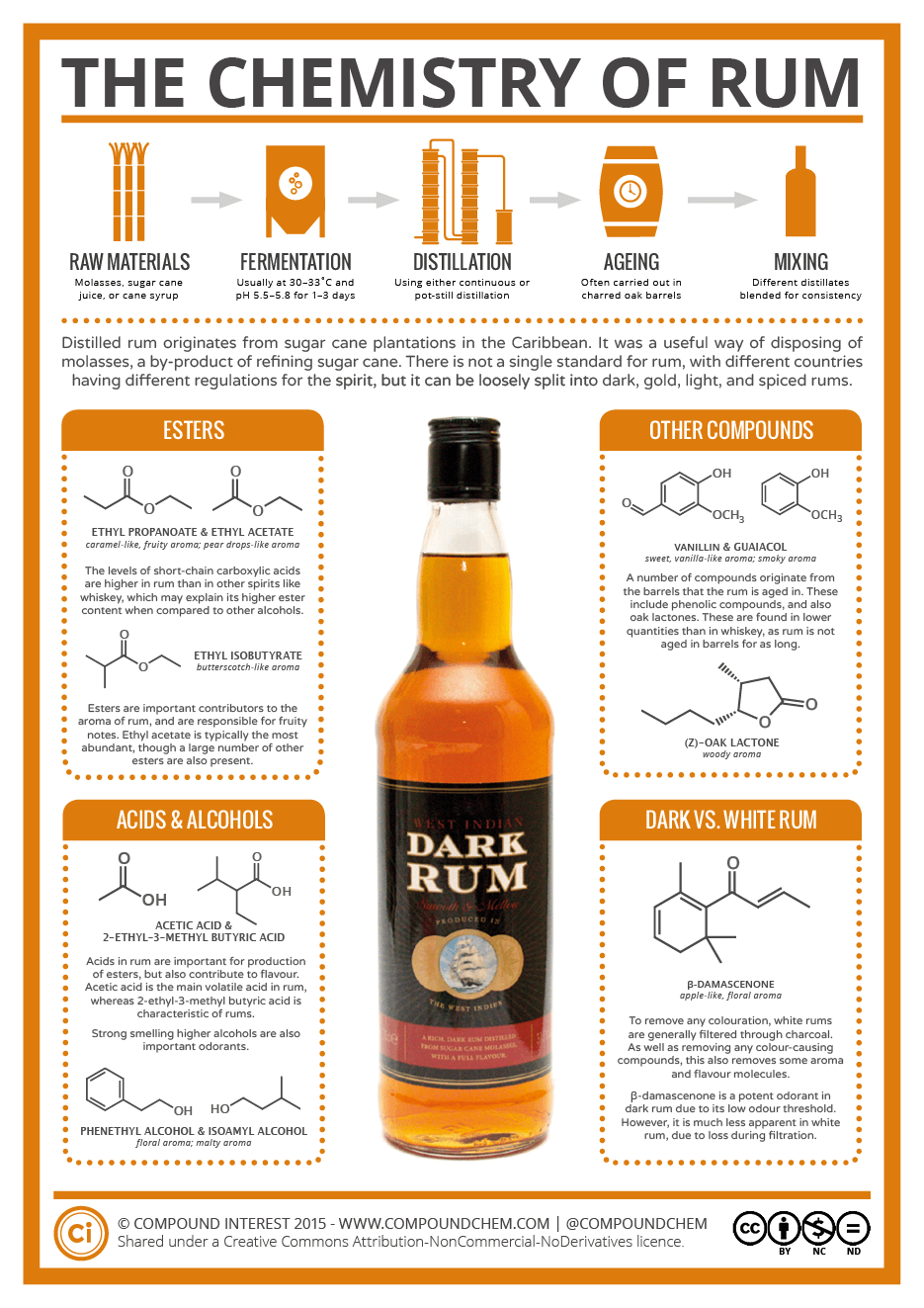
Traditionally, rum is defined by its distillation from sugarcane byproducts, such as molasses or honey, or directly from sugarcane juice. However, from a financial perspective, the most significant differentiator is the ABV, which typically ranges from 37.5% to 75.5% (75 to 151 proof). These percentages are not arbitrary; they are strategic markers used by distilleries to segment the market, manage production costs, and optimize profit margins in a highly regulated global economy.
The Fiscal Architecture of ABV: Taxation, Regulation, and Bottom Lines
The most immediate impact of alcohol content on the business of rum is found in the excise tax structures of sovereign nations. In most jurisdictions, including the United States and the European Union, alcohol is taxed based on its volume of pure ethanol rather than the total volume of the liquid. This creates a direct correlation between the ABV of a product and its tax burden, significantly influencing the retail price point and the manufacturer’s net margin.
The 40% ABV Benchmark
For many large-scale producers, 40% ABV (80 proof) serves as the “golden ratio” for commercial viability. This level allows the brand to maintain the “spirit” designation required by law in most major markets while minimizing the tax footprint per bottle. When a distillery chooses to release a rum at 40% rather than 43% or 45%, they are effectively reducing their tax liability by several percentage points. Over millions of cases, this decision results in tens of millions of dollars in saved excise duties. This is why most “standard” or “well” rums found in retail environments adhere strictly to this limit; it is a calculated move to capture the widest possible consumer base at a competitive price point while preserving operational capital.
Overproof Rums and the Logic of High-Volume Spirits
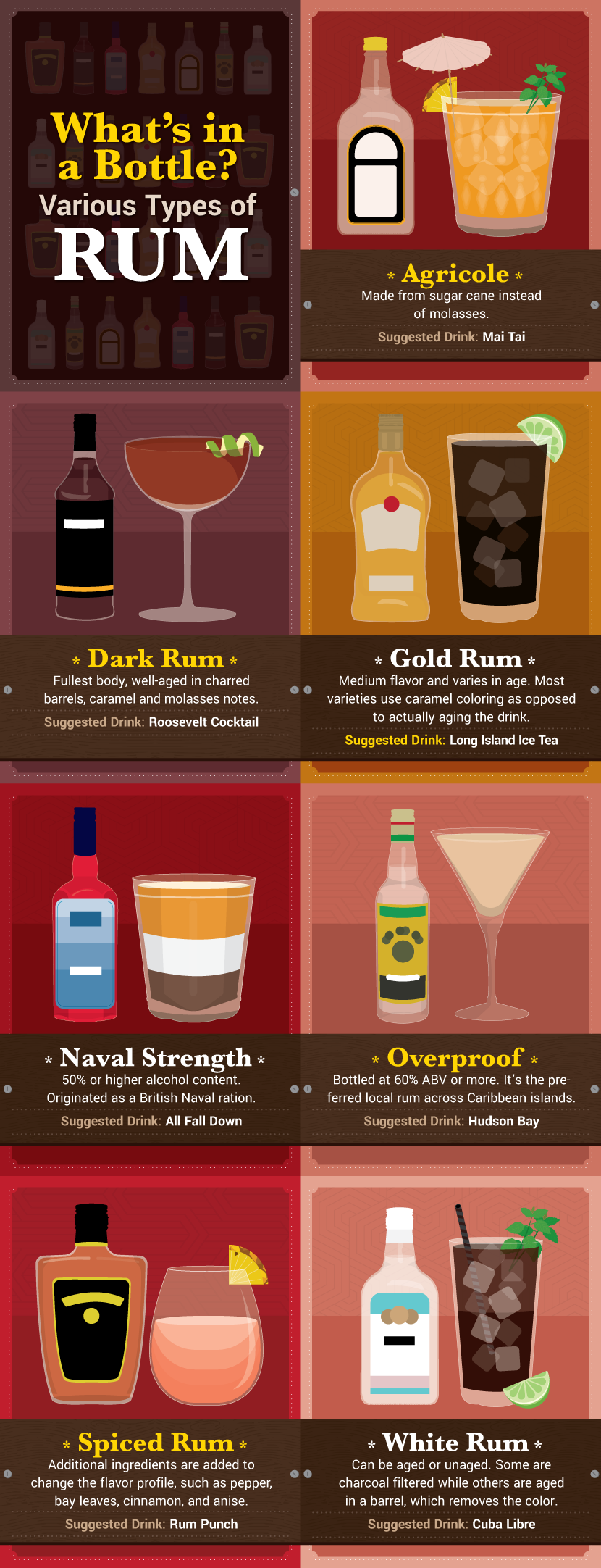
At the other end of the spectrum are “overproof” rums, typically defined as any rum exceeding 50% ABV, with 75.5% (151 proof) being the most iconic iteration. From a business finance perspective, overproof rum functions as a concentrated asset. While the tax per bottle is significantly higher, the utility to the consumer—particularly in the high-volume hospitality sector—is doubled. For a commercial bar or a large-scale event company, purchasing high-ABV rum can be seen as an optimization of shelf space and shipping costs. One bottle of 151-proof rum contains nearly twice the ethanol of a standard bottle, allowing for a lower “cost per unit of alcohol,” provided the tax premium does not outweigh the logistical savings.
Premiumization and the Market Value of High-Proof Spirits
The rum industry is currently undergoing a “premiumization” phase, where consumers are shifting from volume-based consumption to value-based appreciation. In this environment, the alcohol content of rum has become a symbol of quality and craft, directly impacting the brand’s equity and the premium it can command in the marketplace.
The Rise of Cask Strength Rums
In the artisanal and premium rum sectors, “Cask Strength” or “Full Proof” rums are increasingly popular. These rums are bottled exactly as they come out of the barrel, without the addition of water to dilute the ABV. These spirits often range from 55% to 65% ABV. While this increases the tax burden and reduces the number of bottles a distillery can produce from a single batch, the ROI is often significantly higher.

Investors and collectors view cask strength rums as more authentic expressions of the distillery’s terroir and craft. Consequently, these bottles can retail for five to ten times the price of standard-proof offerings. For a brand, the strategy here is to trade volume for margin. By leaning into higher alcohol content, they signal to the market that the product is an undiluted, premium asset, thereby attracting a more affluent demographic and insulating the brand from the price sensitivity of the mass market.
Brand Identity and the “High-Ester” Economy
In regions like Jamaica and Martinique, high ABV is often synonymous with high ester counts—the chemical compounds responsible for the intense aromas and flavors of the rum. For brands like Hampden Estate or Wray & Nephew, the high alcohol content is a core component of their corporate identity. From a marketing and brand strategy perspective, maintaining a high ABV protects the brand from being viewed as a commodity. It creates a “moat” around the product, where the intensity of the spirit makes it indispensable for specific cocktails and culinary applications, ensuring consistent demand regardless of market fluctuations in the broader spirits category.
Rum as an Alternative Asset: The Financial Case for Cask Strength
For the private investor, the alcohol content of rum is a primary indicator of long-term appreciation potential. In the secondary market, where rare bottles are auctioned and traded like fine art or stocks, high-ABV rums consistently outperform their diluted counterparts.
Rarity and Evaporation: The “Angels’ Share” Paradox
In tropical climates where rum is predominantly aged, the “Angels’ Share”—the amount of spirit lost to evaporation—can be as high as 6% to 10% per year. This process often naturally increases the alcohol concentration of the remaining liquid in the barrel. Consequently, a high-ABV, well-aged rum represents a highly concentrated form of value. It is the result of years of “natural selection,” where the most volatile components have vanished, leaving behind a complex, high-proof spirit. For an investor, these bottles are a hedge against inflation. Because the liquid is more concentrated, it is more chemically stable and possesses a flavor profile that cannot be replicated by younger, diluted spirits.
Case Study: The Caroni and Foursquare Effect
The secondary market for rums from closed distilleries like Caroni (Trinidad) or highly sought-after producers like Foursquare (Barbados) illustrates the “proof-to-profit” pipeline. Bottles from these distilleries that are released at “Heavy” or “Full Proof” often see an annual compound growth rate (CAGR) that exceeds traditional equity markets. A bottle released at 60% ABV is seen as a more “complete” asset than one at 40%, as it offers the collector the purest possible version of that distillery’s output. The high alcohol content acts as a preservative of both flavor and value, making it a preferred choice for long-term hold strategies.
Strategic Cost Management: The Dilution Dilemma and Global Logistics
Behind every bottle of rum is a sophisticated supply chain where ABV plays a silent but dominant role in operational efficiency. For multinational beverage corporations, managing the alcohol content is a logistical game of “weight versus value.”
Shipping Concentrates
Many global rum brands utilize a strategy of shipping rum at “distillation strength” (often 80% ABV or higher) from the Caribbean to bottling facilities in Europe or North America. By shipping at high proof, companies can move twice as much “active ingredient” in the same shipping container compared to pre-diluted rum. The water is added at the destination, just before bottling. This drastically reduces the carbon footprint and the shipping cost per liter of the final product. In an era of rising fuel costs and supply chain volatility, the ability to manipulate ABV for transport is a significant competitive advantage.
The Low-ABV Shift: A New Revenue Stream
Conversely, there is a growing trend toward “low-ABV” or “botanical” rums, typically sitting around 30% to 35% ABV. While these cannot technically be labeled as “rum” in some jurisdictions (which require a 37.5% or 40% minimum), they represent a massive opportunity for cost savings. By lowering the alcohol content, producers significantly reduce their excise tax liability while simultaneously appealing to the “sober-curious” or health-conscious consumer. This allows companies to maintain a similar retail price to standard rum while enjoying a much wider profit margin due to lower tax and ingredient costs.
In conclusion, the alcohol content of rum is far more than a percentage on a label; it is a vital economic lever. Whether it is used to optimize tax strategies, define a premium brand identity, or serve as a high-growth investment vehicle, the ABV of rum is the pulse of the industry’s financial health. For those looking to understand the spirits market from a business or financial perspective, the proof is, quite literally, in the bottle.
aViewFromTheCave is a participant in the Amazon Services LLC Associates Program, an affiliate advertising program designed to provide a means for sites to earn advertising fees by advertising and linking to Amazon.com. Amazon, the Amazon logo, AmazonSupply, and the AmazonSupply logo are trademarks of Amazon.com, Inc. or its affiliates. As an Amazon Associate we earn affiliate commissions from qualifying purchases.