
In the modern marketplace, a product’s identity is no longer defined solely by its logo, its color palette, or its catchy slogan. For contemporary consumers—particularly those in the personal care, home cleaning, and cosmetic sectors—the brand is the ingredient list. As “clean labeling” transitions from a niche trend to a global corporate standard, ingredients like tetrasodium glutamate diacetate have moved from the obscure world of chemical engineering into the spotlight of brand strategy and corporate identity.
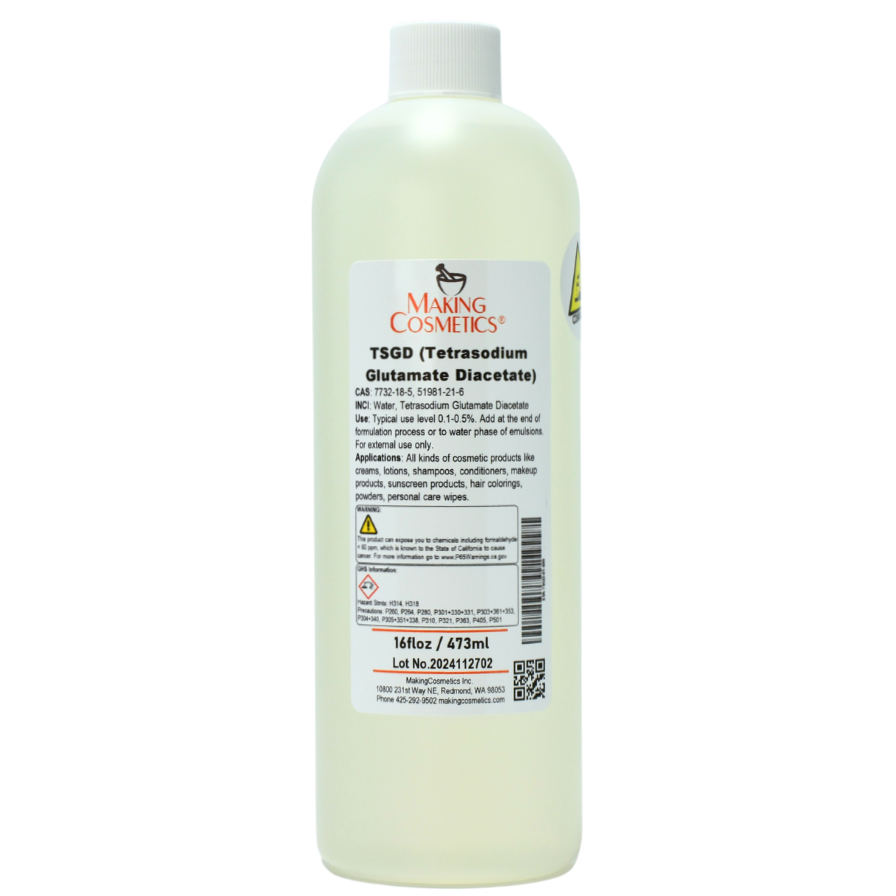
Tetrasodium glutamate diacetate (GLDA) is a high-performance, biodegradable chelating agent. While that definition satisfies a chemist, for a brand strategist, GLDA represents a pivotal tool in building trust, communicating sustainability, and navigating the complex landscape of “green” marketing. To understand what tetrasodium glutamate diacetate is, one must look beyond its molecular structure and examine its role in the narrative of modern brand management.

The New Era of Ingredient-Led Branding
The rise of the “prosumer”—a professional consumer who researches products extensively before purchasing—has forced a radical shift in how companies approach their formulations. In the past, ingredients were treated as trade secrets or back-label liabilities. Today, they are front-and-center marketing assets.
From Back-Label Fine Print to Front-Label Marketing
The shift toward ingredient-led branding means that a chemical name like tetrasodium glutamate diacetate is no longer something to hide. Brands that prioritize transparency are finding that consumers respond positively to detailed explanations of why certain ingredients are chosen. When a brand includes GLDA in its formulation, it isn’t just adding a sequestrant; it is signaling to the consumer that it prioritizes environmental safety without sacrificing product efficacy.
This transition requires a sophisticated brand strategy. It involves taking complex scientific data and translating it into a value proposition. For a brand, the use of GLDA serves as a proof point for a “conscientious” identity. It allows the marketing team to claim that the product is “biodegradable,” “naturally derived,” and “free from harsh synthetics like EDTA.”
Building Trust through Chemical Literacy
Brand loyalty in the 21st century is built on a foundation of chemical literacy. When a consumer sees a long, intimidating name like tetrasodium glutamate diacetate on a bottle of hand soap, their first instinct may be one of suspicion. A strategic brand anticipates this friction and addresses it through proactive education.
By explaining that GLDA is derived from plant matter (specifically sugar beets) and that its primary role is to boost the effectiveness of preservatives and surfactants, a brand transforms a potential negative into a hallmark of quality. This level of transparency fosters a deep sense of trust. The brand becomes an educator and a partner in the consumer’s quest for a safer, cleaner lifestyle, rather than just a faceless manufacturer.
Understanding Tetrasodium Glutamate Diacetate in the Brand Identity Context
To leverage tetrasodium glutamate diacetate within a brand strategy, it is essential to understand its functional and ethical benefits. GLDA is a chelating agent, meaning its primary job is to “capture” metal ions (like calcium and magnesium) present in water. This prevents those minerals from interfering with the product’s performance, such as soap’s ability to lather or a preservative’s ability to prevent mold growth.
The Functionality: Performance as a Brand Promise
Every brand is a promise of a specific outcome. If a laundry detergent fails to clean clothes in hard water, the brand promise is broken, and the customer is lost. Tetrasodium glutamate diacetate ensures that the brand promise is kept. It acts as a performance enhancer, allowing surfactants to work at peak efficiency even in challenging conditions.
From a brand strategy perspective, GLDA is the “silent hero” of the formulation. It allows for the creation of high-performing products that meet the rigorous demands of the modern household. When a brand can boast “powerful cleaning action” while remaining “eco-friendly,” it is often the presence of GLDA that makes that dual claim possible.
The “Green” Factor: Sustainable Alternatives to EDTA
For decades, Ethylenediaminetetraacetic acid (EDTA) was the gold standard for chelation. However, EDTA is notoriously poor at biodegrading, leading to long-term environmental concerns as it accumulates in waterways. For a brand committed to sustainability, continuing to use EDTA is a significant reputational risk.
Tetrasodium glutamate diacetate has emerged as the premier sustainable alternative. Because it is highly biodegradable and primarily sourced from renewable plant materials, it aligns perfectly with the corporate identity of “green” or “eco-conscious” brands. Switching from EDTA to GLDA is not just a chemical substitution; it is a strategic move to future-proof the brand against environmental regulations and shifting consumer sentiment. It reinforces a brand’s commitment to “cradle-to-grave” environmental responsibility.
Case Studies: Brands Winning with Tetrasodium Glutamate Diacetate
The impact of ingredient selection on brand value can be seen across several industries. Companies that have successfully integrated GLDA into their narratives have seen marked improvements in brand perception and market share.
Case Study: The Pivot to Plant-Based Formulations
Consider a major household cleaning brand that historically relied on traditional, petroleum-based chemicals. As market trends shifted toward natural cleaners, the brand faced a “relevance crisis.” By reformulating their entire line to include plant-based chelates like tetrasodium glutamate diacetate, they were able to relaunch with a “Powered by Plants” campaign.
The inclusion of GLDA allowed the brand to maintain the same cleaning power their customers expected while gaining access to the premium “natural” grocery segment. The chemical became the cornerstone of their new brand identity, bridging the gap between legacy performance and modern ethics.
Branding the “Safe” Chemical
In the personal care space, brands targeting parents and those with sensitive skin use GLDA as a badge of safety. By highlighting the ingredient’s low toxicity profile and its vegetable origin, these brands differentiate themselves from competitors who use more aggressive or controversial chelators. In this context, tetrasodium glutamate diacetate is marketed as a “gentle” yet “effective” component, reinforcing the brand’s position as a guardian of family health.
Strategic Implementation: How to Market Tetrasodium Glutamate Diacetate
Incorporating a complex ingredient into a brand strategy requires a delicate balance of science and storytelling. Marketers must decide how much information to share and how to frame it to resonate with their specific target audience.
Education as a Competitive Advantage
One of the most effective strategies for brands using GLDA is the “Deep Dive” content model. This involves creating dedicated web pages, blog posts, or social media videos that explain the “Why” behind the ingredient.
A brand might create a “Glossary of Goodness” on their website, where tetrasodium glutamate diacetate is listed not just by name, but by its benefits: “Derived from sugar beets, this ingredient helps our soap lather beautifully while remaining 100% biodegradable.” This approach transforms a complex chemical into a relatable story about nature and science working together. It positions the brand as an expert in the field, creating a competitive advantage that is difficult for less transparent competitors to replicate.
Navigating Clean Beauty and Regulatory Landscapes
The “Clean Beauty” movement is fraught with misinformation and “greenwashing.” For a brand to maintain its integrity, it must be precise in its claims. Tetrasodium glutamate diacetate is an ideal candidate for such precision because it carries multiple third-party certifications (such as being ECOCERT or COSMOS compliant).
Integrating these certifications into the brand strategy provides an external “seal of approval.” It moves the conversation from “the brand says this is good” to “the global standards boards say this is good.” This objective validation is crucial for brands looking to establish themselves as leaders in the ethical consumer space.

The Future of Brand Strategy in the Chemical Space
As we look toward the future, the intersection of chemistry and branding will only become more integrated. The “What” of a product—what it is made of—will continue to be the most significant driver of “Who” the brand is.
Tetrasodium glutamate diacetate is a precursor to a wider movement where every component of a product must justify its existence both functionally and ethically. Brands that fail to understand the strategic importance of their ingredients will find themselves vulnerable to more agile, transparent competitors.
In conclusion, tetrasodium glutamate diacetate is far more than a mere additive. It is a symbol of the modern brand’s journey toward sustainability, a guardian of product efficacy, and a bridge of trust between the laboratory and the living room. For the brand strategist, it is an asset that, when communicated correctly, can define the corporate identity for a generation of conscious consumers. The future belongs to brands that can take the complexity of chemistry and turn it into the simplicity of a trusted promise.
aViewFromTheCave is a participant in the Amazon Services LLC Associates Program, an affiliate advertising program designed to provide a means for sites to earn advertising fees by advertising and linking to Amazon.com. Amazon, the Amazon logo, AmazonSupply, and the AmazonSupply logo are trademarks of Amazon.com, Inc. or its affiliates. As an Amazon Associate we earn affiliate commissions from qualifying purchases.