
In the rapidly evolving landscape of medical technology and aesthetic engineering, few devices have achieved the status of a gold standard as effectively as the SkinPen. As the first microneedling device cleared by the U.S. Food and Drug Administration (FDA), the SkinPen represents a significant leap forward in “beauty-tech.” It moves away from the manual, often imprecise methods of the past and into an era of precision-engineered collagen induction therapy. This device is not merely a tool for skin rejuvenation; it is a sophisticated piece of medical hardware designed to trigger the body’s natural physiological responses through controlled mechanical perforation.

Understanding what the SkinPen is requires a deep dive into the intersection of mechanical engineering, dermatology, and biological response systems. By utilizing a motorized head equipped with medical-grade needles, the device creates thousands of microscopic “channels” in the dermis. This process, while seemingly simple, involves complex hardware configurations and safety protocols that distinguish it from consumer-grade rollers and non-medical gadgets.
The Technological Evolution of Collagen Induction Therapy
The history of microneedling has transitioned from rudimentary manual tools to the high-frequency automated devices we see today. To appreciate the SkinPen, one must first understand the limitations of the technology that preceded it.
From Manual Rollers to Precision Engineering
Before the advent of automated microneedling technology like the SkinPen, practitioners relied heavily on dermal rollers—manual drums covered in fixed needles. These devices presented several technological flaws. Because a roller enters and exits the skin at an angle, it creates “track-mark” tearing, which increases downtime and the risk of scarring. The SkinPen solves this through vertical oscillation. Its motorized needle head moves in a strictly vertical motion, ensuring that the needles enter and exit the tissue at a perfect 90-degree angle. This precision reduces epidermal damage and allows for a higher density of micro-channels, maximizing the efficacy of the treatment while minimizing recovery time.
The Mechanics of Micro-Injuries
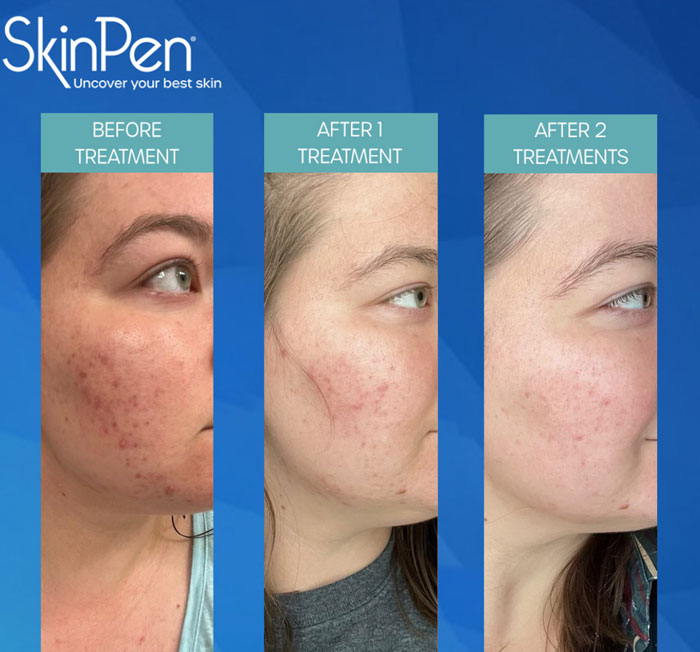
The SkinPen operates on the principle of “controlled wounding.” In technical terms, the device utilizes a reciprocating needle tip to create thousands of precise micro-injuries per second. This is not a random process; the depth of these needles can be adjusted with sub-millimeter precision. Depending on the area being treated—whether it is the delicate skin around the eyes or the thicker tissue of the neck or cheeks—the device’s depth settings can be calibrated to reach specific layers of the dermis. This level of customization is a hallmark of modern aesthetic technology, allowing for a personalized treatment plan that targets specific structural concerns like acne scars or fine lines.
The Engineering Behind SkinPen: A Deep Dive into Device Specs
The SkinPen is a masterpiece of MedTech engineering, designed to provide consistent results while maintaining the highest standards of clinical safety. Its design incorporates several proprietary features that prevent cross-contamination and ensure mechanical reliability.
FDA Clearance and Safety Protocols
The SkinPen’s designation as an FDA-cleared Class II medical device is a crucial distinction in the tech world. This clearance means the device has undergone rigorous testing regarding its mechanical safety and clinical efficacy. One of the primary engineering challenges in microneedling is preventing the “backflow” of fluids. During a procedure, blood and interstitial fluids could potentially enter the motor housing of a lesser device, leading to cross-contamination between patients. The SkinPen utilizes a proprietary, single-use BioSheath and a sealed needle cartridge that prevents any fluid from reaching the internal components. This “fail-safe” design is a critical component of its technological architecture.
Disposable Needle Cartridges and Precision Sharpness
At the heart of the SkinPen is its needle cartridge. Each cartridge contains 14 medical-grade stainless steel needles. These are not standard needles; they are engineered for extreme sharpness and durability to ensure they do not dull during the procedure. In the context of hardware, the sharpness of the needle relates directly to the “cleanliness” of the micro-channel. A dull needle would cause jagged edges in the tissue, leading to inflammation. The SkinPen’s manufacturing process ensures that every needle meets strict geometric tolerances, providing a uniform treatment across the entire surface area of the skin.
Motorized Consistency and Depth Control
The internal motor of the SkinPen is calibrated to maintain a constant speed, which is essential for uniform results. In many lower-end devices, the motor speed can fluctuate depending on the resistance of the skin or the battery level. The SkinPen’s sophisticated circuitry ensures that the needle frequency remains stable, which prevents the “dragging” effect that can occur if a device moves across the skin faster than the needles can oscillate. This synchronization between the motor’s RPM and the practitioner’s hand movement is what allows for the high-resolution “mapping” of the treatment area.
The Biological Response to Tech-Driven Perforation
While the hardware creates the micro-channels, the true power of the SkinPen lies in how it interfaces with the body’s internal “software”—the natural healing cascade. The technology is essentially a trigger for an organic manufacturing process.
The Three Phases of Wound Healing
The SkinPen initiates a three-stage biological process that is highly documented in clinical literature.
- Inflammation: Immediately following the mechanical perforation, the immune system is activated. This stage involves the release of growth factors and the clearing of debris.
- Proliferation: Within days, the micro-channels are rebuilt with new granulation cells and a transient collagen matrix. New blood vessels also begin to form, a process known as angiogenesis, which improves tissue oxygenation.
- Remodeling: This is the long-term phase where the initial collagen is replaced by stronger Type I collagen. This “re-coding” of the skin’s structure leads to increased skin tightness and a reduction in the appearance of scars.
Enhancing Topical Absorption through Micro-channels
Beyond structural remodeling, the SkinPen acts as a delivery system. The skin’s primary function is to act as a barrier, which often makes it difficult for high-molecular-weight serums or topicals to penetrate the epidermis. By creating thousands of temporary micro-channels, the SkinPen dramatically increases the “permeability” of the skin. In a technical sense, it bypasses the stratum corneum, allowing active ingredients to reach the deeper layers of the dermis where they can be most effective. This synergy between mechanical technology and topical pharmacology is a burgeoning field in aesthetic medicine.
Comparative Tech: SkinPen vs. Traditional Aesthetics Tools
In the ecosystem of skin rejuvenation technology, it is important to categorize where the SkinPen sits relative to other modalities such as lasers or chemical treatments.
SkinPen vs. Laser Resurfacing
Laser technology utilizes light energy (photons) to create heat-induced damage to the skin. While effective, lasers can be problematic for certain skin types (specifically darker Fitzpatrick scales) because the heat can trigger hyperpigmentation. The SkinPen, however, is a “cold” technology. It relies entirely on mechanical action rather than thermal energy. This makes it a more versatile technological tool, as it can be used on all skin types and colors without the risk of heat-related complications. From a tech-reliability standpoint, the SkinPen offers a more predictable safety profile for a global user base.
SkinPen vs. Chemical Peels
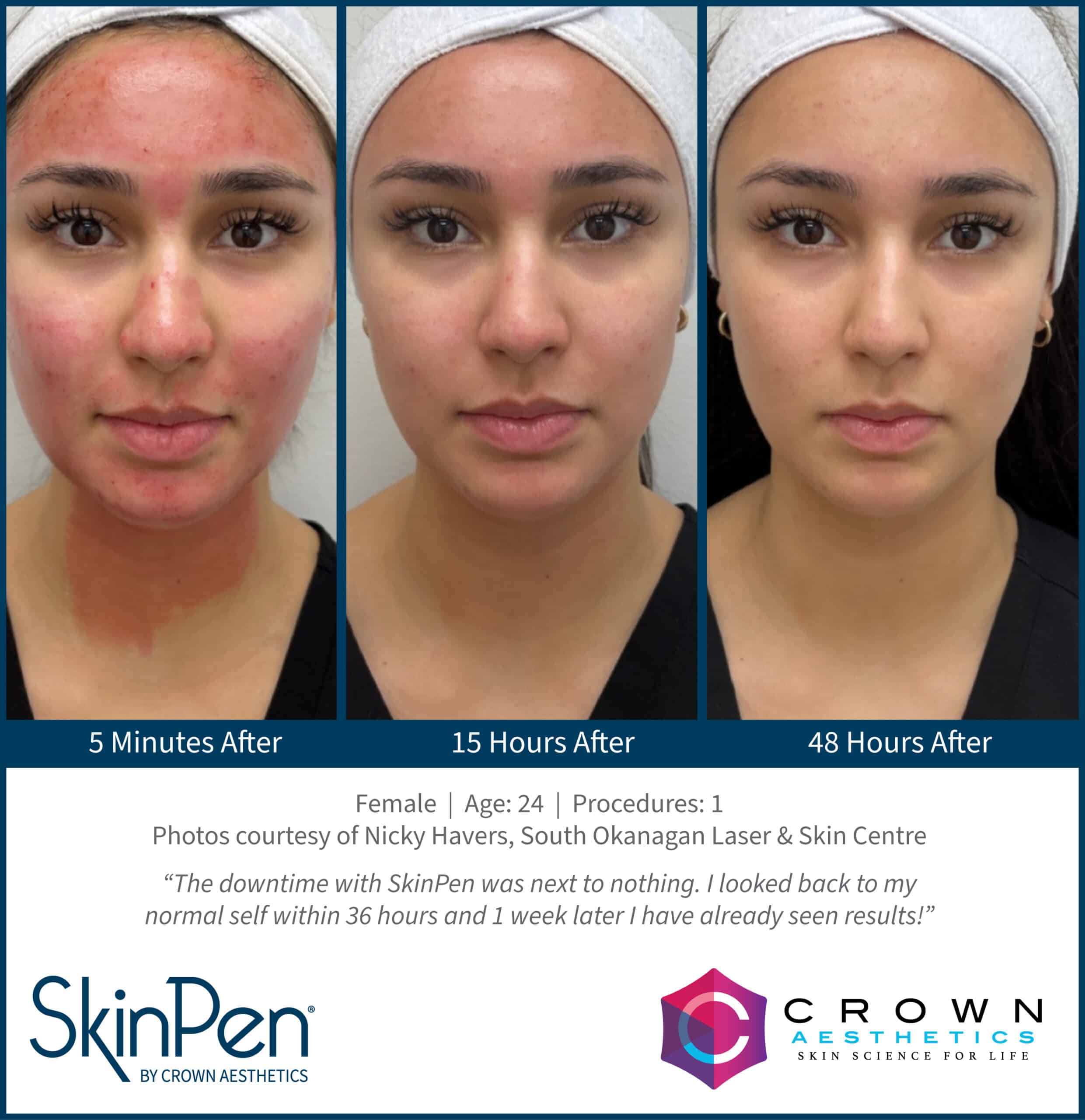
Chemical peels utilize acid solutions to dissolve the top layers of the skin. This is a “top-down” approach to rejuvenation. The SkinPen, conversely, is a “bottom-up” technology. It leaves the epidermis largely intact while stimulating the deeper dermal layers to regenerate. This results in significantly less downtime compared to deep chemical peels. For users looking for high-efficiency tech with minimal “system downtime,” the SkinPen is often the preferred choice.
The Future of Medical Aesthetics Gadgetry
As we look toward the future of the SkinPen and similar microneedling technologies, we are seeing a shift toward even greater integration and precision. The next generation of these devices may involve real-time sensors that can detect skin density and automatically adjust needle depth and speed accordingly. We are also seeing the integration of radiofrequency (RF) energy into the needles—a hybrid technology that combines mechanical perforation with thermal tightening.
The SkinPen has set a high bar for what a medical aesthetic device should be. It is a testament to how precision engineering can be used to harness the body’s own regenerative capabilities. For professionals in the tech and medical sectors, it serves as a case study in how rigorous safety standards and thoughtful mechanical design can transform a simple concept—needling—into a sophisticated, multi-million dollar industry standard.
By prioritizing safety through its BioSheath and disposable cartridges, and prioritizing efficacy through its motorized vertical oscillation, the SkinPen remains at the forefront of aesthetic technology. It is not just a tool for “beauty”; it is a sophisticated instrument of dermal transformation, proving that in the world of modern medicine, the best results often come from the most precisely engineered solutions. Whether addressing the structural damage of acne scars or the natural degradation of collagen due to aging, the SkinPen provides a high-tech solution to an age-old biological challenge.
aViewFromTheCave is a participant in the Amazon Services LLC Associates Program, an affiliate advertising program designed to provide a means for sites to earn advertising fees by advertising and linking to Amazon.com. Amazon, the Amazon logo, AmazonSupply, and the AmazonSupply logo are trademarks of Amazon.com, Inc. or its affiliates. As an Amazon Associate we earn affiliate commissions from qualifying purchases.